
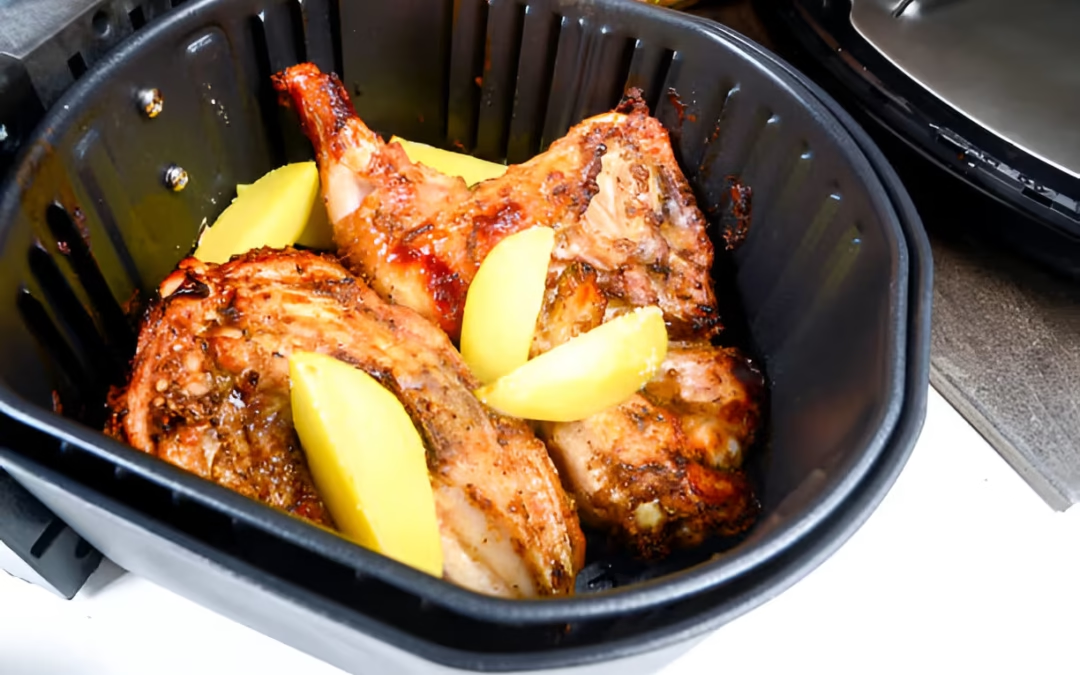
If you’ve been wondering “is air fryer cooking healthy,” you’re not alone. With the growing popularity of air fryers as a kitchen staple, health-conscious consumers want to know whether this countertop appliance lives up to its promise of healthier fried foods.
This comprehensive guide examines the science behind air fryer cooking, compares it to traditional deep frying methods, and reveals whether air frying is truly a healthier alternative.
What Is an Air Fryer and How Does It Work?
An air fryer is a compact countertop appliance that uses rapid air circulation technology to cook food, creating crispy textures without the need for large amounts of oil. Unlike traditional deep fryers that submerge food in hot oil, air fryers work more like mini convection ovens.
The Air Frying Process Explained
Air fryers use a powerful fan to circulate superheated air (up to 400-450°F) around food placed in a basket. This hot air cooking method creates:
- Crispy exterior texture similar to deep-fried foods
- Moist, tender interiors without oil absorption
- Even cooking through consistent heat distribution
- Reduced cooking time compared to conventional ovens
The heating element sits at the top of the air fryer, while tiny oil droplets dispersed in the hot air help achieve that coveted golden-brown finish and crunchy crust.
Is Air Fryer Cooking Healthy? The Health Benefits
When comparing air frying vs deep frying, the health advantages become clear. Here’s why air fryer cooking is considered a healthier cooking method:
1. Dramatically Reduces Calorie and Fat Content
One of the most significant air fryer health benefits is the substantial reduction in fat and calories:
- Up to 80% fewer calories compared to deep-fried foods
- 75-90% reduction in fat content in finished dishes
- Requires only 1 tablespoon of oil versus cups of oil for deep frying
- Less greasy, easier to digest meals
For example, 100 grams of deep-fried chicken breast contains 13.2 grams of fat, while oven-roasted chicken has only 0.39 grams. Air-fried chicken falls somewhere in between but far below deep-fried alternatives.
2. Lowers Cardiovascular Disease Risk
Healthy air fryer cooking can positively impact heart health by:
- Reducing saturated fat intake
- Helping manage cholesterol levels
- Lowering LDL (bad cholesterol)
- Decreasing risk of heart disease, stroke, and diabetes
Deep-fried foods, especially from restaurants, are often high in trans fats – partially hydrogenated oils that raise bad cholesterol. Air frying eliminates this concern while still delivering satisfying crispy foods.
3. Reduces Harmful Chemical Formation
Is air frying healthier when it comes to toxic compounds? Research says yes:
Acrylamide Reduction
- Acrylamide is a potentially carcinogenic chemical formed during high-heat cooking
- Air fryers can reduce acrylamide by up to 90% compared to deep frying
- Forms primarily in starchy foods like potatoes, french fries, and chips
- Animal studies link high acrylamide doses to cancer risk
Lower PAH Formation
- Polycyclic aromatic hydrocarbons (PAHs) are carcinogens produced at high temperatures
- Air frying produces significantly fewer PAHs than deep frying
- Using less oil reduces harmful compound formation
4. Supports Weight Management and Obesity Prevention
With obesity rates climbing, healthy cooking methods matter more than ever. Air fryer benefits for weight loss include:
- Lower calorie density in favorite foods
- Ability to enjoy crispy textures without excess fat
- Reduced oil absorption during cooking
- Support for sustainable healthy eating habits
Since up to 75% of calories in deep-fried foods come from absorbed oil, switching to air frying can make a meaningful difference in daily calorie intake.
Air Fryer vs Deep Fryer: A Comprehensive Comparison
Cooking Method
- Deep Fryer: Submerges food in 350-375°F oil
- Air Fryer: Circulates hot air at 400-450°F with minimal oil
Oil Requirements
- Deep Fryer: Multiple cups of cooking oil
- Air Fryer: 1 tablespoon or less (sometimes none)
Health Impact
- Deep Fryer: High in calories, trans fats, and harmful compounds
- Air Fryer: 75-80% fewer calories, reduced harmful chemicals
Safety
- Deep Fryer: Risk of hot oil burns, spills, and fires
- Air Fryer: Safer operation, though exterior gets very hot
Texture and Taste
- Deep Fryer: Classic fried food texture, rich flavor
- Air Fryer: Similar crispy texture, slightly different mouthfeel
Air Fryer Cooking Tips for Maximum Health Benefits
To maximize the health benefits of air frying, follow these best practices:
Choose Healthy Foods
- Opt for vegetables, lean proteins, and whole foods
- Remember: air fryers enhance healthy foods, not transform unhealthy ones
- Air-fried Oreos are still not a nutritious choice
Use Healthy Oils
- Extra virgin olive oil (high in antioxidants)
- Avocado oil (high smoke point)
- Canola oil (high-oleic variety)
- Avoid partially hydrogenated oils with trans fats
Proper Cooking Techniques
- Don’t overcrowd the basket for even cooking
- Use perforated pans or racks for better air circulation
- Flip food halfway through cooking
- Never reuse cooking oil
Safety Precautions
- Allow proper cooling time (exterior stays hot)
- Use exhaust fan to avoid smoke inhalation
- Be careful with basket and back vent
- Keep appliance on heat-resistant surface
What Can You Cook in an Air Fryer?
Air fryers are incredibly versatile for healthy air fryer recipes:
Proteins
- Chicken (wings, tenders, breast)
- Fish and salmon
- Steak and pork chops
- Tofu and tempeh
Vegetables
- Brussels sprouts
- Broccoli and cauliflower
- Zucchini and asparagus
- Sweet potatoes and root vegetables
Comfort Foods (Healthier Versions)
- French fries and potato wedges
- Onion rings
- Mozzarella sticks
- Chicken nuggets
Unexpected Uses
- Reheating leftovers
- Baking muffins and brownies
- Roasting nuts
- Making homemade chips
Potential Health Risks and Concerns
While air fryer cooking benefits are numerous, be aware of these considerations:
Cholesterol Oxidation Products (COPs)
- Air frying fish can increase COPs
- COPs linked to heart disease and cancer
- Solution: Add fresh parsley or chives to reduce COPs
Nutrient Degradation
- High heat can reduce some nutrient content
- Minimal fiber content degradation
- Similar to other high-heat cooking methods
Plastic Toxins
- Some air fryers have plastic components that may leach at high temperatures
- Choose models with better materials and linings
- Look for BPA-free, food-grade materials
Omega-3 Reduction
- Air frying may reduce beneficial omega-3 fatty acids in fish
- Still a healthier option than deep frying
Air Fryer vs Other Cooking Methods
Air Fryer vs Convection Oven
- Both use circulating hot air
- Air fryers are more compact
- Convection ovens have more capacity for family meals
- Air fryers cook faster due to smaller size
Air Fryer vs Regular Oven
- Regular ovens use static heat from top/bottom elements
- Air fryers provide more even cooking
- Air fryers use less energy
- Faster cooking time in air fryers
Air Fryer vs Microwave
- Microwaves use radiation to heat food molecules
- Air fryers create crispy textures; microwaves don’t
- Air fryers better for texture, microwaves faster for reheating
- No radiation concerns with air fryers
Air Fryer vs Pan Frying
- Pan frying requires more oil than air frying
- Both can achieve good texture
- Air frying is less messy
- Pan frying offers more control for certain dishes
Best Air Fryer Practices for Healthy Eating
Meal Planning with Air Fryers
- Use as one tool in your cooking arsenal
- Combine air-fried protein with steamed vegetables
- Create balanced, nutrient-dense meals
- Don’t rely exclusively on air frying
Pre-Soaking for Acrylamide Reduction
- Pre-soak potatoes before air frying
- Reduces acrylamide formation across all cooking methods
- 30 minutes in water is sufficient
Temperature and Time Management
- Follow manufacturer recommendations
- Use lower temperatures when possible
- Don’t overcook foods
- Check for doneness regularly
Cleaning and Maintenance
- Clean basket and pan after each use
- Remove grease buildup regularly
- Prevent smoke and odors
- Extend appliance lifespan
Air Fryer Recipes for Healthy Cooking
Low-Fat French Fries
- Cut potatoes into wedges
- Soak in cold water for 30 minutes
- Pat dry thoroughly
- Toss with 1 tablespoon olive oil
- Season with herbs and spices
- Air fry at 400°F for 15-20 minutes, shaking halfway
Crispy Air Fryer Chicken Breast
- Marinate chicken in herbs and lemon juice
- Light coating of whole wheat breadcrumbs
- Spray with cooking oil
- Cook at 375°F for 20-25 minutes
- Serve with roasted vegetables
Vegetable Medley
- Mix Brussels sprouts, carrots, and bell peppers
- Light drizzle of avocado oil
- Season with garlic powder and black pepper
- Air fry at 380°F for 12-15 minutes
Are Air Fryers Worth It? The Verdict
So, is air fryer cooking healthy? The answer is yes – when used properly and with the right foods. Here’s what the science tells us:
The Pros:
✓ Reduces fat and calories by 75-80%
✓ Lowers harmful chemical formation (acrylamide, PAHs)
✓ Decreases cardiovascular disease risk
✓ Supports weight management
✓ Versatile and convenient
✓ Safer than deep frying
✓ Energy efficient
The Cons:
✗ Not all air-fried foods are automatically healthy
✗ Some nutrient degradation at high heat
✗ Potential plastic toxin concerns (depends on model)
✗ Can increase COPs in fish
✗ Smaller capacity than ovens
✗ Won’t perfectly replicate deep-fried texture
Expert Recommendations
Registered dietitians agree that healthy air fryer cooking offers real benefits:
- Use air fryers as part of a varied cooking routine
- Choose whole foods and lean proteins
- Don’t expect air frying to make unhealthy foods healthy
- Combine with other cooking methods (steaming, simmering, raw)
- Focus on overall dietary patterns, not just cooking method
Frequently Asked Questions About Air Fryer Health
Is it safe to use an air fryer every day?
Yes, air fryers are safe for daily use, but nutritionists recommend using various cooking methods for a balanced approach to meal preparation.
Can air fryers cause cancer?
Air fryers themselves don’t cause cancer. They actually reduce carcinogenic compounds like acrylamide by up to 90% compared to deep frying, though some amounts still remain.
Does air frying destroy nutrients?
Air frying preserves most nutrients, though high heat can cause some degradation – similar to other cooking methods like baking or roasting.
How much healthier is air frying compared to deep frying?
Air-fried foods contain 75-80% less fat and calories than deep-fried foods, making them significantly healthier for regular consumption.
What are the best foods to cook in an air fryer?
Vegetables, lean proteins like chicken and fish, and whole food alternatives to traditionally fried items offer the best health benefits.
Are air fryers better than ovens for healthy cooking?
Both can be healthy. Air fryers cook faster and use less energy, while ovens handle larger quantities. The healthiest choice depends on what you’re cooking.
Do I need to use oil in an air fryer?
While you can air fry without oil, using a small amount (1 tablespoon) helps achieve better texture and flavor while still maintaining health benefits.
Conclusion: Making Air Fryer Cooking Work for Your Health
Is air fryer cooking healthy? The evidence overwhelmingly suggests yes – air fryers offer a healthier alternative to traditional deep frying while delivering the crispy, satisfying textures people crave.
By dramatically reducing fat and calories, lowering harmful chemical formation, and supporting heart health and weight management, air fryers earn their place in health-conscious kitchens.
However, the key to healthy air fryer cooking lies in what you cook, not just how you cook it. Choose whole foods, lean proteins, and plenty of vegetables. Use your air fryer as one tool among many cooking methods. And remember: no appliance can transform fundamentally unhealthy foods into nutritious meals.
For those seeking to reduce fried food consumption without sacrificing taste and texture, air fryers represent an excellent investment in both culinary enjoyment and long-term health. With proper use and realistic expectations, air frying can be an important part of a balanced, nutritious diet that supports your wellness goals for years to come.
You May Also Like
Air Fryer Pesto Salmon: Quick and Flavorful Weeknight Dinner
Air Fry Salmon and Broccoli: Quick and Healthy One-Pan Dinner
Morey’s Salmon Air Fryer: Perfectly Cooked Frozen Salmon
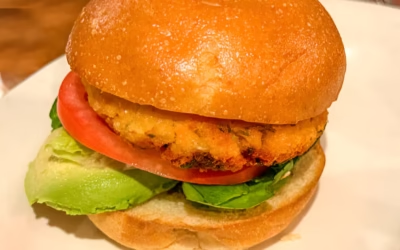
Trader Joe’s Salmon Burger Air Fryer: Quick and Easy Guide
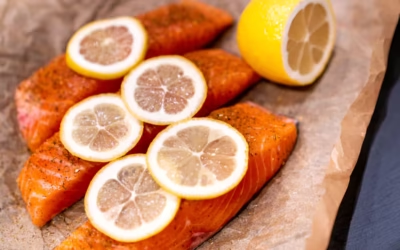
Air Fryer Lemon Pepper Salmon: Quick & Easy Weeknight Dinner
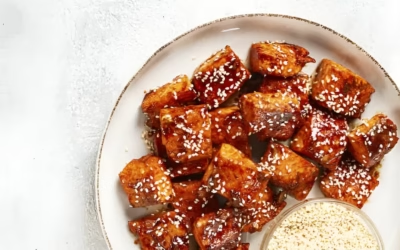
Easy Air Fryer Bang Bang Salmon Bites Recipe
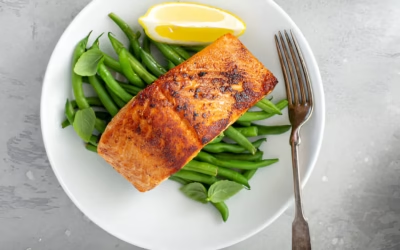
Air Fry Sockeye Salmon: Perfect Wild Alaskan Salmon

Ninja Air Fryer Salmon: Perfect Results in 10 Minutes