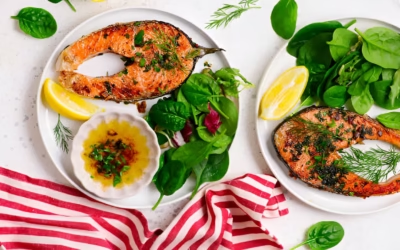
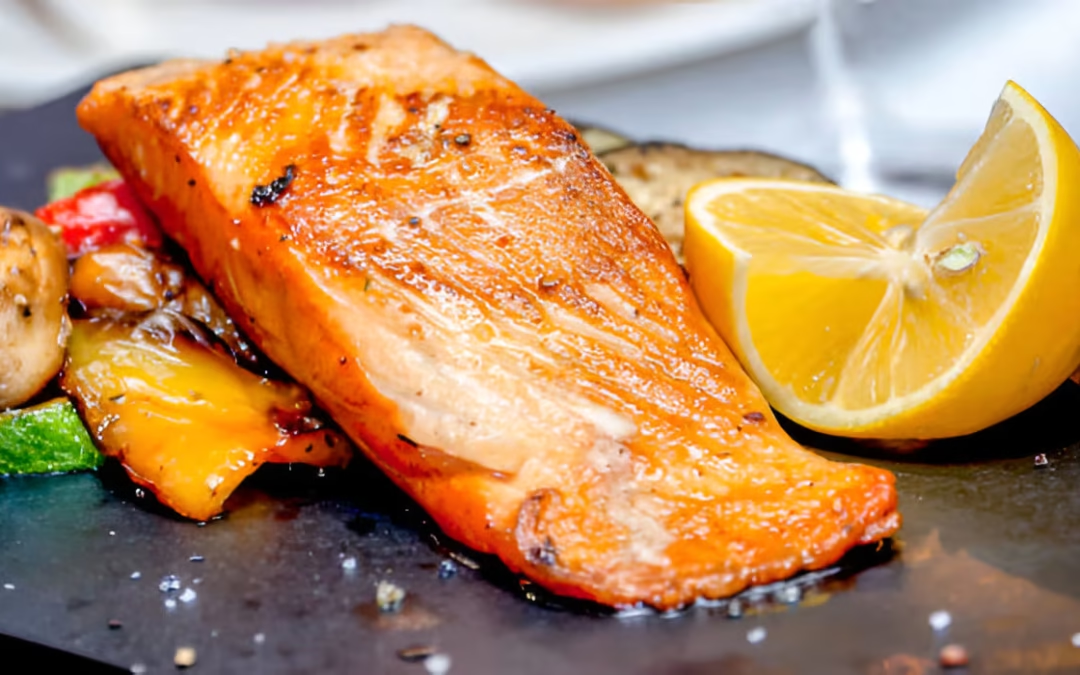
If you’ve ever wondered how to cook salmon from frozen in air fryer, you’re about to discover a game-changing dinner solution. The answer is surprisingly simple: cook frozen salmon directly in your air fryer at 390-400°F for 12-16 minutes total—no thawing required. This method delivers perfectly flaky, moist salmon with minimal effort and maximum convenience.
Forget waiting hours for fish to defrost. With your air fryer, you can go from freezer to dinner table in under 20 minutes with restaurant-quality results. Whether you forgot to thaw tonight’s dinner or simply want a quick, healthy meal, cooking frozen salmon in the air fryer is about to become your new favorite kitchen hack.
Why Cook Frozen Salmon in the Air Fryer?
The air fryer has revolutionized how we cook frozen foods, and salmon is no exception. Here’s why this method is so effective:
Key advantages:
- No thawing needed: Cook salmon straight from the freezer
- Fast cooking time: Ready in just 12-16 minutes
- Even heat distribution: Circulating hot air cooks salmon uniformly
- Moist interior: Proper technique prevents drying out
- Crispy skin: Achieves restaurant-quality texture
- Minimal cleanup: No splatter, easy basket cleaning
- Healthier cooking: Uses minimal oil compared to pan-frying
- Energy efficient: Heats up faster than a conventional oven
The concentrated heat and air circulation in an air fryer create the perfect environment for cooking frozen salmon without compromising quality.
Choosing the Best Frozen Salmon for Air Frying
Not all frozen salmon is created equal. Selecting the right type ensures optimal results.
Best types of frozen salmon:
- Atlantic salmon: Higher fat content prevents drying during cooking
- Skin-on fillets: Skin protects the flesh and becomes wonderfully crispy
- Center-cut portions: Uniform thickness (1 to 1.5 inches) ensures even cooking
- Individually wrapped: Prevents freezer burn and allows you to cook only what you need
- Wild-caught options: Sockeye, King, or Coho salmon for richer flavor
Recommended brands:
- Costco’s frozen wild-caught salmon
- Whole Foods frozen salmon portions
- Gorton’s frozen salmon fillets
- Morey’s individually wrapped salmon
What to avoid:
- Very thin fillets (under 1 inch thick) that may overcook
- Fillets with excessive ice buildup
- Salmon with freezer burn (grayish-brown spots)
- Poorly sealed packages
Look for fillets that are 5.5-6 ounces each and about 1 to 1.5 inches thick for best results with standard cooking times.
How to Cook Salmon from Frozen in Air Fryer: Two Proven Methods
There are two effective approaches to cooking frozen salmon in your air fryer. Both work excellently—choose based on your preference and schedule.
Method 1: Two-Stage Approach (Recommended for Beginners)
This method gives you more control over seasoning and ensures even cooking.
Temperature: 390°F (199°C) or 400°F (204°C) Total time: 12-16 minutes Best for: Thicker fillets, first-time air fryer salmon cooks
Step-by-step instructions:
Step 1: Preheat and prepare Preheat your air fryer to 400°F for 3-5 minutes. While it heats, remove frozen salmon fillets from packaging and pat away any excess ice with paper towels.
Step 2: Initial thawing stage Place frozen salmon skin-side down in the air fryer basket. Don’t overcrowd—leave space between fillets. Air fry at 390°F for 6-9 minutes. This stage defrosts the salmon.
Step 3: Season the salmon Open the basket and brush the salmon with olive oil or spray with avocado oil. Season generously with salt and black pepper. Add lemon slices on top if desired. You can also apply glazes or other seasonings at this point.
Step 4: Finish cooking Continue air frying at 390°F for 5-8 more minutes, depending on thickness. Thin fillets need about 5 minutes; thicker center-cut portions may need 7-8 minutes.
Step 5: Check for doneness The salmon is done when it flakes easily with a fork and reaches an internal temperature of 145°F (63°C) at the thickest part. For more moist results, many chefs prefer 125-135°F.
Method 2: Single-Stage Method (Quicker Option)
For a simpler, faster approach with less hands-on time.
Temperature: 400°F (204°C) Total time: 10-12 minutes Best for: Standard-thickness fillets, experienced cooks
Step-by-step instructions:
Step 1: Preheat Preheat air fryer to 400°F for 3-5 minutes.
Step 2: Prepare basket Lightly spray the air fryer basket with oil to prevent sticking.
Step 3: Cook frozen salmon Place frozen salmon fillets skin-side down in a single layer. Cook at 400°F for 10-12 minutes without opening the basket.
Step 4: Check doneness Test with a fork—salmon should flake easily. Use a thermometer to verify 145°F internal temperature.
Step 5: Season and serve Remove from air fryer and season with salt, pepper, and a squeeze of fresh lemon juice.
Both methods produce excellent results. The two-stage method allows for better flavor development with seasonings, while the single-stage method is faster and requires less intervention.
Timing Guide for Different Salmon Thicknesses
Cooking time varies based on the thickness of your frozen salmon fillets.
Thin fillets (less than 1 inch thick):
- Two-stage: 6 minutes + 3-4 minutes = 9-10 minutes total
- Single-stage: 8-10 minutes
- Best for: Wild-caught varieties, tail-end portions
Standard fillets (1 to 1.5 inches thick):
- Two-stage: 7 minutes + 5-6 minutes = 12-13 minutes total
- Single-stage: 10-12 minutes
- Best for: Most store-bought frozen salmon
Thick fillets (over 1.5 inches thick):
- Two-stage: 9 minutes + 7-8 minutes = 16-17 minutes total
- Single-stage: 12-14 minutes
- Best for: Center-cut Atlantic salmon, salmon steaks
Multiple fillets:
- Add 1-2 minutes if cooking 3-4 fillets at once
- Ensure fillets don’t touch for proper air circulation
Always use a meat thermometer for accuracy rather than relying solely on time.
Delicious Seasoning Ideas for Frozen Air Fryer Salmon
Simple seasonings work best and complement salmon’s natural flavor beautifully.
Classic combinations:
- Lemon pepper: Fresh lemon slices + cracked black pepper + sea salt
- Garlic herb: Minced garlic + dried thyme + olive oil
- Cajun spiced: Cajun seasoning + paprika + garlic powder
- Simple salt and pepper: Coarse sea salt + black pepper (timeless)
Glazes and sauces:
- Honey garlic glaze: Mix honey, coconut aminos or soy sauce, and minced garlic
- Teriyaki sauce: Brush on during final 2 minutes of cooking
- Maple mustard: Combine maple syrup with Dijon mustard
- Asian-inspired: Soy sauce, ginger, sesame oil
Pro tip: Add seasonings AFTER the initial thawing stage (if using two-stage method) to prevent burning. Delicate herbs and spices can char during the defrosting phase.
For even more creative ways to prepare air fryer salmon, explore these air fryer salmon recipes featuring unique flavor combinations and cooking techniques.
Essential Tips for Perfect Frozen Salmon Every Time
Follow these expert tips to ensure your frozen salmon turns out perfectly cooked every single time.
Before cooking:
- Remove excess ice: Pat frozen fillets with paper towels to remove ice crystals
- Don’t overcrowd: Cook 1-2 fillets at a time for optimal air circulation
- Preheat your air fryer: Ensures even cooking from the start
- Choose quality salmon: Higher fat Atlantic salmon is more forgiving than lean varieties
During cooking:
- Skin-side down: Always place salmon with skin facing down to protect the flesh
- Don’t flip: The air fryer’s circulation cooks evenly without turning
- Add moisture: A light spray of oil prevents drying
- Monitor closely: Check at minimum time, then add more if needed
After cooking:
- Rest briefly: Let salmon sit for 1-2 minutes before serving
- Check multiple spots: Verify doneness in the thickest part with a thermometer
- Serve immediately: Salmon is best enjoyed right away
Temperature preferences:
- FDA recommendation: 145°F (63°C) for food safety
- Chef’s preference: 125-135°F (52-57°C) for medium, more moist texture
- Pregnant/immunocompromised: Always cook to 145°F
Common Mistakes to Avoid
Even with a simple process, certain pitfalls can derail your frozen salmon. Here’s what to avoid:
1. Using too high heat Temperatures above 400°F dry out salmon quickly. Stick to 390-400°F for best results.
2. Skipping the preheat Not preheating causes uneven cooking with cold spots in the center and overdone edges.
3. Overcrowding the basket This restricts airflow and leads to soggy, unevenly cooked salmon. Leave space between fillets.
4. Seasoning too early in two-stage method Adding delicate seasonings before the thaw stage causes burning. Season after initial cooking.
5. Using too much oil Excess oil makes the skin soggy instead of crispy. A light spray or brush is sufficient.
6. Not checking the thickest part Always verify doneness at the thickest section—the thinner parts will be more done.
7. Cooking different thicknesses together Mix-matched fillet sizes cook unevenly. Group similar thicknesses together.
8. Forgetting to remove packaging Some frozen salmon has plastic or paper wrapping that must be removed before cooking.
How to Know When Your Frozen Salmon Is Done
Proper doneness is crucial for both safety and optimal texture.
Visual indicators:
- Opaque throughout: No translucent or raw-looking areas
- Flakes easily: Gently scrape with a fork—it should separate into flakes
- Color change: Transitions from bright orange/pink to lighter, cooked pink
- Crispy edges: Slightly browned, crispy edges and skin
- White protein (albumin): Small amounts are normal; excessive indicates overcooking
Temperature checks: Use an instant-read thermometer inserted into the thickest part:
- Minimum safe temp: 145°F (63°C)
- Medium doneness: 125-135°F (52-57°C)
- Well done: 145°F+ (63°C+)
Texture test: Press gently on the thickest part:
- Firm but springy: Perfectly cooked
- Very soft: Needs more time
- Hard: Overcooked
When in doubt, use a thermometer. It’s the only truly reliable method.
What to Serve with Air Fryer Frozen Salmon
Complete your meal with complementary sides that pair beautifully with salmon.
Vegetable sides:
- Air fryer frozen broccoli or asparagus
- Roasted Brussels sprouts with balsamic glaze
- Sautéed green beans with garlic
- Air fryer frozen cauliflower
- Grilled zucchini and bell peppers
- Steamed bok choy with soy sauce
Starch options:
- White rice or brown rice
- Cauliflower rice (low-carb option)
- Quinoa or farro
- Roasted sweet potatoes
- Garlic mashed potatoes
- Air fryer frozen french fries
Salads:
- Mixed greens with vinaigrette
- Asian cucumber salad
- Coleslaw with creamy dressing
- Arugula salad with lemon dressing
- Spinach salad with strawberries
Sauces and condiments:
- Lemon wedges (essential!)
- Tartar sauce
- Dill sauce or tzatziki
- Soy ginger sauce
- Garlic butter
- Honey mustard
Storing and Reheating Leftover Cooked Salmon
If you have leftovers (though salmon is so delicious you might not!), proper storage ensures food safety and quality.
Refrigerator storage:
- Cool salmon to room temperature within 2 hours of cooking
- Place in airtight container
- Store for up to 3-4 days maximum
- Keep at 40°F (4°C) or below
Freezer storage:
- Use freezer-safe containers or heavy-duty bags
- Remove as much air as possible
- Label with date
- Store for up to 3 months
- Thaw in refrigerator 24-48 hours before reheating
Reheating instructions:
- Air fryer: 350°F for 4-5 minutes (best method)
- Oven: 250°F for 10-15 minutes, wrapped in foil
- Microwave: Defrost setting for 30 seconds, flip, 30 more seconds
- Stovetop: Low heat with 1 tbsp oil, warm slowly
Alternative uses for leftovers:
- Salmon salad with mayo and celery
- Cold on top of green salads
- Flaked into omelets or scrambled eggs
- Added to pasta dishes
- Made into salmon patties or cakes
Fresh vs. Frozen Salmon in Air Fryer
If you have fresh salmon instead of frozen, the process is even simpler.
Fresh salmon cooking times:
- Farm-raised Atlantic: 400°F for 7-9 minutes
- Wild-caught (thinner): 390°F for 5-7 minutes
- Salmon steaks: 400°F for 8-10 minutes
Fresh salmon instructions:
- Preheat air fryer to 400°F
- Brush salmon with oil and season
- Place skin-side down in basket
- Cook for recommended time based on type
- Check internal temperature (145°F)
Fresh salmon cooks faster because there’s no defrosting phase needed. However, frozen salmon is more convenient and often more affordable, making it perfect for meal planning.
Frequently Asked Questions
Can you cook frozen salmon without thawing? Absolutely! That’s the entire point of this method. Cooking frozen salmon directly in the air fryer produces excellent results without any thawing.
Do you need to flip frozen salmon in the air fryer? No. Place salmon skin-side down and leave it. The circulating hot air cooks it evenly on all sides.
What temperature should I cook frozen salmon in an air fryer? Use 390-400°F. The two-stage method uses 390°F throughout, while the single-stage method uses 400°F.
How long does frozen salmon take to cook in an air fryer? 12-16 minutes total for standard 1-1.5 inch thick fillets. Thinner pieces need 10-12 minutes, thicker ones may need up to 17 minutes.
Can you cook frozen salmon with skin in the air fryer? Yes! Skin-on salmon is actually preferred. The skin gets crispy and delicious while protecting the flesh from drying out.
Does frozen salmon taste as good as fresh? When cooked properly in the air fryer, frozen salmon is remarkably close to fresh in both taste and texture. High-quality frozen salmon can rival fresh.
Can I season frozen salmon before cooking? If using the single-stage method, you can’t season until after cooking. With the two-stage method, season after the initial defrost stage to prevent burning.
Why is my frozen salmon rubbery? This usually happens from cooking at too high temperature or for too long. Stick to 390-400°F and check for doneness early.
Can I cook other frozen fish this way? Yes! Cod, halibut, and other firm white fish work well with similar timing, though they may need slightly less time than salmon.
Should I use parchment paper in my air fryer? It’s optional but helpful for easier cleanup. Make sure the parchment has holes for air circulation and is weighted down by food.
Final Thoughts
Learning how to cook salmon from frozen in air fryer opens up a world of convenient, healthy dinner possibilities. With just 12-16 minutes and minimal preparation, you can transform frozen salmon fillets into a restaurant-quality meal that’s tender, flaky, and full of flavor.
The key is choosing quality frozen salmon (preferably Atlantic, skin-on, and center-cut), preheating your air fryer, and following proper timing for your fillet thickness. Whether you use the two-stage approach with seasoning control or the quicker single-stage method, both deliver excellent results.
No more excuses about not having time to thaw fish or feeling limited to backup dinner options. With frozen salmon in your freezer and these techniques in your repertoire, you’re always prepared for a nutritious, delicious meal. Your air fryer has just become your secret weapon for effortless weeknight dinners.
You May Also Like
Air Fryer Pesto Salmon: Quick and Flavorful Weeknight Dinner
Air Fry Salmon and Broccoli: Quick and Healthy One-Pan Dinner
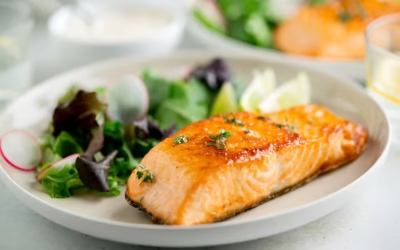
Morey’s Salmon Air Fryer: Perfectly Cooked Frozen Salmon
Trader Joe’s Salmon Burger Air Fryer: Quick and Easy Guide
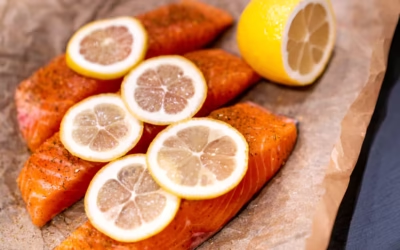
Air Fryer Lemon Pepper Salmon: Quick & Easy Weeknight Dinner
Easy Air Fryer Bang Bang Salmon Bites Recipe
Air Fry Sockeye Salmon: Perfect Wild Alaskan Salmon
Ninja Air Fryer Salmon: Perfect Results in 10 Minutes