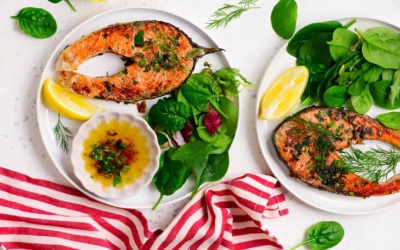
Learning how to cook salmon in an air fryer is one of the most valuable cooking skills you can develop for creating quick, healthy, and delicious meals. Whether you’re a complete beginner intimidated by cooking fish or an experienced home chef looking for a faster method, the air fryer makes salmon preparation foolproof, consistent, and incredibly convenient.
This ultimate guide will teach you everything about cooking salmon in an air fryer, from selecting the perfect fillet to achieving that ideal combination of crispy edges and tender, flaky interior. You’ll discover why the air fryer has become the go-to appliance for salmon, master the essential techniques that guarantee success, and learn professional tips that will elevate your results from good to extraordinary.
By the end of this guide, you’ll confidently know how to cook salmon in air fryer better than most restaurants, and you’ll be able to create perfectly cooked salmon in just 7-17 minutes, depending on whether you’re starting with fresh or frozen fillets.
Why the Air Fryer is the Best Way to Cook Salmon
Before diving into how to cook salmon in an air fryer, it’s important to understand why this method has become so popular. The air fryer offers unique advantages that make it superior to traditional cooking methods in many ways.
Unmatched Speed and Efficiency
- Fresh salmon: 7-10 minutes total from start to finish
- Frozen salmon: 12-17 minutes without any thawing required
- Minimal preheating: 3-5 minutes compared to 15-20 minutes for ovens
- Energy efficient: Uses less electricity than heating a full oven
Superior Texture and Flavor
- Crispy, golden edges similar to pan-searing but without the oil
- Tender, flaky interior that stays incredibly moist
- Even cooking throughout thanks to 360-degree air circulation
- No fishy smell lingering in your kitchen like with stovetop cooking
Health and Convenience Benefits
- 75% less oil compared to traditional frying methods
- Hands-free cooking: Set it and work on side dishes or relax
- Easy cleanup: Just one basket to wash, no greasy pans
- Foolproof results: Consistent temperature eliminates guesswork
- Kitchen stays cool: Perfect for summer cooking
Choosing the Right Salmon for Your Air Fryer
Success in how to cook salmon in air fryer starts with selecting the right fish. Understanding the differences between salmon types, fresh versus frozen options, and ideal fillet characteristics will set you up for perfect results every time.
Fresh vs. Frozen: Which is Better?
Both fresh and frozen salmon work excellently when you cook salmon in air fryer. Here’s what you need to know:
Fresh Salmon:
- Pros: Slightly firmer texture, immediate use, premium feel
- Cons: Must be used within 1-2 days, more expensive, requires planning
- Best for: When you’ve just shopped and cooking same day
Frozen Salmon:
- Pros: Flash-frozen at peak freshness, lasts 6 months, cook from frozen, often less expensive
- Cons: Takes a few minutes longer to cook
- Best for: Meal prep, busy schedules, last-minute meals
Pro tip: “Fresh” salmon at grocery stores is often previously frozen anyway, so don’t hesitate to buy frozen – it’s frequently better quality and more convenient!
Types of Salmon: Which Works Best?
Atlantic Salmon (Farm-Raised):
- Fat content: Highest (12-15%)
- Flavor: Mild, buttery, universally appealing
- Air fryer performance: Excellent – high fat prevents drying
- Best for: Beginners, picky eaters, most forgiving option
Sockeye Salmon (Wild-Caught):
- Fat content: Medium (8-11%)
- Flavor: Rich, bold, intense salmon taste
- Air fryer performance: Very good – needs careful timing to avoid drying
- Best for: Those who love strong salmon flavor, higher omega-3 content
Coho Salmon (Wild-Caught):
- Fat content: Medium (7-10%)
- Flavor: Mild to medium, delicate texture
- Air fryer performance: Good – cook at 390°F for best results
- Best for: Lighter meals, those preferring subtler fish flavor
King Salmon (Wild-Caught):
- Fat content: Very high (15-20%)
- Flavor: Extremely rich, luxurious
- Air fryer performance: Excellent – stays very moist
- Best for: Special occasions, when you want the best
Ideal Fillet Characteristics for Air Frying
- Thickness: 1 to 1.5 inches for even cooking (thinner cooks too fast, thicker too slow)
- Size: 5-6 oz portions fit perfectly in most air fryer baskets
- Cut: Center-cut fillets provide most uniform thickness
- Skin: Either skin-on or skinless works (skin helps retain moisture)
- Quality indicators: Bright color, firm texture, fresh ocean smell
Essential Tools and Setup for Cooking Salmon in Air Fryer
Before you begin learning how to cook salmon in an air fryer, gather these essential tools and ingredients. Having everything ready ensures a smooth, stress-free cooking experience.
Required Equipment
- Air fryer (any brand/size works; 4-6 quart most popular)
- Instant-read meat thermometer (critical for perfect doneness)
- Paper towels (for patting salmon dry)
- Basting brush or oil spray bottle
- Tongs or fish spatula (for handling cooked salmon)
- Small mixing bowl (for marinades/seasonings)
Basic Ingredients
- Salmon fillets (fresh or frozen)
- High-heat oil (olive, avocado, or spray)
- Kosher salt or sea salt
- Black pepper (freshly ground preferred)
The Master Method: How to Cook Salmon in Air Fryer (Fresh)
This is the fundamental technique for cooking salmon in air fryer when starting with fresh fillets. Master this method and you’ll have perfectly cooked salmon in just 7-10 minutes.
Step 1: Prepare Your Salmon (2 minutes)
- Remove salmon from refrigerator and let sit 15-20 minutes (room temperature salmon cooks more evenly)
- Pat completely dry with paper towels on both sides – this is crucial for browning
- Check for pin bones – run fingers along fillet and remove with tweezers
- If using skin-on salmon, score skin with shallow diagonal cuts to prevent curling
Step 2: Season the Salmon (1 minute)
- Brush both sides with oil – about ½ teaspoon per side (or 2-3 sprays)
- Season generously with salt and pepper on the flesh side
- Add optional seasonings (garlic powder, lemon zest, herbs – see variations below)
Step 3: Preheat and Prep Air Fryer (3-5 minutes)
- Set air fryer to 390°F (400°F also works but watch timing)
- Preheat for 3-5 minutes following your model’s instructions
- Lightly spray basket with oil to prevent sticking
Step 4: Cook the Salmon (7-10 minutes)
- Place salmon in basket skin-side down (or skinless side down if no skin)
- Don’t overcrowd – leave space between fillets for air circulation
- Cook for 7-10 minutes depending on thickness:
- Thin fillets (0.75-1 inch): 6-7 minutes
- Medium fillets (1-1.5 inches): 8-9 minutes
- Thick fillets (over 1.5 inches): 10-12 minutes
- Do NOT flip – air circulation cooks evenly without turning
Step 5: Check for Doneness (1 minute)
- Start checking at minimum time (7 minutes for thin, 8 for medium, 10 for thick)
- Insert thermometer into thickest part of fillet:
- 125-130°F = Medium-rare (moist, slightly translucent center)
- 130-135°F = Medium (recommended by chefs)
- 140-145°F = Well-done (FDA recommendation)
- Visual check: Should flake easily with fork, edges golden and slightly crispy
- If not done, cook in 1-minute increments, checking after each
Step 6: Rest and Serve (2-3 minutes)
- Remove salmon carefully with fish spatula or tongs
- Let rest 2-3 minutes on serving plate (carryover cooking will add 2-3°F)
- Garnish with fresh lemon wedge and squeeze over top
- Serve immediately for best texture and flavor
How to Cook Frozen Salmon in Air Fryer (No Thawing Required)
One of the best features of how to cook salmon in an air fryer is that you can cook it straight from frozen! This two-stage method ensures perfect results in just 12-17 minutes with zero thawing required.
The Two-Stage Frozen Salmon Method
Stage 1: Thawing (6-9 minutes)
- Remove frozen salmon from packaging
- Pat away visible ice crystals with paper towels
- Preheat air fryer to 390-400°F for 3-5 minutes
- Place frozen salmon skin-side down in basket
- Cook at 390°F for:
- Thin fillets: 6 minutes
- Medium fillets: 7-9 minutes
- Thick fillets: 9 minutes
Stage 2: Seasoning and Finishing (5-8 minutes)
- Open air fryer carefully (steam will release)
- Brush salmon with oil
- Season generously with salt, pepper, and desired seasonings
- Add lemon slices on top if desired
- Continue cooking at 390°F for:
- Thin fillets: 3-5 minutes
- Medium fillets: 5-8 minutes
- Thick fillets: 7-8 minutes
- Check temperature and doneness as described above
- Rest 2-3 minutes before serving
Delicious Seasoning Variations for Air Fryer Salmon
Once you’ve mastered the basic technique of how to cook salmon in air fryer, it’s time to explore exciting flavor combinations. These variations will keep your salmon dinners interesting and delicious. For even more creative ideas and complete meal inspirations, check out this collection of air fryer salmon recipes featuring everything from Asian glazes to Mediterranean preparations.
Classic Lemon Herb
- 2 tablespoons olive oil
- 2 tablespoons fresh lemon juice
- 1 teaspoon lemon zest
- 1 tablespoon fresh dill (or 1 teaspoon dried)
- 2 cloves minced garlic
- Salt and pepper to taste
Your Journey to Perfect Air Fryer Salmon Success
Congratulations! You now have everything you need to master how to cook salmon in an air fryer like a professional chef. From understanding why the air fryer is the superior method to executing perfect technique with both fresh and frozen salmon, you’re equipped to create restaurant-quality results in your own kitchen.
The beauty of this method is its incredible versatility and forgiveness. Whether you’re cooking salmon in air fryer for a quick weeknight dinner, meal prepping for the week, or impressing dinner guests, the results will consistently exceed your expectations. With cooking times of just 7-17 minutes depending on your starting point, healthy salmon meals are now accessible any night of the week.
Remember the key principles: proper temperature (390-400°F), don’t skip the oil, check doneness early, and let it rest. These simple guidelines ensure success every single time. Happy cooking!
You May Also Like
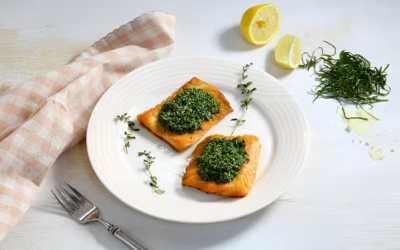
Air Fryer Pesto Salmon: Quick and Flavorful Weeknight Dinner
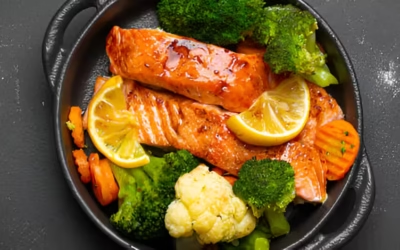
Air Fry Salmon and Broccoli: Quick and Healthy One-Pan Dinner
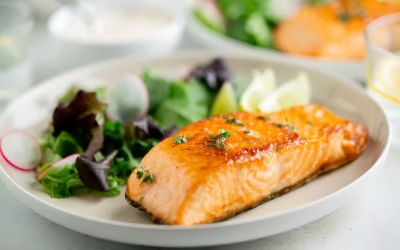
Morey’s Salmon Air Fryer: Perfectly Cooked Frozen Salmon
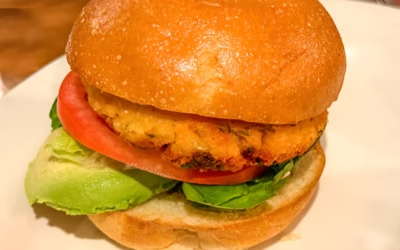
Trader Joe’s Salmon Burger Air Fryer: Quick and Easy Guide
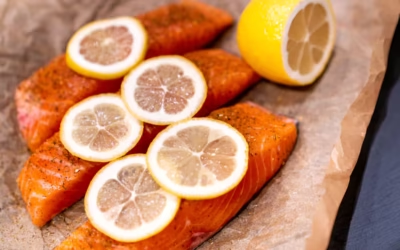
Air Fryer Lemon Pepper Salmon: Quick & Easy Weeknight Dinner
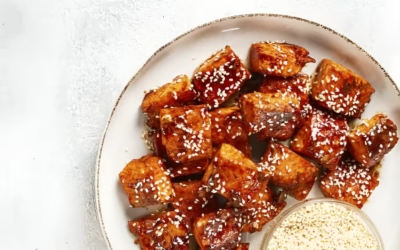
Easy Air Fryer Bang Bang Salmon Bites Recipe
Air Fry Sockeye Salmon: Perfect Wild Alaskan Salmon
Ninja Air Fryer Salmon: Perfect Results in 10 Minutes