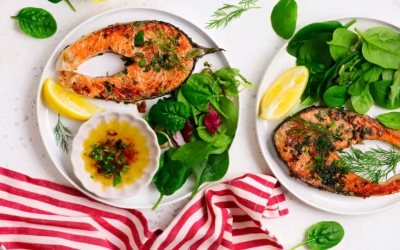
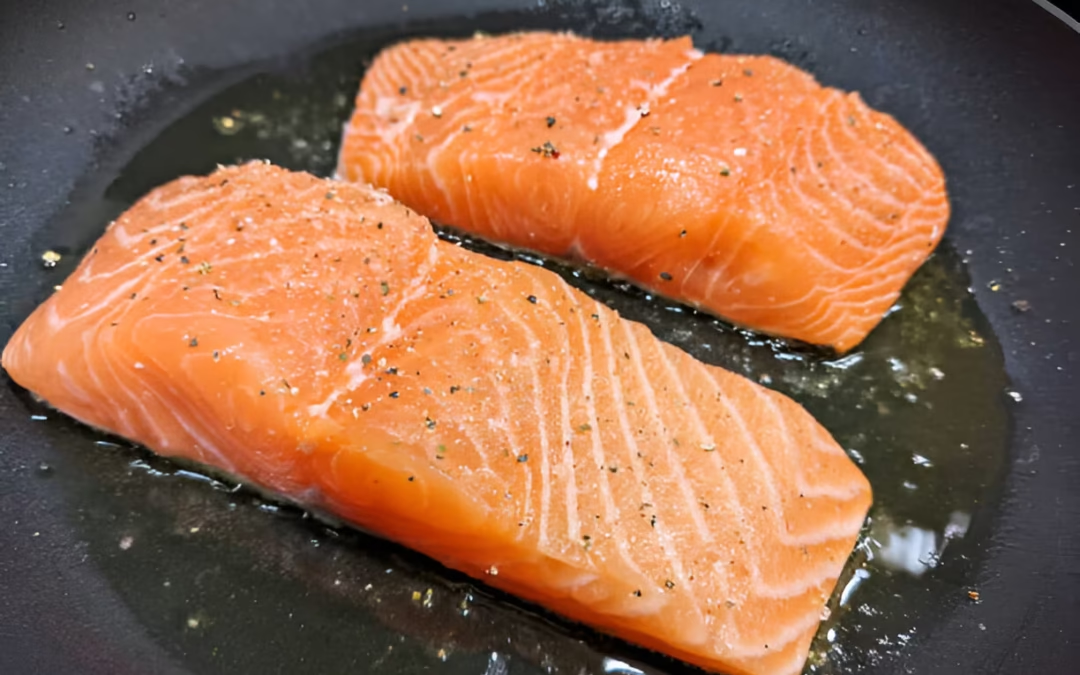
Asian air fryer salmon brings together the best of two culinary worlds: the healthy, quick convenience of air frying and the bold, complex flavors of Asian cuisine. This fusion creates restaurant-quality salmon dishes that are incredibly easy to make at home, require minimal cleanup, and deliver impressive flavor with simple ingredients.
Whether you’re craving sweet teriyaki, savory soy ginger, umami-rich miso, or spicy sriracha glazed salmon, the air fryer makes it all possible in about 12 minutes. Traditional Asian salmon preparations often require grilling, broiling, or pan-searing with significant oil.
The air fryer revolutionizes this process by circulating hot air around the fish, creating beautifully caramelized glazes while keeping the salmon moist and tender inside. The high heat of the air fryer perfectly caramelizes Asian sauces and marinades—think sticky teriyaki, glossy honey soy, or deeply savory miso—without burning or creating mess.
What makes Asian-style salmon particularly special is how the bold flavors transform this already nutritious fish into something absolutely crave-worthy. The combination of sweet, salty, savory, and umami flavors appeals to virtually everyone, including those who typically avoid fish.
Plus, these recipes are incredibly versatile—serve over rice for classic Asian bowls, on salads for lighter meals, in tacos for fusion fun, or as elegant dinner party mains.
Health Benefits of Asian-Inspired Salmon
Asian air fryer salmon isn’t just incredibly delicious—it’s a nutritional powerhouse that aligns perfectly with healthy eating goals:
Exceptional Nutritional Profile
- Omega-3 Rich: Each serving provides 1,500-2,000mg of omega-3 fatty acids, essential for cardiovascular health, brain function, reducing inflammation, and supporting mental wellness.
- High-Quality Protein: At 32-35 grams per serving, salmon provides complete protein with all essential amino acids needed for muscle maintenance and overall health.
- B Vitamin Powerhouse: Exceptionally rich in B12 (over 100% daily value), B6, niacin, and other B vitamins that support energy metabolism and nervous system function.
- Vitamin D Source: One of the few food sources providing 80-90% of daily vitamin D needs, crucial for bone health and immune function.
- Mineral Rich: Contains selenium (antioxidant protection), phosphorus (bone health), and potassium (blood pressure regulation).
Asian Ingredient Benefits
The Asian-inspired ingredients in these recipes add their own health benefits:
- Ginger: Anti-inflammatory properties, aids digestion, may reduce nausea
- Garlic: Supports cardiovascular health, immune boosting, anti-inflammatory
- Soy Sauce: Provides beneficial compounds, adds umami without excessive calories
- Sesame Oil: Contains healthy fats, vitamin E, and antioxidants
- Miso: Probiotic benefits, supports gut health, rich in minerals
- Rice Vinegar: May help regulate blood sugar, aids digestion
Lower Calorie Asian Cooking
Air frying Asian-style salmon uses minimal oil compared to traditional methods, significantly reducing calories while maintaining incredible flavor. Most Asian marinades and glazes rely on flavor-packed ingredients rather than excessive fat, making these dishes naturally lighter while still tasting indulgent. At 280-320 calories per serving (depending on glaze), Asian air fryer salmon fits easily into weight management plans.
Diet-Friendly Options
These recipes adapt to various dietary needs: gluten-free (use tamari or coconut aminos instead of soy sauce), dairy-free (naturally!), paleo-friendly (substitute coconut aminos), keto-adaptable (reduce or eliminate honey/sugar), whole30 compliant (with appropriate substitutions), and perfect for pescatarian and Mediterranean diets.
Essential Asian Ingredients and Pantry Staples
Core Asian Flavor Components
Soy Sauce (Essential)
The foundation of most Asian salmon marinades. Use low-sodium soy sauce to control salt levels. Tamari works for gluten-free needs. Dark soy sauce adds deeper color and slightly sweet flavor. Light soy sauce is saltier and thinner. Store-bought regular soy sauce works perfectly for most recipes.
Fresh Ginger (Highly Recommended)
Provides bright, spicy, slightly sweet flavor that’s irreplaceable. Grate fresh ginger on a microplane for the best texture and maximum flavor. Substitute with ½ teaspoon ground ginger per tablespoon fresh if needed, though fresh is always better. Freeze leftover ginger root and grate directly from frozen when needed.
Garlic (Essential)
Fresh garlic provides the most aromatic, complex flavor. Minced or grated both work well. Garlic powder is acceptable but less impactful (use ½ teaspoon per 2-3 cloves fresh). For honey garlic variations, garlic is the star alongside sweetness.
Honey (Common Sweetener)
Provides natural sweetness and helps create that signature sticky glaze. Also promotes caramelization in the air fryer. Can substitute with maple syrup, agave nectar, or brown sugar. For sugar-free, use monk fruit sweetener or reduce amount.
Sesame Oil (Flavor Booster)
Toasted sesame oil adds distinct nutty, aromatic flavor that’s quintessentially Asian. A little goes a long way—typically ½-1 teaspoon per recipe. Don’t substitute with regular sesame oil (much milder) or other oils (completely different flavor profile).
Rice Vinegar (Balancing Element)
Adds acidity that balances sweet and savory flavors. Rice vinegar is milder than white vinegar or apple cider vinegar. Use unseasoned rice vinegar for most recipes. Can substitute with mirin for slightly sweeter flavor.
Optional But Excellent Additions
- Miso Paste: White (mild and sweet), red (deeper, saltier), or yellow (balanced). Adds incredible umami depth.
- Sriracha or Gochujang: For spicy variations with Korean flair
- Hoisin Sauce: Thick, sweet, savory Chinese sauce perfect for glazing
- Oyster Sauce: Rich, savory, slightly sweet—adds depth
- Fish Sauce: Intense umami flavor—use sparingly
- Five-Spice Powder: Aromatic Chinese spice blend
- Lemongrass: For Thai-inspired variations
- Mirin: Sweet Japanese rice wine for cooking
Garnishes and Finishing Touches
- Sesame Seeds: White or black, toasted for garnish
- Green Onions (Scallions): Sliced thinly, adds freshness
- Cilantro: Fresh herb for Vietnamese or Thai variations
- Lime or Lemon: Citrus wedges for serving
- Red Pepper Flakes: For gentle heat
- Pickled Ginger: Traditional accompaniment
Classic Asian Air Fryer Salmon Recipes
1. Teriyaki Air Fryer Salmon
The most popular Asian salmon preparation features sweet, glossy teriyaki glaze.
Teriyaki Marinade (Serves 4)
- ¼ cup soy sauce
- 3 tablespoons honey or brown sugar
- 2 tablespoons mirin or rice vinegar
- 1 tablespoon sesame oil
- 3 cloves garlic, minced
- 1 tablespoon fresh ginger, grated
- Optional: 1 teaspoon cornstarch for thicker glaze
Instructions:
- Whisk all ingredients together
- Reserve ⅓ of marinade for glazing
- Marinate salmon for 15-30 minutes (or up to 2 hours)
- Air fry at 390°F for 8-10 minutes
- Brush with reserved marinade at 6-minute mark
- Garnish with sesame seeds and green onions
2. Honey Soy Ginger Salmon
Sweet and savory with prominent ginger flavor—incredibly popular and easy.
Honey Soy Marinade (Serves 4)
- 3 tablespoons honey
- 3 tablespoons soy sauce
- 2 tablespoons fresh ginger, grated
- 2 cloves garlic, minced
- 1 teaspoon sesame oil
- 1 teaspoon rice vinegar
- Pinch of red pepper flakes (optional)
Instructions:
- Combine all marinade ingredients
- Coat salmon fillets generously
- Let sit for 10 minutes minimum
- Air fry at 380°F for 10-12 minutes
- Apply additional glaze during last 2 minutes
- Top with sesame seeds
3. Miso Glazed Air Fryer Salmon
Restaurant-quality Japanese preparation with deep umami flavor.
Miso Glaze (Serves 4)
- 3 tablespoons white or yellow miso paste
- 2 tablespoons mirin
- 1 tablespoon sake or rice vinegar
- 2 tablespoons honey or maple syrup
- 1 tablespoon soy sauce
- 1 teaspoon sesame oil
- 2 cloves garlic, minced
Instructions:
- Whisk miso paste with liquid ingredients until smooth
- Add honey, soy sauce, sesame oil, and garlic
- Coat salmon and marinate 20-30 minutes
- Air fry at 375°F for 10-12 minutes
- Watch closely—miso can burn easily
- Garnish with green onions and sesame seeds
4. Sesame Ginger Salmon
Nutty sesame flavor with bright ginger—simple and delicious.
Sesame Ginger Marinade (Serves 4)
- 2 tablespoons soy sauce
- 1 tablespoon honey
- 1 tablespoon sesame oil
- 2 tablespoons fresh ginger, grated
- 2 cloves garlic, minced
- 1 tablespoon rice vinegar
- 2 tablespoons sesame seeds (white and black)
Instructions:
- Mix marinade ingredients (except sesame seeds)
- Marinate salmon 15-30 minutes
- Press sesame seeds onto salmon before cooking
- Air fry at 380°F for 10-12 minutes
- Seeds will toast and become fragrant
5. Korean Gochujang Salmon
Spicy, sweet, savory—bold Korean flavors that are addictive.
Gochujang Glaze (Serves 4)
- 2 tablespoons gochujang (Korean chili paste)
- 2 tablespoons honey
- 1 tablespoon soy sauce
- 1 tablespoon sesame oil
- 2 cloves garlic, minced
- 1 teaspoon rice vinegar
- 1 teaspoon fresh ginger, grated
Instructions:
- Whisk all ingredients until smooth
- Coat salmon thoroughly
- Marinate 20 minutes to develop flavors
- Air fry at 375°F for 10-12 minutes
- Serve with kimchi and rice
How to Make Perfect Asian Air Fryer Salmon
General Preparation Steps
Step 1: Choose Your Salmon (2 minutes)
Select fresh salmon fillets, skin-on or skinless (both work). Choose 4-6 oz fillets about 1-1.5 inches thick for best results. Wild-caught Alaskan salmon offers superior flavor, while farm-raised Atlantic is more budget-friendly. Pat salmon completely dry with paper towels—crucial for marinade adhesion and caramelization.
Step 2: Prepare Your Marinade (3 minutes)
Choose your preferred Asian marinade style. Whisk all ingredients together in a bowl until well combined and smooth. Taste and adjust—add more honey for sweetness, soy sauce for saltiness, or vinegar for tang. Reserve ⅓ of the marinade in a separate bowl for glazing during and after cooking.
Step 3: Marinate the Salmon (10-120 minutes)
Place salmon in a shallow dish or resealable bag. Pour marinade over salmon, ensuring all surfaces are coated. For quick meals, marinate 10-15 minutes at room temperature. For maximum flavor, marinate 30 minutes to 2 hours in the refrigerator. Don’t exceed 2 hours as the acid in marinades can start “cooking” the fish.
Step 4: Preheat Air Fryer (3-5 minutes)
Set air fryer to 375-390°F depending on your recipe. Preheat for 3-5 minutes—essential for proper caramelization of Asian glazes. A properly preheated air fryer creates immediate searing, locking in moisture while developing that beautiful caramelized exterior.
Step 5: Prepare for Air Frying (2 minutes)
Spray air fryer basket generously with cooking oil to prevent sticking. Remove salmon from marinade, letting excess drip off. Place salmon skin-side down (if using skin-on) in the basket in a single layer. Leave space between fillets—don’t let them touch. Lightly spray tops of salmon with oil.
Step 6: Air Fry First Stage (6-8 minutes)
Cook at specified temperature without opening the air fryer. The salmon should be about 70-80% cooked through. Asian glazes begin caramelizing and developing deep color. Don’t flip—salmon cooks perfectly from one side with circulating air.
Step 7: Apply Final Glaze (1 minute)
Carefully open air fryer and brush reserved marinade over salmon. This creates layers of flavor and that gorgeous glossy finish. Sprinkle with sesame seeds or other garnishes at this point if desired.
Step 8: Finish Cooking (2-4 minutes)
Return to air fryer for final 2-4 minutes until glaze is caramelized and salmon reaches desired doneness. Total cooking time: 8-12 minutes depending on thickness. Watch closely during final minutes—Asian glazes with sugar can burn quickly.
Step 9: Rest and Serve (2-3 minutes)
Let salmon rest for 2-3 minutes after cooking. This allows the glaze to set slightly and juices to redistribute. Garnish with sliced green onions, sesame seeds, cilantro, or lime wedges. Serve immediately for best texture and flavor.
Expert Tips for Asian-Style Salmon Success
Achieving Perfect Glaze Caramelization
- Pat salmon completely dry: Moisture prevents glaze adhesion and caramelization
- Reserve marinade for finishing: Apply fresh glaze near the end prevents burning while building flavor
- Don’t use all marinade at start: Too much liquid can prevent proper browning
- Watch the final minutes: Asian glazes with honey/sugar burn quickly—check frequently
- Higher heat works better: 380-390°F caramelizes glazes beautifully without overcooking fish
- Use cornstarch for thicker glaze: Mix ½ teaspoon cornstarch into marinade for restaurant-style thick coating
Balancing Asian Flavors
- Sweet and salty balance: Taste marinade before using—adjust honey or soy sauce as needed
- Acid brightens everything: Don’t skip rice vinegar or citrus—essential for balance
- Fresh vs. dried: Always use fresh ginger and garlic for authentic Asian flavor
- Umami depth matters: Miso, oyster sauce, or fish sauce adds complexity
- Heat level: Start with less sriracha or gochujang—you can always add more
- Sesame oil goes far: A little toasted sesame oil provides huge flavor—don’t overdo it
Marinating Guidelines
- Minimum time: 10 minutes allows flavors to penetrate surface
- Ideal time: 30 minutes to 1 hour develops deep flavor
- Maximum time: Don’t exceed 2 hours or acid starts “cooking” the fish
- Room temp vs. refrigerated: Quick marinades can be done at room temp; longer ones should be refrigerated
- Use non-reactive containers: Glass or plastic bowls/bags, not metal
Temperature and Timing Precision
- 380-390°F is the sweet spot: Hot enough to caramelize, not so hot it burns
- Thin fillets (1 inch): 8-10 minutes total
- Medium fillets (1.5 inches): 10-12 minutes total
- Thick fillets (2 inches): 12-14 minutes total
- Check at minimum time: You can always cook longer, can’t uncook
- Internal temperature: 145°F for food safety, 130-135°F for medium-rare
Preventing Common Issues
- Glaze burning: Apply final coat near end, reduce temperature to 370°F if needed
- Dry salmon: Don’t overcook—check at minimum time, use fattier salmon
- Weak flavor: Marinate longer, use fresh aromatics, don’t dilute marinade
- Sticking: Oil the basket generously, don’t skip oil spray on salmon
- Uneven cooking: Use similar-sized fillets, don’t overcrowd basket
Serving Suggestions for Asian Salmon
Classic Asian Rice Bowls
The most popular way to serve Asian air fryer salmon is over rice bowls. Layer warm jasmine rice, brown rice, or sushi rice as the base. Add your choice of vegetables: edamame, cucumber slices, shredded carrots, avocado, pickled ginger, seaweed salad, or sautéed bok choy. Place the glazed salmon on top and drizzle with extra sauce or sriracha mayo. Garnish generously with sesame seeds, sliced green onions, and fresh cilantro. This presentation is beautiful, satisfying, and perfect for meal prep.
Asian-Inspired Salads
Serve warm Asian-glazed salmon over fresh salad greens for lighter meals. Try mixed greens with mandarin oranges and sesame ginger dressing, napa cabbage slaw with peanut dressing, spinach with strawberries and Asian vinaigrette, or romaine with crispy wonton strips and miso dressing. The warm, caramelized salmon contrasts beautifully with cool, crisp vegetables.
Noodle Dishes
Pair Asian salmon with various noodles for complete meals. Serve over soba noodles with soy-sesame dressing, udon noodles in miso broth, rice noodles with vegetables, ramen (skip the packet, use salmon and glaze), or cold sesame noodles. Break salmon into chunks and toss with noodles, or serve whole fillet on top.
Fusion Tacos
Create Asian-fusion tacos by breaking teriyaki or gochujang salmon into pieces and serving in corn or flour tortillas. Top with Asian slaw (cabbage, carrots, cilantro with rice vinegar dressing), pickled vegetables, sriracha mayo, avocado, and fresh lime. These unexpected tacos are always a hit at casual dinners.
Bento Box Style
Arrange Asian salmon in compartmentalized containers with rice, steamed edamame, pickled vegetables, cucumber salad, and fruit for authentic bento-style presentation. Perfect for lunches or light dinners. The variety keeps meals interesting while providing balanced nutrition.
Elegant Dinner Plate
For special occasions, serve Asian-glazed salmon over creamy miso risotto or coconut rice, with sides of grilled baby bok choy, sautéed snap peas, or sesame green beans. Drizzle plate with reduced glaze and garnish with microgreens. Restaurant-quality presentation at home.
Side Dishes That Complement Asian Salmon
Rice and Grain Sides
- Jasmine Rice: Fragrant, fluffy, perfect for absorbing glazes
- Sticky Rice: Authentic Asian texture
- Fried Rice: Vegetable or egg fried rice for complete meal
- Coconut Rice: Sweet, tropical flavor pairs well
- Brown Rice: Healthier whole grain option
- Quinoa: Protein-packed alternative to rice
- Forbidden Black Rice: Nutty, dramatic presentation
Vegetable Sides
- Stir-Fried Bok Choy: With garlic and ginger
- Sesame Green Beans: Blanched and tossed with sesame
- Sautéed Snap Peas: Quick and crunchy
- Grilled Asparagus: With soy glaze
- Garlic Broccolini: Simply prepared
- Steamed Edamame: Lightly salted
- Roasted Brussels Sprouts: With miso butter
Asian Salads and Slaws
- Asian Cucumber Salad: With rice vinegar and sesame
- Seaweed Salad: Traditional Japanese side
- Cabbage Slaw: With ginger sesame dressing
- Pickled Vegetables: Daikon, carrots, cucumber
- Sunomono (Cucumber Vinegar Salad): Light and refreshing
Noodle Sides
- Sesame Noodles: Cold or warm
- Garlic Noodles: Buttery and aromatic
- Soba Noodle Salad: With vegetables
- Pad Thai: For fusion approach
Appetizers and Accompaniments
- Miso Soup: Classic Japanese starter
- Spring Rolls: Fresh or fried
- Gyoza (Dumplings): Steamed or pan-fried
- Kimchi: Traditional Korean fermented vegetables
- Pickled Ginger: Palate cleanser
- Wasabi and Soy Sauce: For dipping
Meal Prep with Asian Air Fryer Salmon
Weekly Meal Prep Strategy
Sunday Batch Cooking
- Prepare 2-3 different Asian marinades
- Divide 2 pounds salmon into portions
- Marinate each portion in different flavors
- Cook all salmon in air fryer (in batches)
- Prepare rice and vegetables for the week
- Portion into containers with different combinations
Sample Weekly Menu
- Monday: Teriyaki salmon bowl with jasmine rice and edamame
- Tuesday: Miso salmon over soba noodles with bok choy
- Wednesday: Honey soy salmon salad with Asian vinaigrette
- Thursday: Korean gochujang salmon tacos with kimchi slaw
- Friday: Sesame ginger salmon with fried rice and vegetables
Make-Ahead Components
- Marinades: Make in advance, store 1 week in refrigerator
- Rice: Cook large batch, refrigerate 4-5 days
- Vegetables: Prep and store separately, cook fresh or use pre-cooked
- Sauces: Extra glaze keeps 1 week for drizzling
- Garnishes: Slice green onions, toast sesame seeds in advance
Storage Guidelines
- Cooked salmon: 3-4 days refrigerated in airtight containers
- Marinated raw salmon: Cook within 24 hours
- Frozen cooked salmon: Up to 2 months, thaw in refrigerator
- Separate components: Store salmon, rice, and vegetables separately for best texture
Reheating for Best Results
- Air fryer (best): 350°F for 3-4 minutes
- Oven: 300°F for 8-10 minutes, covered
- Stovetop: Quick sear in pan with a bit of oil
- Microwave (acceptable): 50% power, 1-2 minutes
Nutritional Information
Per Serving (5 oz salmon with glaze)
- Calories: 280-320 (varies by glaze sweetness)
- Protein: 32-35g
- Total Fat: 12-15g
- Saturated Fat: 2-3g
- Omega-3 Fatty Acids: 1,500-2,000mg
- Carbohydrates: 12-18g (from glaze)
- Fiber: 0-1g
- Sugar: 10-15g (mostly from honey/sweeteners)
- Cholesterol: 90-95mg
- Sodium: 600-800mg (varies by soy sauce amount)
Key Nutrients
- Vitamin B12: 110-120% Daily Value
- Vitamin D: 85-95% Daily Value
- Selenium: 70-80% Daily Value
- Niacin (B3): 55-65% Daily Value
- Vitamin B6: 45-50% Daily Value
- Phosphorus: 30-35% Daily Value
Lower Sugar Options
To reduce sugar and carbohydrates while maintaining Asian flavors:
- Reduce honey to 1 tablespoon (saves 45 calories, 12g sugar)
- Use sugar-free sweetener alternatives
- Increase garlic and ginger for more flavor without sugar
- Add more rice vinegar for tang without sweetness
- Focus on miso or soy-based marinades rather than teriyaki
Note: Nutritional values vary based on specific marinade ingredients, salmon type (wild vs. farmed), and portion size. Serving with rice adds approximately 200-250 calories per cup.
Frequently Asked Questions
What’s the best Asian marinade for salmon?
The “best” depends on personal preference, but the most popular is honey soy ginger for its perfect balance of sweet, salty, and aromatic flavors. Teriyaki is a close second for its classic appeal and sticky glaze. Miso glazed offers sophisticated, restaurant-quality flavor. For spicy lovers, Korean gochujang or sriracha-based marinades are fantastic. All work beautifully in the air fryer.
How long should I marinate salmon for Asian recipes?
Minimum 10-15 minutes allows surface flavor penetration. Ideal marinating time is 30 minutes to 1 hour for deep flavor development. Maximum 2 hours—longer causes the acid in marinades to start “cooking” the fish, affecting texture. For quick weeknight meals, even 10 minutes makes a significant difference. Always marinate in the refrigerator if exceeding 20 minutes.
Can I use frozen salmon for Asian air fryer recipes?
Yes, but thaw it completely first. Thaw frozen salmon overnight in the refrigerator or use the cold water method (submerge sealed salmon in cold water for 30-60 minutes, changing water every 30 minutes). Pat thawed salmon very dry before marinating—excess moisture prevents glaze adhesion and proper caramelization. Never cook salmon from frozen for these recipes as glazes won’t adhere or caramelize properly.
What temperature is best for Asian-glazed salmon in the air fryer?
The optimal temperature is 380-390°F. This range allows Asian glazes with honey or sugar to caramelize beautifully without burning, while cooking the salmon through perfectly in 10-12 minutes. Lower temperatures (below 370°F) won’t caramelize glazes properly. Higher temperatures (above 400°F) risk burning the sweet glaze before the salmon cooks through.
Why is my Asian glaze burning in the air fryer?
Glazes burn when: temperature is too high (reduce to 370-375°F), too much glaze applied at the start (reserve half for the final 2 minutes), marinade has too much sugar (reduce honey slightly), or cooking time is too long. To prevent burning, apply final glaze coating during the last 2-3 minutes of cooking, watch closely during final minutes, and reduce temperature if needed.
Can I make Asian salmon without soy sauce?
Yes! For soy-free Asian salmon, use coconut aminos (tastes similar, soy-free and gluten-free), tamari (gluten-free soy sauce), liquid aminos, or create a soy-free marinade with miso paste, rice vinegar, ginger, garlic, and honey. You can also use oyster sauce or hoisin sauce as flavor bases, though these often contain soy—check labels if avoiding soy entirely.
How do I make Asian salmon less salty?
To reduce sodium: use low-sodium soy sauce or coconut aminos, reduce soy sauce amount by half and add water or rice vinegar, increase honey and ginger to balance flavors, avoid adding extra salt to marinades, or rinse salmon lightly after marinating (reduces flavor slightly but cuts sodium significantly). Most excess salt comes from soy sauce, so controlling this ingredient is key.
What goes well with teriyaki salmon?
Teriyaki salmon pairs perfectly with: steamed jasmine or sticky rice, stir-fried vegetables (broccoli, snap peas, bok choy), Asian cucumber salad, edamame, sesame green beans, fried rice, miso soup, seaweed salad, or pickled ginger. For complete meals, serve over rice bowls with vegetables, avocado, and sesame seeds. The sweet-savory glaze complements both mild and bold sides.
Can I meal prep Asian air fryer salmon?
Absolutely! Asian salmon is excellent for meal prep. Cook 2-3 pounds on Sunday using different marinades for variety. Store in airtight containers with rice and vegetables for grab-and-go meals. Cooked salmon keeps 3-4 days refrigerated. Reheat in air fryer at 350°F for 3-4 minutes to restore crispiness. The flavors actually improve overnight as the glaze penetrates the fish.
Is Asian-style salmon healthy?
Yes, very healthy! Salmon provides excellent omega-3s, protein, B vitamins, and vitamin D. Asian marinades add beneficial ingredients like ginger (anti-inflammatory), garlic (heart health), and miso (probiotics). Air frying uses minimal oil compared to traditional methods. The main consideration is sodium from soy sauce and sugar from honey—use low-sodium soy sauce and reduce sweeteners if watching these nutrients. Overall, it’s a nutritious, balanced meal option.
What’s the difference between teriyaki and honey soy salmon?
Teriyaki is a traditional Japanese glaze with soy sauce, mirin (sweet rice wine), sake, and sugar—typically thicker and more molasses-like in consistency. Honey soy uses honey as the primary sweetener with soy sauce, ginger, and garlic—generally brighter and lighter in flavor. Both are sweet-savory, but teriyaki is more traditional and complex, while honey soy is simpler and more accessible. Both work excellently in the air fryer.
Can I use the marinade as a sauce after cooking?
Only if you reserve clean marinade before it touches raw salmon, or if you boil used marinade for at least 3-5 minutes to kill bacteria. The safest approach: reserve ⅓ of the marinade in a clean bowl before adding salmon. Use the reserved portion for glazing during cooking and drizzling after. Never use marinade that touched raw salmon without boiling it first—food safety risk.
Troubleshooting Asian Air Fryer Salmon
Problem: Glaze Is Too Thin and Runny
Solutions:
- Add ½ teaspoon cornstarch to marinade and whisk well
- Reduce marinade in a saucepan over medium heat until thickened
- Use less liquid (rice vinegar, soy sauce) in recipe
- Add more honey for thicker consistency
- Apply multiple thin coats instead of one thick coat
Problem: Salmon Is Dry and Overcooked
Solutions:
- Reduce cooking time by 2 minutes
- Check doneness at 8 minutes instead of 10
- Use fattier salmon (King or Atlantic farm-raised)
- Lower temperature to 370°F
- Don’t marinate longer than 2 hours
- Add more oil to marinade for moisture
Problem: Flavors Are Too Weak
Solutions:
- Marinate longer (30 minutes to 1 hour minimum)
- Use fresh ginger and garlic instead of dried
- Increase soy sauce or miso paste
- Add umami boosters (fish sauce, oyster sauce)
- Apply glaze in multiple layers during cooking
- Let marinade come to room temperature before using
Problem: Glaze Won’t Stick to Salmon
Solutions:
- Pat salmon completely dry before marinating
- Let salmon sit at room temperature 10 minutes after marinating
- Add cornstarch to thicken glaze for better adhesion
- Score salmon lightly to create texture for glaze to grip
- Reduce liquid ingredients in marinade
- Apply glaze with a brush rather than pouring
Problem: Too Salty
Solutions:
- Switch to low-sodium soy sauce
- Reduce soy sauce by half, replace with water or rice vinegar
- Increase honey to balance saltiness
- Rinse salmon lightly after marinating
- Use coconut aminos instead of soy sauce
- Serve with plain rice to dilute saltiness
Problem: Not Sweet Enough
Solutions:
- Increase honey by 1 tablespoon
- Add brown sugar (1-2 tablespoons)
- Use sweet mirin instead of rice vinegar
- Reduce soy sauce to allow sweetness to shine
- Brush extra honey on during final minutes
Regional Asian Salmon Variations
Japanese-Style Variations
- Miso Butter Salmon: Miso paste with butter, mirin, and sake
- Teriyaki Glazed: Classic soy-mirin-sake-sugar combination
- Yuzu Miso Salmon: Miso with Japanese citrus (yuzu or substitute with lime)
- Sake-Glazed Salmon: Simple sake, soy, and ginger marinade
Korean-Style Variations
- Gochujang Glazed: Spicy-sweet Korean chili paste
- Korean BBQ Salmon: Gochugaru, soy, sesame, garlic
- Doenjang Salmon: Korean soybean paste (similar to miso but stronger)
Chinese-Style Variations
- Hoisin Glazed Salmon: Sweet, thick Chinese barbecue sauce
- Five-Spice Salmon: Chinese five-spice powder with soy and honey
- Oyster Sauce Salmon: Savory-sweet with depth
- Black Bean Salmon: Fermented black beans with garlic
Thai-Style Variations
- Thai Chili Lime Salmon: Sweet chili sauce, lime, fish sauce
- Lemongrass Salmon: Fresh lemongrass, lime, Thai basil
- Peanut Glazed Salmon: Peanut butter, soy, lime, sriracha
- Thai Red Curry Salmon: Red curry paste with coconut
Vietnamese-Style Variations
- Lemongrass Ginger Salmon: Fresh lemongrass and ginger with fish sauce
- Caramelized Fish Sauce Salmon: Nuoc mam with sugar and garlic
Final Thoughts on Asian Air Fryer Salmon
Asian air fryer salmon represents the perfect marriage of bold, exciting flavors and modern cooking convenience. These recipes transform simple salmon fillets into restaurant-quality meals that rival your favorite Asian restaurants—all in just 12 minutes with minimal cleanup. From classic teriyaki to sophisticated miso glazed, spicy Korean gochujang to sweet honey soy ginger, the flavor possibilities are virtually endless.
What makes Asian-style salmon particularly special is how these marinades and glazes enhance rather than mask the natural flavor of the fish. The sweet, salty, savory, and umami components create complex flavor profiles that appeal to virtually everyone, including those who typically avoid seafood. The air fryer’s high heat perfectly caramelizes Asian glazes while keeping the salmon moist and tender—achieving results that used to require grilling or broiling with far more effort.
From a health perspective, Asian air fryer salmon checks all the boxes. You get all the nutritional benefits of salmon—omega-3s, protein, B vitamins, vitamin D—enhanced by beneficial Asian ingredients like ginger, garlic, and miso. Air frying uses minimal oil while delivering maximum flavor and texture. Most Asian marinades rely on flavor-packed ingredients rather than excessive fat, making these dishes naturally lighter while tasting indulgent.
The versatility of Asian salmon cannot be overstated. Serve it over rice bowls for classic Asian meals, on salads for lighter options, with noodles for comfort food, in tacos for fusion fun, or as elegant dinner party mains. The same basic techniques adapt to countless flavor variations spanning Japanese, Korean, Chinese, Thai, and Vietnamese cuisines. You could literally make Asian salmon every week for months without repetition.
From a practical standpoint, these recipes are perfect for busy lives. Marinate salmon in the morning (or use the quick 10-minute method), air fry when you get home, and dinner is ready in about 12 minutes. Make big batches for meal prep, enjoying different Asian flavors throughout the week. The recipes are beginner-friendly with simple ingredients available at most grocery stores, forgiving techniques, and consistently delicious results.
Remember the keys to success: use fresh ginger and garlic for authentic flavor, balance sweet and salty components, reserve marinade for glazing during final minutes, watch closely to prevent burning, and don’t overcook the salmon. Master these basics and you’ll make restaurant-quality Asian salmon at home whenever the craving strikes.
Whether you’re a longtime fan of Asian cuisine or just discovering these incredible flavor combinations, Asian air fryer salmon will become a staple in your dinner rotation. The bold flavors, healthy nutrition, quick preparation, and impressive presentation make it the ultimate weeknight dinner that feels special enough for company.
So stock your pantry with soy sauce, honey, fresh ginger, and garlic. Fire up that air fryer and get ready to make Asian-inspired salmon that’s so good, you’ll wonder why you ever ordered takeout!
You May Also Like
Air Fryer Pesto Salmon: Quick and Flavorful Weeknight Dinner
Air Fry Salmon and Broccoli: Quick and Healthy One-Pan Dinner
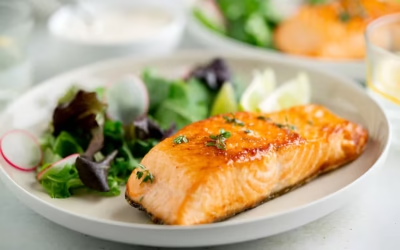
Morey’s Salmon Air Fryer: Perfectly Cooked Frozen Salmon
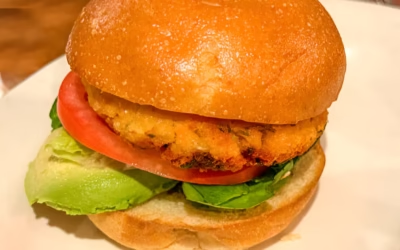
Trader Joe’s Salmon Burger Air Fryer: Quick and Easy Guide
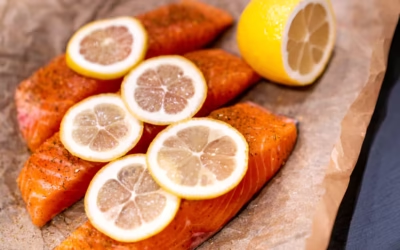
Air Fryer Lemon Pepper Salmon: Quick & Easy Weeknight Dinner
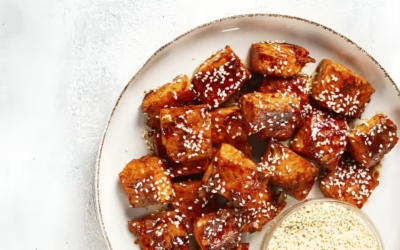
Easy Air Fryer Bang Bang Salmon Bites Recipe
Air Fry Sockeye Salmon: Perfect Wild Alaskan Salmon
Ninja Air Fryer Salmon: Perfect Results in 10 Minutes