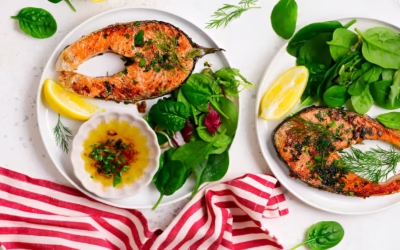
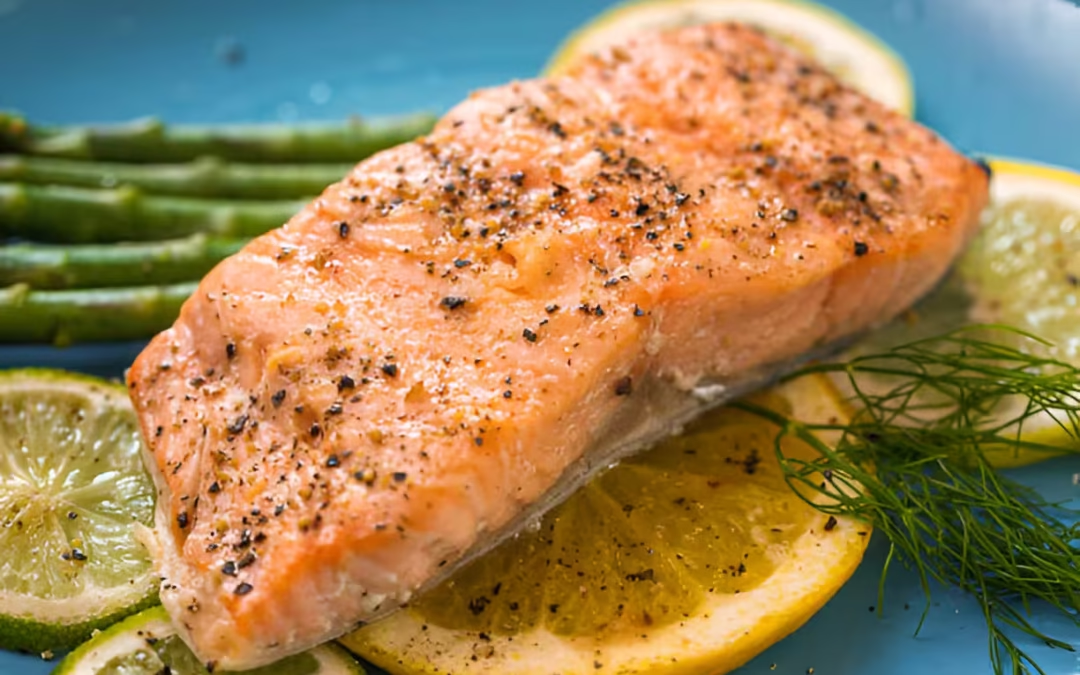
Discovering you can cook air fryer frozen salmon fillet directly from the freezer is a total game-changer for busy weeknights. No more forgetting to thaw fish in the morning or waiting hours for it to defrost. With the right technique, you can go from frozen salmon to a perfectly cooked, restaurant-quality meal in under 20 minutes.
This comprehensive guide will teach you everything you need to know about cooking frozen salmon fillets in air fryer, including cooking times, temperatures, seasoning options, and expert tips to ensure your fish turns out tender, flaky, and delicious every single time.
Can You Really Cook Frozen Salmon in an Air Fryer?
The Short Answer: Absolutely!
Yes, you can cook frozen salmon in air fryer without thawing, and the results are exceptional. The air fryer’s rapid hot air circulation cooks frozen fish evenly while creating a beautifully caramelized exterior. This method is not only convenient but often produces better results than cooking thawed salmon, as the frozen center helps prevent overcooking.
Why Air Fryer is Perfect for Frozen Salmon
Quick cooking time:
- 12-15 minutes from frozen to fully cooked
- No thawing required
- Faster than oven baking
Even cooking:
- Circulating hot air reaches all surfaces
- Consistent results every time
- No need to flip
Moisture retention:
- Frozen center prevents drying out
- Creates tender, flaky texture
- Locks in natural juices
Minimal cleanup:
- One basket to wash
- No splattering oil
- Less mess than stovetop cooking
Step-by-Step Guide: Cooking Frozen Salmon Fillet in Air Fryer
Method 1: The Quick Season Method (15 Minutes)
This is the fastest way to cook air fryer frozen salmon fillet when you’re short on time.
What you’ll need:
- Frozen salmon fillets (6 oz each)
- Olive oil spray
- Salt and pepper
- Optional: garlic powder, paprika, lemon pepper
Instructions:
- Preheat air fryer to 390°F (200°C) for 3-5 minutes
- Prepare the basket: Spray with olive oil or use air fryer parchment paper with holes
- Place frozen salmon directly in the basket, skin-side down if applicable. Leave space between fillets for air circulation
- Initial cook: Air fry at 390°F for 7 minutes (this allows the surface to thaw slightly)
- Season: Open the air fryer, brush the tops with olive oil, and season with salt, pepper, and any additional spices
- Continue cooking: Air fry for an additional 5-8 minutes until the internal temperature reaches 145°F
- Rest: Let the salmon rest for 2-3 minutes before serving
Total time: 15 minutes Temperature: 390°F (200°C) Result: Perfectly cooked, seasoned salmon
Method 2: The Glazed Frozen Salmon Method (18 Minutes)
This method produces glazed frozen salmon with caramelized edges and bold flavor.
Ingredients:
- 4 frozen salmon fillets (6 oz each)
- 3 tablespoons maple syrup or honey
- 3 tablespoons soy sauce
- 1 tablespoon sriracha (optional)
- 1 clove garlic, minced
- 1 teaspoon sesame oil
Instructions:
- Preheat air fryer to 390°F (200°C)
- Prepare glaze: Mix maple syrup, soy sauce, sriracha, garlic, and sesame oil in a small bowl
- Initial cook: Place frozen salmon in the basket and air fry at 390°F for 7 minutes
- Apply glaze: Brush half of the glaze over the partially thawed salmon
- Continue cooking: Air fry for 6 minutes more
- Final glaze: Brush with remaining glaze and cook for 2-3 minutes until caramelized
- Reduce remaining glaze (if any) in a saucepan for extra drizzle
Total time: 18 minutes Temperature: 390°F (200°C) Result: Sweet and savory glazed salmon with caramelized edges
Method 3: The Marinated Frozen Salmon Approach (Advance Prep)
For maximum flavor, thaw in marinade overnight.
Process:
- Evening before: Place frozen salmon in a zip-top bag with your favorite marinade (see marinade recipes below)
- Refrigerate overnight: Salmon thaws while absorbing flavors
- Next day: Cook following standard air fryer salmon instructions (7-8 minutes at 400°F)
Best marinades for this method:
- Soy garlic marinade (soy sauce, Dijon mustard, brown sugar, garlic)
- Maple soy glaze (maple syrup, soy sauce, garlic, ginger)
- Honey sesame (honey, soy sauce, rice vinegar, sesame oil, ginger)
Essential Temperature and Timing Guidelines
Cooking Temperature Chart
| Salmon Type | Temperature | Time | Internal Temp |
|---|---|---|---|
| Frozen fillet (1 inch thick) | 390°F (200°C) | 12-15 min | 145°F |
| Frozen fillet (1.5 inch thick) | 390°F (200°C) | 15-18 min | 145°F |
| Frozen salmon bites | 390°F (200°C) | 10-12 min | 145°F |
| Thawed fillet | 400°F (200°C) | 7-8 min | 145°F |
How to Check Doneness
Visual cues:
- Color changes from translucent to opaque pink
- Fish flakes easily with a fork
- Slight translucency in the center is okay (medium doneness)
Temperature check:
- Insert thermometer into thickest part
- USDA recommends 145°F for food safety
- Many prefer 140°F for medium-rare
Texture test:
- Gently press with fork
- Should separate into flakes
- Shouldn’t be mushy or dry
Best Seasonings and Flavor Combinations for Frozen Salmon
Simple Seasonings (No Thawing Required)
Classic Lemon Pepper:
- 1 teaspoon lemon pepper seasoning
- ½ teaspoon garlic powder
- ½ teaspoon salt
- Fresh lemon wedges for serving
Cajun Spice:
- 1 teaspoon Cajun seasoning
- ½ teaspoon smoked paprika
- ¼ teaspoon garlic powder
- Pinch of cayenne (optional)
Everything Bagel:
- 2 teaspoons everything bagel seasoning
- Brush with butter or olive oil before seasoning
Italian Herb:
- 1 teaspoon Italian seasoning
- ½ teaspoon garlic powder
- ½ teaspoon onion powder
- Fresh parsley for garnish
Quick Glazes (Applied During Cooking)
Teriyaki Glaze:
- 3 tablespoons teriyaki sauce
- 1 tablespoon honey
- 1 teaspoon sesame seeds
Honey Garlic:
- 2 tablespoons honey
- 2 tablespoons melted butter
- 2 cloves garlic, minced
- 1 tablespoon soy sauce
Dijon Maple:
- 2 tablespoons maple syrup
- 1 tablespoon Dijon mustard
- 1 teaspoon olive oil
- ½ teaspoon black pepper
Spicy Asian:
- 2 tablespoons soy sauce
- 1 tablespoon honey
- 1 tablespoon sriracha
- 1 teaspoon rice vinegar
- ½ teaspoon grated ginger
Expert Tips for Perfect Frozen Salmon Every Time
Before Cooking
Choose quality frozen salmon:
- Look for individually wrapped fillets
- Avoid freezer burn (white, dry spots)
- Wild-caught or sustainably farmed
- Flash-frozen at peak freshness
Storage matters:
- Keep frozen at 0°F or below
- Use within 3 months for best quality
- Store in original packaging or vacuum-sealed bags
Don’t remove from package too early:
- Take out just before cooking
- Prevents surface moisture buildup
- Maintains better texture
During Cooking
Preheat your air fryer:
- 3-5 minutes at cooking temperature
- Ensures even cooking from the start
- Reduces total cooking time
Use oil or parchment:
- Spray basket with oil to prevent sticking
- Air fryer parchment paper works great
- Avoid regular parchment (fire hazard without holes)
Space fillets properly:
- Don’t overlap or stack
- Leave at least ½ inch between pieces
- Cook in batches if necessary
Monitor cooking progress:
- Check at 12 minutes for thin fillets
- Check at 15 minutes for thick fillets
- Add 2-3 minutes if needed
Apply seasonings strategically:
- Season after 6-7 minutes when surface has thawed
- Seasonings stick better to slightly thawed surface
- Glazes caramelize beautifully in final minutes
After Cooking
Let it rest:
- 2-3 minutes before serving
- Allows juices to redistribute
- Prevents flaking apart when plating
Remove skin easily:
- Slides right off after cooking
- Use fork to separate if needed
- Save for crispy salmon skin chips
Common Mistakes to Avoid
Mistake 1: Not Preheating the Air Fryer
Problem: Uneven cooking, longer cook time Solution: Always preheat for 3-5 minutes
Mistake 2: Seasoning Too Early
Problem: Seasonings don’t stick to frozen surface Solution: Wait 6-7 minutes until surface thaws, then season
Mistake 3: Overcrowding the Basket
Problem: Steaming instead of air frying, soggy salmon Solution: Cook in batches, leave space between fillets
Mistake 4: Not Checking Internal Temperature
Problem: Undercooked or overcooked salmon Solution: Use instant-read thermometer, aim for 145°F
Mistake 5: Cooking at Wrong Temperature
Problem: Too hot = burnt outside, frozen inside; too low = rubbery texture Solution: Stick to 390-400°F for frozen salmon
Mistake 6: Skipping the Oil
Problem: Salmon sticks to basket, difficult cleanup Solution: Always spray basket or use parchment paper
Frozen Salmon Safety and Quality Guidelines
Food Safety Basics
Safe internal temperature:
- USDA recommends 145°F
- Most restaurants serve at 140°F (medium-rare)
- Choose based on personal preference
Handling frozen fish:
- Don’t refreeze thawed salmon
- Cook within 1-2 days once thawed
- Keep frozen until ready to cook
Cross-contamination prevention:
- Use separate cutting boards
- Wash hands after handling
- Clean air fryer basket between batches
Quality Indicators
Good quality frozen salmon:
- Firm texture, not mushy
- Vibrant pink/orange color
- No strong fishy odor
- Ice crystals minimal
- No freezer burn
Signs to discard:
- Strong ammonia smell
- Slimy texture after thawing
- Gray or brown discoloration
- Excessive freezer burn
- Past expiration date
Serving Suggestions for Air Fryer Frozen Salmon
Complete Meal Ideas
Asian-Inspired Salmon Bowl:
- Jasmine or brown rice
- Air fryer frozen salmon fillet with teriyaki glaze
- Edamame beans
- Cucumber slices
- Shredded carrots
- Avocado
- Sesame seeds
- Sriracha mayo drizzle
Mediterranean Plate:
- Quinoa or couscous
- Lemon pepper salmon
- Roasted vegetables (asparagus, bell peppers, zucchini)
- Cherry tomatoes
- Feta cheese
- Kalamata olives
- Tzatziki sauce
Low-Carb Keto Option:
- Cauliflower rice
- Cajun-spiced salmon
- Sautéed spinach
- Roasted Brussels sprouts
- Garlic butter sauce
- Lemon wedges
Salmon Tacos:
- Warm corn or flour tortillas
- Flaked air fryer salmon
- Purple cabbage slaw
- Mango salsa
- Cilantro lime crema
- Fresh lime wedges
Side Dish Pairings
Vegetables:
- Roasted asparagus
- Air fryer Brussels sprouts
- Garlic green beans
- Roasted broccoli
- Cauliflower steaks
- Sautéed bok choy
Starches:
- Jasmine rice
- Brown rice
- Quinoa
- Mashed potatoes (regular or cauliflower)
- Sweet potato fries
- Wild rice pilaf
Salads:
- Mixed green salad
- Caesar salad
- Asian chopped salad
- Arugula salad
- Kale salad with lemon vinaigrette
Nutritional Benefits of Salmon
Protein Powerhouse
High-quality protein:
- 35g protein per 6 oz serving
- Complete amino acid profile
- Supports muscle growth and repair
- Keeps you full longer
Healthy Fats
Omega-3 fatty acids:
- EPA and DHA for heart health
- Reduces inflammation
- Supports brain function
- Improves cholesterol levels
Nutritional profile (6 oz serving):
- Calories: 280-350 (depending on preparation)
- Protein: 35-40g
- Fat: 12-15g (mostly healthy fats)
- Carbs: 0g (plain salmon)
- Omega-3s: 1,500-2,500mg
Additional Nutrients
- Vitamin D: Supports bone health
- Vitamin B12: Energy production
- Selenium: Antioxidant properties
- Potassium: Heart health and blood pressure
Meal Prep with Frozen Salmon
Batch Cooking Strategies
Cook once, eat multiple times:
- Prepare 4-6 fillets on meal prep day
- Cool completely before storing
- Refrigerate in airtight containers
- Reheat individual portions as needed
Portion control:
- Freeze individual fillets separately
- Pull out exactly what you need
- No waste from cooking too much
Variety throughout the week:
- Cook with different seasonings
- Use in various meals (bowls, tacos, salads)
- Prevents meal prep boredom
Storage and Reheating
Storing cooked salmon:
- Refrigerate: 3-4 days in airtight container
- Freeze: Up to 2 months
- Label with date and seasoning used
Best reheating methods:
- Air fryer: 350°F for 3-4 minutes (best texture)
- Oven: 350°F for 8-10 minutes
- Microwave: 30-second intervals (less ideal)
Avoid overheating:
- Target 120-130°F internal temp for reheating
- Prevents drying out
- Maintains tender texture
Budget-Friendly Tips for Buying Frozen Salmon
When to Buy
Best prices:
- Buy in bulk at warehouse stores (Costco, Sam’s Club)
- Watch for sales at grocery stores
- Stock up when prices drop
- Compare price per pound
Seasonal considerations:
- Wild salmon in season (summer) costs less
- Frozen prices more stable year-round
- Buy wild when frozen during peak season
Quality vs. Price
Wild-caught vs. farmed:
- Wild: Higher omega-3s, firmer texture, more expensive
- Farmed: Milder flavor, fattier, more affordable
- Both work great in air fryer
Individually wrapped benefits:
- Cook only what you need
- Worth slight price premium
- Reduces waste
Equipment Recommendations
Best Air Fryers for Frozen Salmon
Basket-style air fryers:
- Easier cleanup
- Better for 2-4 servings
- More affordable
- Recommended brands: Ninja, Cosori, Instant Pot
Oven-style air fryers:
- Larger capacity
- Multiple racks for batch cooking
- Better for families
- More versatile
Key features to look for:
- Digital temperature control
- Timer with auto-shutoff
- At least 4-quart capacity
- Dishwasher-safe basket
Essential Tools
Must-haves:
- Instant-read thermometer: Ensures perfect doneness
- Silicone brush: For applying glazes
- Tongs: Easy removal from basket
- Air fryer parchment paper: Prevents sticking
Nice-to-haves:
- Meat thermometer with alarm
- Silicone basting brush
- Kitchen timer
- Oil mister for even coating
Frequently Asked Questions
Can you put frozen salmon directly in air fryer?
Yes! You can cook frozen salmon directly in air fryer without thawing. Place frozen fillets in the preheated air fryer basket at 390°F and cook for 12-15 minutes, seasoning after the first 7 minutes once the surface has thawed slightly.
How long to cook frozen salmon fillet in air fryer?
Cook frozen salmon fillet in air fryer for 12-15 minutes at 390°F (200°C) for standard 1-inch thick fillets. Thicker fillets (1.5 inches) need 15-18 minutes. Always check internal temperature reaches 145°F for food safety.
Do I need to thaw salmon before air frying?
No, thawing is not required. Air fryer frozen salmon actually works exceptionally well. The frozen center prevents overcooking while the exterior gets beautifully caramelized. However, you can thaw if you prefer—cooking time will reduce to 7-8 minutes.
What temperature should I cook frozen salmon in air fryer?
Cook frozen salmon in air fryer at 390-400°F (200°C). This temperature allows the interior to cook through while creating a caramelized exterior. Lower temperatures result in rubbery texture; higher temperatures can burn the outside before the inside cooks.
Can you season frozen salmon before air frying?
It’s better to wait 6-7 minutes into cooking before seasoning. Seasonings don’t stick well to frozen surfaces. After the initial cook, the surface will be slightly thawed, allowing seasonings and glazes to adhere properly and create better flavor.
How do you know when frozen salmon is done in air fryer?
Frozen salmon is done when:
- Internal temperature reaches 145°F (use instant-read thermometer)
- Color changes from translucent to opaque pink
- Fish flakes easily with a fork
- Slight translucency in center is acceptable for medium doneness
Should I flip salmon when cooking from frozen?
No flipping required! The air fryer’s circulating hot air cooks both sides evenly. However, if you notice uneven browning, you can flip halfway through cooking. Always place skin-side down if the fillet has skin.
Can I cook frozen salmon with skin on in air fryer?
Yes, cook frozen salmon with skin skin-side down in the air fryer. The skin protects the flesh and helps retain moisture. After cooking, the skin slides off easily, or you can crisp it up by flipping for the final 2 minutes.
How do I prevent frozen salmon from sticking to air fryer basket?
Prevent sticking by:
- Spraying basket with oil before adding salmon
- Using air fryer parchment paper with holes
- Ensuring salmon is not touching basket sides
- Not attempting to move salmon during first 5 minutes
Is frozen salmon as good as fresh salmon?
Flash-frozen salmon is often superior to “fresh” salmon at grocery stores, which may have been sitting for days. Frozen salmon is frozen at peak freshness, preserving nutrients and flavor. Quality frozen salmon produces excellent results in the air fryer.
Troubleshooting Common Issues
Problem: Salmon is dry and overcooked
Causes:
- Cooking temperature too high
- Cooking time too long
- Fillet was thinner than expected
Solutions:
- Reduce temperature to 390°F
- Check at 12 minutes, not 15
- Use thermometer to prevent overcooking
- Adjust time based on thickness
Problem: Center is still frozen
Causes:
- Fillet too thick
- Air fryer not preheated
- Temperature too low
Solutions:
- Add 2-3 minutes cooking time
- Always preheat air fryer
- Ensure temperature is 390-400°F
- Check thickest part with thermometer
Problem: Seasonings won’t stick
Causes:
- Applied to frozen surface
- Not enough oil used
Solutions:
- Wait until surface thaws (6-7 minutes)
- Brush with oil before seasoning
- Press seasonings gently into surface
Problem: Salmon sticks to basket
Causes:
- Basket not oiled
- Moved salmon too early
- Overcrowded basket
Solutions:
- Always spray with oil or use parchment
- Don’t touch salmon for first 5 minutes
- Leave space between fillets
Problem: Uneven cooking
Causes:
- Fillets different thicknesses
- Basket overcrowded
- Air fryer basket not level
Solutions:
- Group similar-sized pieces together
- Cook in batches if needed
- Ensure air fryer sits level
Special Considerations for Different Types of Frozen Salmon
Wild-Caught vs. Farmed
Wild-caught salmon (Sockeye, Coho, King):
- Leaner meat, less fat
- Firmer texture
- May need 1-2 minutes less cooking
- Benefits from oil brush during cooking
Farmed Atlantic salmon:
- Higher fat content
- More forgiving cooking
- Standard cooking times work well
- Creates more caramelization
Skin-On vs. Skinless
Skin-on frozen salmon:
- Place skin-side down
- Protects meat from drying
- Skin slides off after cooking
- Can crisp skin if desired (flip last 2 minutes)
Skinless frozen fillets:
- Cook as directed
- Slightly faster cooking (1-2 minutes less)
- Easier to portion after cooking
- May need extra oil to prevent drying
Portion Sizes
Individual portions (4-6 oz):
- Standard cooking time: 12-15 minutes
- Perfect for meal prep
- Most common frozen package size
Large fillets (1-2 lbs):
- Cut into portions while still frozen
- Saw gently with serrated knife
- Or cook whole and portion after (18-22 minutes)
Salmon bites/chunks:
- Pre-cut frozen pieces
- Faster cooking: 10-12 minutes
- Great for bowls and salads
Advanced Techniques and Tips
Creating Restaurant-Quality Crust
For crispy exterior:
- Brush with oil after initial 7-minute cook
- Sprinkle with panko breadcrumbs mixed with garlic powder
- Spray crumbs with oil
- Continue cooking until golden (5-6 minutes)
Making Compound Butter Toppers
Herb butter:
- Mix softened butter with fresh herbs
- Form into log, freeze
- Slice rounds onto hot salmon
- Melts beautifully
Garlic butter:
- Butter, minced garlic, lemon zest, parsley
- Perfect for finishing touch
Smoke Flavor Without a Smoker
Smoked salmon effect:
- Use liquid smoke (few drops in oil brush)
- Smoked paprika in seasoning
- Creates authentic smoky flavor
Sustainability and Ethical Considerations
Choosing Sustainable Salmon
Look for certifications:
- MSC (Marine Stewardship Council) for wild
- ASC (Aquaculture Stewardship Council) for farmed
- Best Aquaculture Practices (BAP)
Wild salmon considerations:
- Choose Alaska salmon (well-managed)
- Avoid overfished stocks
- Check Seafood Watch guide
Farmed salmon considerations:
- Look for responsibly farmed
- Check origin (Norwegian farms often high quality)
- Consider environmental impact
Conclusion
Cooking air fryer frozen salmon fillet is one of the smartest dinner strategies you can master. It’s convenient, healthy, and produces consistently delicious results in just 15 minutes. Whether you’re cooking a quick weeknight meal or preparing batch meals for the week, the air fryer transforms frozen salmon into restaurant-quality fish with minimal effort.
Key takeaways:
- Cook frozen salmon directly at 390°F for 12-15 minutes
- Season after the first 6-7 minutes when surface has thawed
- Check internal temperature (145°F) for perfect doneness
- Use oil spray or parchment to prevent sticking
- Experiment with different seasonings and glazes
With these techniques, you’ll never stress about forgotten-to-thaw salmon again. Stock your freezer with quality frozen salmon fillets, and you’ll always be 15 minutes away from a healthy, protein-packed dinner.
Ready to revolutionize your weeknight cooking? Grab a package of frozen salmon and try the quick season method tonight!
You May Also Like
Air Fryer Pesto Salmon: Quick and Flavorful Weeknight Dinner
Air Fry Salmon and Broccoli: Quick and Healthy One-Pan Dinner
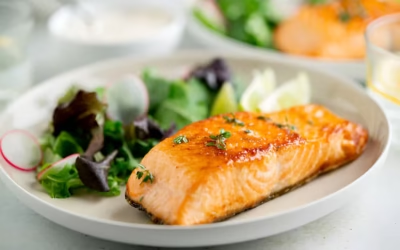
Morey’s Salmon Air Fryer: Perfectly Cooked Frozen Salmon
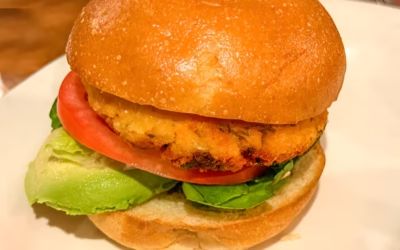
Trader Joe’s Salmon Burger Air Fryer: Quick and Easy Guide
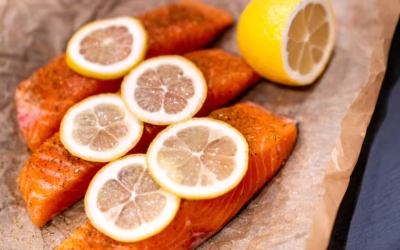
Air Fryer Lemon Pepper Salmon: Quick & Easy Weeknight Dinner
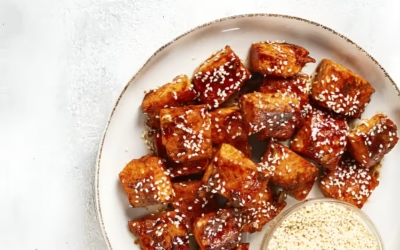
Easy Air Fryer Bang Bang Salmon Bites Recipe
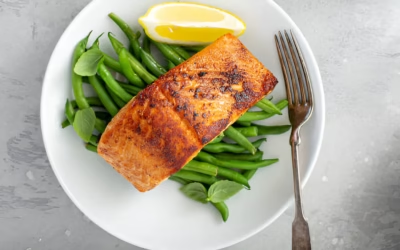
Air Fry Sockeye Salmon: Perfect Wild Alaskan Salmon
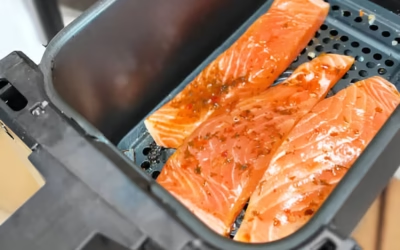
Ninja Air Fryer Salmon: Perfect Results in 10 Minutes