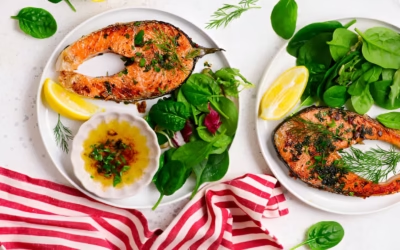
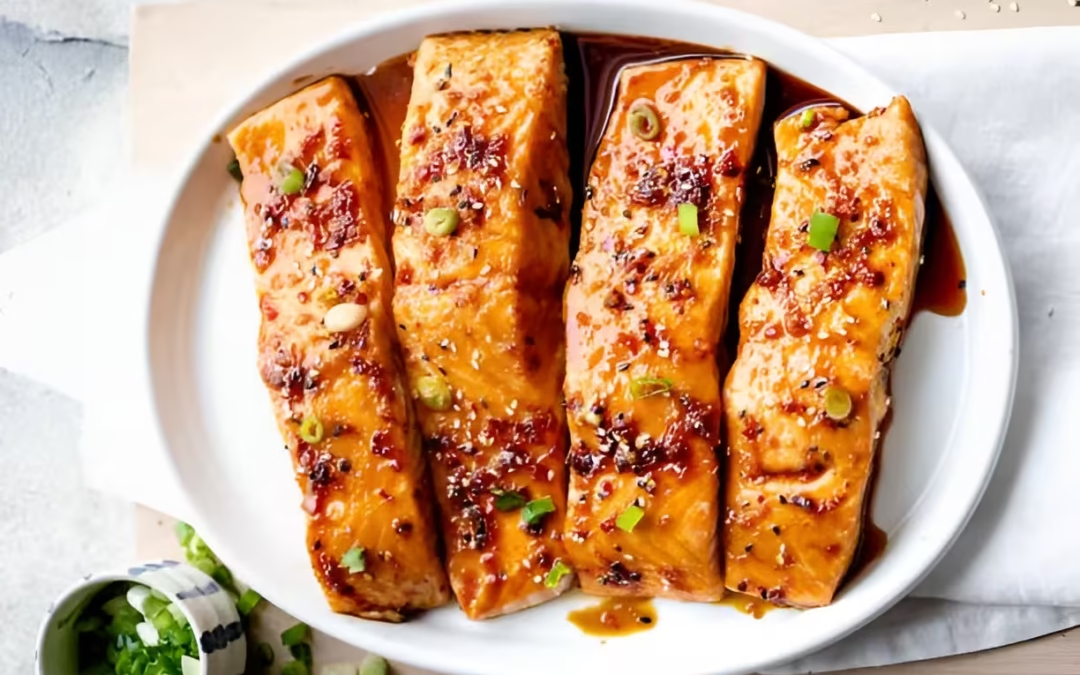
Air fryer frozen salmon recipes solve one of the biggest challenges in home cooking: what to make when you forgot to thaw dinner. These revolutionary techniques let you cook salmon directly from frozen to perfectly flaky and delicious in about 15 minutes—no thawing, no planning ahead, no stress.
The air fryer’s circulating hot air cooks frozen salmon evenly, creating a beautifully caramelized exterior while the gentle heat ensures the inside stays moist and tender. Cooking frozen salmon in the air fryer isn’t just convenient—it’s actually advantageous in many ways.
Frozen salmon is flash-frozen at peak freshness, often within hours of being caught, locking in nutrients and flavor. It’s more affordable than fresh salmon, has a longer shelf life (up to 6 months in the freezer), eliminates food waste, and is always available for last-minute meals. No more panic when dinner plans change or you realize you forgot to defrost something.
The air fryer method produces results that rival—and sometimes exceed—traditionally cooked salmon. The high heat creates excellent browning and caramelization on seasonings and glazes. The circulating air cooks the fish evenly from all sides without flipping. There’s no fishy smell permeating your kitchen, no splattered stovetop to clean, and minimal dishes. From freezer to table in 15 minutes makes this the ultimate weeknight dinner solution.
The Science Behind Cooking Frozen Salmon
Understanding why frozen salmon works so well in the air fryer helps you achieve perfect results every time:
Flash-Freezing Preserves Quality
Commercial frozen salmon is flash-frozen at extremely low temperatures (-40°F or below) within hours of being caught. This rapid freezing creates tiny ice crystals that don’t damage the fish’s cellular structure, preserving texture, moisture, and nutrients. By comparison, slowly freezing fish at home creates larger ice crystals that can rupture cells and affect quality. This is why commercially frozen salmon often tastes fresher than “fresh” fish that’s been sitting in a seafood case for days.
How Air Frying Handles Frozen Fish
Air fryers excel at cooking frozen foods because of their unique heating mechanism. The rapid circulation of superheated air (up to 400°F) creates an immediate sear on the surface while gradually warming the frozen interior. This prevents the common problem of overcooked exteriors and raw centers. The constant air movement also evaporates surface moisture quickly, preventing sogginess and promoting browning—something traditional ovens struggle to achieve with frozen foods.
Temperature Gradient Management
When cooking frozen salmon, you’re working with a significant temperature difference—the fish starts at 0°F and needs to reach 145°F (USDA safe temperature) or 130-135°F (preferred doneness). The air fryer’s consistent heat application creates a controlled temperature gradient, warming the fish from outside to inside at a rate that prevents overcooking while ensuring food safety. This is why frozen salmon in the air fryer comes out so reliably perfect.
Essential Information for Frozen Salmon Success
Choosing the Right Frozen Salmon
Types of Frozen Salmon
- Wild-Caught Alaskan: Sockeye, Coho, King (Chinook), Pink, and Chum. Firmer texture, richer flavor, higher in omega-3s, more expensive but superior taste. Look for “wild-caught” and “product of USA” labels.
- Farm-Raised Atlantic: Most common and affordable option. Milder flavor, softer texture, fattier (which keeps it moist), widely available year-round. Choose responsibly farmed options when possible.
- Individually Quick Frozen (IQF): Best choice for air frying! Fillets are frozen separately, not in a block, allowing you to cook exactly the amount you need without thawing the entire package.
What to Look for When Buying
- Vacuum-sealed packaging (prevents freezer burn)
- No visible ice crystals inside the package (indicates proper freezing)
- Firm, not mushy texture visible through packaging
- Clear labeling of origin and catch/harvest date
- Skin-on or skinless (both work, skin-on provides protection)
- Even thickness for uniform cooking (center-cut portions)
- Look for “MSC Certified” (Marine Stewardship Council) for sustainable options
Fillet Sizes and Cooking Times
Frozen salmon fillets come in various sizes. Here’s how cooking time adjusts:
- Thin fillets (3-4 oz, ¾ inch thick): 12-14 minutes at 390°F
- Standard fillets (5-6 oz, 1 inch thick): 14-16 minutes at 390°F
- Thick fillets (7-8 oz, 1.5 inches thick): 16-18 minutes at 390°F
- Extra-thick portions (2+ inches): 18-20 minutes at 380°F (lower temp to prevent burning)
Essential Equipment
- Air fryer: Any size works; 5.8-quart or larger ideal for multiple fillets
- Instant-read thermometer: Essential for checking doneness (target 130-145°F)
- Parchment paper or air fryer liners: Makes cleanup easier (optional but recommended)
- Cooking spray or oil mister: For promoting browning and preventing sticking
- Basting brush: For applying glazes and marinades
- Kitchen timer: To track cooking stages accurately
How to Cook Frozen Salmon in the Air Fryer
The Basic Method (Master This First)
Step 1: Remove from Packaging (2 minutes)
Remove frozen salmon fillets from packaging. Do NOT rinse with water—this creates excess moisture that prevents browning. If there’s ice buildup on the surface, gently scrape it off with a knife or let the fillets sit at room temperature for 2-3 minutes, then pat dry with paper towels. Remove any plastic wrapping, but leave skin on if present (it protects the flesh).
Step 2: Season the Frozen Salmon (3 minutes)
This is where frozen salmon gets tricky—how do you season ice-cold fish? Here are three proven methods:
Method 1: Oil + Dry Seasonings (Easiest)
- Brush or spray frozen salmon generously with olive oil or avocado oil
- Sprinkle seasonings directly on the oiled surface (they’ll stick to the oil)
- Press seasonings gently into the oil to help them adhere
- Season generously—some will fall off during cooking, that’s normal
Method 2: Partial Thaw + Marinade (Better Flavor)
- Let frozen salmon sit at room temperature for 5-7 minutes
- The surface will begin to soften slightly
- Brush with liquid marinade (it will pool on the surface)
- This method allows some marinade absorption
Method 3: Cook Then Glaze (Best for Sweet Sauces)
- Lightly season frozen salmon with just salt, pepper, and oil
- Air fry until mostly cooked
- Brush with glaze during final 3-4 minutes
- Prevents burning of sugary glazes on frozen surface
Step 3: Preheat Air Fryer (3-5 minutes)
Set air fryer to 390°F and preheat for 3-5 minutes. Preheating is even more important for frozen salmon than fresh—it creates immediate searing that helps lock in moisture and promote browning. A properly preheated air fryer makes the difference between soggy and perfectly crispy salmon.
Step 4: Prepare the Basket
- Line basket with parchment paper (optional but recommended for easy cleanup)
- Cut slits in parchment to allow air circulation
- Spray basket and parchment with cooking spray
- This prevents sticking, especially important with frozen fish
Step 5: Air Fry the Frozen Salmon (14-16 minutes)
- Initial cook (10 minutes): Place frozen salmon skin-side down (if skin-on) or presentation side up in the basket. Leave space between fillets—don’t let them touch. Cook at 390°F for 10 minutes without opening the air fryer. The fish will begin to thaw and cook from the outside in.
- Check and season (1 minute): Open the air fryer. The salmon should be about 60-70% thawed now with the exterior cooking. If using a glaze or additional seasoning, apply it now. The slightly thawed surface will accept seasonings better. Spray lightly with oil if the surface looks dry.
- Final cook (4-6 minutes): Close the air fryer and continue cooking for 4-6 more minutes, depending on thickness. Total time will be 14-16 minutes for standard fillets. Don’t flip the salmon—the circulating air cooks it evenly.
- Check for doneness: Insert instant-read thermometer into the thickest part. Target temperatures:
- Medium-rare: 125-130°F (slightly translucent center)
- Medium: 135-140°F (mostly opaque, slight pink center)
- Well-done: 145°F (USDA recommendation, fully opaque)
- The salmon should flake easily with a fork and be opaque throughout (or have slight translucency for medium-rare).
Step 6: Rest and Serve (2-3 minutes)
Transfer salmon to a plate and let rest for 2-3 minutes. This allows juices to redistribute and makes the fish easier to handle. The salmon will continue cooking slightly during this time (carryover cooking), so remove it from the air fryer when it’s about 5°F below your target temperature.
Pro Tips for Perfect Results
- Don’t thaw: Seriously, the whole point is cooking from frozen. Thawing creates excess moisture that makes the fish soggy.
- Use oil generously: Frozen salmon needs more oil than fresh to promote browning and prevent sticking.
- Season in stages: Initial light seasoning + additional seasoning halfway through yields best flavor.
- Watch the clock: Frozen salmon goes from perfect to overcooked quickly in the final minutes—set a timer.
- Avoid very thick glazes initially: They’ll burn on frozen fish. Apply during final minutes instead.
- Don’t overcrowd: Air needs to circulate freely. Cook in batches if necessary.
10 Delicious Air Fryer Frozen Salmon Recipes
1. Classic Lemon Garlic Frozen Salmon
Ingredients:
- 4 frozen salmon fillets (5-6 oz each)
- 3 tablespoons olive oil
- 4 cloves garlic, minced
- Juice and zest of 2 lemons
- 1 teaspoon salt
- ½ teaspoon black pepper
- 1 teaspoon dried parsley (or 2 tablespoons fresh)
Instructions: Brush frozen salmon with olive oil. Mix remaining ingredients and brush over oiled salmon (or reserve half for basting). Air fry at 390°F for 10 minutes, baste with reserved mixture, continue cooking 4-6 minutes until done. Garnish with fresh lemon wedges and parsley.
2. Honey Garlic Glazed Frozen Salmon
Ingredients:
- 4 frozen salmon fillets
- 3 tablespoons honey
- 3 tablespoons soy sauce
- 4 cloves garlic, minced
- 1 tablespoon fresh ginger, grated
- 1 teaspoon sesame oil
- 2 tablespoons olive oil (for brushing)
Instructions: Brush frozen salmon with olive oil. Season lightly with salt and pepper. Air fry at 390°F for 10 minutes. Meanwhile, whisk honey, soy sauce, garlic, ginger, and sesame oil. Brush glaze on salmon, continue cooking 4-6 minutes. Brush with more glaze before serving. Garnish with sesame seeds and green onions.
3. Cajun Blackened Frozen Salmon
Ingredients:
- 4 frozen salmon fillets
- 3 tablespoons olive oil
- 2 tablespoons Cajun seasoning (or make your own)
- 1 teaspoon smoked paprika
- ½ teaspoon cayenne pepper
- ½ teaspoon garlic powder
- ½ teaspoon salt
Instructions: Brush frozen salmon generously with oil. Mix all seasonings and press firmly onto oiled surface. Air fry at 400°F for 12 minutes. Check and add more seasoning if needed, continue for 2-4 minutes. Serve with cooling ranch or blue cheese dressing.
4. Teriyaki Frozen Salmon
Homemade Teriyaki Sauce:
- ½ cup soy sauce
- ½ cup mirin
- ¼ cup brown sugar
- 2 cloves garlic, minced
- 1 teaspoon ginger, grated
For the salmon:
- 4 frozen salmon fillets
- 2 tablespoons olive oil
- Sesame seeds and green onions for garnish
Instructions: Simmer teriyaki ingredients for 10 minutes until thickened. Cool slightly. Brush frozen salmon with oil, season lightly with salt and pepper. Air fry at 390°F for 10 minutes. Brush with teriyaki sauce, continue cooking 4-6 minutes, brushing once more. Garnish with sesame seeds and green onions.
5. Mediterranean Herb Frozen Salmon
Ingredients:
- 4 frozen salmon fillets
- ¼ cup olive oil
- 2 tablespoons fresh dill (or 1 tablespoon dried)
- 2 tablespoons fresh parsley (or 1 tablespoon dried)
- 1 tablespoon fresh basil (or 1 teaspoon dried)
- 3 cloves garlic, minced
- Zest of 1 lemon
- 1 teaspoon salt
- ½ teaspoon black pepper
Instructions: Mix olive oil with all herbs and seasonings. Brush generously on frozen salmon. Air fry at 390°F for 14-16 minutes, checking at 12 minutes. Serve with tzatziki sauce, Greek salad, and pita bread.
6. Asian Sesame Ginger Frozen Salmon
Ingredients:
- 4 frozen salmon fillets
- ¼ cup soy sauce
- 2 tablespoons rice vinegar
- 2 tablespoons honey
- 2 tablespoons fresh ginger, grated
- 2 tablespoons sesame oil
- 3 cloves garlic, minced
- 2 tablespoons sesame seeds
Instructions: Mix all ingredients except sesame seeds. Let frozen salmon sit 5 minutes to partially soften surface. Brush marinade generously. Air fry at 390°F for 10 minutes, baste again, continue 4-6 minutes. Sprinkle with sesame seeds before serving.
7. Maple Dijon Frozen Salmon
Ingredients:
- 4 frozen salmon fillets
- 3 tablespoons pure maple syrup
- 2 tablespoons Dijon mustard
- 1 tablespoon olive oil
- 2 cloves garlic, minced
- ½ teaspoon salt
- ¼ teaspoon black pepper
- Fresh thyme for garnish
Instructions: Whisk maple syrup, Dijon, olive oil, garlic, salt, and pepper. Brush frozen salmon with plain oil first, air fry at 390°F for 10 minutes. Brush with maple Dijon mixture, continue cooking 4-6 minutes. The glaze will caramelize beautifully.
8. Buffalo-Style Frozen Salmon
Ingredients:
- 4 frozen salmon fillets
- ¼ cup buffalo sauce (Frank’s RedHot)
- 3 tablespoons melted butter
- 1 teaspoon garlic powder
- ½ teaspoon smoked paprika
- Ranch or blue cheese dressing for serving
Instructions: Mix buffalo sauce and melted butter. Brush frozen salmon with mixture. Air fry at 400°F for 12 minutes, baste again, continue 2-4 minutes. Serve with cooling ranch or blue cheese, celery sticks, and carrot sticks.
9. Lemon Pepper Frozen Salmon
Ingredients:
- 4 frozen salmon fillets
- 3 tablespoons olive oil
- Zest of 3 lemons
- 3 tablespoons fresh lemon juice
- 2 tablespoons black pepper (freshly ground)
- 1 teaspoon garlic powder
- 1 teaspoon salt
Instructions: Mix all ingredients. Brush generously on frozen salmon. Air fry at 400°F for 14-16 minutes. The lemon and pepper create a bright, fresh flavor perfect for lighter meals.
10. Everything Bagel Frozen Salmon
Ingredients:
- 4 frozen salmon fillets
- 3 tablespoons olive oil
- 4 tablespoons everything bagel seasoning
- Cream cheese for serving
- Capers and red onion for garnish
Instructions: Brush frozen salmon very generously with oil. Press everything bagel seasoning firmly onto the oiled surface. Air fry at 390°F for 14-16 minutes. Serve with cream cheese, capers, and thinly sliced red onion for a brunch-worthy meal.
Expert Tips for Frozen Salmon Success
Temperature and Timing Mastery
- 390°F is the sweet spot: Hot enough to cook frozen salmon through, not so hot it burns before the center thaws
- Add 4-6 minutes to fresh salmon recipes: Frozen salmon needs about 50% more time than thawed
- Thicker = lower temperature: For fillets over 1.5 inches thick, reduce to 380°F to prevent burning
- Check early, add time as needed: Every air fryer varies slightly—check at minimum time and add minutes if needed
- Use a thermometer: This is not optional with frozen salmon—guessing doneness by look alone is unreliable
Preventing Common Issues
- Prevent sticking: Use plenty of oil spray, parchment paper, and preheat the air fryer
- Avoid sogginess: Don’t rinse frozen salmon, scrape off excess ice, pat dry any condensation
- Stop glaze burning: Apply sweet glazes during final 4-6 minutes only
- Fix uneven cooking: Choose similar-sized fillets, don’t overcrowd, ensure proper preheating
- Combat dryness: Don’t overcook (use thermometer!), choose fattier salmon, brush with oil/butter
Maximizing Flavor
- Season generously: Frozen salmon absorbs less seasoning initially—be liberal
- Season in stages: Light initial seasoning + more halfway through + finishing glaze = layered flavor
- Use oil as a carrier: Oil helps dry seasonings stick to frozen surfaces
- Fresh is best: Fresh garlic, herbs, and citrus provide brighter flavors than dried
- Add acid: Lemon juice, vinegar, or citrus brightens and balances salmon’s richness
Choosing Quality Frozen Salmon
- Look for vacuum-sealed packaging: Prevents freezer burn and maintains quality
- Avoid visible ice crystals: Indicates improper storage or temperature fluctuations
- Check dates: Use within 6 months of freeze date for best quality
- Choose IQF when possible: Individually Quick Frozen fillets offer flexibility
- Wild vs. farmed: Both work great—wild has firmer texture and stronger flavor, farmed is milder and fattier
Serving Suggestions for Frozen Salmon
Quick Weeknight Dinners
Air fryer frozen salmon is perfect for those busy nights when you need dinner fast:
- 15-Minute Meal: While salmon cooks, microwave frozen vegetables and instant rice. Dinner in 15 minutes flat.
- Sheet Pan Style: Add frozen vegetables to the air fryer basket around the salmon during the last 8 minutes of cooking.
- Pasta Night: Toss cooked salmon with pasta, olive oil, garlic, lemon, and parmesan.
- Taco Tuesday: Break cooked salmon into chunks for fish tacos with slaw and avocado.
Healthy Bowl Creations
Create nutritious salmon bowls with these components:
- Grain base: Rice (white, brown, wild), quinoa, farro, or cauliflower rice
- Vegetables: Roasted, steamed, or fresh (broccoli, asparagus, brussels sprouts, edamame, cucumber)
- Frozen salmon: Any flavor variation, flaked or left whole
- Sauce: Teriyaki, soy ginger, lemon dill aioli, or sesame dressing
- Toppings: Avocado, sesame seeds, green onions, pickled ginger, nori
Elegant Dinner Party Presentations
Frozen salmon can absolutely be elegant enough for company:
- Serve teriyaki salmon over creamy miso risotto with sautéed bok choy
- Present lemon herb salmon with roasted asparagus and garlic mashed potatoes
- Plate Mediterranean salmon with Greek salad, tzatziki, and warm pita
- Arrange maple Dijon salmon over arugula salad with candied pecans
Meal Prep Power
Cook multiple frozen salmon fillets for the week:
- Air fry 4-6 frozen fillets in different flavors on Sunday
- Store in individual containers with your choice of sides
- Refrigerate for up to 4 days
- Reheat in air fryer at 350°F for 3-4 minutes or enjoy cold
- Mix and match with different vegetables and grains throughout the week
Side Dishes That Complement Frozen Salmon
Quick Air Fryer Sides (Cook Together)
- Frozen broccoli: Add to basket at 8-minute mark, 400°F for 6-8 minutes
- Frozen asparagus: Add at 8-minute mark, 400°F for 6-7 minutes
- Frozen Brussels sprouts: Add at beginning, 400°F for 15 minutes
- Frozen green beans: Add at 8-minute mark, 400°F for 6-8 minutes
- Baby potatoes: Halved, add at beginning, 400°F for 15-18 minutes
Microwave-Ready Sides (While Salmon Cooks)
- Instant rice (white, brown, or flavored varieties)
- Quinoa cups or pouches
- Frozen vegetable medleys
- Steam-in-bag vegetables
- Instant mashed potatoes (elevated with butter and herbs)
No-Cook Accompaniments
- Fresh garden salad with vinaigrette
- Cucumber tomato salad
- Coleslaw (store-bought or homemade)
- Seaweed salad
- Pickled vegetables
- Fresh fruit
Make-Ahead Sides
- Roasted vegetables (reheat while salmon cooks)
- Grain salads (quinoa, farro, wild rice)
- Potato salad
- Couscous with herbs and lemon
Storage and Reheating
Storing Cooked Salmon
After cooking frozen salmon in the air fryer:
- Cool to room temperature within 2 hours
- Store in airtight containers
- Refrigerate for up to 4 days
- Can be enjoyed cold or reheated
- Great for meal prep and leftovers
Reheating Previously Cooked Salmon
Air Fryer Method (Best)
- Preheat air fryer to 350°F
- Place salmon in basket
- Spray lightly with oil
- Heat for 3-4 minutes until warmed through
- Maintains texture better than microwave
Microwave Method (Quick)
- Place salmon on microwave-safe plate
- Cover with damp paper towel
- Heat on 50% power for 1-2 minutes
- Check and add 30-second intervals as needed
Oven Method
- Preheat oven to 275°F
- Place salmon in baking dish
- Cover with foil to prevent drying
- Heat for 10-12 minutes
Freezing Cooked Salmon
You can freeze cooked salmon, though texture may be affected:
- Cool completely after cooking
- Wrap tightly in plastic wrap, then foil
- Label with date and flavor
- Freeze for up to 2 months
- Thaw in refrigerator overnight before reheating
- Best used in soups, chowders, pasta, or salads where texture matters less
Nutritional Information
Per Serving (5-6 oz frozen salmon fillet, basic preparation)
- Calories: 280-320 (varies by marinade)
- Protein: 34-38g
- Total Fat: 14-18g
- Saturated Fat: 2.5-3.5g
- Omega-3 Fatty Acids: 1,500-2,200mg
- Carbohydrates: 0-15g (0g for plain, more with sweet glazes)
- Fiber: 0g
- Sugar: 0-12g (from marinades)
- Cholesterol: 90-100mg
- Sodium: 100-800mg (depends on seasonings)
Key Nutrients Preserved in Frozen Salmon
- Vitamin B12: 110-125% Daily Value
- Vitamin D: 85-95% Daily Value
- Selenium: 75-80% Daily Value
- Niacin (B3): 55-65% Daily Value
- Vitamin B6: 45-50% Daily Value
- Phosphorus: 30-35% Daily Value
- Potassium: 20-25% Daily Value
Frozen vs. Fresh: Nutritional Comparison
Surprise—frozen salmon is nutritionally equal to or better than “fresh”:
- Flash-freezing locks in nutrients immediately after catch
- Omega-3 content is preserved through freezing
- Protein quality remains unchanged
- Vitamins and minerals are stable during frozen storage
- “Fresh” fish at the counter may be days old and losing nutrients
- Frozen salmon tested at 6 months shows minimal nutrient loss
Note: Nutritional values vary based on salmon type (wild vs. farmed), specific marinades and glazes used, and cooking methods. Plain, lightly seasoned frozen salmon is lowest in sodium and added sugars.
Frequently Asked Questions
Can you cook frozen salmon in an air fryer without thawing?
Absolutely yes! In fact, that’s the whole point of these recipes. Frozen salmon cooks beautifully in the air fryer straight from the freezer. The circulating hot air thaws and cooks the fish simultaneously, creating tender, flaky results in 14-16 minutes. No thawing required, no planning ahead necessary—just remove from packaging, season, and cook.
How long does it take to cook frozen salmon in the air fryer?
Standard frozen salmon fillets (5-6 oz, about 1 inch thick) take 14-16 minutes at 390°F. Thin fillets (3-4 oz) need 12-14 minutes, while thick fillets (7-8 oz or 1.5+ inches) need 16-18 minutes. The exact time depends on fillet thickness, your specific air fryer model, and desired doneness. Always check with an instant-read thermometer for accuracy.
What temperature should I cook frozen salmon at in the air fryer?
The optimal temperature for frozen salmon is 390°F. This temperature is hot enough to create good browning and cook the fish through from frozen, but not so hot that the exterior burns before the interior thaws and cooks. For very thick fillets (2+ inches), reduce to 380°F to prevent burning. For thin fillets, you can increase to 400°F.
Do you have to thaw salmon before air frying?
No! That’s what makes these recipes so convenient. Air frying frozen salmon without thawing actually works better than you’d expect. The high heat and air circulation thaw and cook the fish evenly. In fact, thawing creates excess moisture that can make the salmon soggy. Cooking from frozen produces better texture and saves time.
How do you know when frozen salmon is done in the air fryer?
Check doneness with an instant-read thermometer inserted into the thickest part: 125-130°F for medium-rare (slightly translucent center), 135-140°F for medium (mostly opaque), or 145°F for well-done (USDA recommendation). Visually, the salmon should be opaque throughout and flake easily with a fork. If you don’t have a thermometer, cut into the thickest part to check—it should be opaque with no raw-looking translucency.
Should I remove the skin from frozen salmon before air frying?
It’s easier to leave the skin on during cooking—it protects the delicate flesh and helps the fillet hold together. The skin acts as a barrier between the fish and the hot basket, preventing sticking and overcooking. You can easily remove it after cooking if desired. If your frozen salmon is already skinless, that’s fine too—just use parchment paper and extra oil spray.
Can I season frozen salmon before cooking?
Yes, though it’s trickier than seasoning thawed fish. The best method is to brush frozen salmon generously with oil first, then sprinkle seasonings which will stick to the oil. Alternatively, let the frozen fish sit at room temperature for 5-7 minutes to partially soften the surface, then apply marinades. For sweet glazes, it’s best to lightly season the frozen fish and apply glaze during the final 4-6 minutes of cooking.
Why is my frozen salmon coming out dry?
The most common cause is overcooking. Frozen salmon continues to cook after you remove it from the air fryer (carryover cooking), so remove it when it reaches about 5°F below your target temperature. Other causes: choosing very lean wild salmon instead of fattier farmed, cooking at too high temperature, not using enough oil, or cooking too long. Use a thermometer and target 130-135°F instead of 145°F for moister results.
Can I cook frozen salmon with vegetables in the air fryer?
Yes! Add frozen or fresh vegetables to the basket around the salmon. Timing depends on the vegetable: frozen broccoli, asparagus, or green beans can be added at the 8-minute mark and will finish with the salmon. Hardier vegetables like Brussels sprouts or potato chunks should be added at the beginning. Arrange vegetables around the salmon, not on top, to ensure air circulation.
Is frozen salmon as healthy as fresh salmon?
Yes! Frozen salmon is just as nutritious as fresh, sometimes more so. Fish is flash-frozen within hours of being caught, locking in omega-3s, protein, vitamins, and minerals at peak freshness. “Fresh” salmon at the counter may be days old and losing nutrients. Studies show frozen salmon maintains its nutritional value for up to 6 months. The omega-3 content, protein quality, and vitamin levels are virtually identical.
Can I use marinade on frozen salmon?
You can apply marinade to frozen salmon, but it won’t penetrate deeply since the fish is frozen solid. For best results: (1) Let frozen salmon sit 5-7 minutes to partially soften, then brush with marinade, or (2) Lightly season frozen fish and apply marinade during the last half of cooking when the surface has thawed. Marinades with lots of sugar should be applied during the final 4-6 minutes only to prevent burning.
How do I prevent frozen salmon from sticking to the air fryer basket?
Prevent sticking by: (1) Using parchment paper or air fryer liners, (2) Spraying the basket generously with cooking oil, (3) Brushing frozen salmon with oil before cooking, (4) Preheating the air fryer properly, and (5) Not trying to move the salmon too early—let it cook undisturbed for the first 10 minutes. These steps combined virtually eliminate sticking issues.
Troubleshooting Common Issues
Problem: Salmon Is Dry and Overcooked
Solutions:
- Reduce cooking time by 2 minutes
- Remove salmon at 130-135°F instead of 145°F
- Choose fattier Atlantic farm-raised salmon instead of lean wild
- Lower temperature to 380°F
- Brush with butter or oil during cooking
- Remember carryover cooking—remove 5°F before target temp
Problem: Center Is Still Frozen/Raw
Solutions:
- Cook for additional 2-4 minutes
- Reduce temperature to 380°F and cook longer
- Check that fillets aren’t too thick (over 2 inches needs special handling)
- Ensure air fryer was properly preheated
- Don’t overcrowd basket—cook in batches if needed
- Use instant-read thermometer to verify internal temperature
Problem: Exterior Is Burning Before Inside Cooks
Solutions:
- Reduce temperature to 375-380°F
- Don’t apply sweet glazes until final 4-6 minutes
- Use less marinade or shake off excess before cooking
- Cover salmon loosely with foil if exterior browns too quickly
- Check that fillets are uniformly thick
Problem: Salmon Sticks to Basket
Solutions:
- Use parchment paper or air fryer liners
- Spray basket and salmon generously with oil
- Preheat air fryer completely before adding fish
- Don’t try to flip or move salmon during first 10 minutes
- Leave skin on if possible—it protects flesh
Problem: Salmon Is Soggy, Not Crispy
Solutions:
- Scrape off any ice buildup before cooking
- Don’t rinse frozen salmon—adds moisture
- Use more oil spray for browning
- Increase temperature to 400°F
- Don’t use too much marinade—excess liquid creates steam
- Ensure air fryer basket isn’t overcrowded
Problem: Seasonings Fall Off During Cooking
Solutions:
- Brush with oil first, then seasonings stick to oil
- Press seasonings firmly into the oil coating
- Let frozen fish sit 5 minutes to partially soften before seasoning
- Add more seasoning halfway through cooking
- Use marinades instead of dry rubs for better adhesion
Meal Planning with Frozen Salmon
Weekly Dinner Plan
Monday: Asian Night
Teriyaki frozen salmon over jasmine rice with steamed edamame and cucumber salad. Cook frozen broccoli in air fryer alongside salmon. Total time: 20 minutes.
Tuesday: Taco Tuesday
Cajun blackened frozen salmon broken into chunks for fish tacos. Serve with coleslaw, avocado, lime, and chipotle crema in corn tortillas. Total time: 18 minutes.
Wednesday: Mediterranean Evening
Lemon herb frozen salmon with Greek salad, tzatziki, warm pita, and hummus. Light and fresh midweek meal. Total time: 20 minutes.
Thursday: Comfort Food
Honey garlic frozen salmon with mashed potatoes (instant!) and roasted asparagus. Warming and satisfying. Total time: 20 minutes.
Friday: Bowl Night
Asian sesame ginger frozen salmon bowl with quinoa, edamame, cucumber, avocado, and sesame dressing. Healthy and delicious. Total time: 20 minutes.
Saturday: Fancy Dinner
Maple Dijon frozen salmon with roasted Brussels sprouts and wild rice. Elegant enough for company. Total time: 25 minutes.
Sunday: Meal Prep Day
Cook 6 frozen salmon fillets in various flavors. Portion into containers with different sides for easy lunches throughout the week.
Budget-Friendly Tips
- Buy frozen salmon in bulk when on sale (stores 6 months)
- Individually frozen fillets offer portion control and less waste
- Farm-raised Atlantic is more affordable than wild-caught
- Use frozen vegetables instead of fresh (cheaper, no waste)
- Make your own marinades instead of buying bottled
- Store-brand frozen salmon is often identical quality to name brands
Time-Saving Strategies
- Keep 2-3 pounds of frozen salmon always on hand
- Pre-mix dry seasoning blends in bulk
- Make marinades on weekends, store in fridge for the week
- Cook rice and grains in bulk, reheat as needed
- Use frozen vegetables that cook alongside salmon
- Prep dipping sauces in advance (last 1 week refrigerated)
Final Thoughts on Air Fryer Frozen Salmon
Air fryer frozen salmon recipes represent a true revolution in home cooking. The ability to transform frozen fish into restaurant-quality meals in 15 minutes—without any thawing, without complicated techniques, without mess—is nothing short of miraculous for busy home cooks. This method eliminates the biggest barrier to eating more fish: the planning required to remember to thaw it.
What makes frozen salmon in the air fryer so special is how it solves multiple problems simultaneously. It’s faster than ordering takeout, healthier than most restaurant meals, more affordable than buying fresh fish, requires less skill than stovetop cooking, and produces consistently excellent results. The air fryer’s unique heating mechanism—rapid circulation of superheated air—is perfectly suited to handling the challenge of cooking frozen fish, creating even thawing and cooking that traditional ovens simply can’t match.
From a nutritional standpoint, frozen salmon equals or exceeds the quality of “fresh” fish at the seafood counter. Flash-frozen within hours of being caught, frozen salmon locks in omega-3 fatty acids, high-quality protein, vitamins D and B12, and important minerals at peak freshness. With 34-38g of protein, 1,500-2,200mg of omega-3s, and impressive amounts of key nutrients per serving—all for just 280-320 calories—frozen salmon is one of the healthiest proteins you can eat.
The versatility of these recipes cannot be overstated. The same basic technique adapts to countless flavor profiles—from classic lemon garlic to bold Cajun blackened, sweet teriyaki to herbaceous Mediterranean, spicy buffalo to elegant maple Dijon. Serve it with rice bowls, over salads, in tacos, with roasted vegetables, or as elegant dinner party mains. The possibilities are truly endless, and you can customize to any taste preference or dietary need.
The practical benefits make frozen salmon a kitchen staple. Keep several pounds in your freezer and you always have a healthy dinner option available. No more panic when you forget to plan meals, no more emergency takeout orders, no more unhealthy last-minute choices. Just grab a fillet, season it, and cook for 15 minutes. It’s meal planning insurance that actually tastes amazing.
Success with frozen salmon comes down to a few key principles: don’t rinse or thaw the fish, use plenty of oil for browning and sticking prevention, cook at 390°F for standard fillets, check doneness with a thermometer (target 130-135°F), and apply sweet glazes during the final minutes only. Master these basics and you’ll make perfect frozen salmon every single time.
Whether you’re a busy parent juggling work and family, a health-conscious individual trying to eat more fish, a budget-minded cook stretching your grocery dollars, or simply someone who values convenience without sacrificing quality—air fryer frozen salmon recipes will transform your cooking routine. The combination of speed, ease, health benefits, affordability, and incredible flavor makes this one of the most valuable techniques you can add to your kitchen repertoire.
So stock your freezer with quality frozen salmon, bookmark your favorite recipes, and embrace the freedom of always having a delicious, healthy dinner just 15 minutes away. Your taste buds, your schedule, your wallet, and your body will all thank you!
You May Also Like
Air Fryer Pesto Salmon: Quick and Flavorful Weeknight Dinner
Air Fry Salmon and Broccoli: Quick and Healthy One-Pan Dinner
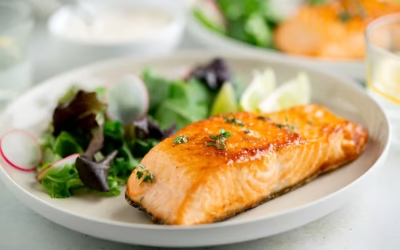
Morey’s Salmon Air Fryer: Perfectly Cooked Frozen Salmon
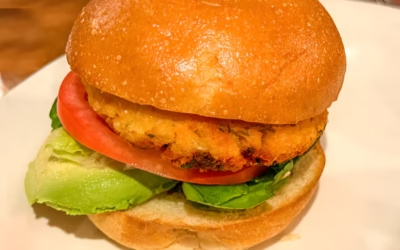
Trader Joe’s Salmon Burger Air Fryer: Quick and Easy Guide
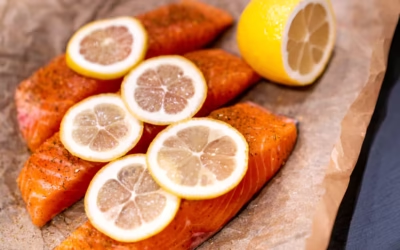
Air Fryer Lemon Pepper Salmon: Quick & Easy Weeknight Dinner
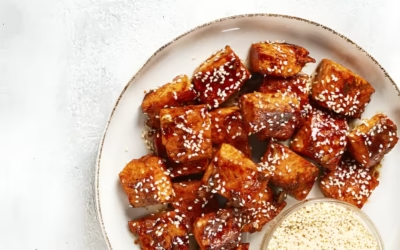
Easy Air Fryer Bang Bang Salmon Bites Recipe
Air Fry Sockeye Salmon: Perfect Wild Alaskan Salmon
Ninja Air Fryer Salmon: Perfect Results in 10 Minutes