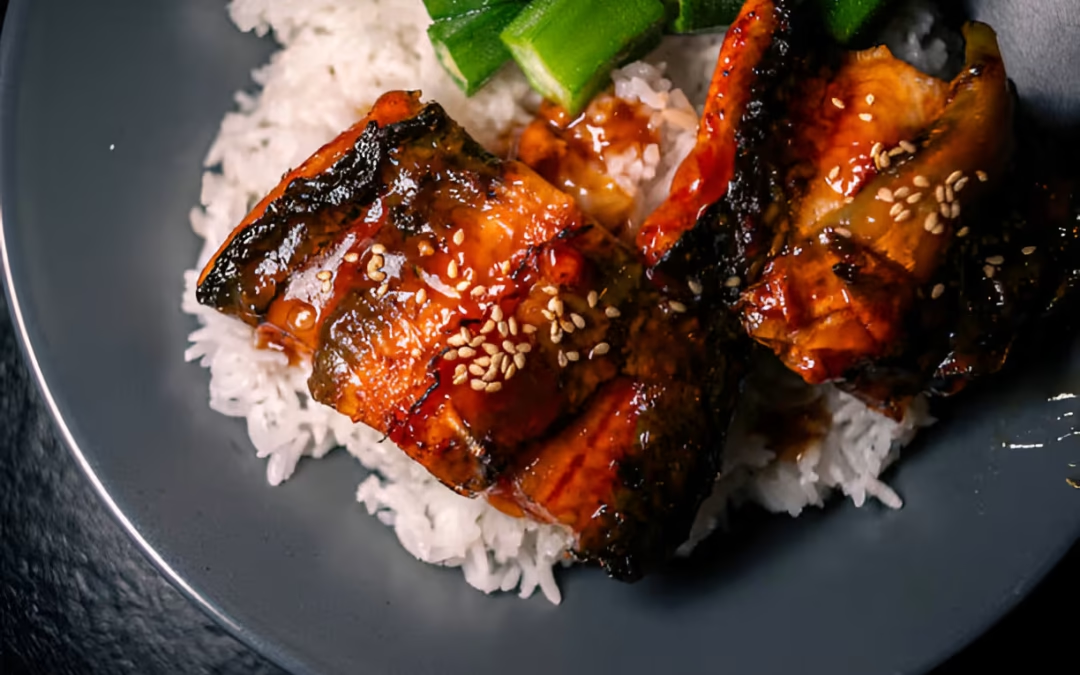
Air fryer miso salmon brings the sophisticated flavors of high-end Japanese restaurants to your home kitchen with minimal effort and maximum impact. This elegant dish features tender salmon fillets coated in a sweet-savory miso marinade that caramelizes beautifully in the air fryer, creating a glossy, umami-rich glaze with incredible depth of flavor.
The combination of sweet mirin, fermented miso paste, and a touch of sake creates the perfect balance that makes this dish absolutely unforgettable.
What makes miso salmon particularly special is the unique flavor profile that miso paste brings to the dish. Miso—a traditional Japanese fermented soybean paste—provides layers of savory, slightly sweet, and deeply complex umami flavors that enhance rather than overpower the natural richness of salmon.
The fermentation process creates beneficial probiotics while developing flavors you simply can’t replicate with other ingredients. When caramelized in the air fryer’s high heat, the miso glaze develops a beautiful golden-brown color and concentrated sweetness that’s nothing short of restaurant-worthy.
The air fryer method elevates traditional miso salmon in several ways. The circulating hot air creates even caramelization on the glaze without the risk of burning that comes with broiling. You get perfect results every time without constant monitoring or the mess of stovetop cooking.
The salmon stays incredibly moist and tender inside while developing that coveted golden-brown, slightly crispy glazed exterior. From prep to plate in just 12 minutes of cooking time makes this an accessible weeknight dinner that tastes like you spent hours preparing it.
Understanding Miso: The Star Ingredient
To make exceptional miso salmon, it helps to understand the different types of miso paste and how they affect your dish:
Types of Miso Paste
White Miso (Shiro Miso)
The mildest and sweetest variety, white miso is fermented for the shortest time (a few months). It has a pale yellow to beige color despite the name “white,” and offers a delicate, slightly sweet flavor with subtle saltiness. White miso is perfect for beginners or those who prefer gentler flavors. It’s the most commonly used miso for fish dishes and creates a more delicate glaze that won’t overpower the salmon. This is the recommended choice for most miso salmon recipes.
Yellow Miso (Shinshu Miso)
A middle-ground option, yellow miso is fermented longer than white miso (several months to a year). It has a golden yellow color and offers balanced flavor—more pronounced than white miso but not as intense as red. Yellow miso provides good depth without being too strong, making it another excellent choice for salmon. It creates a slightly more robust glaze with deeper umami notes.
Red Miso (Aka Miso)
The strongest and saltiest variety, red miso is fermented for the longest time (1-3 years or more). It has a deep reddish-brown color and delivers intense, salty, deeply savory flavors. Red miso can overwhelm delicate fish if used in the same quantities as white miso, but when used carefully (in smaller amounts or mixed with white miso), it adds incredible complexity and depth. Some people love the bold flavor it brings to salmon.
Health Benefits of Miso
Miso isn’t just delicious—it’s incredibly nutritious:
- Probiotic Power: Fermented miso contains beneficial bacteria that support gut health and digestion
- Protein Source: Provides complete plant-based protein from soybeans
- Rich in Minerals: Contains manganese, zinc, phosphorus, and copper
- Vitamin B12: One of the few plant-based sources of this essential vitamin
- Antioxidants: Contains beneficial compounds that may reduce inflammation
- Lower Sodium Option: While miso contains sodium, a little goes a long way for flavoring
Where to Buy Miso Paste
Miso paste is increasingly available at mainstream grocery stores:
- Asian grocery stores (widest selection and best prices)
- Regular supermarkets (refrigerated section near tofu or Asian ingredients)
- Whole Foods and natural food stores
- Online retailers (Amazon, Thrive Market, specialty Japanese stores)
- Look for brands like Hikari, Marukome, or Miso Master
- Choose organic, non-GMO options when possible
How to Store Miso Paste
Properly stored miso paste lasts for months or even years:
- Refrigerate in an airtight container after opening
- Press plastic wrap directly on the surface to prevent drying
- Store in original packaging or transfer to airtight container
- White miso: 6-12 months refrigerated
- Yellow miso: 12-18 months refrigerated
- Red miso: 18+ months refrigerated (some say indefinitely)
- Color darkening over time is normal and doesn’t affect quality
Essential Ingredients for Air Fryer Miso Salmon
For the Salmon
- Salmon fillets: 4 fillets (5-6 oz each), about 1-1.5 inches thick. Skin-on or skinless both work. Choose center-cut portions for even thickness and cooking. Wild-caught Alaskan (firmer, richer flavor) or farm-raised Atlantic (milder, more affordable) both work excellently.
- Salt and pepper: Light seasoning under the glaze (optional, as miso provides plenty of flavor)
For the Classic Miso Glaze
- White miso paste: 3-4 tablespoons (the foundation of the glaze)
- Mirin: 2-3 tablespoons (sweet Japanese rice wine that adds subtle sweetness and helps caramelize)
- Sake: 1-2 tablespoons (Japanese rice wine that adds depth and helps tenderize). Can substitute dry white wine or water.
- Sugar: 1-2 tablespoons (honey, brown sugar, or white sugar—enhances caramelization and balances saltiness)
- Soy sauce: 1 teaspoon (optional, adds extra umami and color)
- Sesame oil: 1 teaspoon (optional, adds nutty aroma)
Optional Flavor Enhancements
- Fresh ginger (1 teaspoon grated) for zingy brightness
- Garlic (1-2 cloves minced) for aromatic depth
- Rice vinegar (1 teaspoon) for tangy balance
- Yuzu juice or lemon juice for citrus brightness
- Chili paste or sriracha for heat
- Maple syrup instead of sugar for deeper sweetness
Garnishes
- Toasted sesame seeds (white or black)
- Thinly sliced green onions (scallions)
- Fresh cilantro or microgreens
- Pickled ginger for serving
- Lemon or lime wedges
Essential Equipment
- Air fryer: Any size works; 5.8-quart or larger ideal for multiple fillets
- Whisk or fork: For mixing the miso glaze until smooth
- Basting brush: For applying glaze evenly
- Parchment paper or air fryer liner: Prevents sticking (highly recommended with sweet glazes)
- Instant-read thermometer: For checking perfect doneness
How to Make Air Fryer Miso Salmon
Step-by-Step Instructions
Step 1: Prepare the Miso Glaze (5 minutes)
- In a small bowl, combine 3-4 tablespoons white miso paste, 2-3 tablespoons mirin, 1-2 tablespoons sake (or substitute), and 1-2 tablespoons sugar.
- Whisk vigorously until the miso paste is completely smooth with no lumps. The mixture should be thick but pourable, like pancake batter.
- If too thick, add a splash more mirin or sake. If too thin, add a bit more miso paste.
- Taste and adjust: add more sugar for sweetness, more miso for saltiness, or more mirin for balance.
- Optional: Add minced garlic, grated ginger, or sesame oil at this stage for extra flavor.
- Set aside half the glaze for serving (don’t use marinade that touched raw fish).
Step 2: Prepare the Salmon (5 minutes)
- Pat salmon fillets completely dry with paper towels. Moisture prevents the glaze from adhering and caramelizing properly.
- If using skin-on salmon, leave the skin on—it protects the flesh during cooking and can be removed easily after.
- Remove any pin bones by running your fingers along the fillet and pulling them out with tweezers.
- Optional: Lightly season salmon with a pinch of salt and pepper (though miso provides plenty of seasoning).
- Let salmon sit at room temperature for 10 minutes while preparing other components (ensures even cooking).
Step 3: Marinate the Salmon (15-30 minutes, optional but recommended)
For maximum flavor penetration, you can marinate the salmon before cooking:
- Place salmon fillets in a shallow dish or resealable bag.
- Brush or spoon about half the miso glaze over the salmon, coating all surfaces.
- If using skin-on salmon, place skin-side up during marinating so the flesh absorbs the marinade.
- Cover and refrigerate for 15-30 minutes (up to 2 hours maximum).
- Don’t marinate longer than 2 hours—the miso can start to “cure” the fish and affect texture.
- Reserve the other half of the glaze (that didn’t touch raw fish) for basting during cooking.
Quick Method (No Marinating): If short on time, you can skip marinating and simply brush the glaze on before and during air frying. Results are still excellent.
Step 4: Preheat the Air Fryer (3-5 minutes)
- Set air fryer to 375-380°F and preheat for 3-5 minutes.
- Preheating is especially important for miso salmon to ensure proper glaze caramelization.
- A properly preheated air fryer creates immediate searing that locks in moisture.
Step 5: Prepare the Air Fryer Basket
- Line the basket with parchment paper or an air fryer liner. This is highly recommended for miso salmon—the sugary glaze can stick.
- Cut slits in the parchment to allow air circulation.
- Lightly spray parchment with cooking oil.
Step 6: Air Fry the Miso Salmon (10-12 minutes)
- Initial placement: Remove salmon from marinade, letting excess drip off. Place salmon skin-side down (if skin-on) or presentation side up in the air fryer basket. Leave space between fillets—they should not touch.
- First cooking stage (6-7 minutes): Air fry at 375°F for 6-7 minutes without opening the air fryer. The glaze will begin to set and caramelize. The salmon should be about 60-70% cooked.
- Glaze application (1 minute): Carefully open the air fryer. Brush the salmon with additional fresh miso glaze (from the reserved portion that didn’t touch raw fish). This creates layers of flavor and a beautiful glossy finish. Be generous with the glaze.
- Final cooking (3-5 minutes): Close the air fryer and continue cooking for 3-5 more minutes until the glaze is deeply caramelized and golden brown. Total cooking time: 10-12 minutes for standard fillets.
- Watch closely during final minutes: Miso glaze contains sugar and can burn quickly. Check at 10 minutes for thin fillets, 12 minutes for standard fillets, 14 minutes for thick fillets.
- Check for doneness: The salmon should be opaque throughout with slight translucency in the center (for medium), or fully opaque (for well-done). Internal temperature should be:
- Medium-rare: 125-130°F
- Medium: 135-140°F (recommended for miso salmon)
- Well-done: 145°F (USDA recommendation)
- The glaze should be glossy, golden brown, and slightly caramelized—not burnt.
Step 7: Rest and Serve (2-3 minutes)
- Transfer salmon carefully to serving plates (the glaze makes it delicate).
- Let rest for 2-3 minutes—allows juices to redistribute and glaze to set.
- Brush with any remaining fresh glaze for extra shine and flavor.
- Garnish with sesame seeds, sliced green onions, and fresh herbs.
- Serve with lemon or lime wedges for squeezing.
Miso Salmon Glaze Variations
1. Classic White Miso Glaze (Mild & Sweet)
Ingredients:
- 3 tablespoons white miso paste
- 2 tablespoons mirin
- 1 tablespoon sake
- 1 tablespoon brown sugar
The traditional, beginner-friendly version with balanced sweet and savory flavors. Perfect for those new to miso.
2. Honey Miso Glaze (Extra Sweet)
Ingredients:
- 3 tablespoons white miso paste
- 3 tablespoons honey
- 1 tablespoon mirin
- 1 tablespoon soy sauce
- 1 teaspoon sesame oil
Sweeter and stickier with beautiful caramelization. Kids love this version.
3. Ginger Miso Glaze (Bright & Zingy)
Ingredients:
- 3 tablespoons white miso paste
- 2 tablespoons mirin
- 1 tablespoon sake
- 2 tablespoons fresh ginger, grated
- 1 tablespoon brown sugar
- 2 cloves garlic, minced
Fresh ginger adds bright, spicy notes that cut through the richness perfectly.
4. Spicy Miso Glaze (Heat Lovers)
Ingredients:
- 3 tablespoons white miso paste
- 2 tablespoons mirin
- 1 tablespoon sriracha or gochujang
- 1 tablespoon honey
- 1 teaspoon sesame oil
- ½ teaspoon red pepper flakes
Adds a spicy kick while maintaining the signature miso flavor.
5. Maple Miso Glaze (Deep Sweetness)
Ingredients:
- 3 tablespoons white miso paste
- 3 tablespoons pure maple syrup
- 1 tablespoon Dijon mustard
- 1 tablespoon rice vinegar
- 1 teaspoon soy sauce
Maple syrup adds complex sweetness with earthy undertones. Sophisticated and delicious.
6. Yuzu Miso Glaze (Citrus Bright)
Ingredients:
- 3 tablespoons white miso paste
- 2 tablespoons mirin
- 1 tablespoon yuzu juice (or substitute lime/lemon)
- 1 tablespoon honey
- 1 teaspoon yuzu zest or lemon zest
Bright citrus notes balance the richness perfectly. Restaurant-quality flavor.
7. Red Miso Glaze (Bold & Intense)
Ingredients:
- 2 tablespoons red miso paste (use less—it’s stronger)
- 1 tablespoon white miso paste (balances intensity)
- 3 tablespoons mirin
- 2 tablespoons brown sugar
- 1 tablespoon sake
Deep, intense umami flavor for those who love bold taste. Incredibly savory.
8. Sesame Miso Glaze (Nutty & Rich)
Ingredients:
- 3 tablespoons white miso paste
- 2 tablespoons mirin
- 1 tablespoon tahini or sesame paste
- 1 tablespoon honey
- 2 teaspoons sesame oil
- 2 tablespoons sesame seeds
Nutty, rich flavor with textural interest from sesame seeds. Unique and delicious.
Expert Tips for Perfect Miso Salmon
Achieving Perfect Glaze Caramelization
- Pat salmon completely dry: Moisture prevents glaze adhesion and proper caramelization
- Use fresh glaze for basting: Don’t use marinade that touched raw fish—set aside clean glaze for brushing
- Apply glaze in layers: Initial coat + mid-cooking application = deeper flavor and better glaze
- Watch the final minutes: Miso glaze can go from perfectly caramelized to burnt in 1-2 minutes
- Lower temperature for thick fillets: Reduce to 370°F for fillets over 1.5 inches to prevent burning
- Don’t skip parchment paper: The sugary glaze will stick without it
Balancing Miso Flavors
- Taste and adjust the glaze: Every miso brand varies in saltiness—taste before using
- Add sugar gradually: You can always add more, but you can’t remove it
- Balance with acid: A touch of rice vinegar or citrus brightens heavy miso flavor
- Start with white miso: It’s the most forgiving for beginners
- Mix miso types: Combining white and red creates complex flavor
- Fresh aromatics matter: Fresh ginger and garlic are far superior to dried
Marinating Guidelines
- Minimum time: 15 minutes: Allows surface flavor penetration
- Ideal time: 30 minutes to 1 hour: Develops deep flavor without over-curing
- Maximum time: 2 hours: Beyond this, the miso can start curing the fish
- Room temp vs. refrigerated: Quick marinades can be done at room temp; longer ones should be refrigerated
- Skin-side up during marinating: Allows the flesh to absorb the marinade
Temperature and Timing Precision
- 375-380°F is ideal: Hot enough to caramelize, not so hot it burns
- Thin fillets (1 inch): 9-10 minutes
- Standard fillets (1.25-1.5 inches): 10-12 minutes
- Thick fillets (2 inches): 13-15 minutes at 370°F
- Check early, add time as needed: Every air fryer varies
- Target 135-140°F internal temp: Perfect for miso salmon
Preventing Common Issues
- Glaze burning: Apply final coat during last 3-4 minutes only, reduce temperature, watch closely
- Glaze not sticking: Pat salmon completely dry, use thicker glaze consistency, let it set before cooking
- Salmon sticking: Always use parchment paper with miso salmon—the glaze makes sticking worse
- Uneven caramelization: Ensure fillets are similar thickness, don’t overcrowd basket
- Too salty: Use less miso, add more mirin/sugar, choose milder white miso
- Too sweet: Reduce sugar, add splash of rice vinegar for balance
Serving Suggestions for Miso Salmon
Traditional Japanese Presentation
Serve miso salmon as it would be presented in Japan:
- Place salmon over steamed white rice (short-grain Japanese rice)
- Add miso soup as a starter or side
- Include pickled vegetables (tsukemono) for contrast
- Serve with simple sautéed or steamed vegetables
- Garnish with sesame seeds, green onions, and pickled ginger
- Provide soy sauce and wasabi on the side
Rice Bowl Creations
Build beautiful miso salmon bowls with layers of flavor and texture:
- Base: Steamed rice, brown rice, sushi rice, or cauliflower rice
- Vegetables: Edamame, cucumber, avocado, shredded carrots, seaweed salad, sautéed bok choy
- Protein: Miso-glazed salmon (whole fillet or flaked)
- Sauce: Extra miso glaze, sesame dressing, or soy ginger dressing
- Toppings: Sesame seeds, nori strips, pickled ginger, crispy onions, microgreens
Elegant Dinner Party Plating
Impress guests with restaurant-style presentations:
- Serve over creamy miso risotto with sautéed shiitake mushrooms
- Present on a bed of coconut rice with grilled bok choy
- Plate with roasted asparagus, baby potatoes, and lemon wedges
- Arrange over soba noodles in miso broth
- Serve alongside Japanese eggplant and snap peas
Lunch and Light Meals
- Flake miso salmon over fresh salad greens with sesame dressing
- Use in sushi bowls (deconstructed sushi)
- Serve cold over noodle salads (soba, udon, or rice noodles)
- Make onigiri (rice balls) with flaked miso salmon inside
- Create Japanese-style salmon sandwiches on milk bread
Bento Box Style
Pack miso salmon in traditional bento boxes for lunch:
- Miso salmon as the main protein
- Steamed rice shaped into triangles or balls
- Pickled vegetables in a separate compartment
- Edamame or steamed broccoli
- Fresh fruit for dessert
- Small container of soy sauce for dipping
Perfect Side Dishes for Miso Salmon
Japanese-Inspired Sides
- Steamed Rice: Short-grain white rice, the classic accompaniment
- Miso Soup: Traditional pairing with tofu, seaweed, and green onions
- Edamame: Lightly salted steamed soybeans
- Sunomono: Cucumber salad with rice vinegar dressing
- Seaweed Salad: Light and mineral-rich
- Pickled Vegetables: Daikon, cucumber, or mixed tsukemono
- Sesame Spinach (Goma-ae): Blanched spinach with sesame dressing
Vegetable Sides
- Sautéed Bok Choy: With garlic and soy sauce
- Grilled Asparagus: With sesame oil and salt
- Roasted Brussels Sprouts: With miso butter glaze
- Broccolini: Steamed or sautéed with garlic
- Green Beans: Blanched and tossed with sesame seeds
- Shiitake Mushrooms: Sautéed in butter and soy sauce
- Japanese Eggplant: Grilled with miso glaze
Grain and Noodle Sides
- Soba Noodles: Cold with dipping sauce or in hot broth
- Udon Noodles: In miso broth or stir-fried
- Fried Rice: Japanese-style with egg and vegetables
- Coconut Rice: Creamy and slightly sweet
- Quinoa: Healthier alternative to white rice
- Brown Rice: Nutty and nutritious
Salads
- Asian Cucumber Salad: With rice vinegar and sesame
- Cabbage Slaw: With ginger sesame dressing
- Wakame Salad: Seaweed with cucumber
- Mixed Greens: With carrot ginger dressing
Storage, Freezing, and Reheating
Storing Leftover Miso Salmon
Properly stored miso salmon stays delicious for days:
- Cool completely before refrigerating (within 2 hours of cooking)
- Store in airtight containers
- Refrigerate for up to 3-4 days
- Store glaze separately if you have extra
- Can be enjoyed cold (great in salads or rice bowls)
Freezing Miso Salmon
Freezing Cooked Miso Salmon
- Cool completely after cooking
- Wrap individual portions in plastic wrap, then foil
- Place in freezer bags, removing excess air
- Label with date and flavor
- Freeze for up to 2 months
- Thaw overnight in refrigerator before reheating
- Note: Texture may be slightly affected but flavor remains good
Freezing Marinated Raw Salmon
- Place salmon and marinade in freezer bags
- Remove excess air and seal
- Freeze flat for easy storage
- Freeze for up to 3 months
- Thaw overnight in refrigerator
- Cook as directed, adding 1-2 minutes to cooking time
Reheating Miso Salmon
Air Fryer Method (Best)
- Preheat air fryer to 325°F (lower temp prevents burning glaze)
- Place salmon in basket
- Heat for 3-4 minutes until warmed through
- Brush with fresh miso glaze if desired
- Best method for maintaining glaze and texture
Oven Method
- Preheat oven to 300°F
- Place salmon on baking sheet
- Cover loosely with foil to prevent drying
- Heat for 8-10 minutes
- Remove foil for last 2 minutes to re-crisp glaze
Microwave Method (Quick but Less Ideal)
- Place salmon on microwave-safe plate
- Cover with damp paper towel
- Heat on 50% power for 1-2 minutes
- Check and add 30-second intervals as needed
- Fastest method but may make glaze soggy
Enjoying Cold
Miso salmon is delicious served cold:
- Break into chunks over salads
- Use in cold noodle dishes
- Serve in sushi bowls
- Make cold rice balls (onigiri)
- Perfect for meal prep lunches
Nutritional Information
Per Serving (5-6 oz salmon with miso glaze)
- Calories: 320-360
- Protein: 34-36g
- Total Fat: 12-15g
- Saturated Fat: 2-3g
- Omega-3 Fatty Acids: 1,500-2,000mg
- Carbohydrates: 15-20g (from miso glaze)
- Fiber: 1-2g
- Sugar: 12-16g (from mirin and added sugar)
- Cholesterol: 90-95mg
- Sodium: 800-1,000mg (varies by miso brand and amount used)
Key Nutrients from Salmon
- Vitamin B12: 110-120% Daily Value
- Vitamin D: 85-95% Daily Value
- Selenium: 70-80% Daily Value
- Niacin (B3): 55-65% Daily Value
- Vitamin B6: 45-50% Daily Value
- Phosphorus: 30-35% Daily Value
- Potassium: 20-25% Daily Value
Additional Benefits from Miso
- Probiotics: Beneficial bacteria for gut health
- Manganese: Supports metabolism and bone health
- Vitamin K: Important for blood clotting and bone health
- Copper: Supports iron absorption and immune function
- Zinc: Immune system support
Lower Sodium Options
To reduce sodium while maintaining flavor:
- Use low-sodium miso paste (if available)
- Reduce miso amount by ⅓, increase mirin for sweetness
- Skip additional soy sauce in the glaze
- Don’t add salt to the salmon before glazing
- Serve with plenty of plain rice to balance saltiness
- Most sodium comes from miso—controlling portion is key
Note: Nutritional values vary based on salmon type (wild vs. farmed), specific miso brand, and amount of glaze used. Miso salmon is higher in sodium than plain salmon but provides beneficial probiotics.
Frequently Asked Questions
What type of miso is best for salmon?
White miso (shiro miso) is the best choice for salmon, especially for beginners. It has a mild, slightly sweet flavor that complements fish beautifully without overwhelming it. White miso creates a delicate, caramelized glaze that’s universally appealing. Yellow miso is also excellent, offering slightly more depth. Red miso can be used but is much stronger and saltier—use less or mix it with white miso for complex flavor.
How long should I marinate salmon in miso?
The ideal marinating time is 30 minutes to 1 hour for maximum flavor without affecting texture. You can marinate as little as 15 minutes for decent results, or up to 2 hours maximum. Don’t marinate longer than 2 hours—the miso can start to “cure” the fish and change its texture. If you’re short on time, you can skip marinating entirely and simply brush the glaze on before and during cooking.
Can I use frozen salmon for miso salmon?
Yes! You can cook frozen salmon with miso glaze. For best results, thaw the salmon first so the marinade can penetrate and adhere properly. However, if cooking from frozen, lightly season the frozen fillet with oil and salt, air fry at 390°F for 10 minutes, then brush with miso glaze and continue cooking for 4-6 more minutes until done. The glaze won’t penetrate as deeply but will still taste delicious.
What temperature should I cook miso salmon in the air fryer?
The optimal temperature for miso salmon is 375-380°F. This is hot enough to caramelize the sugary glaze beautifully while cooking the fish through, but not so hot that the glaze burns before the salmon is done. For very thick fillets (over 1.5 inches), reduce to 370°F to prevent burning. For thin fillets, you can use 380°F.
Why is my miso glaze burning?
Miso glaze burns when the temperature is too high, too much glaze is applied initially, or cooking time is too long. To prevent burning: (1) Cook at 375°F instead of 400°F, (2) Apply a lighter initial coat and add more glaze during the final 3-4 minutes, (3) Watch closely during the last few minutes, (4) Use parchment paper to prevent sticking and burning, and (5) Reduce sugar in the glaze recipe slightly. Remember that caramelization and burning are close neighbors—check frequently.
Can I make miso salmon without mirin or sake?
Yes! While mirin and sake add authentic flavor, you can substitute: Mirin can be replaced with 1 tablespoon rice vinegar + 1 tablespoon sugar, or use 2 tablespoons honey instead. Sake can be replaced with dry white wine, dry sherry, or simply water. The flavor will be slightly different but still delicious. Some recipes use just miso, honey, and soy sauce with excellent results.
How do I know when miso salmon is done?
Miso salmon is done when it reaches an internal temperature of 135-140°F (medium) or 145°F (well-done, USDA recommendation) when tested with an instant-read thermometer in the thickest part. Visually, the salmon should be opaque throughout with slight translucency in the center for medium doneness, or completely opaque for well-done. It should flake easily with a fork. The glaze should be glossy and golden brown, not burnt.
Can I use skin-on salmon for miso salmon?
Yes! Skin-on salmon works great for miso salmon. Leave the skin on during cooking—it protects the delicate flesh and helps the fillet hold together. Place the salmon skin-side down in the air fryer, and the skin will act as a barrier. After cooking, you can easily remove the skin if desired (it will peel right off), or serve it skin-side down so diners can choose whether to eat it.
How do I prevent miso salmon from sticking to the air fryer?
Prevent sticking by: (1) Always using parchment paper or air fryer liners (essential with miso salmon due to the sugary glaze), (2) Spraying the parchment with cooking oil, (3) Not overcrowding the basket, and (4) Ensuring the air fryer is properly preheated. The sweet miso glaze makes sticking more likely than with plain salmon, so parchment paper is highly recommended.
Is miso salmon healthy?
Yes! Miso salmon is very healthy despite being higher in sodium than plain salmon. You get all the benefits of salmon (omega-3s, protein, vitamins B12 and D) plus the probiotic benefits of fermented miso. The main consideration is sodium content (800-1,000mg per serving), which is manageable when balanced with low-sodium foods throughout the day. Use low-sodium miso or reduce the amount to lower sodium further. The nutritional benefits far outweigh concerns for most people.
Can I make miso glaze in advance?
Absolutely! Miso glaze stores beautifully. Make it up to 1 week in advance and refrigerate in an airtight container. Whisk before using as ingredients may separate. You can also freeze miso glaze for up to 3 months—thaw in refrigerator overnight. Making large batches saves time and ensures you always have glaze ready for quick weeknight dinners. The flavors actually improve as they meld together.
What’s the difference between miso salmon and teriyaki salmon?
Both are sweet-savory Japanese-inspired glazes, but they’re distinct: Miso salmon uses fermented miso paste as the base, providing deep umami and probiotic benefits with a more complex, earthy-sweet flavor. Teriyaki uses soy sauce, mirin, and sugar as the base, creating a sweeter, simpler glaze with more straightforward flavor. Miso salmon has a thicker, more velvety texture, while teriyaki is thinner and more syrupy. Both are delicious but offer different flavor experiences.
Troubleshooting Common Issues
Problem: Glaze Is Too Thick/Paste-Like
Solutions:
- Add more mirin or sake, 1 teaspoon at a time
- Whisk in a splash of water to thin
- Warm the glaze slightly to make it more pourable
- Consistency should be like pancake batter
Problem: Glaze Is Too Thin/Runny
Solutions:
- Add more miso paste gradually
- Simmer glaze on stovetop for 2-3 minutes to thicken
- Add ½ teaspoon cornstarch mixed with 1 teaspoon water
- Reduce liquid ingredients in future batches
Problem: Glaze Won’t Stick to Salmon
Solutions:
- Pat salmon completely dry before applying glaze
- Let salmon sit at room temperature 10 minutes
- Thicken the glaze consistency
- Let initial glaze coat set for 5 minutes before air frying
- Score the salmon lightly to create texture for glaze to grip
Problem: Salmon Is Dry and Overcooked
Solutions:
- Reduce cooking time by 2 minutes
- Target 135°F internal temp instead of 145°F
- Use fattier Atlantic salmon instead of lean wild
- Lower temperature to 370°F
- Add more mirin to glaze for moisture
- Don’t over-marinate (max 2 hours)
Problem: Glaze Tastes Too Salty
Solutions:
- Use less miso paste (reduce by ⅓)
- Increase sweet components (mirin, sugar, honey)
- Add rice vinegar or citrus juice to balance
- Choose white miso instead of red (less salty)
- Don’t add additional soy sauce or salt
- Serve with plenty of plain rice to balance saltiness
Problem: Glaze Tastes Bland
Solutions:
- Use more miso paste
- Add fresh ginger and garlic
- Include sesame oil for aroma
- Add a splash of soy sauce
- Marinate longer (up to 2 hours)
- Apply multiple coats of glaze during cooking
Problem: Uneven Caramelization
Solutions:
- Ensure all fillets are similar thickness
- Don’t overcrowd the air fryer basket
- Brush glaze evenly over entire surface
- Rotate basket position if your air fryer has hot spots
- Ensure proper preheating before adding salmon
Weekly Meal Planning with Miso Salmon
Monday: Classic Japanese Dinner
White miso salmon with steamed rice, miso soup, edamame, and cucumber salad. Traditional and comforting. Total time: 25 minutes.
Tuesday: Rice Bowl Night
Honey miso salmon bowl with brown rice, avocado, edamame, cucumber, and sesame dressing. Healthy and filling. Total time: 20 minutes.
Wednesday: Light Salad Evening
Flaked miso salmon over mixed greens with mandarin oranges, sliced almonds, and ginger dressing. Light and fresh. Total time: 18 minutes.
Thursday: Comfort Food
Maple miso salmon with coconut rice, sautéed bok choy, and shiitake mushrooms. Warming and satisfying. Total time: 25 minutes.
Friday: Quick Noodles
Ginger miso salmon with soba noodles, steamed broccoli, and sesame seeds. Simple and delicious. Total time: 20 minutes.
Saturday: Elegant Entertaining
Yuzu miso salmon with miso risotto, grilled asparagus, and sake. Impressive dinner party meal. Total time: 35 minutes.
Sunday: Meal Prep Day
Make 6 portions of miso salmon in different glaze variations. Store with rice and vegetables for easy lunches all week.
Budget-Friendly Tips
- Buy salmon when on sale and freeze in portions
- Miso paste lasts months—one container goes a long way
- Farm-raised Atlantic salmon is more affordable than wild
- Make glaze in bulk and freeze in portions
- Use frozen vegetables to reduce cost and waste
- Shop at Asian markets for best prices on miso and mirin
Final Thoughts on Air Fryer Miso Salmon
Air fryer miso salmon represents the perfect fusion of traditional Japanese flavors and modern cooking convenience. This elegant dish delivers restaurant-quality results that taste like you spent hours perfecting them, yet it’s ready in just 12 minutes of cooking time. The combination of tender, flaky salmon with a beautifully caramelized, umami-rich miso glaze creates a flavor experience that’s sophisticated, balanced, and absolutely delicious.
What makes miso salmon particularly special is how the fermented miso paste brings complex, layered flavors that you can’t achieve with other ingredients. The sweet-savory balance, the depth of umami, the subtle earthiness, and the probiotic benefits make this more than just a delicious meal—it’s nourishing on multiple levels. The air fryer’s high heat caramelizes the glaze perfectly, creating that glossy, golden-brown exterior that rivals the best Japanese restaurants.
From a health perspective, miso salmon is a nutritional powerhouse. You get all the benefits of salmon—34-36g of protein, 1,500-2,000mg of omega-3s, exceptional amounts of vitamins B12 and D—plus the added probiotic and mineral benefits of fermented miso. While higher in sodium than plain salmon, the nutritional benefits and incredible flavor make it worth including regularly in a balanced diet.
The versatility of miso salmon cannot be overstated. Serve it as traditional Japanese dinners with rice and miso soup, build beautiful rice bowls with vegetables and avocado, create elegant dinner party presentations, pack in bento boxes for lunch, or flake over salads. Eight different glaze variations—from classic white miso to spicy, honey-sweetened, ginger-bright, or maple-enhanced—ensure you’ll never get bored.
The practical benefits make miso salmon a weeknight staple. The glaze can be made in advance and refrigerated for a week or frozen for months. Marinate the salmon in the morning for dinner that night, or skip marinating entirely when you’re short on time. The recipe scales easily for meal prep or feeding a crowd. And cleanup is minimal—just the mixing bowl and air fryer basket.
Success with miso salmon comes down to a few key principles: use white miso for the most approachable flavor, balance sweet and salty components, pat salmon completely dry before glazing, cook at 375°F to prevent burning, watch closely during final minutes, and target 135-140°F internal temperature for perfectly moist results. Master these basics and you’ll make restaurant-quality miso salmon every single time.
Whether you’re a Japanese cuisine enthusiast, a busy home cook seeking impressive weeknight dinners, a health-conscious eater wanting more fish in your diet, or someone who simply loves bold, umami-rich flavors—air fryer miso salmon will become one of your most-requested recipes. The combination of ease, elegance, health benefits, and incredible flavor makes this a true winner.
You May Also Like
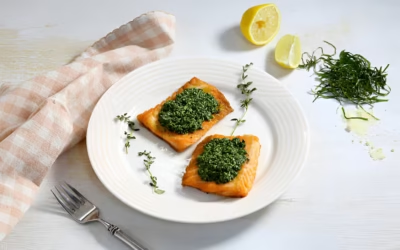
Air Fryer Pesto Salmon: Quick and Flavorful Weeknight Dinner
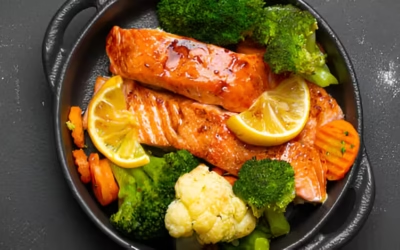
Air Fry Salmon and Broccoli: Quick and Healthy One-Pan Dinner
Morey’s Salmon Air Fryer: Perfectly Cooked Frozen Salmon
Trader Joe’s Salmon Burger Air Fryer: Quick and Easy Guide
Air Fryer Lemon Pepper Salmon: Quick & Easy Weeknight Dinner
Easy Air Fryer Bang Bang Salmon Bites Recipe
Air Fry Sockeye Salmon: Perfect Wild Alaskan Salmon
Ninja Air Fryer Salmon: Perfect Results in 10 Minutes