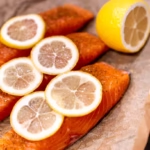
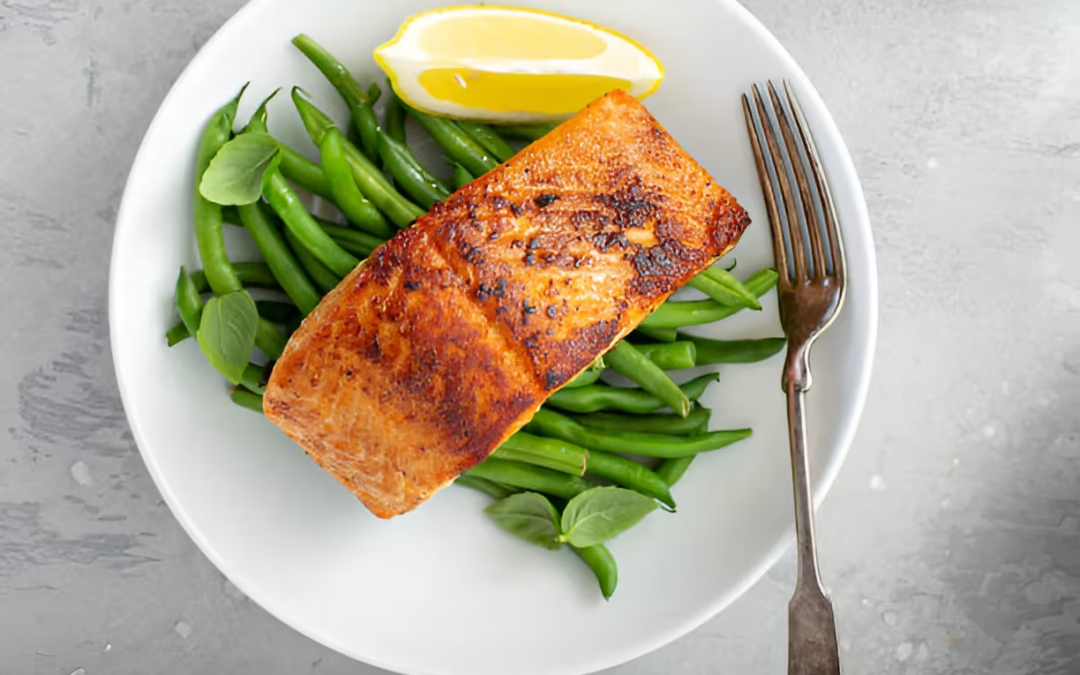
Master the art of cooking air fry sockeye salmon with this complete guide! Learn how to transform wild-caught Alaskan sockeye into restaurant-quality perfection with crispy skin, tender flesh, and bold flavor—all in under 15 minutes using your air fryer.
Why Sockeye Salmon is Perfect for Air Frying
Sockeye salmon, also known as red salmon, is a premium wild-caught variety from Alaska and the Pacific Northwest that’s perfectly suited for air fryer cooking. Its lean, firm texture and deep red color make it one of the most visually stunning and nutritionally superior salmon varieties available.
Unlike fattier salmon varieties like Atlantic or King salmon, wild sockeye salmon has a unique composition that requires slightly different cooking techniques. With lower fat content and denser flesh, sockeye needs careful attention to prevent drying out—and that’s exactly where the air fryer excels.
The air fryer’s rapid hot air circulation creates an ideal cooking environment for wild caught sockeye salmon. The high heat quickly sears the exterior while the circulating air gently cooks the interior, ensuring the lean flesh stays moist and tender while developing a beautiful crispy crust.
Key Advantages of Air Frying Sockeye:
- Preserves moisture: Critical for lean sockeye salmon
- Quick cooking time: 7-10 minutes prevents overcooking
- Crispy skin: Hot air crisps skin perfectly
- Even cooking: No hot spots or uneven temperatures
- Healthy method: Minimal oil needed
- No fishy smell: Contained cooking prevents kitchen odors
- Easy cleanup: Non-stick basket cleans in seconds
- Foolproof results: Consistent outcomes every time
Understanding Wild Sockeye Salmon
What Makes Sockeye Salmon Special?
Wild Alaskan sockeye salmon stands apart from other salmon varieties in several distinctive ways:
Appearance: The most visually striking salmon, sockeye features deep red-orange flesh that comes from a diet rich in carotenoids, particularly astaxanthin. This vibrant color is a sign of superior nutrition and quality. The flesh is darker and richer than pink or Atlantic salmon.
Flavor Profile: Sockeye has the boldest, most pronounced salmon flavor of all varieties. Often described as nutty, rich, and robust, it’s the salmon for people who truly love the taste of fish. The flavor intensifies when grilled or air fried, taking on a slightly sweet, almost caramelized quality.
Texture: Firmer and meatier than Atlantic salmon, sockeye has a satisfying bite. The lean flesh flakes beautifully when cooked properly but can become dry if overcooked due to its lower fat content (about 4-7% compared to Atlantic’s 10-15%).
Nutritional Superiority: Wild sockeye salmon contains:
- Highest vitamin D content of any salmon (over 100% RDA per serving)
- Exceptional omega-3 levels (2.7g per 100g serving)
- Rich in astaxanthin, a powerful antioxidant
- Lower mercury levels than most fish
- No artificial additives (always wild-caught, never farmed)
- High-quality protein (30.5g per 5 oz fillet)
Sockeye vs. Other Salmon Varieties
Understanding these differences helps you adjust cooking techniques:
Sockeye Salmon:
- Always wild-caught from Alaska and Pacific Northwest
- 4-7% fat content (lean)
- Deep red flesh
- Bold, pronounced flavor
- Firm, meaty texture
- Requires shorter cooking times
- Higher in astaxanthin and vitamin D
- Best for: Grilling, air frying, roasting, smoking
King Salmon (Chinook):
- 15-20% fat content (very fatty)
- Lighter orange flesh
- Buttery, mild flavor
- Soft, delicate texture
- More forgiving to cook (hard to overcook)
- Premium price point
- Best for: Any method, especially when served raw
Coho Salmon (Silver):
- 6-9% fat content (moderate)
- Medium orange flesh
- Mild to moderate flavor
- Medium texture
- Similar cooking to sockeye but slightly more fat
- Mid-range price
- Best for: All cooking methods
Atlantic Salmon:
- 10-15% fat content (fatty)
- Light orange/pink flesh
- Mild, buttery flavor
- Soft texture
- Mostly farm-raised
- Very forgiving to cook
- Budget-friendly
- Best for: All cooking methods, especially baking
Pink and Chum Salmon:
- 3-5% fat content (very lean)
- Light pink flesh
- Mild flavor
- Delicate texture
- Often canned
- Budget-friendly
- Best for: Canning, smoking, salmon cakes
Key Takeaway for Air Frying: Sockeye’s lean composition means it cooks faster than fattier varieties and requires more attention to prevent drying out. Using proper technique and temperature is essential for perfect results.
Essential Ingredients for Air Fry Sockeye Salmon
For the Salmon:
- Wild sockeye salmon fillets (4 pieces, 6-8 oz each, ¾-1 inch thick) – Skin-on strongly recommended
- Avocado oil or olive oil (1-2 tablespoons) – Critical for moisture
- Kosher salt (1 teaspoon) – Essential seasoning
- Black pepper (½ teaspoon) – Freshly ground
- Lemon wedges – For serving
Classic Sockeye Seasoning Blend:
This blend complements sockeye’s bold flavor without overpowering it:
- Garlic powder (1 tablespoon) – Savory backbone
- Smoked paprika (1 tablespoon) – Smoky depth and color
- Onion powder (1 teaspoon) – Sweet aromatics
- Dried dill (1 teaspoon) – Classic salmon herb
- Lemon zest (1 teaspoon) – Brightness
- Sea salt (to taste) – Enhances flavors
Ingredient Selection for Best Results:
Choosing Quality Sockeye: Always buy wild Alaskan sockeye salmon when possible. Look for:
- Deep red-orange color (not pale pink)
- Firm flesh that springs back when touched
- Fresh ocean smell (never fishy or ammonia-like)
- Clear labeling: “Wild,” “Alaska,” or “Pacific”
- Avoid any with brown spots or discoloration
Fresh vs. Frozen Sockeye: Both work excellently for air frying:
Fresh sockeye (May-September peak season):
- Available during summer salmon runs
- Premium quality and flavor
- Higher price point
- Use within 1-2 days of purchase
- Best for special occasions
Frozen sockeye (year-round availability):
- Flash-frozen on boats within hours of catch
- Preserves nutrients and quality
- More affordable
- Thaw overnight in refrigerator
- Pat very dry before cooking
Thickness Matters for Sockeye: Choose fillets that are ¾-1 inch thick. Sockeye fillets are naturally thinner than Atlantic salmon:
- Under ¾ inch: Cooks too quickly, higher risk of drying out
- ¾-1 inch: Perfect thickness for air frying
- Over 1 inch: Rare for sockeye, reduce temperature to 375°F
Skin-On is Essential: Never remove sockeye skin before cooking! The skin:
- Protects lean flesh from overcooking
- Becomes incredibly crispy in the air fryer
- Adds flavor and moisture
- Prevents sticking to basket
- Can be easily removed after cooking if preferred
- Contains omega-3s and nutrients
Oil Selection: For lean sockeye, oil choice matters:
Avocado oil (Recommended):
- 520°F smoke point
- Neutral flavor
- High in monounsaturated fats
- Perfect for high-heat air frying
Olive oil (Good):
- 375-420°F smoke point (extra virgin lower)
- Adds Mediterranean flavor
- Works well at 390°F or below
Coconut oil (Alternative):
- 350°F smoke point
- Adds subtle sweetness
- Complements Asian-inspired seasonings
Step-by-Step Air Fry Sockeye Salmon Instructions
Preparation (10 minutes):
- Thaw if frozen: If using frozen Alaska sockeye salmon, thaw overnight in refrigerator. Never thaw at room temperature or in hot water. For quick thawing, place sealed fillets in cold water for 30-45 minutes.
- Bring to room temperature: Remove fillets from refrigerator 15-20 minutes before cooking. This crucial step ensures even cooking throughout. Cold sockeye straight from the fridge will have a cold center when the exterior is done.
- Check for pin bones: Run fingers along the fillet to feel for small bones. Remove with tweezers or needle-nose pliers. Sockeye typically has fewer pin bones than other varieties.
- Pat completely dry: Use multiple paper towels to thoroughly dry both flesh and skin. This is absolutely critical—even a few drops of moisture will steam the fish instead of creating a crispy sear. Pay special attention to the skin side.
- Score the skin (optional): For very thick skin, make 2-3 shallow diagonal cuts. This helps fat render and prevents curling during cooking.
- Season the salmon: Brush or spray both sides generously with oil, ensuring complete coverage of the skin. Combine all dry seasonings in a small bowl. Sprinkle liberally over the flesh side, pressing gently to adhere. Lightly season the skin with just salt.
Cooking Process (7-10 minutes):
- Preheat the air fryer: Set temperature to 380-390°F (slightly lower than fattier salmon). Preheat for 3-5 minutes. Preheating ensures immediate searing.
- Prepare the basket: Lightly spray with avocado oil or olive oil. For insurance against sticking, line with perforated parchment paper designed for air fryers.
- Arrange the sockeye: Place fillets skin-side down in a single layer, leaving ½ inch space between each. Never overcrowd—cook in batches if necessary for proper air circulation.
- Spray the tops: Give the seasoned flesh a light spray of oil. This promotes browning and helps prevent drying.
- Air fry: Cook at 380-390°F for 7-10 minutes without flipping:
- ¾ inch thick: 7-8 minutes
- 1 inch thick: 8-10 minutes
- If starting from frozen: 13-17 minutes (flip halfway and season after flip)
- Check for doneness: At 7 minutes, insert an instant-read thermometer into the thickest part:
- Medium-rare (recommended for sockeye): 120-125°F
- Medium: 130-135°F
- Medium-well: 140-145°F
- Rest before serving: Let salmon rest on the basket or a plate for 2-3 minutes. The internal temperature will rise 5-10°F during resting, and juices will redistribute throughout the flesh.
- Serve immediately: Garnish with fresh lemon wedges, fresh dill or parsley, and enjoy immediately for best texture.
Visual Doneness Cues for Sockeye:
Beyond temperature, look for these signs:
- Flesh changes from translucent deep red to opaque salmon-pink
- Flakes easily when tested gently with a fork
- Natural white protein (albumin) may appear—this is normal
- Skin is crispy and golden
- Edges are lightly caramelized
- Center should still be slightly darker (for medium-rare)
Important Note: Because sockeye is leaner than Atlantic salmon, it’s better to slightly undercook rather than overcook. The fish continues cooking from residual heat after removal from the air fryer.
Achieving Perfect Results with Lean Sockeye
The Moisture Challenge
Wild caught sockeye salmon presents a unique challenge due to its lean composition. Follow these techniques for consistently moist results:
Pre-Cooking Moisture Retention:
Brining (Highly Recommended): A 15-minute brine dramatically improves moisture retention:
- Dissolve ¼ cup kosher salt in 4 cups cold water
- Submerge sockeye fillets for 15 minutes (no longer)
- Rinse thoroughly and pat very dry
- Proceed with normal seasoning
Benefits: Seasons throughout, reduces albumin, and creates a moisture buffer.
Marinating: For sockeye, use oil-based marinades that add fat:
- Marinate 20-30 minutes (4 hours maximum)
- Must contain oil or fat (olive oil, sesame oil, mayo)
- Pat excess marinade off before cooking
- Helps compensate for lean flesh
Oil Application: Use more oil on sockeye than you would on Atlantic salmon:
- Brush oil generously on both sides
- Don’t just spray—actually coat the surface
- The oil helps conduct heat evenly and adds richness
Temperature Control for Sockeye
Lower Temperature Range: Cook sockeye at 380-390°F rather than 400°F used for fattier varieties. The lower temperature:
- Prevents exterior from drying before interior cooks
- Allows more even cooking throughout
- Gives you a wider window to check doneness
- Still creates beautiful browning
Pull Earlier: Remove sockeye at 120-130°F rather than 135-145°F:
- Carryover cooking brings it to perfect doneness
- Sockeye dried out at 145°F loses its magic
- Medium-rare (125-130°F) is ideal for sockeye
- The center should still be slightly translucent
Check Early and Often: Start checking at 6 minutes for ¾-inch fillets:
- Insert thermometer horizontally into thickest part
- Check multiple spots—sockeye can cook unevenly
- Better to check frequently than overcook
Creating Crispy Skin on Sockeye
Despite being lean, sockeye can achieve incredibly crispy skin:
Dry Thoroughly: This cannot be overstated. Use 3-4 paper towels if needed to remove every bit of moisture from the skin.
Salt the Skin: Sprinkle kosher salt directly on skin 10 minutes before cooking:
- Salt draws out moisture
- Creates a drier surface for crisping
- Seasons the skin itself
Oil Generously: Brush or spray the skin with extra oil:
- Oil conducts heat efficiently
- Promotes the Maillard reaction
- Helps skin crisp rather than toughen
High Heat Finish (Optional): For ultra-crispy skin, increase temperature:
- Cook at 380°F for 6 minutes
- Increase to 400°F for final 2 minutes
- Monitor closely to prevent burning
Don’t Flip: Keep skin-side down the entire time:
- Flipping disturbs the crisping process
- The air circulation cooks the top perfectly
- Sockeye’s firmness means it won’t fall apart
Flavor Variations and Marinades for Sockeye
Asian-Inspired Soy Ginger
Perfect for air fryer wild salmon:
Marinade Ingredients:
- ¼ cup soy sauce or tamari
- 2 tablespoons toasted sesame oil
- 2 tablespoons rice vinegar
- 2 tablespoons honey
- 4 cloves garlic, grated
- 2 tablespoons fresh ginger, grated
- 1 teaspoon sriracha
Method: Combine ingredients, marinate sockeye 20-30 minutes. Pat dry before cooking. Cook at 380°F for 7-9 minutes. Garnish with sesame seeds and scallions.
Maple Dijon Glaze
Sweet and tangy combination:
Glaze Ingredients:
- 3 tablespoons pure maple syrup
- 2 tablespoons Dijon mustard
- 1 tablespoon soy sauce
- 1 tablespoon apple cider vinegar
- 2 cloves garlic, minced
- ½ teaspoon black pepper
Method: Brush half the glaze on sockeye before cooking. Cook at 380°F for 6 minutes, brush with remaining glaze, cook 2-3 more minutes until caramelized.
Mediterranean Herb Crust
Light and aromatic:
Ingredients:
- 3 tablespoons olive oil
- 2 tablespoons lemon juice
- 2 teaspoons dried oregano
- 2 teaspoons dried basil
- 1 teaspoon lemon zest
- 4 cloves garlic, minced
- ½ teaspoon red pepper flakes
- ¼ cup panko breadcrumbs (optional)
Method: Combine herbs with oil and lemon. Coat sockeye, let rest 15 minutes. For extra crust, press panko into seasoned fish. Cook at 390°F for 8-10 minutes.
Cajun Blackened Sockeye
Bold and spicy:
Cajun Rub:
- 2 tablespoons smoked paprika
- 1 tablespoon sweet paprika
- 1 tablespoon garlic powder
- 1 tablespoon onion powder
- 1 teaspoon cayenne pepper
- 1 teaspoon dried oregano
- 1 teaspoon dried thyme
- 1 teaspoon black pepper
- ½ teaspoon salt
Method: Coat oiled sockeye generously with rub. Press firmly to adhere. Cook at 390°F for 7-9 minutes for authentic blackened crust.
Honey Garlic Butter
Sweet and savory richness:
Glaze Ingredients:
- 3 tablespoons butter, melted
- 3 tablespoons honey
- 4 cloves garlic, minced
- 1 tablespoon lemon juice
- 1 teaspoon soy sauce
- ½ teaspoon red pepper flakes
Method: Mix ingredients. Brush on sockeye before cooking. Cook at 380°F for 6 minutes, brush again, cook 2-3 more minutes.
Lemon Herb Butter
Classic elegance for sockeye:
Compound Butter:
- 4 tablespoons butter, softened
- 2 tablespoons fresh dill, chopped
- 2 tablespoons fresh parsley, chopped
- 2 cloves garlic, minced
- 1 tablespoon lemon zest
- 1 tablespoon lemon juice
- Salt and pepper to taste
Method: Mix all ingredients. Place a generous pat on hot sockeye immediately after cooking. Let melt over the fish.
Teriyaki Glazed Sockeye
Sweet Japanese-inspired flavor:
Teriyaki Sauce:
- ¼ cup soy sauce
- 3 tablespoons mirin
- 2 tablespoons brown sugar
- 1 tablespoon rice vinegar
- 2 cloves garlic, minced
- 1 teaspoon ginger, grated
- 1 teaspoon cornstarch mixed with 1 tablespoon water
Method: Simmer sauce ingredients until thickened. Brush on sockeye during last 3 minutes of cooking. Serve with extra sauce.
Serving Suggestions for Sockeye Salmon
Complete Meal Ideas:
Alaskan-Inspired Plate:
- Air fried sockeye salmon as the star
- Wild rice pilaf with mushrooms
- Roasted asparagus with lemon
- Cucumber dill salad
- Tartar sauce or dill aioli
Asian Fusion Bowl:
- Teriyaki-glazed sockeye
- Jasmine rice or forbidden rice
- Edamame and snap peas
- Pickled ginger and wasabi
- Sesame seeds and scallions
- Spicy mayo drizzle
Mediterranean Feast:
- Herb-crusted sockeye
- Quinoa tabbouleh
- Roasted cherry tomatoes
- Kalamata olives and feta
- Tzatziki sauce
- Grilled lemon halves
Power Bowl:
- Simply seasoned sockeye
- Quinoa or farro base
- Roasted sweet potato cubes
- Massaged kale
- Avocado slices
- Tahini dressing
Southern Comfort:
- Cajun blackened sockeye
- Creamy grits or dirty rice
- Collard greens
- Black-eyed peas
- Cornbread
- Remoulade sauce
Perfect Side Dishes:
Vegetables (can cook simultaneously in air fryer):
- Brussels sprouts (12 minutes at 400°F)
- Green beans with almonds (8 minutes at 400°F)
- Broccoli florets (8 minutes at 400°F)
- Asparagus (7 minutes at 400°F)
- Zucchini and squash (10 minutes at 380°F)
Starches:
- Wild rice blend
- Roasted fingerling potatoes
- Sweet potato wedges
- Garlic mashed cauliflower
- Quinoa pilaf
Salads:
- Mixed greens with lemon vinaigrette
- Cucumber and dill salad
- Asian cabbage slaw
- Arugula with shaved parmesan
- Kale Caesar
Sauce Pairings for Sockeye:
Creamy Sauces:
- Dill sauce (Greek yogurt, fresh dill, lemon, garlic)
- Lemon caper aioli
- Horseradish cream
- Tzatziki
- Avocado crema
Bright Sauces:
- Chimichurri
- Salsa verde
- Mango salsa
- Pineapple relish
- Fresh pico de gallo
Asian Sauces:
- Ponzu sauce
- Sweet chili sauce
- Ginger scallion sauce
- Miso butter
- Teriyaki glaze
Nutritional Benefits of Wild Sockeye Salmon
Outstanding Nutritional Profile
Per 5 oz (140g) serving of wild Alaska sockeye salmon:
- Calories: 214 kcal
- Protein: 30.5g
- Fat: 10g
- Omega-3 fatty acids: 1,580mg (EPA + DHA)
- Omega-6 fatty acids: 110mg
- Saturated fat: 2g
- Carbohydrates: 0g
- Vitamin D: 140% DV (highest of all salmon)
- Vitamin B12: 120% DV
- Niacin (B3): 50% DV
- Vitamin B6: 40% DV
- Selenium: 60% DV
- Potassium: 24% DV
- Phosphorus: 25% DV
Health Benefits of Wild Sockeye:
1. Exceptional Heart Health Support
Sockeye salmon has the highest omega-3 content of any commonly available fish (2.7g per 100g). These omega-3 fatty acids (EPA and DHA):
- Lower triglycerides by up to 30%
- Reduce blood pressure
- Prevent dangerous heart arrhythmias
- Improve blood vessel function
- Reduce inflammation throughout cardiovascular system
- Lower risk of heart attack and stroke
2. Brain Health and Cognitive Function
The high DHA content in sockeye:
- Supports brain structure and function
- May reduce risk of Alzheimer’s and dementia
- Improves memory and learning
- Supports mood and mental health
- May help reduce depression symptoms
- Protects against cognitive decline
3. Powerful Antioxidant Protection
Wild sockeye’s deep red color comes from astaxanthin, a potent antioxidant that:
- Has 6,000 times the antioxidant power of vitamin C
- Protects cells from oxidative damage
- Supports skin health and reduces UV damage
- Reduces inflammation
- May lower cancer risk
- Supports eye health
4. Vitamin D Superstar
With over 100% DV per serving, sockeye provides:
- Bone health support
- Immune system function
- Reduced inflammation
- Cancer prevention properties
- Mood support
- Better calcium absorption
5. Superior Protein Quality
Complete protein with all essential amino acids:
- Supports muscle growth and repair
- High in leucine for muscle synthesis
- Helps prevent age-related muscle loss (sarcopenia)
- Promotes satiety and weight management
- Supports immune function
6. Low Mercury, High Safety
Wild Alaskan sockeye is one of the lowest-mercury fish options:
- Safe for pregnant women (in moderation)
- Safe for children
- Can be eaten 2-3 times per week safely
- No artificial additives or antibiotics
- No growth hormones
7. Anti-Inflammatory Properties
The combination of omega-3s and astaxanthin:
- Reduces chronic inflammation
- May help with arthritis symptoms
- Supports recovery from exercise
- Reduces disease risk
- Improves overall cellular health
8. Eye Health Support
DHA and astaxanthin together:
- Protect retinal health
- May reduce macular degeneration risk
- Support vision quality
- Protect against eye strain
- May reduce glaucoma risk
Wild Sockeye vs. Farmed Atlantic Salmon:
Sockeye (Wild):
- Lower fat (10g vs. 13-15g)
- Lower calories (214 vs. 240)
- Higher omega-3 ratio
- Higher astaxanthin (natural)
- Higher vitamin D
- No antibiotics or hormones
- Lower contaminants
- More sustainable
Atlantic (Farmed):
- Higher total omega-3 (but lower quality)
- Softer texture
- Milder flavor
- Year-round availability
- Lower cost
- May contain antibiotics
- Higher PCB levels
- Environmental concerns
Air Frying Frozen Sockeye Salmon
Cooking from Frozen
Frozen wild sockeye salmon cooks beautifully in the air fryer when you follow these guidelines:
Direct from Frozen Method:
- Don’t thaw: Remove frozen fillets from packaging. Rinse briefly under cold water to remove ice crystals. Pat dry as much as possible.
- Season the skin: Lightly spray or brush frozen fillets with oil. Season skin side with salt.
- Initial cook: Place skin-side down in air fryer basket. Cook at 380°F for 7 minutes.
- Season and continue: After 7 minutes, the top will be thawed. Brush with oil, add seasonings, and spray lightly.
- Finish cooking: Continue cooking for 6-10 more minutes (13-17 minutes total) depending on thickness:
- ¾ inch: 13-14 minutes total
- 1 inch: 15-17 minutes total
- Check temperature: Insert thermometer into thickest part. Target 125-130°F for medium-rare.
Partial Thaw Method (Recommended):
For more even cooking:
- Run sealed frozen fillets under cold water for 5-10 minutes
- Pat thoroughly dry
- Season as normal
- Add 2-3 minutes to fresh cooking time
- Results in better texture than completely frozen
Tips for Frozen Sockeye Success:
- Individual fillets work best: Fillets frozen separately cook more evenly than those frozen in a block
- Don’t skip the mid-cook seasoning: Seasoning frozen fish before cooking is less effective
- Check multiple spots: Frozen fish can have cold spots—check temperature in several places
- Expect slightly different texture: While delicious, frozen-then-cooked won’t be quite as perfect as fresh
- Flash-frozen is excellent: Sockeye frozen on boats within hours of catch is often better than “fresh” fish that’s days old
Storage and Meal Prep
Storing Raw Sockeye:
Refrigeration:
- Store in coldest part of refrigerator (32-35°F)
- Use within 1-2 days of purchase
- Keep in original packaging or wrap tightly
- Place on ice in a shallow dish for extended freshness
Freezing:
- Wrap individual fillets tightly in plastic wrap
- Place in freezer bags with all air removed
- Label with date
- Freeze for up to 3 months
- Flash-frozen sockeye can last 6 months
Storing Cooked Sockeye:
Refrigeration:
- Cool completely before storing (15-20 minutes)
- Store in airtight containers
- Separate layers with parchment
- Keeps for 3-4 days
- Don’t stack wet fillets
Freezing:
- Cool completely first
- Wrap tightly in plastic, then foil
- Store in freezer bags
- Freeze for up to 2 months
- Note: Texture softens slightly when reheated
- Best used in salmon cakes, pasta, or salads
Reheating Air Fried Sockeye:
Air Fryer Method (Best):
- Preheat to 325°F
- Place sockeye skin-side down
- Heat for 3-4 minutes (less time than fattier salmon)
- Spray lightly with oil
- Don’t overheat or sockeye will dry out
Oven Method:
- Preheat to 275°F
- Place on baking sheet, loosely covered with foil
- Add 1 tablespoon water to pan
- Heat for 10-12 minutes
Microwave (Not Recommended for Sockeye):
- Lean sockeye dries out easily in microwave
- If necessary, use 50% power
- Cover with damp paper towel
- Heat in 20-second intervals
- Better to serve cold
Cold Serving (Excellent for Sockeye):
- Sockeye’s firm texture makes it perfect cold
- Flake over salads
- Use in grain bowls
- Make salmon salad sandwiches
- Top avocado toast
Meal Prep Strategies:
Sunday Batch Cooking:
- Cook 6-8 fillets at once (in batches)
- Store with different seasonings for variety
- Portion into individual containers
- Pair with pre-prepped grains and vegetables
- Ready-to-go meals all week
Marinade Prep:
- Prepare 3-4 different marinades
- Place raw sockeye in individual bags with marinades
- Refrigerate up to 24 hours
- Cook fresh each night for optimal texture
Component Prep:
- Cook sockeye and store separately
- Prep grains, vegetables, and sauces in advance
- Mix and match throughout the week
- Keeps sockeye texture perfect
Troubleshooting Common Issues
Problem: Sockeye is Dry and Tough
Solutions:
- Reduce cooking time by 1-2 minutes
- Check temperature at 6 minutes instead of 8
- Pull at 120-125°F (medium-rare is ideal for sockeye)
- Use a 15-minute brine before cooking
- Increase oil coating on fish
- Lower temperature to 375°F
- Don’t cook past 135°F internal
- Remember: Sockeye is leaner than Atlantic—it needs different treatment
Problem: White Protein (Albumin) Oozing Out
Solutions:
- This is harmless but unsightly
- Reduce cooking temperature to 375°F
- Pull at lower internal temp (125°F)
- Brine sockeye for 15 minutes before cooking
- Don’t overcook
- Can gently scrape off after cooking
Problem: Fish Tastes Too “Fishy”
Solutions:
- Use the freshest sockeye possible
- Wild sockeye should smell like the ocean, not “fishy”
- Soak in milk for 15-20 minutes before cooking
- Add more lemon juice to seasoning
- Ensure proper storage (32-35°F)
- Use within 1-2 days of purchase
- Thaw frozen sockeye in refrigerator only
Problem: Skin Won’t Crisp
Solutions:
- Pat skin even drier (use multiple paper towels)
- Salt skin 10 minutes before cooking
- Use more oil on the skin
- Increase final temperature to 400°F for last 2 minutes
- Score thick skin in crosshatch pattern
- Ensure basket isn’t overcrowded
- Make sure sockeye is skin-side down
Problem: Uneven Cooking
Solutions:
- Bring sockeye to room temperature before cooking
- Choose fillets of uniform thickness
- Don’t overcrowd basket (leave ½ inch between)
- Fully preheat air fryer
- Check temperature in multiple spots
- For tapered fillets, fold thin tail under
- Ensure even oil coating
Problem: Sticking to Basket
Solutions:
- Use more oil on basket and on skin
- Ensure skin is completely dry before cooking
- Use perforated parchment paper
- Always cook skin-side down
- Don’t use vegetable oil spray (damages coating)
- Let sockeye cook 2 minutes before attempting to move
Problem: Sockeye Cooks Too Fast
Solutions:
- Lower temperature to 370-375°F
- Choose thicker fillets (1 inch if possible)
- Start checking at 5 minutes
- Sockeye’s lean composition means faster cooking
- Reduce time compared to Atlantic salmon recipes
- Watch carefully during final minutes
Frequently Asked Questions
What temperature should I air fry sockeye salmon?
The optimal temperature for air fry sockeye salmon is 380-390°F, slightly lower than the 400°F used for fattier salmon like Atlantic. Sockeye’s lean composition requires lower heat to prevent the exterior from drying out before the interior cooks through.
How long does sockeye salmon take in the air fryer?
For fresh sockeye, cook ¾-inch fillets for 7-8 minutes and 1-inch fillets for 8-10 minutes at 380°F. For frozen sockeye, cook for 13-17 minutes total. Always use a thermometer—target 125-130°F for perfect medium-rare sockeye.
Do I need to flip sockeye salmon in the air fryer?
No! Never flip sockeye salmon. The air fryer’s circulating hot air cooks both sides evenly. Flipping disrupts the seasoning, can break the fish, and disturbs the crisping skin. Always cook skin-side down from start to finish.
Why does sockeye salmon dry out more easily than other salmon?
Wild sockeye salmon has significantly less fat (4-7%) compared to Atlantic salmon (10-15%) or King salmon (15-20%). This lean composition means it has less natural moisture and fat to keep it tender during cooking, making it more susceptible to drying out if overcooked.
Should I brine sockeye salmon before air frying?
Highly recommended! A 15-minute brine (¼ cup salt per quart of water) dramatically improves moisture retention in lean sockeye. It seasons throughout, reduces albumin, and creates a buffer against drying. Rinse thoroughly and pat very dry before cooking.
Can I cook frozen sockeye salmon in the air fryer?
Yes! Cook frozen sockeye directly at 380°F for 13-17 minutes, seasoning after the first 7 minutes when the top has thawed. For better results, run under cold water for 5-10 minutes to partially thaw, pat dry, and add only 2-3 minutes to fresh cooking time.
What’s the best doneness for sockeye salmon?
Medium-rare (125-130°F internal temperature) is ideal for sockeye salmon. At this temperature, the center is slightly translucent, the fish is moist and tender, and the bold flavor shines. Well-done sockeye (145°F+) becomes dry and tough due to its lean nature.
How is sockeye different from Atlantic salmon for air frying?
Sockeye is leaner (half the fat), has firmer texture, bolder flavor, and cooks faster. It requires lower temperature (380°F vs. 400°F), shorter cooking time (7-10 min vs. 10-12 min), and should be pulled at lower internal temp (125°F vs. 135°F) to prevent drying out.
Why is my sockeye salmon’s skin sticking to the basket?
Ensure the skin is completely dry before cooking, oil it generously, and always cook skin-side down. Using perforated parchment paper provides extra insurance. Sockeye’s lean composition means less natural fat to prevent sticking, so adequate oil is essential.
Can I remove sockeye salmon skin before cooking?
Not recommended! The skin protects lean sockeye flesh from overcooking, prevents sticking, becomes deliciously crispy, and adds flavor and omega-3s. You can easily remove it after cooking if you prefer not to eat it, but keeping it on during cooking is essential for best results.
Is wild sockeye salmon healthier than farmed Atlantic salmon?
Yes, in several ways. Wild sockeye has higher vitamin D content (140% vs. 100% DV), more astaxanthin (natural vs. synthetic), lower contaminants, no antibiotics or hormones, better omega-3 ratio, and is more sustainable. However, farmed Atlantic has slightly higher total omega-3s due to higher fat content.
How do I know when sockeye salmon is done?
Use an instant-read thermometer—target 125-130°F for medium-rare perfection. Visually, the flesh should be opaque salmon-pink with a slightly darker center, flake easily with a fork, and the skin should be crispy and golden. White protein (albumin) may appear, which is normal.
Can I meal prep sockeye salmon for the week?
Absolutely! Cook 6-8 fillets in batches, cool completely, and store in individual containers for 3-4 days. Sockeye’s firm texture holds up well for meal prep. It’s excellent served cold in salads and grain bowls, or gently reheated at 325°F for 3-4 minutes in the air fryer.
Why is sockeye salmon so red?
Wild sockeye’s deep red-orange color comes from astaxanthin, a powerful antioxidant carotenoid found in the krill and plankton they eat in the wild. This natural pigment indicates high nutritional quality and is one of the features that distinguishes wild sockeye from farmed salmon.
What’s the best way to season sockeye salmon?
Sockeye’s bold flavor can handle strong seasonings. Classic options include lemon-herb, garlic-paprika, Cajun blackening, or Asian glazes. Always use adequate oil (especially important for lean sockeye), generous seasoning, and fresh lemon. The robust flavor of sockeye won’t be overwhelmed by bold spices.
Expert Tips for Perfect Air Fry Sockeye Salmon
- Embrace medium-rare: Don’t cook sockeye to the same doneness as Atlantic salmon. Pull it at 125-130°F for the best texture and moisture.
- Invest in a reliable thermometer: With lean sockeye, the difference between perfect and overcooked is just a few degrees. An instant-read thermometer is essential.
- Brine for insurance: Even experienced cooks benefit from brining sockeye. That 15-minute soak provides a crucial moisture buffer.
- Oil generously: Lean sockeye needs more oil than fattier varieties. Don’t be shy—brush it on, don’t just spray.
- Lower your temperature: Recipes for Atlantic salmon often call for 400°F. Drop it to 380-390°F for sockeye to prevent drying.
- Buy wild, buy Alaskan: All sockeye is wild-caught, but Alaskan sockeye (especially Bristol Bay and Copper River) is the gold standard for quality and sustainability.
- Respect the season: Fresh sockeye runs from May-September. During peak season (June-July), splurge on fresh. Off-season, high-quality frozen is excellent.
- Score thick skin: If your sockeye has particularly thick skin, make shallow diagonal cuts to help it crisp and prevent curling.
- Don’t skip the rest: Those 2-3 minutes of resting are even more critical for lean sockeye. The carryover cooking and juice redistribution make a huge difference.
- Clean immediately: Sockeye’s oils can become sticky. Clean your air fryer basket while still warm for easiest cleanup.
- Serve immediately when hot: Lean sockeye shows quality loss faster than fatty salmon if it sits after cooking. Serve hot right away, or plan to serve cold.
- Save leftovers for cold applications: Leftover sockeye is outstanding in salads, grain bowls, and salmon salad due to its firm texture.
- Trust your senses: Fresh sockeye should smell like clean ocean water. Any “fishy” smell means it’s past its prime.
- Support sustainable fisheries: Choose sockeye from well-managed Alaskan fisheries. It’s one of the most sustainable seafood choices available.
Why Wild Sockeye Salmon Deserves a Spot in Your Rotation
Air fry sockeye salmon represents the perfect intersection of nutrition, sustainability, and exceptional flavor. This premium wild-caught variety delivers more omega-3s, vitamin D, and antioxidants than any other commonly available salmon, all while being one of the most sustainable seafood choices on the planet.
The air fryer method makes this nutritional powerhouse accessible for busy weeknights. No special skills required, no mess to clean up, no standing over a hot stove. Just season, cook for 8 minutes, and serve restaurant-quality wild Alaska sockeye salmon that tastes like you spent hours preparing it.
While sockeye’s lean composition requires slightly more attention than fattier varieties, the techniques in this guide make success virtually guaranteed. The brining, proper oil application, lower temperature, and precise timing ensure consistently moist, flavorful results that showcase sockeye’s bold, distinctive character.
From a health perspective, few foods rival the nutritional profile of wild sockeye salmon. With exceptional omega-3 content, sky-high vitamin D levels, powerful antioxidants, and complete protein, it’s a true superfood that supports heart health, brain function, and overall wellness. The air fryer method preserves these nutrients while using minimal added fat.
The sustainability factor cannot be overstated. Wild Alaskan sockeye salmon is one of the best-managed fisheries in the world, with strict protections written into Alaska’s constitution. By choosing sockeye, you’re supporting sustainable practices and healthy ecosystems while enjoying one of nature’s finest foods.
Whether you’re a health enthusiast seeking optimal nutrition, a seafood lover who appreciates bold flavor, or a busy parent needing quick healthy meals, air fryer wild sockeye salmon delivers on all fronts. Master these techniques, and you’ll have a go-to recipe that impresses every time.
Final Thoughts
Mastering the art of cooking air fry sockeye salmon opens up a world of quick, nutritious, absolutely delicious meals that celebrate one of the ocean’s finest offerings. The combination of wild Alaskan sockeye’s exceptional nutrition and bold flavor with the air fryer’s convenience creates a winning recipe for healthy eating success.
With proper technique—adequate oil, lower temperature, brining, and precise timing—you can consistently achieve moist, tender sockeye with crispy skin and rich flavor. While it requires slightly different treatment than fattier salmon varieties, the effort is minimal and the rewards are exceptional.
The deep red color, robust flavor, and firm texture of sockeye make it stand out both visually and culinarily. When you serve perfectly air-fried sockeye to family or guests, you’re offering not just a meal, but a premium seafood experience that rivals upscale restaurants.
From simple weeknight dinners to elegant entertaining, from meal prep bowls to special occasion centerpieces, wild caught sockeye salmon in the air fryer adapts beautifully. The versatility, combined with the health benefits and sustainability, makes it a protein worth featuring regularly in your meal rotation.
So seek out quality wild Alaskan sockeye, preheat your air fryer, and prepare to enjoy perfectly cooked salmon that honors this magnificent fish’s natural flavors while delivering restaurant-quality results in the comfort of your home. Your taste buds, your health, and the planet will all thank you.
Recipe Summary
Prep Time: 10 minutes (includes 15-minute optional brine)
Cook Time: 7-10 minutes
Total Time: 20-25 minutes
Servings: 4 sockeye salmon fillets
Cuisine: Alaskan, American, International
Diet: Keto-Friendly, Paleo, Gluten-Free, Whole30, Low-Carb, High-Protein, Heart-Healthy
You May Also Like
Air Fryer Pesto Salmon: Quick and Flavorful Weeknight Dinner
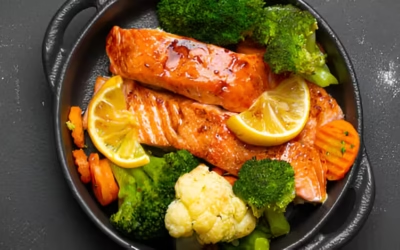
Air Fry Salmon and Broccoli: Quick and Healthy One-Pan Dinner
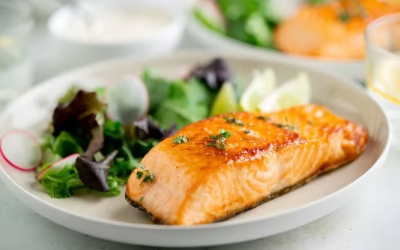
Morey’s Salmon Air Fryer: Perfectly Cooked Frozen Salmon
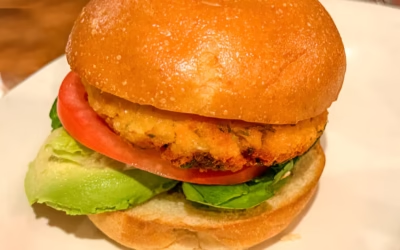
Trader Joe’s Salmon Burger Air Fryer: Quick and Easy Guide
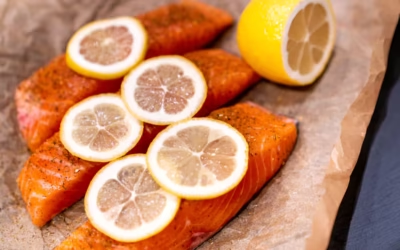
Air Fryer Lemon Pepper Salmon: Quick & Easy Weeknight Dinner
Easy Air Fryer Bang Bang Salmon Bites Recipe
Ninja Air Fryer Salmon: Perfect Results in 10 Minutes
Air Fryer Salmon Steak: Perfectly Cooked, Bone-In Salmon