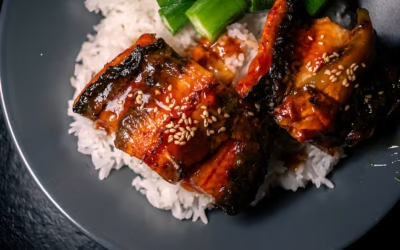
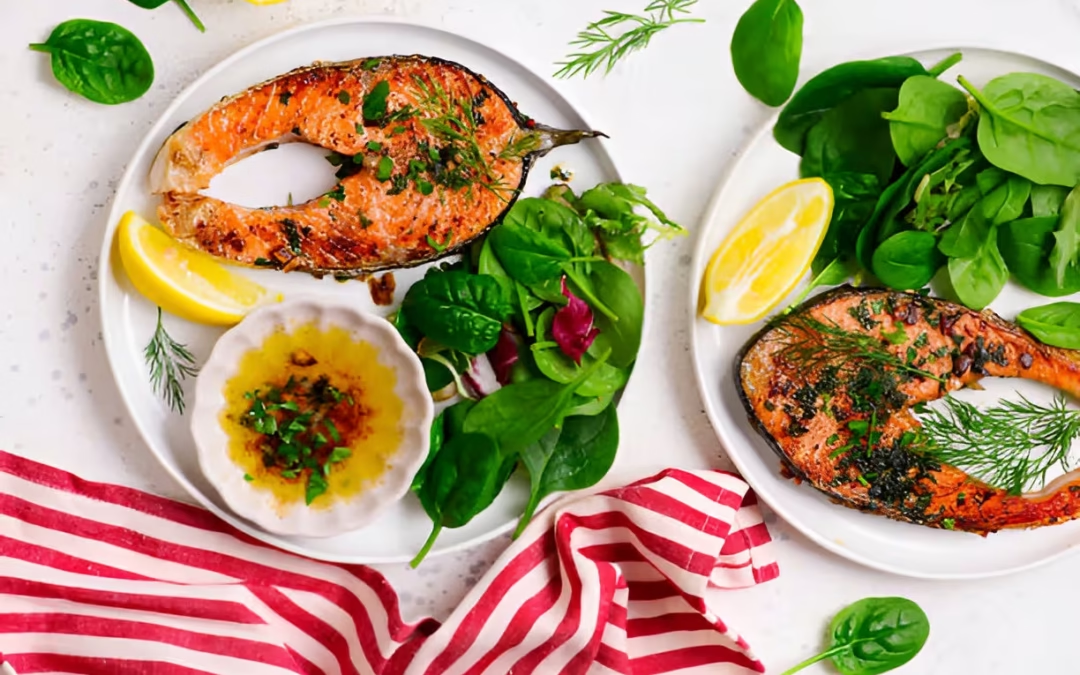
Know how to cook air fryer salmon steak to perfection in just 12 minutes! This comprehensive guide shows you how to achieve restaurant-quality results with juicy, flavorful bone-in salmon steaks that rival any upscale seafood restaurant—all with minimal cleanup and maximum convenience.
Why Air Fryer Salmon Steak is a Game-Changer
Salmon steaks represent one of the most underrated cuts of this magnificent fish. Unlike the more common salmon fillet, salmon steaks are cut crosswise through the bone, creating a horseshoe-shaped piece that includes the backbone, skin, and belly sections. When cooked in an air fryer, these hearty cuts deliver an exceptional eating experience with crispy skin, moist flesh, and rich flavor that comes from cooking on the bone.
This air fryer salmon steak recipe transforms a premium cut into an effortless weeknight meal. The air fryer’s circulating hot air creates an evenly cooked steak with a beautifully seared exterior and tender, flaky interior—all without heating up your kitchen or dealing with pan splatter.
Key Benefits:
- Bone-in flavor: The bone and skin enhance moisture and add rich, savory depth
- Uniform thickness: Cooks more evenly than tapered fillets
- Quick cooking: Ready in 10-14 minutes from start to finish
- Healthier method: Uses 70% less oil than traditional pan-searing
- No mess: No oil splatters, no fishy-smelling stovetop
- Foolproof results: Consistent outcomes even for beginners
- Budget-friendly: Often less expensive than premium fillets
Understanding Salmon Steaks: What Makes Them Special
What is a Salmon Steak?
A salmon steak is a cross-sectional cut taken perpendicular to the fish’s spine. This cutting method creates a distinct horseshoe or C-shape that includes the central backbone, rib bones, skin, and both the fatty belly section and the lean back portion in a single piece.
Salmon Steak vs Fillet: Key Differences
Understanding the distinction between these two popular cuts helps you make informed cooking decisions:
Salmon Steak:
- Cut crosswise through the bone
- Includes central backbone and rib bones
- Horseshoe or round shape
- Uniform 1-1.5 inch thickness throughout
- Includes skin on all edges
- Richer, more robust flavor
- Higher fat content
- More forgiving to cook (less likely to dry out)
- Ideal for grilling, pan-searing, and air frying
Salmon Fillet:
- Cut lengthwise parallel to the spine
- Boneless or minimal pin bones
- Long, rectangular shape
- Tapered thickness (thicker at one end)
- Skin typically on one side only
- Milder, more delicate flavor
- Leaner meat
- Can overcook more easily
- Versatile for all cooking methods
Why Choose Salmon Steaks: The bone acts as an insulator, conducting heat slowly and preventing overcooking while adding minerals and gelatin that create a silkier texture. The included belly section provides natural marbling that bastes the fish from within, resulting in exceptionally moist, flavorful meat that’s nearly impossible to dry out.
Best Types of Salmon for Steaks
While salmon steaks can be cut from any salmon variety, certain types work particularly well:
King Salmon (Chinook):
- Highest fat content (20-25%)
- Richest, most buttery flavor
- Premium price point
- Ideal for special occasions
Sockeye Salmon:
- Deep red-orange color
- Robust, pronounced salmon flavor
- Medium fat content
- Excellent for air frying
Coho Salmon (Silver):
- Moderate fat content
- Milder, delicate flavor
- Great texture for steaks
- Good mid-range option
Atlantic Salmon:
- Most commonly available
- Consistent fat content
- Mild, buttery flavor
- Typically farm-raised and affordable
Essential Ingredients for Perfect Air Fryer Salmon Steaks
For the Salmon Steaks:
- Salmon steaks (2-4 pieces, 6-8 oz each, 1-1.5 inches thick) – Fresh or thawed
- Olive oil or avocado oil (2 tablespoons) – For moisture and browning
- Kosher salt (1 teaspoon) – Enhances natural flavor
- Black pepper (½ teaspoon) – Fresh ground recommended
- Lemon wedges – For serving
Classic Seasoning Blend:
This simple blend enhances the salmon without overpowering its natural flavor:
- Garlic powder (1 teaspoon) – Savory depth
- Onion powder (1 teaspoon) – Sweet aromatics
- Smoked paprika (1 teaspoon) – Subtle smokiness and color
- Dried dill (½ teaspoon) – Classic salmon pairing
- Cayenne pepper (pinch, optional) – Gentle heat
Ingredient Selection Tips:
Fresh vs. Frozen Salmon Steaks: Fresh is always preferred for texture and flavor, but high-quality frozen salmon steaks work beautifully. Look for individually wrapped, flash-frozen steaks with no ice crystals or freezer burn. Thaw overnight in the refrigerator before cooking for best results.
Wild-Caught vs. Farm-Raised: Wild-caught salmon offers superior flavor and firmer texture but costs more. Farm-raised Atlantic salmon is fattier, more affordable, and widely available year-round. Both work excellently in the air fryer.
Bone-In vs. Boneless Steaks: Traditional salmon steaks include the backbone and rib bones. Some markets offer “boneless steaks” which are essentially thick fillet portions. While boneless is easier to eat, bone-in provides superior moisture, flavor, and is more forgiving during cooking.
Oil Selection: Avocado oil has a 520°F smoke point, making it ideal for high-heat air frying. Olive oil works perfectly fine, though extra virgin olive oil has a lower smoke point. Avoid butter for the initial cooking (save it for finishing).
Step-by-Step Instructions for Flawless Salmon Steaks
Preparation (5-10 minutes):
- Bring to room temperature: Remove salmon steaks from refrigerator 15-20 minutes before cooking. Room temperature fish cooks more evenly and prevents the exterior from overcooking while the center remains cold.
- Pat completely dry: Use paper towels to thoroughly dry both sides of each steak. This crucial step removes surface moisture that would steam the fish rather than create a crispy sear. Pay special attention to the crevices around the bone.
- Preheat the air fryer: Set temperature to 400°F and preheat for 5 minutes. A fully preheated air fryer ensures immediate searing and proper browning.
- Season generously: Brush or drizzle olive oil over both sides of each steak, ensuring the oil reaches into the curves around the bone. Combine all dry seasonings in a small bowl, then sprinkle liberally over both sides, pressing gently to adhere. Don’t be shy—the thick steaks can handle bold seasoning.
- Let seasoning set: Allow seasoned steaks to rest at room temperature for 5 minutes. This helps the seasonings penetrate the surface and the oil to soak in slightly.
Cooking Process (10-14 minutes):
- Prepare the air fryer basket: Lightly spray with cooking spray or brush with oil. If your air fryer tends to stick, line with perforated parchment paper designed for air fryers.
- Arrange the steaks: Place salmon steaks in a single layer with skin side down, ensuring they don’t touch each other. Leave at least ½ inch space between steaks for optimal air circulation. Cook in batches if necessary.
- Spray the tops: Give the seasoned surface a light spray with cooking oil. This promotes browning and creates that restaurant-quality crust.
- Air fry at 400°F: Cook for 10-14 minutes without flipping, following this timing guide:
- 1 inch thick steaks: 10-11 minutes
- 1.25 inch thick steaks: 12-13 minutes
- 1.5 inch thick steaks: 13-14 minutes
- Check for doneness: At the 10-minute mark, check internal temperature with an instant-read thermometer inserted into the thickest part (avoiding the bone). Target temperatures:
- Medium-rare: 120-125°F (will rise to 130°F while resting)
- Medium: 130-135°F (will rise to 140°F while resting)
- Well-done: 140-145°F
- Optional finish: For extra richness, remove steaks from air fryer and immediately top with a pat of herb butter or drizzle with lemon butter sauce.
- Rest before serving: Let salmon rest on a plate for 3-4 minutes. This allows the juices to redistribute throughout the meat, ensuring moist, flavorful results.
Visual Doneness Cues:
Beyond temperature, look for these signs:
- Flesh turns from translucent to opaque
- Meat flakes easily when tested with a fork
- Natural white protein (albumin) appears on the surface
- Skin is crispy and golden brown
- Edges are lightly caramelized
Achieving Restaurant-Quality Results
The Perfect Crust
Creating that coveted crispy exterior requires attention to detail:
Dry Surface is Essential: Moisture is the enemy of browning. Pat steaks so dry that they feel slightly tacky to the touch. This ensures maximum Maillard reaction—the chemical process that creates flavor and color.
Oil Application Technique: Brush or spray oil in a thin, even layer. Too much oil causes smoking and prevents crisping. Too little results in dry, pale fish. You want just enough to coat the surface and help seasonings adhere.
High Heat is Key: The 400°F temperature is non-negotiable for crispy salmon steaks. Lower temperatures steam the fish rather than sear it. If your air fryer runs hot, reduce to 380-390°F but expect slightly longer cooking times.
Don’t Flip: Unlike pan-searing, air fryer salmon steaks should not be flipped. The circulating air cooks both sides simultaneously. Flipping disturbs the crust, can break the delicate fish, and is simply unnecessary.
Moisture Retention Secrets
The Bone Advantage: The central bone acts as a heat conductor while also insulating the surrounding flesh. This creates a buffer zone that prevents overcooking. The bone also adds gelatin and minerals that enhance both flavor and texture.
The Skin Shield: Salmon skin contains collagen and fat that render during cooking, essentially basting the fish from the outside while creating a protective barrier. Never remove the skin before cooking—you can easily peel it off after if desired.
Don’t Overcook: Salmon continues cooking from residual heat after removal from the air fryer. Pull it out when the thermometer reads 5-10°F below your target temperature. The carryover cooking will bring it to perfection during the resting period.
Marinating for Extra Moisture: While not required, a 15-30 minute marinade can add both flavor and insurance against dryness. Oil-based marinades work particularly well, as they create a moisture barrier.
Delicious Marinades and Flavor Variations
Asian-Inspired Marinade:
Perfect for Asian salmon steaks:
- ¼ cup soy sauce or tamari
- 2 tablespoons rice vinegar
- 2 tablespoons sesame oil
- 2 tablespoons honey
- 3 cloves garlic, minced
- 1 tablespoon fresh ginger, grated
- 1 teaspoon sriracha (optional)
Method: Combine ingredients, marinate salmon steaks for 20-30 minutes. Pat dry before air frying to ensure proper browning.
Honey Mustard Glaze:
Sweet and tangy perfection:
- 3 tablespoons Dijon mustard
- 2 tablespoons honey
- 1 tablespoon olive oil
- 1 tablespoon lemon juice
- 2 cloves garlic, minced
- ½ teaspoon dried thyme
Method: Brush glaze over salmon before air frying. Reserve some to drizzle over cooked steaks.
Mediterranean Herb Blend:
Bright and aromatic:
- 2 tablespoons olive oil
- 2 tablespoons fresh lemon juice
- 2 teaspoons dried oregano
- 2 teaspoons dried basil
- 4 cloves garlic, minced
- 1 teaspoon lemon zest
- ½ teaspoon red pepper flakes
Method: Combine all ingredients and coat salmon steaks. Let rest 15 minutes before cooking.
Cajun Spice Rub:
For spicy salmon steaks:
- 1 tablespoon smoked paprika
- 1 tablespoon sweet paprika
- 1 teaspoon garlic powder
- 1 teaspoon onion powder
- 1 teaspoon dried oregano
- 1 teaspoon dried thyme
- ½ teaspoon cayenne pepper
- ½ teaspoon black pepper
- ½ teaspoon salt
Method: Generously coat oiled salmon steaks with spice blend. Press firmly to adhere.
Maple-Soy Glaze:
Sweet and savory harmony:
- 3 tablespoons pure maple syrup
- 2 tablespoons soy sauce
- 1 tablespoon apple cider vinegar
- 2 cloves garlic, minced
- 1 teaspoon Dijon mustard
- ½ teaspoon ground ginger
Method: Brush over salmon during last 2 minutes of cooking for a sticky, caramelized finish.
Lemon Herb Butter:
Classic elegance:
- 4 tablespoons butter, softened
- 2 tablespoons fresh parsley, chopped
- 1 tablespoon fresh dill, chopped
- 2 cloves garlic, minced
- 1 tablespoon lemon zest
- 1 tablespoon lemon juice
- Salt and pepper to taste
Method: Combine all ingredients. Place a pat on hot salmon steaks immediately after cooking.
Serving Suggestions and Side Dishes
Transform your air fryer salmon steaks into complete, restaurant-worthy meals:
Classic Pairings:
Steakhouse Style:
- Garlic mashed potatoes or roasted fingerlings
- Steamed asparagus with hollandaise
- Caesar salad
- Creamy horseradish sauce
Mediterranean Feast:
- Lemon herb quinoa or couscous
- Roasted cherry tomatoes with olive oil
- Grilled zucchini and eggplant
- Tzatziki sauce
- Greek salad with feta
Asian Fusion:
- Coconut jasmine rice or fried rice
- Stir-fried bok choy or Chinese broccoli
- Cucumber salad with rice vinegar
- Sesame ginger sauce
- Edamame
Southern Comfort:
- Creamy grits or dirty rice
- Collard greens with bacon
- Cornbread
- Cajun remoulade
- Coleslaw
Perfect Side Dishes:
Vegetables:
- Roasted Brussels sprouts with balsamic
- Air fryer green beans with almonds
- Honey-glazed carrots
- Roasted sweet potato wedges
- Grilled or roasted asparagus
- Sautéed spinach with garlic
- Roasted cauliflower with parmesan
Starches:
- Wild rice pilaf
- Garlic herb roasted potatoes
- Cilantro lime rice
- Creamy polenta
- Farro or barley salad
- Sweet potato mash
Salads:
- Mixed greens with lemon vinaigrette
- Arugula salad with shaved parmesan
- Cucumber and dill salad
- Caprese salad
- Asian cabbage slaw
Sauce Pairings:
Creamy Sauces:
- Dill sauce (sour cream, fresh dill, lemon)
- Tartar sauce
- Aioli variations (lemon, garlic, chipotle)
- Hollandaise sauce
- Creamy caper sauce
Butter Sauces:
- Lemon butter with capers
- Brown butter with sage
- Garlic herb butter
- Miso butter
Light Sauces:
- Chimichurri
- Salsa verde
- Mango salsa
- Pineapple relish
- Cucumber yogurt sauce
Bold Sauces:
- Teriyaki glaze
- Sweet chili sauce
- Ponzu sauce
- Cajun remoulade
Creative Ways to Use Leftover Salmon Steaks
Salmon Salad:
Flake cooled salmon steak and toss with mixed greens, cherry tomatoes, cucumber, avocado, and your favorite vinaigrette for a protein-packed lunch.
Salmon Tacos:
Remove bones, flake the meat, and serve in warm tortillas with cabbage slaw, avocado crema, and fresh cilantro.
Salmon Pasta:
Toss flaked salmon with pasta, cream, lemon zest, capers, and fresh dill for an elegant 15-minute meal.
Salmon Fried Rice:
Break salmon into chunks and fold into fried rice during the last minute of cooking for added protein and omega-3s.
Salmon Breakfast Hash:
Combine flaked salmon with crispy potatoes, peppers, and onions. Top with poached eggs for a hearty breakfast.
Salmon Grain Bowl:
Layer quinoa or rice, roasted vegetables, flaked salmon, and a drizzle of tahini or miso dressing.
Salmon Cakes:
Mix flaked salmon with breadcrumbs, egg, and seasonings. Form into patties and air fry for 8 minutes for quick salmon cakes.
Storage and Meal Prep Guidelines
Refrigeration:
Cooked Salmon Steaks:
- Cool completely before storing
- Place in airtight containers
- Separate layers with parchment to prevent sticking
- Store for 3-4 days maximum
- Keep bones intact for better moisture retention
Uncooked Marinated Steaks:
- Can marinate up to 4 hours before cooking
- Don’t exceed 4 hours or acid will “cook” the fish
- Pat dry before air frying for proper browning
Seasoned Uncooked Steaks:
- Season up to 24 hours ahead
- Store covered in refrigerator
- Bring to room temperature before cooking
Freezing:
Before Cooking:
- Wrap individual steaks tightly in plastic wrap
- Place in freezer bags with all air removed
- Label with date
- Freeze for up to 3 months
- Thaw overnight in refrigerator before cooking
- Can cook from frozen (add 4-5 minutes to cooking time)
After Cooking:
- Cool completely before freezing
- Wrap tightly in plastic, then foil
- Store in freezer bags
- Freeze for up to 2 months
- Note: texture will be softer when reheated
- Best used in recipes like salmon cakes or pasta
Reheating Methods:
Air Fryer (Best for Maintaining Texture):
- Preheat to 325°F
- Heat for 4-6 minutes until warmed through
- Spray lightly with oil for crispy skin
- Check internal temperature reaches 145°F
Oven:
- Preheat to 275°F
- Place on baking sheet, loosely covered with foil
- Heat for 12-15 minutes
- Add a tablespoon of water to prevent drying
Microwave (Quickest, Least Ideal):
- Place on microwave-safe plate
- Cover with damp paper towel
- Heat in 30-second intervals
- Will soften crust significantly
Stovetop:
- Heat non-stick pan over medium-low
- Add splash of oil or butter
- Warm 2-3 minutes per side
- Cover with lid to trap moisture
Meal Prep Strategies:
Sunday Prep for Week: Cook 4-6 salmon steaks at once. Store in individual containers with different seasonings or sauces for variety throughout the week. Pair with pre-prepped vegetables and grains for grab-and-go meals.
Marinated and Ready: Prepare 2-3 different marinades. Place raw salmon steaks in separate bags with marinades on Sunday. Cook fresh each night for minimal effort, maximum flavor.
Component Prep: Cook salmon steaks and store alongside prepared grains, roasted vegetables, and sauces in separate containers. Mix and match components for different meals throughout the week.
Troubleshooting Common Issues
Problem: Salmon Steak is Dry and Overcooked
Solutions:
- Reduce cooking time by 2 minutes
- Check temperature at 8-minute mark
- Don’t cook past 135°F internal temperature
- Ensure steaks are at least 1 inch thick
- Use fattier salmon varieties (King, Atlantic)
- Don’t skip the oil coating
- Consider marinating for extra moisture insurance
- Let steaks come to room temperature before cooking
Problem: Skin Sticks to Air Fryer Basket
Solutions:
- Use more cooking spray on basket
- Use perforated parchment paper designed for air fryers
- Never use vegetable oil cooking spray (damages non-stick coating)
- Ensure skin side is completely dry before cooking
- Always cook skin-side down
- Let salmon cook 1-2 minutes before attempting to move
Problem: Uneven Cooking (Edges Overcooked, Center Undercooked)
Solutions:
- Choose steaks of uniform thickness (1-1.5 inches ideal)
- Don’t overcrowd the basket
- Ensure at least ½ inch between steaks
- Fully preheat air fryer before adding fish
- Consider lowering temperature to 380°F and extending time
- Let steaks come to room temperature before cooking
- Check air fryer heating element for even heat distribution
Problem: Not Enough Browning or Crust
Solutions:
- Ensure salmon is completely dry before oiling
- Use more oil (but don’t pool it)
- Increase temperature to 410°F
- Extend cooking time by 1-2 minutes
- Spray tops with oil during last 2 minutes
- Don’t overcrowd basket
- Fully preheat air fryer
- Pat away excess marinade before cooking
Problem: Too Much Smoke from Air Fryer
Solutions:
- Reduce oil amount (excess drips and smokes)
- Clean air fryer thoroughly between uses
- Don’t use fatty marinades with high sugar content
- Lower temperature to 380-390°F
- Wipe out any oil pooling in bottom of basket mid-cook
- Some smoke is normal with high-heat cooking
- Ensure proper ventilation in kitchen
Problem: White Stuff (Albumin) Oozing Out
Solutions:
- This is normal—it’s harmless protein
- Reduce cooking temperature slightly (to 380°F)
- Don’t overcook (pull at 135°F internal)
- Brine salmon for 15 minutes before cooking (dissolves albumin)
- Pat very dry before cooking
- Can gently scrape off after cooking if desired
Problem: Fish Smells Too “Fishy”
Solutions:
- Always use fresh, high-quality salmon
- Fresh salmon should smell like the ocean, not “fishy”
- Cook salmon within 1-2 days of purchase
- Thaw frozen salmon in refrigerator, never at room temperature
- Soak in milk for 20 minutes before cooking to neutralize odors
- Add lemon juice to marinade to brighten flavor
- Ensure proper air fryer ventilation
Nutritional Information and Health Benefits
Per serving (6-8 oz salmon steak):
- Calories: 350-400 kcal
- Protein: 38-42g
- Fat: 20-24g
- Saturated Fat: 4-5g
- Omega-3 Fatty Acids: 2,800-3,500mg
- Omega-6 Fatty Acids: 800mg
- Carbohydrates: 2-3g (from seasonings)
- Fiber: 0g
- Sugar: 0-1g
- Sodium: 400-600mg (varies with seasoning)
- Cholesterol: 95-110mg
- Vitamin D: 140% DV
- Vitamin B12: 180% DV
- Selenium: 85% DV
Exceptional Health Benefits:
1. Omega-3 Powerhouse: Salmon steaks provide exceptional amounts of EPA and DHA omega-3 fatty acids, which support heart health, reduce inflammation, improve brain function, and may lower risk of chronic diseases.
2. Complete Protein Source: With all nine essential amino acids, salmon provides high-quality protein for muscle building, repair, and maintenance.
3. Bone Health Support: When you eat bone-in salmon steaks and consume the edible bones, you gain calcium, phosphorus, and vitamin D—a powerful trio for strong bones.
4. Brain and Cognitive Function: The combination of omega-3s, vitamin B12, and selenium supports cognitive function, memory, and may reduce risk of age-related mental decline.
5. Heart Health Champion: Regular salmon consumption is associated with lower blood pressure, reduced triglycerides, and decreased risk of heart disease.
6. Anti-Inflammatory Properties: The omega-3s and antioxidants in salmon help combat chronic inflammation linked to various diseases.
7. Thyroid Function: High selenium content supports healthy thyroid function and hormone production.
8. Skin and Hair Health: Omega-3 fatty acids, vitamin D, and protein contribute to healthy, glowing skin and strong hair.
9. Eye Health: Omega-3s DHA and EPA support retinal health and may reduce risk of macular degeneration.
10. Mood Support: Studies suggest regular omega-3 intake may help reduce symptoms of depression and anxiety.
Comparison to Pan-Fried Salmon Steaks:
- 50% less oil: Air frying uses 1-2 tablespoons vs. 4+ tablespoons for pan-frying
- Approximately 120 fewer calories: From reduced oil absorption
- Same protein and omega-3 content: Nutrition of the fish itself unchanged
- Better nutrient retention: Shorter cooking time preserves heat-sensitive vitamins
- No harmful compounds: No acrylamide or other compounds from oil degradation
Frequently Asked Questions
What temperature do you cook salmon steaks in the air fryer?
The optimal temperature for air fryer salmon steaks is 400°F. This high heat creates a beautifully seared exterior while cooking the thick steaks through in 10-14 minutes. Lower temperatures (350-375°F) will result in longer cooking times and less browning, while higher temperatures (425°F+) risk burning the exterior before the center cooks.
How long does it take to cook salmon steaks in an air fryer?
Cooking time depends on thickness: 1-inch steaks need 10-11 minutes, 1.25-inch steaks need 12-13 minutes, and 1.5-inch steaks need 13-14 minutes at 400°F. Always use an instant-read thermometer to confirm doneness—target 135-140°F internal temperature.
Do you flip salmon steaks in the air fryer?
No! One of the advantages of air fryer cooking is that you don’t need to flip the salmon steaks. The circulating hot air cooks both sides evenly. Flipping can disturb the seasoning, break the delicate fish, and is completely unnecessary.
Should I remove the skin from salmon steaks before air frying?
Absolutely not! The skin protects the delicate flesh from overcooking, becomes deliciously crispy in the air fryer, and helps the steak hold together. You can easily remove it after cooking if you prefer not to eat it, though crispy salmon skin is considered a delicacy.
Can I cook frozen salmon steaks in the air fryer?
While fresh or thawed salmon produces the best results, you can cook frozen salmon steaks. Add 4-5 minutes to the cooking time and check internal temperature carefully. For optimal results, thaw overnight in the refrigerator, which allows for better seasoning penetration and more even cooking.
What’s the difference between salmon steak and salmon fillet?
Salmon steaks are cut crosswise through the bone, creating a horseshoe shape that includes the backbone, skin, and both belly and back portions. Salmon fillets are cut lengthwise parallel to the bone, are typically boneless, and have a tapered rectangular shape. Steaks are thicker, include more fat, have richer flavor, and are more forgiving to cook.
How do you know when salmon steaks are done?
Use an instant-read thermometer—salmon is done at 145°F for FDA standards, though many prefer 130-140°F for medium. The flesh should turn from translucent to opaque, flake easily with a fork, and white protein (albumin) may appear on the surface. The skin should be crispy and golden.
Can I marinate salmon steaks before air frying?
Yes! Marinating adds flavor and can increase moisture. Marinate for 20-30 minutes (up to 4 hours maximum). Pat the steaks dry before air frying to ensure proper browning—excess moisture will steam rather than sear the fish.
Why do my salmon steaks come out dry?
The most common cause is overcooking. Salmon continues cooking from residual heat, so remove it at 135°F and let it rest. Other causes include cooking from cold (let steaks reach room temperature), insufficient oil coating, steaks too thin (aim for 1+ inch), or using lean salmon varieties. Choose fattier salmon like King or Atlantic for more forgiving results.
What are the white beads on my cooked salmon?
This is albumin, a harmless protein that coagulates and rises to the surface during cooking. While completely safe to eat, you can minimize it by cooking at slightly lower temperature (380°F), not overcooking (pull at 135°F), or brining the salmon for 15 minutes before cooking.
Can I cook multiple salmon steaks at once?
Yes, as long as they fit in a single layer without touching. Leave at least ½ inch space between steaks for proper air circulation. Depending on your air fryer size, you may need to cook in batches. The second batch may cook 1-2 minutes faster since the air fryer is already hot.
Should salmon steaks be at room temperature before cooking?
Yes! Let salmon steaks sit at room temperature for 15-20 minutes before cooking. This ensures even cooking throughout—cold centers can remain undercooked while exteriors overcook. Never leave raw fish at room temperature longer than 30 minutes.
How do you remove bones from salmon steaks?
The central backbone and rib bones can be easily removed after cooking. Use a fork to gently lift the backbone away from the flesh—it should come out cleanly in one piece. Pick out any remaining small bones with your fingers or tweezers. Alternatively, enjoy the fish around the bones as you would with any bone-in fish.
What’s the best way to season salmon steaks?
A simple combination of salt, pepper, garlic powder, and lemon works beautifully. The thick, fatty nature of salmon steaks can handle bold seasonings—try Cajun spice blends, Asian marinades, or Mediterranean herbs. The key is generous seasoning since the thick cut needs more flavor than thin fillets.
Expert Tips for Perfect Salmon Steaks Every Time
- Invest in quality fish: Fresh, wild-caught salmon offers superior flavor and texture. Look for bright color, firm flesh, and a clean ocean smell—never fishy or ammonia-like.
- Thickness matters: Choose steaks that are 1-1.5 inches thick for optimal results. Thinner steaks cook too quickly and risk drying out. Thicker steaks may require temperature reduction to cook evenly.
- Pat religiously dry: This cannot be overstated. Every droplet of surface moisture prevents browning and creates steam instead of sear. Use multiple paper towels if needed.
- Room temperature is crucial: Cold fish straight from the refrigerator won’t cook evenly. The 15-20 minute rest at room temperature makes a significant difference.
- Don’t fear the thermometer: Guessing doneness leads to overcooked, dry fish. An instant-read thermometer takes the guesswork out and ensures perfect results every time.
- Embrace the skin: Never remove it before cooking. The skin protects, moistens, crisps beautifully, and prevents sticking. Remove after cooking if you must, but give crispy skin a try!
- Consider brining: A 15-minute brine (¼ cup salt per quart of water) seasons the fish throughout and reduces albumin. Rinse and pat very dry before cooking.
- Rest is mandatory: Those 3-4 minutes of resting allow juices to redistribute, resulting in noticeably moister fish. Skipping this step wastes all your careful cooking.
- Batch cooking strategy: If cooking multiple steaks, the first batch may take 12 minutes while the second (in an already-hot air fryer) needs only 10 minutes. Monitor carefully.
- Clean between uses: Built-up oil and fish residue in your air fryer creates smoke and off-flavors. Clean thoroughly after every use for best results.
- Parchment insurance: If your air fryer has issues with sticking, invest in pre-cut perforated parchment circles. They prevent sticking while maintaining air flow.
- Finish with fat: A pat of compound butter, drizzle of quality olive oil, or brush of brown butter on hot salmon elevates it from good to spectacular.
Why Air Fryer Salmon Steak Deserves a Regular Spot in Your Rotation
Air fryer salmon steaks represent the perfect intersection of convenience, nutrition, and exceptional flavor. Unlike their fillet cousins, salmon steaks offer uniform thickness that cooks evenly, bone-in richness that prevents drying, and a fatty, robust flavor profile that satisfies even the pickiest eaters.
The air fryer method transforms this premium cut into an accessible weeknight meal. No special skills required, no mess to clean up, no standing over a hot stove. Just season, cook for 12 minutes, and serve restaurant-quality salmon that tastes like you spent hours preparing it.
The versatility cannot be overstated. Season simply with salt and pepper for weeknight ease, or marinate in Asian flavors for something special. Serve alongside roasted vegetables for a healthy dinner, flake into tacos for a casual meal, or present whole with elegant sides for company. The thick, forgiving nature of salmon steaks means they’re nearly impossible to ruin—even beginners achieve impressive results.
From a health perspective, few foods rival salmon’s nutritional profile. Packed with protein, omega-3 fatty acids, vitamins D and B12, and essential minerals, salmon steaks deliver exceptional nutrition in a delicious package. The air fryer method preserves these nutrients while using minimal oil, creating a meal that’s as good for your body as it is for your taste buds.
Whether you’re a salmon enthusiast looking for a new preparation method or someone intimidated by cooking fish, air fryer salmon steaks deliver consistent, impressive results that will make this recipe a regular fixture in your weekly meal plan.
Final Thoughts
Mastering air fryer salmon steak opens up a world of quick, healthy, delicious meals that rival anything from high-end seafood restaurants. The combination of the air fryer’s convenience with salmon steak’s forgiving, flavorful nature creates a foolproof recipe that delivers every single time.
The beauty lies in its simplicity. With just a few pantry spices, quality salmon steaks, and 12 minutes of cooking time, you can create an impressive main course that’s packed with nutrition and bursting with flavor. No complicated techniques, no expensive equipment, no culinary degree required—just straightforward, reliable results.
Whether you’re cooking for a health-conscious family dinner, prepping meals for the week, or creating an elegant date night at home, this recipe adapts beautifully. The thick, bone-in steaks forgive timing mistakes, welcome bold seasonings, and transform simple ingredients into something truly special.
Recipe Summary
Prep Time: 5-10 minutes
Cook Time: 10-14 minutes
Total Time: 18-27 minutes
Servings: 2-4 salmon steaks
Cuisine: American, International
Diet: Keto-Friendly, Paleo, Gluten-Free, Whole30, Low-Carb, High-Protein
You May Also Like
Air Fryer Pesto Salmon: Quick and Flavorful Weeknight Dinner
Air Fry Salmon and Broccoli: Quick and Healthy One-Pan Dinner
Morey’s Salmon Air Fryer: Perfectly Cooked Frozen Salmon
Trader Joe’s Salmon Burger Air Fryer: Quick and Easy Guide
Air Fryer Lemon Pepper Salmon: Quick & Easy Weeknight Dinner
Easy Air Fryer Bang Bang Salmon Bites Recipe
Air Fry Sockeye Salmon: Perfect Wild Alaskan Salmon
Ninja Air Fryer Salmon: Perfect Results in 10 Minutes