
Assembly Line Conveyor Belt Cooking: Efficiency & Innovation in Food Preparation

Assembly Line Conveyor Belt Cooking: Efficiency & Innovation in Food Preparation

The food industry has continually evolved to meet the demands of efficiency, consistency, and large-scale production. One of the most significant innovations in commercial food preparation is assembly line conveyor belt cooking.

This method streamlines the cooking process, allowing for high-speed, uniform production of various food items. From fast-food restaurants to large-scale food manufacturing plants, conveyor belt systems have become essential in ensuring precision, efficiency, and quality.

Understanding how these systems work, their benefits, and their impact on the industry highlights their importance in modern culinary operations.

How Assembly Line Conveyor Belt Cooking Works

Conveyor belt cooking operates by moving food items along a continuously running belt through different cooking stages. The belt moves at a controlled speed, allowing food to be cooked, grilled, baked, or fried in a uniform manner.

In fast-food establishments, conveyor belt ovens cook pizzas, sandwiches, and other dishes with precision, reducing the margin for human error. In industrial food processing plants, conveyor belts transport products through heating, cooling, and packaging stations, ensuring consistency in taste and texture.

Each section of the conveyor belt is designed for a specific task, such as preheating, searing, baking, or even cooling. Heat levels and cooking times are carefully calibrated, ensuring every item is cooked to perfection.

For example, in pizza production, dough moves through a preheating section, followed by a sauce and topping application station before passing through an oven that maintains the ideal temperature for even baking.

Similarly, burger patties in fast-food chains move along conveyor grills that cook them evenly on both sides without requiring manual flipping.

Advantages of Conveyor Belt Cooking in the Food Industry

One of the primary benefits of conveyor belt cooking is efficiency. Traditional cooking methods rely on chefs manually preparing, monitoring, and adjusting cooking times for each item.

Conveyor belt cooking eliminates guesswork by standardizing the process, allowing large volumes of food to be prepared with minimal human intervention. This efficiency leads to increased productivity, shorter preparation times, and the ability to serve more customers in a shorter period.

Another major advantage is consistency. When cooking food manually, variations in temperature, technique, and timing can affect the final product. Conveyor belt systems eliminate inconsistencies by maintaining precise cooking conditions.

Whether in a commercial bakery or a fast-food restaurant, every dish prepared using this system meets the same quality standard, ensuring customer satisfaction and brand reliability.

Food safety and hygiene are also significantly improved with conveyor belt cooking. Automated systems reduce the need for manual handling, minimizing contamination risks.

Many conveyor belt systems are designed with easy-to-clean surfaces and self-sanitizing features, making them ideal for food processing plants that require strict hygiene standards.

In environments where high-speed production is necessary, such as frozen food manufacturing, conveyor belts ensure that food passes through controlled environments that meet safety regulations.

Cost-effectiveness is another key advantage. While the initial investment in conveyor belt systems may be high, the long-term savings outweigh the costs. Reduced labor requirements mean lower staffing expenses, and the efficient use of energy and ingredients minimizes waste.

Many businesses see a return on investment through increased production capacity, lower operational costs, and higher customer satisfaction due to quicker service times.

Industries That Benefit from Conveyor Belt Cooking

Fast-food restaurants are among the most prominent users of conveyor belt cooking systems. Chains specializing in pizza, burgers, and sandwiches utilize these systems to ensure rapid service while maintaining product consistency.

For example, pizza ovens with conveyor belts cook multiple pizzas simultaneously, eliminating the need for constant supervision. Similarly, automated grills in burger chains ensure uniform cooking of patties, reducing wait times for customers.

Commercial bakeries also rely on conveyor belt cooking to mass-produce bread, pastries, and other baked goods. The system allows dough to rise, bake, and cool in a seamless process, reducing the need for manual intervention.

Large-scale bakeries benefit from the efficiency and uniformity provided by conveyor belt ovens, ensuring that every loaf or pastry maintains the desired texture and taste.

Food manufacturing plants that produce frozen meals, snacks, and processed foods use conveyor belt systems to automate cooking, packaging, and distribution.

Ready-to-eat meals pass through heating and freezing stations, ensuring they are cooked properly before being packaged for consumers. The ability to control temperatures and cooking times with precision makes conveyor belts indispensable in large-scale food production.

Challenges and Considerations in Conveyor Belt Cooking

Despite its many benefits, conveyor belt cooking comes with challenges. One of the main concerns is equipment maintenance. Conveyor belts require regular cleaning and servicing to prevent breakdowns that could disrupt production.

Food residue and grease buildup can affect the efficiency of the system, so proper maintenance is crucial in ensuring smooth operation.

Another challenge is adaptability. While conveyor belt systems work well for standardized menu items, they may not be ideal for highly customized dishes.

Restaurants that offer a diverse and constantly changing menu may find it difficult to integrate conveyor belt cooking into their operations. However, advances in automation technology are allowing for more customizable conveyor systems that can accommodate different cooking needs.

Initial costs can also be a barrier for small businesses. Investing in conveyor belt systems requires significant capital, making it more feasible for large restaurant chains and food manufacturers.

However, as technology advances and costs decrease, smaller establishments may find it easier to implement conveyor belt cooking in their kitchens.

The Future of Conveyor Belt Cooking

The future of conveyor belt cooking is driven by innovation and technological advancements. The integration of artificial intelligence and smart sensors is allowing for more precise control of cooking times and temperatures.

Automated monitoring systems can detect variations in food consistency and adjust settings in real-time, ensuring optimal results. Sustainability is also shaping the future of conveyor belt cooking.

Energy-efficient designs are reducing power consumption, making these systems more environmentally friendly. Manufacturers are developing conveyor belts with recyclable materials and improved heat retention capabilities, further enhancing efficiency.

Customization is becoming more accessible, with modular conveyor belt systems that allow chefs to adjust settings based on specific cooking requirements.

This flexibility is opening new possibilities for high-end restaurants and gourmet food establishments to incorporate conveyor belt cooking while maintaining culinary creativity.

As the demand for efficiency, consistency, and food safety continues to grow, conveyor belt cooking will play an increasingly important role in shaping the food industry.

Whether in fast-food chains, bakeries, or industrial food production, the ability to streamline cooking processes while maintaining quality makes conveyor belts an essential innovation.

Conclusion

Assembly line conveyor belt cooking has transformed the way food is prepared, particularly in large-scale and commercial settings. By increasing efficiency, ensuring consistency, and enhancing food safety, this technology has become a cornerstone of modern food production.

While challenges such as maintenance and initial investment exist, the long-term benefits make it a worthwhile innovation.

With advancements in automation, AI integration, and sustainability, conveyor belt cooking will continue to evolve, offering even greater efficiency and adaptability in the culinary world.

You May Also Like

How to Cook’s Sparkling Champagne?

How to Cook’s Sparkling Champagne?

Champagne isn’t just for toasting special occasions—it’s also a fantastic ingredient in the kitchen. Cooking with sparkling champagne can add depth, complexity, and a touch of elegance to various dishes, from savory sauces to decadent desserts.

Whether you’re using an expensive bottle or leftover bubbly, incorporating champagne into your recipes can enhance flavors and create restaurant-quality meals at home. In this guide, we’ll explore the best ways to cook with champagne, recommended pairings, and delicious recipes to try.

Why Cook with Sparkling Champagne?

Cooking with champagne offers several unique benefits:

  • Adds Complexity & Acidity: The natural acidity in champagne enhances flavors and balances rich ingredients.
  • Imparts Subtle Sweetness: The delicate sweetness of champagne can complement both savory and sweet dishes.
  • Creates Light, Effervescent Textures: In batters and sauces, the carbonation can add a unique, airy quality.
  • Enhances Aromas: Champagne-infused dishes develop a fragrant, sophisticated aroma that elevates the entire meal.

Best Types of Champagne for Cooking

While any sparkling wine can be used in cooking, some varieties work better than others. Here’s what to consider:

1. Dry Champagne (Brut & Extra Brut)

  • Best for savory dishes like seafood, poultry, and creamy sauces.
  • Provides acidity without overpowering sweetness.
  • Works well in pan sauces and risottos.

2. Semi-Dry or Demi-Sec Champagne

  • Slightly sweeter, making it ideal for desserts and glazes.
  • Great for fruit-based dishes and caramelized reductions.

3. Prosecco & Cava (Budget-Friendly Options)

  • Affordable alternatives that offer similar bubbly effects.
  • Suitable for cocktails, batters, and light sauces.

4. Rosé Champagne

  • Offers fruity, berry-like flavors.
  • Perfect for desserts, vinaigrettes, and delicate poultry dishes.

How to Use Champagne in Cooking

1. Champagne Sauces for Savory Dishes

Champagne-based sauces add elegance to seafood, chicken, and pasta.

Classic Champagne Cream Sauce

Perfect for salmon, chicken, or pasta dishes.
Ingredients:

  • 1 cup champagne
  • ½ cup heavy cream
  • 2 tbsp butter
  • 1 shallot, minced
  • Salt & pepper to taste

Instructions:

  1. In a saucepan, melt butter and sauté shallots until soft.
  2. Pour in the champagne and simmer until reduced by half.
  3. Stir in the heavy cream and cook for another 5 minutes.
  4. Season with salt and pepper, then drizzle over your dish.

2. Champagne Marinades for Meats & Seafood

Champagne’s acidity tenderizes meat and enhances flavor.

Champagne Citrus Marinade (Great for Chicken & Fish)

Ingredients:

  • 1 cup champagne
  • Juice of 1 lemon
  • 2 tbsp olive oil
  • 2 cloves garlic, minced
  • 1 tsp Dijon mustard
  • Salt & pepper to taste

Instructions:

  1. Whisk all ingredients together.
  2. Marinate chicken or fish for at least 30 minutes before cooking.

3. Champagne in Baking & Desserts

Bubbly can enhance cakes, pastries, and even frostings.

Champagne Cake with Buttercream Frosting

Ingredients:

  • 2 ½ cups flour
  • 2 ½ tsp baking powder
  • ½ tsp salt
  • 1 cup unsalted butter
  • 2 cups sugar
  • 4 eggs
  • 1 tsp vanilla extract
  • 1 cup champagne

Instructions:

  1. Preheat oven to 350°F (175°C) and grease cake pans.
  2. Whisk together flour, baking powder, and salt.
  3. In a separate bowl, cream butter and sugar until fluffy.
  4. Add eggs one at a time, then mix in vanilla.
  5. Alternate adding dry ingredients and champagne, mixing gently.
  6. Pour batter into pans and bake for 25–30 minutes.

4. Champagne in Cocktails & Glazes

Sparkling wine can be used to create luxurious beverages and glazes.

Champagne Reduction Glaze for Meats

Ingredients:

Instructions:

  1. Simmer all ingredients in a pan until thickened.
  2. Drizzle over grilled meats or roasted vegetables.

Tips for Cooking with Champagne

Conclusion

Cooking with sparkling champagne is a fantastic way to add elegance and complexity to your dishes. Whether making a creamy sauce, a delicate marinade, or a decadent dessert, champagne brings a touch of sophistication to any meal.

Experiment with different varieties and recipes to discover new culinary delights. Cheers to delicious cooking!

You May Also Like

No Results Found

The page you requested could not be found. Try refining your search, or use the navigation above to locate the post.

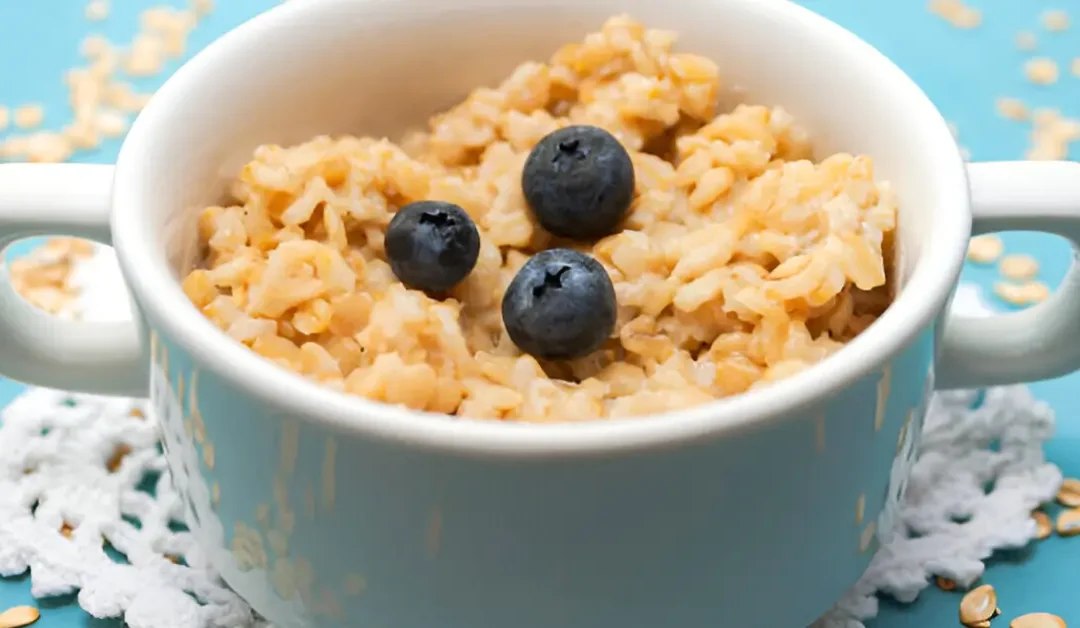
How to Cook Oatmeal on a Boat Trip: Easy & Nutritious Methods

How to Cook Oatmeal on a Boat Trip: Easy & Nutritious Methods

When you’re out on a boat trip, whether for a weekend adventure or an extended voyage, having a warm, nutritious breakfast is essential for maintaining energy and staying comfortable. Oatmeal is an ideal choice—it’s lightweight, easy to store, and packed with fiber and nutrients.

However, cooking oatmeal on a boat comes with its challenges, such as limited cooking space, fuel constraints, and potential rough waters.

In this guide, we’ll explore the best ways to prepare oatmeal while boating, from simple no-cook options to stove-top methods that work in any marine setting.

Why Oatmeal is Perfect for a Boat Trip

Oatmeal is an excellent choice for boat trips for several reasons:

  • Easy to Prepare – Requires minimal ingredients and equipment.
  • Lightweight & Space-Saving – Comes in compact packaging and doesn’t take up much room.
  • Long Shelf Life – Uncooked oats last for months, making them perfect for extended trips.
  • Nutritious & Filling – Packed with fiber, protein, and slow-digesting carbs to keep you full longer.

Essential Equipment for Cooking Oatmeal on a Boat

Before you start cooking, ensure you have the right equipment based on your boat’s kitchen setup:

  • Jetboil or Camping Stove – A compact cooking system for quick boiling.
  • Small Pot or Kettle – For heating water if using a stove.
  • Thermos or Insulated Container – Ideal for making no-cook or overnight oats.
  • Spoon or Spork – For stirring and eating.
  • Measuring Cup or Water Bottle – To measure the right water-to-oats ratio.

Different Methods to Cook Oatmeal on a Boat

1. Instant Oatmeal – The Quickest Option

If you have limited time or resources, instant oatmeal is the easiest way to enjoy a hot meal.
How to make it:

  1. Heat water using a Jetboil, camping stove, or kettle.
  2. Pour hot water over instant oats in a bowl or mug.
  3. Stir and let sit for a minute until the oats soften.
  4. Add toppings like dried fruit, nuts, or honey for extra flavor.

Why it works:

  • No need for prolonged cooking.
  • Minimal cleanup required.
  • Works well in rough waters where cooking might be difficult.

2. Thermos Oatmeal – No Cooking Required

A great hands-off method is to use a thermos to cook your oats passively.
How to make it:

  1. Add ½ cup of oats and 1 cup of hot water (or milk) into a thermos.
  2. Close the lid tightly and let it sit for 30–60 minutes.
  3. Stir, add toppings, and enjoy warm oatmeal without extra fuel use.

Why it works:

  • Uses residual heat to soften the oats.
  • Ideal for boats with no stove or minimal fuel.
  • Keeps oatmeal warm for hours, so you can prepare it in advance.

3. Stovetop Oatmeal – For a Traditional Hot Breakfast

If your boat has a working stove or portable burner, you can make oatmeal just like at home.
How to make it:

  1. In a small pot, bring 1 cup of water or milk to a boil.
  2. Stir in ½ cup of oats and reduce heat to a simmer.
  3. Cook for 5 minutes (quick oats) or 10-15 minutes (rolled oats), stirring occasionally.
  4. Remove from heat, let sit for a minute, and add toppings.

Why it works:

  • Creates a creamy, well-cooked oatmeal.
  • Allows for customization with different ingredients.
  • Best for calm waters where cooking is safe.

4. Overnight Oats – The No-Fuss Option

Overnight oats are a great option for boating because they require no heat and can be prepared in advance.
How to make it:

  1. In a jar or airtight container, combine ½ cup oats with ½ cup milk or water.
  2. Add mix-ins like chia seeds, cinnamon, or honey.
  3. Cover and let it sit in the cooler or fridge overnight.
  4. Stir and enjoy cold or at room temperature.

Why it works:

  • Requires zero cooking.
  • Can be made the night before for a quick morning meal.
  • Easily customizable with different flavors.

Best Oatmeal Toppings for a Boat Trip

To make your oatmeal more delicious and nutritious, try these toppings that store well on a boat:

  • Dried Fruits – Raisins, cranberries, or apricots for natural sweetness.
  • Nuts & Seeds – Almonds, walnuts, chia seeds, or flaxseeds for protein and crunch.
  • Honey or Maple Syrup – A natural way to sweeten your oats.
  • Powdered Peanut Butter – Adds flavor without needing refrigeration.
  • Coconut Flakes – Lightweight and flavorful.

Tips for Cooking Oatmeal on a Boat

  • Use Minimal Water & Fuel – Opt for quick-cooking oats or thermos methods to save fuel.
  • Secure Cooking Equipment – If cooking on a stove, ensure the pot is stable to prevent spills.
  • Pre-Portion Ingredients – Store oats in single-serving bags for convenience.
  • Choose Non-Perishable Ingredients – Dried fruits, nuts, and powdered milk work best.
  • Clean Up Immediately – Dispose of food waste properly to avoid attracting pests.

Conclusion

Cooking oatmeal on a boat trip is easy, delicious, and nutritious. Whether you prefer instant oats, a thermos method, or traditional stovetop cooking, there’s an option for every type of boater.

With simple ingredients and a little preparation, you can enjoy a warm and satisfying breakfast no matter where your adventure takes you. Safe travels and happy eating!

You May Also Like

No Results Found

The page you requested could not be found. Try refining your search, or use the navigation above to locate the post.

Dive into the Refreshing World of Chicken Carrot Salad Recipe

The Chicken Carrot Salad Recipe is a light and refreshing dish that offers a perfect balance of flavors and textures. This versatile salad is a delightful combination of succulent chicken, crisp carrots, and a tangy dressing, making it a perfect side dish or a light meal option.

Exploring the Origins of Chicken Carrot Salad Recipe

While the exact origins of the Chicken Carrot Salad Recipe remain somewhat uncertain, it’s likely a variation of classic chicken salads that have been enjoyed for centuries. The combination of chicken and carrots is a classic pairing, found in various cuisines around the world.

Key Ingredients for Chicken Carrot Salad Recipe

The Chicken Carrot Salad Recipe features a simple yet flavorful ingredient list:

  • Chicken: Cooked chicken, either rotisserie chicken or leftover grilled chicken, is the star of this dish.
  • Carrots: Fresh, crisp carrots add a touch of sweetness and crunch.
  • Mayonnaise: Mayonnaise provides a creamy base for the dressing and helps to bind the ingredients together.
  • Seasonings: A blend of seasonings, such as salt, pepper, and herbs like dill or parsley, enhances the flavor profile.

Preparing the Chicken Carrot Salad Recipe

The Chicken Carrot Salad Recipe is incredibly easy to prepare. Follow these simple steps:

  1. Prepare the Ingredients: Chop the cooked chicken into bite-sized pieces. Shred or grate the carrots.
  2. Make the Dressing: In a separate bowl, whisk together mayonnaise, seasonings, and any additional ingredients like lemon juice or honey.
  3. Combine Ingredients: In a large bowl, combine the chicken, carrots, and dressing. Toss gently to ensure all ingredients are evenly coated.
  4. Chill and Serve: Cover the bowl and refrigerate for at least 30 minutes to allow the flavors to meld. Serve chilled on a bed of lettuce or enjoy it on its own.

Nutritional Benefits of Chicken Carrot Salad Recipe

The Chicken Carrot Salad Recipe offers a range of nutritional benefits:

  • High in Protein: Chicken is an excellent source of lean protein, essential for building and repairing tissues.
  • Rich in Vitamins: Carrots are packed with vitamin A, which is crucial for eye health and immune function.
  • Low in Calories: This salad is a relatively low-calorie option, making it a great choice for those watching their weight.

Tips for Making the Perfect Chicken Carrot Salad Recipe

  • Use High-Quality Ingredients: Opt for high-quality chicken and fresh, vibrant carrots for the best flavor.
  • Experiment with Dressings: Get creative with your dressings! Try adding Dijon mustard, honey, or a touch of hot sauce for a unique flavor twist.
  • Add Crunch: Enhance the texture by adding chopped nuts, toasted seeds, or a handful of chopped celery.

Common Variations of Chicken Carrot Salad Recipe

While the classic Chicken Carrot Salad Recipe is a crowd-pleaser, there are several delicious variations you can explore:

  • Curry Chicken Carrot Salad: Add a touch of curry powder to the dressing for a flavorful and aromatic twist.
  • Greek Chicken Carrot Salad: Incorporate feta cheese, Kalamata olives, and dried oregano for a Mediterranean-inspired flavor.
  • Spicy Chicken Carrot Salad: Add a pinch of red pepper flakes or a dash of hot sauce to the dressing for a spicy kick.

Chicken Carrot Salad Recipe: A Culinary Delight

The Chicken Carrot Salad Recipe is a versatile and refreshing dish that can be enjoyed by everyone. Its simplicity, nutritional value, and incredible flavor make it a true culinary gem.

The Versatility of Chicken Carrot Salad Recipe

The Chicken Carrot Salad Recipe is incredibly versatile. It can be enjoyed as a side dish, a light lunch, or even a main course when served with crusty bread or crackers.

Chicken Carrot Salad Recipe: A Summertime Staple

The Chicken Carrot Salad Recipe is the perfect dish for summer gatherings. Its light and refreshing flavors make it a welcome addition to any picnic or potluck.

Chicken Carrot Salad Recipe: A Flavorful Fusion

The Chicken Carrot Salad Recipe is a flavorful fusion of sweet, savory, and tangy notes. The combination of chicken, carrots, and the creamy dressing creates a symphony of taste that will tantalize your taste buds.

Chicken Carrot Salad Recipe: A Healthy and Delicious Option

The Chicken Carrot Salad Recipe is a healthy and delicious option for those looking to incorporate more fruits and vegetables into their diet.

Chicken Carrot Salad Recipe: A Quick and Easy Meal

The Chicken Carrot Salad Recipe is a quick and easy meal that can be prepared in minutes. It’s perfect for busy weeknights when you need a delicious and nutritious meal on the table quickly.

Chicken Carrot Salad Recipe: A Perfect Picnic Dish

The Chicken Carrot Salad Recipe is a perfect picnic dish. It’s easy to transport, stays fresh for hours, and can be enjoyed outdoors.

Chicken Carrot Salad Recipe: A Flavorful Side Dish

The Chicken Carrot Salad Recipe is a flavorful side dish that complements a variety of main courses, from grilled chicken and fish to roasted vegetables and salads.

Chicken Carrot Salad Recipe: A Culinary Inspiration

The Chicken Carrot Salad Recipe is a culinary inspiration that encourages creativity and experimentation. Feel free to add your own unique twist to this classic recipe and discover new flavor combinations.

Concluding Thoughts on Chicken Carrot Salad Recipe

The Chicken Carrot Salad Recipe is a simple yet satisfying dish that celebrates the beauty of fresh ingredients. By embracing this recipe, you can create a healthy and delicious meal that will nourish your body and delight your taste buds.

This blog post provides a comprehensive overview of the Chicken Carrot Salad Recipe, covering its origins, key ingredients, preparation methods, variations, and nutritional benefits.

By incorporating these details and utilizing the target keyword effectively, this blog post aims to rank well in search engine results and provide valuable information to readers seeking to learn more about this refreshing and flavorful salad.

You May Also Like

No Results Found

The page you requested could not be found. Try refining your search, or use the navigation above to locate the post.

A Deep Dive into Forgotten Chicken Recipe

The Forgotten Chicken Recipe is a culinary gem that has captivated home cooks for generations. This deceptively simple dish derives its name from the fact that it requires minimal hands-on time, allowing you to “forget” about it while it simmers to perfection.

Exploring the Origins of Forgotten Chicken Recipe

While the exact origins of the Forgotten Chicken Recipe remain somewhat shrouded in mystery, it’s believed to have emerged from the heart of home cooking traditions. Its simplicity and reliance on readily available ingredients likely contributed to its widespread popularity.

Key Ingredients for Forgotten Chicken Recipe

The Forgotten Chicken Recipe boasts a modest ingredient list, emphasizing quality over quantity. Here’s a glimpse into the key components:

  • Chicken: Bone-in, skin-on chicken pieces, such as thighs or drumsticks, work best for this recipe.
  • Onion: A large onion provides a sweet and savory base for the dish.
  • Garlic: Fresh garlic cloves add a pungent and aromatic flavor.
  • Herbs and Spices: A blend of herbs and spices, such as dried oregano, thyme, and paprika, enhances the overall flavor profile.
  • Broth: Chicken broth or vegetable broth provides the liquid base for the simmering process.

Preparing the Forgotten Chicken Recipe

The Forgotten Chicken Recipe is remarkably easy to prepare. Follow these simple steps:

  1. Layer the Ingredients: In a large Dutch oven or pot, layer the chicken pieces, onion slices, garlic cloves, and herbs and spices.
  2. Pour Broth: Pour the broth over the ingredients, ensuring that the chicken is mostly submerged.
  3. Simmer: Cover the pot tightly and simmer over low heat for 1.5 to 2 hours, or until the chicken is incredibly tender and falling off the bone.
  4. Serve: Once cooked, remove the chicken from the pot and shred or slice it. Serve the chicken with the flavorful pan sauce, alongside your favorite sides like mashed potatoes, rice, or roasted vegetables.

Nutritional Benefits of Forgotten Chicken Recipe

The Forgotten Chicken Recipe offers a range of nutritional benefits:

  • High in Protein: Chicken is an excellent source of lean protein, essential for building and maintaining muscle mass.
  • Rich in Vitamins and Minerals: It provides a good source of vitamins like B6 and B12, as well as minerals like iron and zinc.
  • Flavorful and Satisfying: The slow-cooking process allows the flavors to meld together, resulting in a deeply satisfying and flavorful dish.

Tips for Making the Perfect Forgotten Chicken Recipe

  • Brown the Chicken: For extra flavor, brown the chicken pieces in a skillet before adding them to the pot.
  • Adjust the Spices: Feel free to customize the spice blend to suit your preferences. Add a pinch of red pepper flakes for a touch of heat or a sprinkle of dried rosemary for a more herbaceous flavor.
  • Serve with Sides: The Forgotten Chicken Recipe pairs beautifully with a variety of sides, such as roasted vegetables, creamy polenta, or crusty bread.

Common Variations of Forgotten Chicken Recipe

While the classic Forgotten Chicken Recipe is a timeless favorite, there are several delicious variations you can explore:

  • Lemon Herb: Add lemon zest and fresh herbs like thyme or rosemary to the pot for a bright and zesty twist.
  • Tomato-Based: Incorporate diced tomatoes and tomato paste into the broth for a rich and savory sauce.
  • Creamy: Stir in a dollop of sour cream or heavy cream towards the end of the cooking time for a creamy and indulgent sauce.

Forgotten Chicken Recipe: A Culinary Delight

The Forgotten Chicken Recipe is a versatile and satisfying dish that can be enjoyed by everyone. Its simplicity, nutritional value, and incredible flavor make it a true culinary gem.

The Ease of Forgotten Chicken Recipe

One of the greatest advantages of the Forgotten Chicken Recipe is its remarkable ease. With minimal effort, you can create a delicious and impressive meal that will impress your family and friends.

Forgotten Chicken Recipe: A Weeknight Wonder

The Forgotten Chicken Recipe is a true weeknight wonder. Its hands-off cooking method makes it perfect for busy weeknights when you need a delicious and easy meal on the table quickly.

Forgotten Chicken Recipe: A Cozy Winter Comfort Food

The Forgotten Chicken Recipe is the epitome of cozy winter comfort food. The rich flavors and tender meat provide warmth and satisfaction on chilly evenings.

Forgotten Chicken Recipe: A Flavorful Journey

The Forgotten Chicken Recipe is a flavorful journey that will tantalize your taste buds. The slow-cooking process allows the flavors to meld together, creating a symphony of taste in every bite.

Forgotten Chicken Recipe: A Recipe for Success

The Forgotten Chicken Recipe is a recipe for success, both in terms of flavor and ease of preparation. It’s a dish that can be enjoyed by everyone, from seasoned cooks to novice home chefs.

Forgotten Chicken Recipe: A Timeless Classic

The Forgotten Chicken Recipe is a timeless classic that has stood the test of time. Its enduring popularity is a testament to its simplicity, versatility, and undeniable deliciousness.

Forgotten Chicken Recipe: A Culinary Treasure

The Forgotten Chicken Recipe is a culinary treasure that deserves a place in every home cook’s repertoire.

Concluding Thoughts on Forgotten Chicken Recipe

The Forgotten Chicken Recipe is a testament to the magic of slow cooking. By allowing the ingredients to simmer gently, you unlock a depth of flavor that is simply unparalleled. So, embrace the simplicity of this recipe and discover the deliciousness of the Forgotten Chicken Recipe for yourself.

This blog post provides a comprehensive overview of the Forgotten Chicken Recipe, covering its origins, key ingredients, preparation methods, variations, and nutritional benefits.

By incorporating these details and utilizing the target keyword effectively, this blog post aims to rank well in search engine results and provide valuable information to readers seeking to learn more about this delicious and satisfying dish.

You May Also Like

No Results Found

The page you requested could not be found. Try refining your search, or use the navigation above to locate the post.