How to Cook Salmon Patties in Air Fryer?

How to Cook Salmon Patties in Air Fryer?

If you’re wondering how to cook salmon patties in air fryer, you’ve discovered one of the easiest ways to make crispy, golden salmon cakes without the mess of traditional frying. Air fryer salmon patties cook in just 8-12 minutes at 375-400°F, delivering restaurant-quality results with a fraction of the oil and cleanup.

Whether you’re using canned salmon or leftover cooked fish, air frying transforms simple ingredients into delicious patties that are crispy on the outside and tender on the inside. This method eliminates the greasy splatter of pan-frying while achieving that perfect golden-brown crust everyone loves.

Why Air Fryer Salmon Patties Are Game-Changing

Air fryer salmon cakes have revolutionized how home cooks prepare this classic dish. Here’s why this method stands out:

Key advantages:

  • No greasy mess: Skip the splattered stovetop and lingering fish smell
  • Crispy perfection: Hot air circulation creates a golden, crunchy exterior
  • Healthier cooking: Uses minimal oil compared to traditional frying
  • Quick and easy: Ready in under 20 minutes from start to finish
  • Consistent results: Even cooking without flipping or constant monitoring
  • Budget-friendly: Canned salmon makes this an affordable protein option
  • Meal prep ready: Make batches ahead and freeze for later

The air fryer’s compact cooking chamber circulates hot air rapidly around the salmon patties, creating that coveted crispy texture while keeping the interior moist and flaky—no deep fryer required.

Essential Ingredients for Air Fryer Salmon Patties

The beauty of salmon patties lies in their simplicity. Here’s what you’ll need for perfect air fryer salmon cakes:

Core ingredients:

  • Canned or cooked salmon (12-15 oz): Pink salmon works beautifully and is budget-friendly. You can also use leftover cooked salmon, red salmon, or even fresh salmon that’s been cooked and flaked.
  • Egg (1-2 large): Acts as the binder to hold patties together
  • Breadcrumbs (1/2-3/4 cup): Panko creates extra crispiness, but regular breadcrumbs, pork rinds (for keto), or even matzo meal work well
  • Mayonnaise (2-3 tablespoons): Adds moisture and richness; can substitute with Greek yogurt or sour cream
  • Aromatics: Green onion, red onion, or shallots for flavor
  • Fresh herbs: Dill, parsley, or chives complement salmon perfectly
  • Seasonings: Lemon juice, garlic powder, onion powder, salt, and pepper

Optional flavor boosters:

  • Old Bay seasoning for classic seafood flavor
  • Dijon mustard for tang
  • Red bell pepper for color and sweetness
  • Cajun seasoning for heat
  • Fresh lemon zest for brightness

The key to successful salmon patties is getting the right ratio of binders (egg and breadcrumbs) to salmon. Too much binder makes them heavy; too little causes them to fall apart.

How to Cook Salmon Patties in Air Fryer: Step-by-Step

Making air fryer salmon patties is straightforward, but a few key techniques ensure perfect results every time.

Preparation (10 minutes):

Step 1: Prepare the salmon If using canned salmon, drain it thoroughly and remove any bones or skin (though both are edible and nutritious). For a smoother texture, pick through carefully. If using cooked salmon, flake it into small pieces with a fork.

Step 2: Mix the ingredients In a large bowl, combine the salmon, egg, mayonnaise, breadcrumbs, aromatics, herbs, and seasonings. Mix gently until everything is well incorporated but not overmixed. The mixture should hold together when pressed but not be too wet or too dry.

Pro tip: If the mixture seems too wet, add more breadcrumbs 1 tablespoon at a time. If it’s too dry, add a splash of mayo or a beaten egg.

Step 3: Chill the mixture (optional but recommended) For best results, freeze the salmon mixture for 10 minutes or refrigerate for 30 minutes. This helps the patties hold together better during cooking.

Step 4: Form the patties Divide the mixture into 4-6 portions. Using your hands, form each portion into a firm, compact patty about 3/4 inch thick. Press them together tightly—this is crucial for preventing crumbling.

Cooking (8-12 minutes):

Step 5: Prepare the air fryer Spray the air fryer basket with olive oil cooking spray. Avoid vegetable oil spray as it can leave residue on your air fryer basket over time. You can also line the basket with parchment paper designed for air fryers.

Step 6: Add the patties Place salmon patties in the air fryer basket in a single layer, leaving space between each one for air circulation. Don’t overcrowd—cook in batches if needed.

Step 7: Spray the tops Lightly spray the tops of the patties with cooking oil. This helps achieve that golden, crispy exterior.

Step 8: Air fry to perfection Cook at 375-400°F for 8-12 minutes, flipping halfway through (though flipping is optional—many cooks skip this step with good results). The patties are done when they’re golden brown and crispy on the outside.

Step 9: Check for doneness The patties should be firm to the touch and easily hold together. Since the salmon is already cooked (whether canned or pre-cooked fresh), you’re mainly looking for heating through and achieving the right texture.

Step 10: Serve immediately Transfer to a serving plate and garnish with lemon wedges, fresh herbs, or your favorite sauce.

If you’re looking for more creative ways to prepare salmon in your air fryer, explore these air fryer salmon recipes for fresh inspiration and new flavor combinations.

Temperature and Timing Guide

Different air fryer models and patty sizes require slight adjustments. Here’s your complete guide:

Temperature options:

  • 375°F: Best for tender, evenly cooked patties with less risk of over-browning
  • 390°F: Middle ground that works for most air fryer models
  • 400°F: Creates the crispiest exterior; watch carefully to prevent burning

Timing by patty size:

  • Small patties (2-2.5 inches): 8-10 minutes at 375°F
  • Standard patties (3-3.5 inches): 10-12 minutes at 390°F
  • Large patties (4+ inches): 12-14 minutes at 400°F

Batch cooking:

  • Cook 4 patties at a time in most standard air fryers
  • Add 1-2 minutes if cooking more than 4 at once
  • Ensure patties don’t touch for even crisping

Note: Most recipes don’t require preheating the air fryer, but if your model recommends it, preheat for 3-5 minutes.

Essential Tips for Perfect Salmon Patties Every Time

Follow these expert tips to ensure your air fryer salmon cakes turn out perfect every single time:

Before cooking:

  • Drain canned salmon extremely well: Excess moisture is the enemy of crispy patties. Pat dry with paper towels.
  • Press patties firmly: Compact, tightly formed patties hold together better than loosely packed ones.
  • Make them uniform: Keep all patties the same size and thickness for even cooking.
  • Chill before cooking: That 10-minute freeze or 30-minute refrigeration makes a significant difference in structure.

During cooking:

  • Don’t skip the oil spray: Even in an air fryer, a light spray helps achieve golden crispiness.
  • Give them space: Overcrowding restricts airflow and leads to steaming rather than crisping.
  • Resist peeking constantly: Opening the air fryer repeatedly releases heat and extends cooking time.
  • Use olive oil spray only: Vegetable oil sprays can damage air fryer baskets over time.

After cooking:

  • Let them rest briefly: A 1-2 minute rest helps the patties set and makes them easier to handle.
  • Serve immediately: Salmon patties are best enjoyed fresh from the air fryer when they’re at peak crispiness.

For meal prep:

  • Form uncooked patties and freeze on a baking sheet, then transfer to freezer bags
  • Cook frozen patties at 375°F for 12-15 minutes (no thawing needed)
  • Cooked patties can be frozen for up to 3 months

Common Mistakes to Avoid

Even with a simple recipe, certain pitfalls can derail your salmon patties. Here’s what to watch out for:

1. Not draining the salmon properly Wet salmon creates mushy patties that fall apart. Always drain thoroughly and pat dry, even if you think you’ve drained enough.

2. Using too much or too little binder Too much breadcrumb creates heavy, bread-heavy patties. Too little leads to crumbling. Follow the recipe ratios and adjust only if needed based on mixture texture.

3. Forming patties too loosely Loosely packed patties fall apart during cooking. Press firmly to create compact, cohesive cakes.

4. Skipping the chill time That freezing or refrigeration step isn’t optional—it’s insurance against patties falling apart. Don’t skip it, especially if you’re new to making salmon patties.

5. Overcrowding the air fryer Cramming too many patties in restricts airflow and results in soggy, unevenly cooked cakes. Cook in batches for best results.

6. Forgetting to spray with oil Even though it’s an air fryer, that light coating of oil is essential for achieving crispy, golden exteriors.

7. Overcooking Since canned salmon is pre-cooked, you’re really just heating and crisping. Overcooking dries them out and makes them tough.

Delicious Variations and Flavor Twists

Once you’ve mastered the basic recipe, try these creative variations:

Asian-inspired salmon patties:

  • Add ginger, sesame oil, and soy sauce
  • Mix in chopped water chestnuts for crunch
  • Serve with sweet chili sauce or sriracha mayo

Mediterranean salmon cakes:

  • Use fresh dill, lemon zest, and capers
  • Add crumbled feta cheese
  • Serve with tzatziki sauce

Cajun-style patties:

  • Season with Cajun spice blend
  • Add diced celery and bell peppers
  • Serve with remoulade sauce

Southwest salmon burgers:

  • Mix in corn, black beans, and cilantro
  • Season with cumin and chili powder
  • Top with avocado and chipotle mayo

Keto-friendly salmon patties:

  • Replace breadcrumbs with crushed pork rinds or almond flour
  • Use full-fat mayo
  • Serve over salad instead of with starchy sides

What to Serve with Air Fryer Salmon Patties

Complete your meal with these perfect side dishes and serving suggestions:

As a main dish:

  • Over mixed green salad with vinaigrette
  • Alongside roasted vegetables (asparagus, green beans, Brussels sprouts)
  • With cauliflower rice or quinoa for a light meal
  • Next to crispy air fryer potatoes or sweet potato fries
  • Over creamy mashed potatoes for comfort food

As a sandwich or slider:

  • On potato buns with tartar sauce
  • In lettuce wraps for low-carb option
  • On whole wheat buns with coleslaw
  • As sliders for appetizers

Sauce options:

  • Classic tartar sauce
  • Lemon dill sauce or aioli
  • Remoulade sauce (mayo, lemon juice, capers)
  • Sriracha mayo or bang bang sauce
  • Simple lemon wedges and fresh herbs

Side dishes:

  • Coleslaw (regular or Asian-style)
  • Pasta salad
  • Corn on the cob
  • Steamed broccoli with garlic
  • Cucumber tomato salad
  • Quinoa chickpea salad

Storing and Reheating Salmon Patties

Proper storage ensures you can enjoy leftover salmon patties or prep ahead for the week.

Refrigerator storage:

  • Store cooked patties in airtight container
  • Keep for 3-4 days maximum
  • Layer parchment paper between patties to prevent sticking
  • Bring to room temperature before reheating for best results

Freezer storage:

  • Uncooked patties: Freeze on baking sheet until solid, then transfer to freezer bags with parchment between layers. Store up to 3 months. Cook from frozen, adding 2-3 minutes to cooking time.
  • Cooked patties: Cool completely, wrap individually, and freeze in freezer-safe container for up to 3 months. Thaw overnight in refrigerator before reheating.

Reheating methods:

  • Air fryer (best method): 350°F for 3-5 minutes until heated through
  • Oven: 350°F for 10 minutes, loosely covered with foil
  • Microwave: 30-second intervals on 50% power (results in softer texture)
  • Stovetop: Low heat in lightly oiled pan for 2-3 minutes per side

Serving cold: Salmon patties are delicious cold over salads or in wraps, so don’t feel obligated to reheat if you prefer them chilled.

Using Canned vs. Fresh Salmon

Both canned and fresh cooked salmon work beautifully for air fryer patties. Here’s what to know:

Canned salmon:

  • Pros: Budget-friendly, convenient, already cooked, long shelf life
  • Cons: May contain bones and skin (though both are nutritious)
  • Best types: Pink salmon is most affordable; red/sockeye has richer flavor
  • Preparation: Drain thoroughly, remove bones/skin if desired, flake with fork

Fresh cooked salmon:

  • Pros: Superior flavor and texture, no bones to pick through
  • Cons: More expensive, requires cooking first
  • Best for: Using up leftover salmon from another meal
  • Preparation: Cool completely, flake into bite-sized pieces, remove any skin

Fresh raw salmon: While most recipes call for pre-cooked or canned salmon, you can use raw salmon. Cook it first by baking, air frying, or poaching, then cool and flake before mixing with other ingredients.

Nutritional Benefits of Salmon Patties

Air fryer salmon patties aren’t just delicious—they’re nutritious too:

Health benefits:

  • High in protein: 15-34g per serving depending on recipe
  • Rich in Omega-3 fatty acids: Supports heart and brain health
  • Lower in calories: Air frying uses less oil than traditional methods
  • Good source of calcium: Especially if you keep the bones in canned salmon
  • Vitamin D: Important for bone health and immune function
  • B vitamins: Particularly B12, essential for energy

Dietary accommodations:

  • Gluten-free: Use gluten-free breadcrumbs or almond flour
  • Dairy-free: Most recipes are naturally dairy-free
  • Low-carb/Keto: Replace breadcrumbs with pork rinds
  • Paleo: Use almond flour instead of breadcrumbs
  • High-protein: Already naturally high in protein

Average nutritional content per patty (varies by recipe):

  • Calories: 130-315
  • Protein: 15-34g
  • Fat: 4-15g
  • Carbs: 4-10g

Frequently Asked Questions

Can I make salmon patties without eggs? Yes! Use commercial egg replacer, or try 1 tablespoon ground flaxseed mixed with 3 tablespoons water per egg. Let it sit for 5 minutes to thicken before using.

Why are my salmon patties falling apart? This usually happens from insufficient binder (egg/breadcrumbs), not pressing them firmly enough, or skipping the chilling step. Add more breadcrumbs and make sure to refrigerate before cooking.

Do I need to flip salmon patties in the air fryer? While flipping helps ensure even browning, many cooks successfully skip this step. The circulating air cooks them evenly without flipping.

Can I use regular breadcrumbs instead of panko? Absolutely! Regular breadcrumbs work fine, though panko creates a crispier texture. Italian breadcrumbs add extra flavor.

Should I remove the bones from canned salmon? It’s personal preference. The bones are soft, edible, and high in calcium. If you find the texture off-putting, remove them. Mashing them in usually makes them unnoticeable.

Can I cook frozen salmon patties in the air fryer? Yes! Cook from frozen at 375°F for 12-15 minutes without thawing. They’ll turn out great with just a few extra minutes.

What’s the best temperature for air fryer salmon patties? Most recipes use 375-400°F. Start at 375°F if you’re new to air frying salmon patties, then increase temperature if you want extra crispiness.

How do I keep salmon patties from sticking to the air fryer? Spray the basket generously with olive oil or line it with perforated parchment paper designed for air fryers.

Can I make salmon patties ahead of time? Yes! Form the patties and refrigerate for up to 24 hours before cooking, or freeze for up to 3 months. This actually helps them hold together better.

What makes salmon patties crispy in the air fryer? The combination of panko breadcrumbs, a light oil spray, and the air fryer’s hot circulating air creates that golden, crispy exterior.

Final Thoughts

Learning how to cook salmon patties in air fryer opens up a world of quick, delicious, and healthy meal possibilities. With just 8-12 minutes of cooking time at 375-400°F, you can transform simple canned or leftover salmon into crispy, golden patties that rival any restaurant version.

The key to success lies in properly draining your salmon, forming firm patties, chilling the mixture before cooking, and not overcrowding your air fryer basket. Whether you’re making classic salmon cakes with Old Bay seasoning or experimenting with Asian or Mediterranean flavors, the air fryer delivers consistent, impressive results every time.

From busy weeknight dinners to make-ahead meal prep, air fryer salmon patties prove that healthy, budget-friendly cooking doesn’t have to be complicated or time-consuming. Keep a few cans of salmon in your pantry, and you’ll always be prepared to whip up a satisfying meal in under 20 minutes.

So fire up that air fryer and get ready to enjoy the crispiest, most delicious salmon patties you’ve ever made—no greasy mess required!

You May Also Like
How to Cook Salmon from Frozen in Air Fryer?

How to Cook Salmon from Frozen in Air Fryer?

If you’ve ever wondered how to cook salmon from frozen in air fryer, you’re about to discover a game-changing dinner solution. The answer is surprisingly simple: cook frozen salmon directly in your air fryer at 390-400°F for 12-16 minutes total—no thawing required. This method delivers perfectly flaky, moist salmon with minimal effort and maximum convenience.

Forget waiting hours for fish to defrost. With your air fryer, you can go from freezer to dinner table in under 20 minutes with restaurant-quality results. Whether you forgot to thaw tonight’s dinner or simply want a quick, healthy meal, cooking frozen salmon in the air fryer is about to become your new favorite kitchen hack.

Why Cook Frozen Salmon in the Air Fryer?

The air fryer has revolutionized how we cook frozen foods, and salmon is no exception. Here’s why this method is so effective:

Key advantages:

  • No thawing needed: Cook salmon straight from the freezer
  • Fast cooking time: Ready in just 12-16 minutes
  • Even heat distribution: Circulating hot air cooks salmon uniformly
  • Moist interior: Proper technique prevents drying out
  • Crispy skin: Achieves restaurant-quality texture
  • Minimal cleanup: No splatter, easy basket cleaning
  • Healthier cooking: Uses minimal oil compared to pan-frying
  • Energy efficient: Heats up faster than a conventional oven

The concentrated heat and air circulation in an air fryer create the perfect environment for cooking frozen salmon without compromising quality.

Choosing the Best Frozen Salmon for Air Frying

Not all frozen salmon is created equal. Selecting the right type ensures optimal results.

Best types of frozen salmon:

  • Atlantic salmon: Higher fat content prevents drying during cooking
  • Skin-on fillets: Skin protects the flesh and becomes wonderfully crispy
  • Center-cut portions: Uniform thickness (1 to 1.5 inches) ensures even cooking
  • Individually wrapped: Prevents freezer burn and allows you to cook only what you need
  • Wild-caught options: Sockeye, King, or Coho salmon for richer flavor

Recommended brands:

  • Costco’s frozen wild-caught salmon
  • Whole Foods frozen salmon portions
  • Gorton’s frozen salmon fillets
  • Morey’s individually wrapped salmon

What to avoid:

  • Very thin fillets (under 1 inch thick) that may overcook
  • Fillets with excessive ice buildup
  • Salmon with freezer burn (grayish-brown spots)
  • Poorly sealed packages

Look for fillets that are 5.5-6 ounces each and about 1 to 1.5 inches thick for best results with standard cooking times.

How to Cook Salmon from Frozen in Air Fryer: Two Proven Methods

There are two effective approaches to cooking frozen salmon in your air fryer. Both work excellently—choose based on your preference and schedule.

Method 1: Two-Stage Approach (Recommended for Beginners)

This method gives you more control over seasoning and ensures even cooking.

Temperature: 390°F (199°C) or 400°F (204°C) Total time: 12-16 minutes Best for: Thicker fillets, first-time air fryer salmon cooks

Step-by-step instructions:

Step 1: Preheat and prepare Preheat your air fryer to 400°F for 3-5 minutes. While it heats, remove frozen salmon fillets from packaging and pat away any excess ice with paper towels.

Step 2: Initial thawing stage Place frozen salmon skin-side down in the air fryer basket. Don’t overcrowd—leave space between fillets. Air fry at 390°F for 6-9 minutes. This stage defrosts the salmon.

Step 3: Season the salmon Open the basket and brush the salmon with olive oil or spray with avocado oil. Season generously with salt and black pepper. Add lemon slices on top if desired. You can also apply glazes or other seasonings at this point.

Step 4: Finish cooking Continue air frying at 390°F for 5-8 more minutes, depending on thickness. Thin fillets need about 5 minutes; thicker center-cut portions may need 7-8 minutes.

Step 5: Check for doneness The salmon is done when it flakes easily with a fork and reaches an internal temperature of 145°F (63°C) at the thickest part. For more moist results, many chefs prefer 125-135°F.

Method 2: Single-Stage Method (Quicker Option)

For a simpler, faster approach with less hands-on time.

Temperature: 400°F (204°C) Total time: 10-12 minutes Best for: Standard-thickness fillets, experienced cooks

Step-by-step instructions:

Step 1: Preheat Preheat air fryer to 400°F for 3-5 minutes.

Step 2: Prepare basket Lightly spray the air fryer basket with oil to prevent sticking.

Step 3: Cook frozen salmon Place frozen salmon fillets skin-side down in a single layer. Cook at 400°F for 10-12 minutes without opening the basket.

Step 4: Check doneness Test with a fork—salmon should flake easily. Use a thermometer to verify 145°F internal temperature.

Step 5: Season and serve Remove from air fryer and season with salt, pepper, and a squeeze of fresh lemon juice.

Both methods produce excellent results. The two-stage method allows for better flavor development with seasonings, while the single-stage method is faster and requires less intervention.

Timing Guide for Different Salmon Thicknesses

Cooking time varies based on the thickness of your frozen salmon fillets.

Thin fillets (less than 1 inch thick):

  • Two-stage: 6 minutes + 3-4 minutes = 9-10 minutes total
  • Single-stage: 8-10 minutes
  • Best for: Wild-caught varieties, tail-end portions

Standard fillets (1 to 1.5 inches thick):

  • Two-stage: 7 minutes + 5-6 minutes = 12-13 minutes total
  • Single-stage: 10-12 minutes
  • Best for: Most store-bought frozen salmon

Thick fillets (over 1.5 inches thick):

  • Two-stage: 9 minutes + 7-8 minutes = 16-17 minutes total
  • Single-stage: 12-14 minutes
  • Best for: Center-cut Atlantic salmon, salmon steaks

Multiple fillets:

  • Add 1-2 minutes if cooking 3-4 fillets at once
  • Ensure fillets don’t touch for proper air circulation

Always use a meat thermometer for accuracy rather than relying solely on time.

Delicious Seasoning Ideas for Frozen Air Fryer Salmon

Simple seasonings work best and complement salmon’s natural flavor beautifully.

Classic combinations:

  • Lemon pepper: Fresh lemon slices + cracked black pepper + sea salt
  • Garlic herb: Minced garlic + dried thyme + olive oil
  • Cajun spiced: Cajun seasoning + paprika + garlic powder
  • Simple salt and pepper: Coarse sea salt + black pepper (timeless)

Glazes and sauces:

  • Honey garlic glaze: Mix honey, coconut aminos or soy sauce, and minced garlic
  • Teriyaki sauce: Brush on during final 2 minutes of cooking
  • Maple mustard: Combine maple syrup with Dijon mustard
  • Asian-inspired: Soy sauce, ginger, sesame oil

Pro tip: Add seasonings AFTER the initial thawing stage (if using two-stage method) to prevent burning. Delicate herbs and spices can char during the defrosting phase.

For even more creative ways to prepare air fryer salmon, explore these air fryer salmon recipes featuring unique flavor combinations and cooking techniques.

Essential Tips for Perfect Frozen Salmon Every Time

Follow these expert tips to ensure your frozen salmon turns out perfectly cooked every single time.

Before cooking:

  • Remove excess ice: Pat frozen fillets with paper towels to remove ice crystals
  • Don’t overcrowd: Cook 1-2 fillets at a time for optimal air circulation
  • Preheat your air fryer: Ensures even cooking from the start
  • Choose quality salmon: Higher fat Atlantic salmon is more forgiving than lean varieties

During cooking:

  • Skin-side down: Always place salmon with skin facing down to protect the flesh
  • Don’t flip: The air fryer’s circulation cooks evenly without turning
  • Add moisture: A light spray of oil prevents drying
  • Monitor closely: Check at minimum time, then add more if needed

After cooking:

  • Rest briefly: Let salmon sit for 1-2 minutes before serving
  • Check multiple spots: Verify doneness in the thickest part with a thermometer
  • Serve immediately: Salmon is best enjoyed right away

Temperature preferences:

  • FDA recommendation: 145°F (63°C) for food safety
  • Chef’s preference: 125-135°F (52-57°C) for medium, more moist texture
  • Pregnant/immunocompromised: Always cook to 145°F

Common Mistakes to Avoid

Even with a simple process, certain pitfalls can derail your frozen salmon. Here’s what to avoid:

1. Using too high heat Temperatures above 400°F dry out salmon quickly. Stick to 390-400°F for best results.

2. Skipping the preheat Not preheating causes uneven cooking with cold spots in the center and overdone edges.

3. Overcrowding the basket This restricts airflow and leads to soggy, unevenly cooked salmon. Leave space between fillets.

4. Seasoning too early in two-stage method Adding delicate seasonings before the thaw stage causes burning. Season after initial cooking.

5. Using too much oil Excess oil makes the skin soggy instead of crispy. A light spray or brush is sufficient.

6. Not checking the thickest part Always verify doneness at the thickest section—the thinner parts will be more done.

7. Cooking different thicknesses together Mix-matched fillet sizes cook unevenly. Group similar thicknesses together.

8. Forgetting to remove packaging Some frozen salmon has plastic or paper wrapping that must be removed before cooking.

How to Know When Your Frozen Salmon Is Done

Proper doneness is crucial for both safety and optimal texture.

Visual indicators:

  • Opaque throughout: No translucent or raw-looking areas
  • Flakes easily: Gently scrape with a fork—it should separate into flakes
  • Color change: Transitions from bright orange/pink to lighter, cooked pink
  • Crispy edges: Slightly browned, crispy edges and skin
  • White protein (albumin): Small amounts are normal; excessive indicates overcooking

Temperature checks: Use an instant-read thermometer inserted into the thickest part:

  • Minimum safe temp: 145°F (63°C)
  • Medium doneness: 125-135°F (52-57°C)
  • Well done: 145°F+ (63°C+)

Texture test: Press gently on the thickest part:

  • Firm but springy: Perfectly cooked
  • Very soft: Needs more time
  • Hard: Overcooked

When in doubt, use a thermometer. It’s the only truly reliable method.

What to Serve with Air Fryer Frozen Salmon

Complete your meal with complementary sides that pair beautifully with salmon.

Vegetable sides:

  • Air fryer frozen broccoli or asparagus
  • Roasted Brussels sprouts with balsamic glaze
  • Sautéed green beans with garlic
  • Air fryer frozen cauliflower
  • Grilled zucchini and bell peppers
  • Steamed bok choy with soy sauce

Starch options:

  • White rice or brown rice
  • Cauliflower rice (low-carb option)
  • Quinoa or farro
  • Roasted sweet potatoes
  • Garlic mashed potatoes
  • Air fryer frozen french fries

Salads:

  • Mixed greens with vinaigrette
  • Asian cucumber salad
  • Coleslaw with creamy dressing
  • Arugula salad with lemon dressing
  • Spinach salad with strawberries

Sauces and condiments:

  • Lemon wedges (essential!)
  • Tartar sauce
  • Dill sauce or tzatziki
  • Soy ginger sauce
  • Garlic butter
  • Honey mustard

Storing and Reheating Leftover Cooked Salmon

If you have leftovers (though salmon is so delicious you might not!), proper storage ensures food safety and quality.

Refrigerator storage:

  • Cool salmon to room temperature within 2 hours of cooking
  • Place in airtight container
  • Store for up to 3-4 days maximum
  • Keep at 40°F (4°C) or below

Freezer storage:

  • Use freezer-safe containers or heavy-duty bags
  • Remove as much air as possible
  • Label with date
  • Store for up to 3 months
  • Thaw in refrigerator 24-48 hours before reheating

Reheating instructions:

  • Air fryer: 350°F for 4-5 minutes (best method)
  • Oven: 250°F for 10-15 minutes, wrapped in foil
  • Microwave: Defrost setting for 30 seconds, flip, 30 more seconds
  • Stovetop: Low heat with 1 tbsp oil, warm slowly

Alternative uses for leftovers:

  • Salmon salad with mayo and celery
  • Cold on top of green salads
  • Flaked into omelets or scrambled eggs
  • Added to pasta dishes
  • Made into salmon patties or cakes

Fresh vs. Frozen Salmon in Air Fryer

If you have fresh salmon instead of frozen, the process is even simpler.

Fresh salmon cooking times:

  • Farm-raised Atlantic: 400°F for 7-9 minutes
  • Wild-caught (thinner): 390°F for 5-7 minutes
  • Salmon steaks: 400°F for 8-10 minutes

Fresh salmon instructions:

  1. Preheat air fryer to 400°F
  2. Brush salmon with oil and season
  3. Place skin-side down in basket
  4. Cook for recommended time based on type
  5. Check internal temperature (145°F)

Fresh salmon cooks faster because there’s no defrosting phase needed. However, frozen salmon is more convenient and often more affordable, making it perfect for meal planning.

Frequently Asked Questions

Can you cook frozen salmon without thawing? Absolutely! That’s the entire point of this method. Cooking frozen salmon directly in the air fryer produces excellent results without any thawing.

Do you need to flip frozen salmon in the air fryer? No. Place salmon skin-side down and leave it. The circulating hot air cooks it evenly on all sides.

What temperature should I cook frozen salmon in an air fryer? Use 390-400°F. The two-stage method uses 390°F throughout, while the single-stage method uses 400°F.

How long does frozen salmon take to cook in an air fryer? 12-16 minutes total for standard 1-1.5 inch thick fillets. Thinner pieces need 10-12 minutes, thicker ones may need up to 17 minutes.

Can you cook frozen salmon with skin in the air fryer? Yes! Skin-on salmon is actually preferred. The skin gets crispy and delicious while protecting the flesh from drying out.

Does frozen salmon taste as good as fresh? When cooked properly in the air fryer, frozen salmon is remarkably close to fresh in both taste and texture. High-quality frozen salmon can rival fresh.

Can I season frozen salmon before cooking? If using the single-stage method, you can’t season until after cooking. With the two-stage method, season after the initial defrost stage to prevent burning.

Why is my frozen salmon rubbery? This usually happens from cooking at too high temperature or for too long. Stick to 390-400°F and check for doneness early.

Can I cook other frozen fish this way? Yes! Cod, halibut, and other firm white fish work well with similar timing, though they may need slightly less time than salmon.

Should I use parchment paper in my air fryer? It’s optional but helpful for easier cleanup. Make sure the parchment has holes for air circulation and is weighted down by food.

Final Thoughts

Learning how to cook salmon from frozen in air fryer opens up a world of convenient, healthy dinner possibilities. With just 12-16 minutes and minimal preparation, you can transform frozen salmon fillets into a restaurant-quality meal that’s tender, flaky, and full of flavor.

The key is choosing quality frozen salmon (preferably Atlantic, skin-on, and center-cut), preheating your air fryer, and following proper timing for your fillet thickness. Whether you use the two-stage approach with seasoning control or the quicker single-stage method, both deliver excellent results.

No more excuses about not having time to thaw fish or feeling limited to backup dinner options. With frozen salmon in your freezer and these techniques in your repertoire, you’re always prepared for a nutritious, delicious meal. Your air fryer has just become your secret weapon for effortless weeknight dinners.

You May Also Like

How Long to Reheat Salmon in Air Fryer?

How Long to Reheat Salmon in Air Fryer?

If you’re wondering how long to reheat salmon in air fryer, you’re in the right place. The answer is simple: 4-5 minutes at 350°F (180°C) will bring your leftover salmon back to life without drying it out. This quick reheating method is the best way to enjoy yesterday’s salmon while maintaining its tender, flaky texture and delicious flavor.

Reheating salmon doesn’t have to mean settling for dried-out, rubbery fish. The air fryer is actually the superior method for warming up leftover salmon, thanks to its ability to circulate hot air evenly while preserving moisture. Let me show you exactly how to do it right.

Why the Air Fryer Is the Best Way to Reheat Salmon

The air fryer stands out as the top choice for reheating cooked salmon for several compelling reasons:

Advantages of air fryer reheating:

  • Fast heating: Hot air circulates in a compact space, warming salmon quickly and evenly
  • Maintains texture: Keeps the exterior slightly crisp while the interior stays moist
  • Precise temperature control: Allows for gentle, low-heat reheating that prevents overcooking
  • Moisture retention: You can add water to the bottom of the basket to create steam
  • Minimal cleanup: Line with parchment paper or foil for easy washing
  • No fishy smell: Less odor compared to microwave reheating

Unlike the microwave, which can create hot spots and rubbery texture, or the oven, which takes longer to preheat and heat through, the air fryer offers the perfect balance of speed and quality.

How Long to Reheat Salmon in Air Fryer: Step-by-Step

Here’s the complete process for reheating leftover salmon in your air fryer to perfection.

What you’ll need:

  • Leftover cooked salmon (refrigerated or thawed from frozen)
  • Olive oil or avocado oil
  • Parchment paper or aluminum foil
  • Small amount of water (about 1 tablespoon)
  • Instant-read thermometer (optional but recommended)

Instructions:

Step 1: Prepare the air fryer basket Line your air fryer basket with parchment paper or aluminum foil. This prevents sticking and makes cleanup easier. Both materials are safe to use in the air fryer.

Step 2: Preheat your air fryer Set your air fryer to 350°F (180°C) and let it preheat for 2-3 minutes. Preheating ensures even heating from the moment you place the salmon inside.

Step 3: Prepare the salmon Remove your leftover salmon from the refrigerator. Brush or drizzle a small amount of olive oil over the fish—this helps seal in moisture. Add about 1 tablespoon of water to the bottom of the basket or on top of the fish. The water will create steam as it heats, preventing the salmon from drying out.

Step 4: Reheat the salmon Place the salmon in the preheated air fryer basket. Cook for 4-5 minutes, depending on the thickness of your fillet. Thinner pieces may only need 3-4 minutes, while thicker portions might require the full 5 minutes.

Step 5: Check the internal temperature The salmon is properly reheated when it reaches an internal temperature of 145°F (63°C). Use an instant-read thermometer inserted into the thickest part to verify. The fish should be warmed through but not piping hot.

Step 6: Serve immediately Remove the salmon from the air fryer and serve right away for the best texture and flavor.

Timing Guide for Different Salmon Portions

Not all salmon pieces are created equal. Here’s how to adjust your reheating time based on what you’re working with:

Thin fillets (less than 1 inch thick):

  • Time: 3-4 minutes at 350°F
  • Best for: Pan-seared or grilled salmon portions

Standard fillets (1-1.5 inches thick):

  • Time: 4-5 minutes at 350°F
  • Best for: Most leftover salmon from baking or air frying

Thick fillets (over 1.5 inches thick):

  • Time: 5-6 minutes at 350°F
  • Best for: Center-cut portions or salmon steaks

Salmon pieces or chunks:

  • Time: 3-4 minutes at 350°F
  • Best for: Flaked salmon or smaller pieces

Whole small salmon fillets:

  • Time: 5-6 minutes at 350°F
  • Check internal temperature to ensure even heating

If you’re looking for new ways to cook fresh salmon in your air fryer for tomorrow’s leftovers, explore these creative air fryer salmon recipes that are perfect for meal prep.

Essential Tips for Reheating Salmon Without Drying It Out

The key to successfully reheating salmon is preserving its delicate texture and preventing it from becoming dry or tough. Follow these expert tips:

Before reheating:

  • Bring to room temperature: Let salmon sit out for 10-15 minutes before reheating. Cold salmon takes longer to heat through, increasing the risk of overcooking the exterior.
  • Check for quality: Ensure your leftover salmon smells fresh, not fishy or like ammonia. Bad salmon should be discarded.
  • Pat dry if needed: If there’s excess moisture on the surface, gently pat with paper towels.

During reheating:

  • Use low heat: 350°F is ideal—higher temperatures dry out the delicate fish
  • Add moisture: That tablespoon of water is crucial for creating steam
  • Don’t overcrowd: Reheat salmon in a single layer with space between pieces
  • Cover if very dry: If your salmon was slightly overcooked initially, you can loosely tent it with foil

After reheating:

  • Let it rest briefly: Allow the salmon to sit for 1 minute after removing from the air fryer
  • Serve immediately: Reheated salmon is best enjoyed right away

Common Mistakes to Avoid When Reheating Salmon

Even with the right method, certain mistakes can ruin your leftover salmon. Here’s what to avoid:

1. Using too high heat Setting your air fryer above 375°F will dry out the salmon quickly. The goal is gentle warming, not aggressive cooking. Stick to 350°F for best results.

2. Skipping the preheat Not preheating leads to uneven heating. The salmon may be cold in the center while overcooked on the edges.

3. Forgetting to add moisture Without that crucial tablespoon of water or oil coating, your salmon will emerge dry and unappetizing. Moisture is non-negotiable.

4. Reheating straight from the refrigerator Ice-cold salmon needs longer heating time, which increases the risk of drying out. Let it come to room temperature first.

5. Overcooking it the first time This mistake happens before reheating even begins. If you overcook salmon initially, reheating will only make it worse. Pull salmon from heat when it reaches 143°F during the first cook, letting carryover heat bring it to 145°F.

6. Not using a thermometer Guessing doneness by time alone is risky. An instant-read thermometer removes all guesswork.

7. Leaving it in too long Even 1-2 minutes too long can transform moist salmon into dry, tough fish. Set a timer and check at 4 minutes.

How to Store Salmon Before Reheating

Proper storage is the foundation of successful reheating. Here’s how to store your leftover salmon correctly:

Refrigerator storage:

  • Place cooled salmon in an airtight container within 2 hours of cooking
  • Store for no more than 3-4 days maximum
  • Keep at 40°F (4°C) or below
  • Store away from strong-smelling foods

Freezer storage:

  • Use freezer-safe containers or heavy-duty freezer bags
  • Remove as much air as possible to prevent freezer burn
  • Label with the date
  • Store for up to 3 months for best quality
  • Thaw in refrigerator for 24-48 hours before reheating

Signs your salmon has gone bad:

  • Strong fishy odor or ammonia smell
  • Slimy texture
  • Dull, discolored appearance
  • Off taste

When in doubt, throw it out. Food safety is paramount with seafood.

Alternative Ways to Use Leftover Salmon (No Reheating Needed)

If you’re not in the mood to reheat your salmon, or if it’s already slightly dry, consider these creative alternatives:

Cold preparations:

  • Salmon salad: Mix with mayonnaise, celery, and herbs for sandwiches
  • Grain bowls: Top cold rice or quinoa bowls with chilled salmon
  • Green salads: Flake over mixed greens with vinaigrette
  • Pasta salad: Add to cold pasta with vegetables and Italian dressing

Incorporated into other dishes:

  • Salmon cakes or patties: Mix with breadcrumbs, egg, and seasonings, then pan-fry
  • Omelets or frittatas: Fold flaked salmon into eggs
  • Creamy soups: Stir into chowder or cream-based soups
  • Salmon dip: Blend with cream cheese, lemon, and dill

Quick meals:

  • Salmon tacos: Use cold or warmed salmon with fresh toppings
  • Salmon rice bowls: Similar to the viral TikTok salmon rice bowl
  • Bagel topping: Use like smoked salmon with cream cheese and capers
  • Sushi or poke bowls: Incorporate into Japanese-inspired bowls

Cooked salmon is perfectly safe and delicious eaten cold, so don’t feel obligated to reheat it if you’d rather not.

Comparing Reheating Methods: Air Fryer vs. Others

While the air fryer is the best option for most situations, understanding how it compares to other methods helps you make the right choice.

Air Fryer (BEST)

  • Time: 4-5 minutes
  • Temperature: 350°F (180°C)
  • Pros: Quick, maintains texture, minimal smell, easy cleanup
  • Cons: Limited capacity for large quantities

Oven (SECOND BEST)

  • Time: 10-15 minutes
  • Temperature: 250°F (120°C)
  • Pros: Can reheat large quantities, gentle heating
  • Cons: Longer preheat time, uses more energy, takes longer overall

Stovetop Pan (THIRD BEST)

  • Time: 5-7 minutes
  • Heat: Low
  • Pros: Good control, can add sauce while heating
  • Cons: Requires attention, can stick to pan, less even heating

Grill (OUTDOOR OPTION)

  • Time: 8-10 minutes
  • Temperature: Medium heat (350°F)
  • Pros: Minimal cleanup, adds smoky flavor
  • Cons: Weather-dependent, requires setup, uses indirect heat

Microwave (WORST)

  • Time: 60-90 seconds
  • Power: Defrost setting
  • Pros: Fastest method, convenient
  • Cons: Uneven heating, rubbery texture, strong fishy smell, easily overdone

The air fryer wins for its combination of speed, quality results, and convenience.

Reheating Different Types of Cooked Salmon

The original cooking method affects how your salmon reheats. Here’s what to expect:

Air fryer salmon:

  • Reheats beautifully since it’s returning to the same cooking method
  • Maintains crispy skin if originally cooked skin-on
  • Time: 4-5 minutes at 350°F

Baked salmon:

  • Often retains good moisture
  • May benefit from extra oil brushing
  • Time: 4-5 minutes at 350°F

Grilled salmon:

  • Can be slightly drier from initial cooking
  • Add extra water for moisture
  • Time: 3-4 minutes at 350°F to avoid further drying

Pan-seared salmon:

  • Usually has crispy skin that reheats well
  • Keep skin-side down in air fryer
  • Time: 4-5 minutes at 350°F

Poached salmon:

  • Most delicate texture
  • Best served cold or in incorporated dishes
  • If reheating: 3-4 minutes at 350°F with plenty of moisture

Smoked salmon:

  • Typically served cold
  • Reheating not recommended as it alters the delicate smoke flavor
  • Use cold in salads, bagels, or cream cheese spreads

Frequently Asked Questions

Can you reheat salmon twice? While technically safe if stored properly, reheating salmon more than once significantly degrades texture and flavor. It’s best to only reheat what you plan to eat immediately.

How long can cooked salmon sit out before reheating? Cooked salmon should not sit at room temperature for more than 2 hours (1 hour if the temperature is above 90°F). After that, bacterial growth becomes a concern.

Can you reheat frozen cooked salmon? Yes, but thaw it in the refrigerator for 24-48 hours first. Reheating from frozen takes too long and results in uneven heating and poor texture.

What’s that white stuff on reheated salmon? That’s albumin, a protein that’s released when salmon is cooked or reheated. It’s completely safe to eat and more visible when salmon is slightly overcooked.

Should salmon be room temperature before reheating? Yes, letting it sit out for 10-15 minutes before reheating helps it heat more evenly and reduces the total reheating time needed.

Can you add sauce before reheating? It’s better to add sauce after reheating, as sauces can burn or become overly thick during the heating process. The exception is a light brush of oil or glaze.

Is it safe to eat cold leftover salmon? Absolutely! Cooked salmon is safe and delicious eaten cold, just like cold chicken or beef. It’s perfect in salads or sandwiches.

Final Thoughts on Reheating Salmon in the Air Fryer

Knowing how long to reheat salmon in air fryer—just 4-5 minutes at 350°F—transforms your leftover fish from potential disappointment to delicious encore meal. The air fryer’s ability to gently warm salmon while maintaining its tender, flaky texture makes it the clear winner among reheating methods.

Remember the three golden rules: use low heat (350°F), add moisture (a tablespoon of water and brush of oil), and aim for warming through rather than piping hot. With these principles and proper timing, your leftover salmon will taste nearly as good as when it was first cooked.

Whether you’re meal prepping for the week or simply have leftovers from last night’s dinner, the air fryer gives you the power to enjoy quality salmon any day of the week. No more wasting delicious fish or settling for dried-out reheats—just perfectly warmed salmon in under 5 minutes.

You May Also Like

Can You Put Frozen Salmon in an Air Fryer?

Can You Put Frozen Salmon in an Air Fryer?

If you’ve ever stood in front of your freezer at dinner time wondering if you can you put frozen salmon in an air fryer, you’re not alone. The short answer is yes, you absolutely can—and it’s one of the easiest ways to cook salmon straight from frozen with no thawing required.

Cooking frozen salmon in the air fryer takes just 12-16 minutes and delivers perfectly flaky, moist fish with minimal effort. Whether you’re short on time or simply forgot to defrost, this method will become your new go-to for quick, healthy weeknight dinners.

Why Air Frying Frozen Salmon Works So Well

Air fryers circulate hot air around food, creating an even cooking environment that’s ideal for frozen fish. Unlike traditional oven cooking, the air fryer’s concentrated heat thaws and cooks salmon efficiently without drying it out.

Key benefits of air fryer salmon from frozen:

  • No defrosting necessary—cook straight from the freezer
  • Ready in 12-16 minutes total
  • Crispy skin with tender, flaky interior
  • Healthier than pan-frying with minimal oil needed
  • Easy cleanup with no splatter

The best part? You don’t sacrifice quality for convenience. When done correctly, frozen salmon cooked in an air fryer rivals fresh fish in both texture and flavor.

Choosing the Right Frozen Salmon for Air Frying

Not all frozen salmon is created equal when it comes to air fryer cooking. Here’s what to look for:

Best types of frozen salmon:

  • Atlantic salmon: Higher fat content keeps fish moist during cooking
  • Skin-on fillets: The skin crisps beautifully and protects the flesh
  • Center-cut portions: Uniform thickness ensures even cooking
  • 1 to 1.5-inch thick fillets: Ideal thickness for the two-stage cooking method

Individually wrapped frozen salmon portions work best since they resist freezer burn and cook more evenly. Look for wild-caught varieties from brands like Costco, Whole Foods, Gorton’s, or Morey’s for quality results.

How to Cook Frozen Salmon in Air Fryer: Step-by-Step

There are two proven methods for cooking air fryer frozen salmon, depending on your preferred temperature and timing.

Method 1: Two-Stage Approach (390°F-400°F)

This method ensures the salmon thaws properly before finishing.

Instructions:

  1. Preheat your air fryer to 400°F for 3-5 minutes
  2. Remove any ice from frozen salmon fillets and pat dry
  3. Place salmon skin-side down in the air fryer basket
  4. Air fry at 390°F for 6-9 minutes (this defrosts the fish)
  5. Brush with olive oil or avocado oil and season with salt and pepper
  6. Add lemon slices on top if desired
  7. Continue air frying for 5-8 more minutes until salmon flakes easily

Total cooking time: 12-16 minutes depending on thickness

Method 2: Single-Stage Method (400°F)

For a simpler approach, some recipes recommend cooking at a consistent temperature.

Instructions:

  1. Preheat air fryer to 400°F for 3-5 minutes
  2. Lightly spray basket with oil
  3. Place frozen salmon skin-side down
  4. Cook for 10-12 minutes total, checking for doneness

Both methods work excellently. The two-stage approach gives you more control over seasoning, while the single-stage method is faster and simpler.

Seasoning Ideas for Air Fryer Salmon

Simple seasonings work best since you want the salmon’s natural flavor to shine through.

Classic options:

  • Salt, pepper, and fresh lemon slices
  • Olive oil with garlic powder and paprika
  • Cajun or lemon pepper seasoning (add after initial thawing to prevent burning)

Glazes and sauces:

  • Honey garlic glaze (coconut aminos, honey, minced garlic)
  • Teriyaki sauce
  • Dijon mustard coating
  • Maple syrup with soy sauce

For more creative air fryer salmon recipes and flavor combinations, check out these delicious air fryer salmon recipes that take your frozen fish to the next level.

How to Know When Your Air Fryer Salmon Is Done

Proper doneness is crucial for both safety and taste.

Visual cues:

  • Salmon should be opaque throughout
  • Flesh flakes easily when scraped with a fork
  • Edges should be slightly crispy and browned
  • Skin (if present) should be crispy

Temperature guidelines:

  • USDA recommendation: 145°F (63°C) internal temperature
  • For medium doneness: 125-135°F (52-57°C) for more moist, tender results

Use an instant-read meat thermometer inserted into the thickest part of the fillet for accuracy. Many chefs prefer cooking salmon to medium (around 125°F) for optimal texture, though those who are pregnant or immunocompromised should follow the FDA guideline of 145°F.

Tips for Perfect Frozen Salmon Every Time

Before cooking:

  • Remove excess ice or water by patting with paper towels
  • Don’t overcrowd the air fryer basket—cook 1-2 fillets at a time for best results
  • Always preheat your air fryer for even cooking

During cooking:

  • Place salmon skin-side down to protect the flesh and crisp the skin
  • Don’t flip the salmon—the air fryer’s circulation cooks it evenly
  • Apply oil and seasonings after the initial thaw stage to prevent burning

For best results:

  • Adjust cooking time based on fillet thickness (thinner = less time, thicker = more time)
  • Each air fryer model heats differently, so monitor your first batch closely
  • Avoid using too much oil, which can make the skin soggy

Common Mistakes to Avoid

Even with a simple process, there are a few pitfalls to watch out for:

  1. Skipping the preheat: Not preheating leads to uneven cooking and less crispy results
  2. Overcrowding the basket: This restricts airflow and causes soggy, unevenly cooked salmon
  3. Using too much oil: A light spray is all you need; excess oil prevents crisping
  4. Not checking the thickest part: Always verify doneness at the thickest section
  5. Seasoning too early: Add seasonings after the initial thaw phase to prevent burning

What to Serve with Air Fryer Frozen Salmon

Pair your perfectly cooked salmon with complementary sides for a complete meal:

Vegetable sides:

  • Air fryer frozen broccoli or asparagus
  • Roasted Brussels sprouts
  • Steamed green beans
  • Sautéed bok choy

Starch options:

  • White rice or cauliflower rice
  • Quinoa or farro
  • Roasted sweet potatoes
  • Air fryer frozen potatoes

Fresh additions:

  • Mixed green salad with vinaigrette
  • Cucumber salad
  • Coleslaw

The mild flavor of salmon pairs beautifully with both bold and subtle flavors, making it incredibly versatile.

Storing and Reheating Leftover Salmon

Refrigerator storage: Store leftover cooked salmon in an airtight container for up to 2-3 days in the refrigerator.

Freezer storage: You can freeze cooked salmon for up to 3 months. Thaw overnight in the refrigerator before reheating.

Reheating methods:

  • Air fryer: 350°F for 3-4 minutes
  • Microwave: Medium power for 30 seconds with a splash of water
  • Stovetop: Gentle warming in a covered pan

For best texture, avoid reheating salmon at high temperatures, which can dry it out.

Fresh vs. Frozen Salmon in Air Fryer

If you have fresh salmon instead of frozen, the cooking process is even simpler:

Fresh salmon cooking times:

  • Farm-raised Atlantic salmon: 400°F for 7-9 minutes
  • Wild-caught salmon (thinner): 390°F for 5-7 minutes

Simply brush fresh fillets with oil, season, and cook in one step—no thawing phase needed.

Frequently Asked Questions

Can you cook salmon in the air fryer without thawing? Yes! That’s the beauty of this method. You can cook frozen salmon directly from the freezer with excellent results.

Do you need to flip frozen salmon in the air fryer? No. Place salmon skin-side down and leave it. The circulating air cooks it evenly without flipping.

What temperature should I cook frozen salmon? Most recipes use 390-400°F. The two-stage method uses 390°F for thawing and cooking, while the single-stage method maintains 400°F throughout.

How long does it take to cook frozen salmon in an air fryer? Expect 12-16 minutes total, depending on thickness. Thinner fillets need about 12 minutes, while thicker center-cut portions may need up to 16 minutes.

Can you cook frozen salmon with skin in the air fryer? Absolutely! In fact, skin-on salmon works best. The skin gets crispy while protecting the flesh from drying out.

Does frozen salmon taste as good as fresh? When cooked properly in the air fryer, frozen salmon is remarkably close to fresh in both taste and texture, especially when using high-quality frozen fillets.

Final Thoughts

So, can you put frozen salmon in an air fryer? Not only can you, but you absolutely should! This cooking method delivers restaurant-quality results with minimal effort, making it perfect for busy weeknights when you need a healthy dinner fast.

The key is choosing quality frozen salmon fillets, preheating your air fryer, and following the proper temperature and timing guidelines. Whether you opt for the two-stage thawing method or the simpler single-stage approach, you’ll have perfectly cooked, flaky salmon in under 20 minutes.

No more waiting hours for fish to thaw or dealing with last-minute dinner stress. With your air fryer and a few frozen salmon fillets in the freezer, you’re always prepared for a nutritious, delicious meal that’s ready before you know it.

You May Also Like

Can You Cook Frozen Salmon in an Air Fryer?
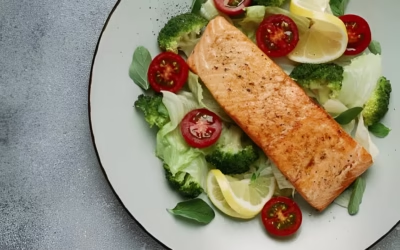
Can You Cook Frozen Salmon in an Air Fryer?

If you’re wondering can you cook frozen salmon in an air fryer, the answer is a resounding YES! Not only can you do it, but it’s actually one of the best methods for preparing frozen salmon. In fact, cooking frozen salmon in your air fryer is faster, easier, and produces better results than many traditional cooking methods.

This comprehensive guide will answer every question you have about cooking frozen salmon in an air fryer, including the science behind why it works so well, step-by-step instructions, expert tips, and everything you need to achieve perfectly cooked, tender, and flaky salmon straight from your freezer. No thawing required!

Can You Put Frozen Salmon in an Air Fryer? The Definitive Answer

Yes, you absolutely can put frozen salmon in an air fryer without defrosting it first! This isn’t just a convenient shortcut – it’s actually a highly effective cooking method that delivers restaurant-quality results. Here’s what makes it work:

  • The air fryer’s circulating hot air thaws and cooks salmon evenly
  • Total cooking time is just 12-17 minutes from freezer to plate
  • No thawing, no planning ahead – perfect for busy weeknights
  • Results are tender, flaky, and moist with slightly crispy edges
  • Safer than other methods – no need to worry about improper thawing

The key to success when you cook frozen salmon in air fryer is using a two-stage cooking method: first, you partially thaw the salmon at 390°F for 6-9 minutes, then season it and continue cooking until it reaches the perfect internal temperature. This simple technique ensures even cooking throughout while preventing the dreaded dry, overcooked exterior.

Complete Guide: Can You Air Fry Frozen Salmon Successfully?

Many home cooks are skeptical when they first hear “yes, you can air fry frozen salmon.” It seems too good to be true – no thawing, minimal prep, and perfect results?

But the air fryer’s unique combination of rapid air circulation, consistent temperature control, and compact cooking space makes it the ideal appliance for this task. Let’s explore why this method has become the preferred choice for busy home cooks and professional chefs alike.

For those looking to expand their repertoire beyond basic preparations, exploring various air fryer salmon recipes can open up a world of flavor possibilities – from Asian-inspired glazes to Mediterranean herb combinations, all designed specifically for cooking frozen salmon in your air fryer.

Can I Cook Frozen Salmon in Air Fryer Without Defrosting?

This is one of the most common questions, and the answer deserves emphasis: Yes, you can absolutely cook frozen salmon in air fryer without defrosting! In fact, skipping the defrosting step offers several advantages:

Food Safety Benefits

  • No risk of bacterial growth during improper thawing at room temperature
  • Eliminates the “danger zone” (40-140°F) where bacteria multiply rapidly
  • No cross-contamination from thawing juices in your refrigerator
  • Direct freezer-to-air fryer path minimizes handling and exposure

Convenience Advantages

  • Zero advance planning required
  • Saves 4-24 hours of thawing time
  • Perfect for last-minute dinner decisions
  • No need to remember to transfer fish from freezer to fridge the night before

Final Answer: Can You Cook Frozen Salmon in an Air Fryer?

To definitively answer the question “can you cook frozen salmon in an air fryer?” – YES, absolutely! Not only can you do it, but you should. The air fryer method for frozen salmon is:

  • Faster than traditional methods
  • Safer than improper thawing techniques
  • More convenient than planning ahead
  • Produces results equal to or better than thawed salmon
  • Incredibly easy with a high success rate

Whether you’re a busy parent looking for quick weeknight meals, a meal prep enthusiast wanting to batch cook, or simply someone who forgot to thaw tonight’s dinner, the air fryer is your solution. With just 12-17 minutes and minimal hands-on time, you can enjoy perfectly cooked, restaurant-quality salmon any night of the week.

So the next time someone asks you “can you cook frozen salmon in an air fryer,” you can confidently say yes – and share this guide to help them achieve perfect results every time!

You May Also Like