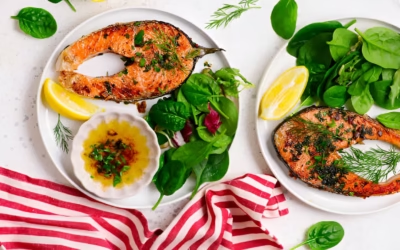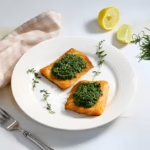
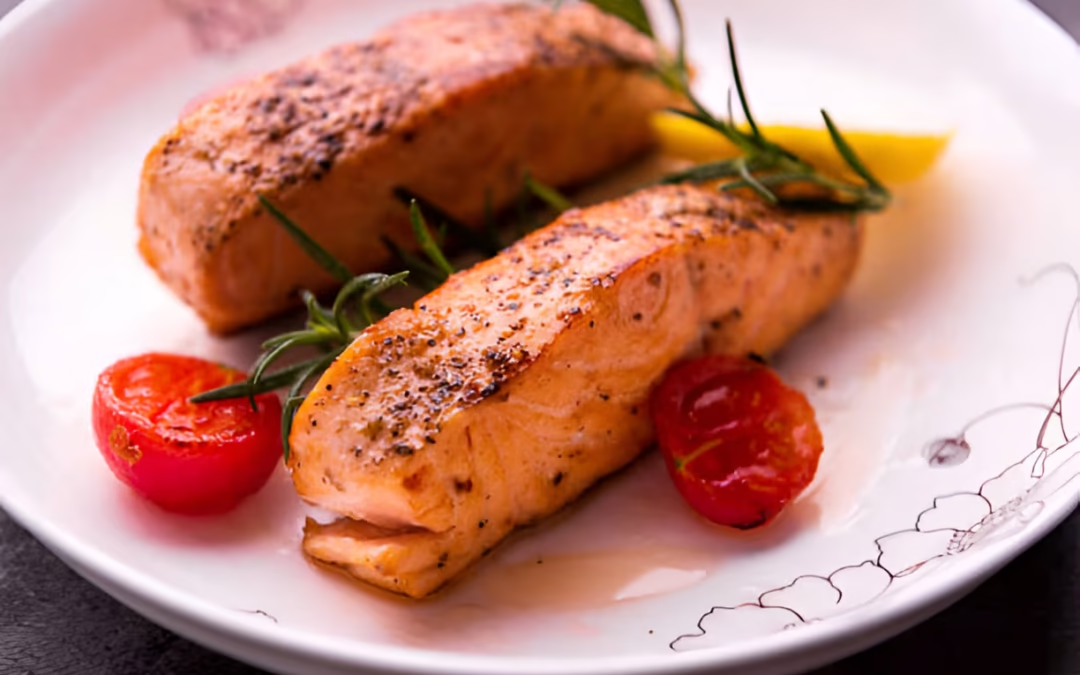
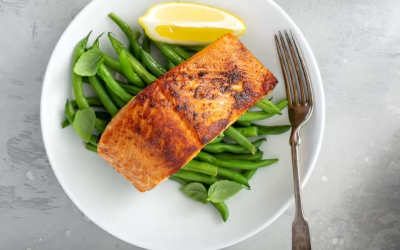
Cooking salmon fillets in air fryer has revolutionized home cooking, transforming what was once an intimidating protein into a foolproof weeknight staple. This cooking method delivers crispy-skinned, tender salmon with minimal effort and maximum flavor—no culinary degree required.
Why Air Frying Is the Best Method for Salmon Fillets
The air fryer creates optimal conditions for cooking salmon perfectly. The concentrated heat and rapid air circulation produce a beautifully caramelized exterior while keeping the interior moist and flaky. Unlike traditional oven baking, which can take 20-25 minutes, air fryer salmon cooks in just 7-10 minutes at 400°F.
This quick cooking time prevents the common problem of dry, overcooked salmon. The controlled environment of an air fryer basket means consistent results regardless of your experience level. There’s no watching a pan, no splattering oil, and no lingering fish smell in your kitchen—just perfectly cooked salmon every single time.
The versatility of this method accommodates any flavor profile. Whether you prefer simple lemon pepper seasoning, Asian-inspired teriyaki glaze, or Mediterranean herb crusts, air fryer salmon fillets adapt beautifully to your culinary preferences.
Selecting the Right Salmon Fillets for Air Frying
Fillet thickness dramatically impacts cooking time and results. Look for pieces that are 1 to 1.5 inches thick for the most consistent outcomes. Thinner fillets risk overcooking, while extremely thick portions may need adjusted temperatures or longer cooking times.
Both skin-on and skinless salmon fillets work in the air fryer, though each offers different benefits. Skin-on fillets develop an incredibly crispy exterior when placed skin-side down, adding textural contrast to the tender flesh. Skinless varieties cook slightly faster and absorb marinades more effectively.
Wild-caught options like sockeye, coho, and king salmon feature firmer textures and robust flavors that stand up well to bold seasonings. Farm-raised Atlantic salmon offers milder taste, higher fat content, and exceptional moistness—ideal for those who prefer a buttery, delicate finish. Frozen salmon fillets work just as well as fresh, requiring only 3-5 additional minutes of cooking time without thawing.
Preparing Salmon Fillets for the Air Fryer
Proper preparation ensures the best possible results. Remove salmon from the refrigerator 10-15 minutes before cooking, allowing it to reach room temperature for more even heat distribution. Pat the fillets completely dry with paper towels—excess moisture prevents browning and creates steam instead of the desired crispy exterior.
Season generously on all sides. A basic combination of kosher salt, black pepper, and garlic powder provides excellent flavor without overwhelming the natural taste of the fish. For enhanced browning and flavor development, brush fillets lightly with olive oil or avocado oil before seasoning.
If using frozen salmon fillets, skip the thawing process entirely. Simply pat away any ice crystals, season as usual, and add a few extra minutes to your cooking time. This convenience makes air fryer salmon an excellent last-minute dinner solution.
The Perfect Temperature and Timing for Salmon Fillets
Set your air fryer to 400°F for standard-sized fillets. This temperature creates the ideal balance between exterior caramelization and interior doneness. Most 6-ounce portions will be perfectly cooked in 8-10 minutes, though timing varies based on thickness and your preferred level of doneness.
For medium-rare salmon with a slightly translucent center, remove fillets when the internal temperature reaches 125-130°F. This takes approximately 7-8 minutes. For fully cooked salmon that still remains moist, target 135-140°F (8-10 minutes). The USDA recommends 145°F for food safety, which typically requires 10-12 minutes.
Check doneness by inserting a fork into the thickest part and gently twisting. Properly cooked salmon will flake easily but still appear moist. The flesh should be opaque with a slightly darker pink center if you prefer medium doneness.
Step-by-Step Instructions for Air Fryer Salmon Fillets
Preheat your air fryer to 400°F for 3-5 minutes. While some models don’t require preheating, this step ensures more consistent browning and accurate cooking times.
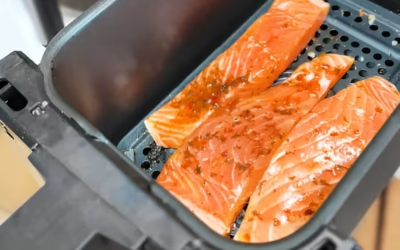
Place seasoned salmon fillets in the air fryer basket in a single layer, leaving space between each piece for proper air circulation. If cooking skin-on salmon, position it skin-side down for maximum crispiness. Avoid overcrowding—cook in batches if necessary rather than stacking fillets.
Cook for 7-10 minutes without flipping. One of the major advantages of air fryer salmon is that it doesn’t require turning halfway through. The circulating air cooks all sides evenly, creating a hands-off cooking experience.
Check the internal temperature or use the flake test to determine doneness. If needed, add 1-2 additional minutes for thicker portions. Let the salmon rest for 2-3 minutes after cooking to allow juices to redistribute throughout the fillet.
Seasoning and Marinade Options for Maximum Flavor
Classic Lemon Herb: Combine fresh lemon juice, minced garlic, chopped dill, olive oil, salt, and pepper. This timeless combination enhances rather than masks the salmon’s natural flavor.
Honey Garlic Glaze: Whisk together honey, soy sauce, minced garlic, grated ginger, and a splash of rice vinegar. Brush onto fillets before and halfway through cooking for a sticky, caramelized finish.
Cajun Blackened: Mix paprika, cayenne pepper, garlic powder, onion powder, dried thyme, and oregano. This spice blend creates a flavorful crust with Southern-inspired heat.
Maple Dijon: Combine pure maple syrup with Dijon mustard, apple cider vinegar, and a pinch of salt. This sweet-tangy glaze pairs beautifully with the richness of salmon.
Mediterranean Style: Coat fillets with olive oil, then season with dried oregano, basil, thyme, lemon zest, and crumbled feta cheese for Greek-inspired flavors.
For more creative flavor combinations and preparation techniques, explore these diverse air fryer salmon recipes that showcase everything from Asian fusion to classic preparations.
Achieving Crispy Skin on Salmon Fillets
Crispy salmon skin is a delicacy that many home cooks struggle to achieve—but the air fryer makes it almost effortless. Start with completely dry skin, using paper towels to absorb every bit of moisture. Any wetness will steam rather than crisp.
Score the skin lightly with a sharp knife in a crosshatch pattern without cutting into the flesh. This prevents the fillet from curling during cooking and allows fat to render more effectively.
Season the skin side generously with salt and a light coating of oil. Place the fillet skin-side down in the preheated air fryer basket. The direct contact with the hot basket surface combined with circulating air creates restaurant-quality crispiness.
Resist the urge to flip. The skin needs consistent contact with the hot surface to develop its crispy texture. After cooking, the skin should be golden brown and shatter-crisp—easily separable from the tender flesh if desired.
Common Mistakes When Cooking Salmon Fillets in Air Fryer
Overcrowding the basket is the most frequent error. Salmon pieces need adequate space for air circulation. When fillets touch, they steam rather than roast, resulting in soggy exteriors and uneven cooking. Always leave at least half an inch between portions.
Cooking straight from the refrigerator creates temperature gradients that lead to overcooked exteriors and undercooked centers. Allow salmon to sit at room temperature for 10-15 minutes before air frying.
Using excessive cooking spray or oil can cause smoking and unnecessary added calories. Salmon contains enough natural fat to prevent sticking. A light brush of oil enhances browning but isn’t always necessary, especially with fattier cuts.
Opening the air fryer repeatedly to check progress releases heat and extends cooking time. Trust the process and only check once near the estimated completion time. Modern air fryers with viewing windows eliminate this temptation entirely.
Ignoring resting time robs you of the juiciest results. Just like steak, salmon benefits from a brief rest period after cooking, allowing juices to redistribute throughout the fillet rather than running out when cut.
Pairing Suggestions for Air Fryer Salmon Fillets
Roasted vegetables make excellent companions for air fryer salmon. Asparagus, Brussels sprouts, green beans, and bell peppers can cook alongside your fish at the same temperature, creating a complete one-basket meal.
Grain-based sides provide satisfying substance. Quinoa, wild rice, couscous, or farro complement salmon’s richness while adding fiber and complex carbohydrates. Season grains with lemon zest and fresh herbs to echo the salmon’s flavors.
Fresh salads offer light, refreshing contrast. An arugula salad with shaved parmesan and lemon vinaigrette, a cucumber-tomato salad with red onion, or a classic Caesar all pair beautifully with the rich, fatty fish.
Starchy vegetables like roasted sweet potatoes, mashed cauliflower, or crispy potato wedges round out the meal with comfort-food appeal while maintaining nutritional balance.
Storing and Reheating Leftover Salmon Fillets
Properly stored air fryer salmon stays fresh for 3-4 days in the refrigerator. Allow cooked fillets to cool completely before transferring to airtight containers. Store separately from any sauces or sides to maintain the best texture.
For reheating, return salmon to the air fryer at 350°F for just 3-4 minutes. This gentle reheating preserves moisture while re-crisping the exterior. Avoid microwaving, which creates rubbery texture and uneven heating.
Leftover salmon works beautifully in new dishes. Flake it into salads, mix with cream cheese for a bagel spread, fold into pasta dishes, or layer in grain bowls. The versatility of cooked salmon extends its value well beyond the original meal.
For longer storage, freeze cooked salmon fillets for up to 2-3 months. Wrap tightly in plastic wrap, then in aluminum foil to prevent freezer burn. Thaw overnight in the refrigerator before reheating.
Nutritional Benefits of Air Fryer Salmon
Salmon ranks among the most nutrient-dense proteins available. A 6-ounce fillet provides approximately 34 grams of complete protein, supporting muscle maintenance, immune function, and satiety.
The omega-3 fatty acids in salmon—particularly EPA and DHA—support cardiovascular health, reduce inflammation, and promote brain function. Regular salmon consumption has been linked to reduced risk of heart disease, improved cognitive performance, and better mood regulation.
Air frying preserves these beneficial fats while minimizing added calories from cooking oils. A typical air-fried salmon fillet contains only the natural fats from the fish itself, making it significantly lighter than pan-fried or deep-fried preparations.
Salmon also delivers impressive amounts of vitamin D, vitamin B12, selenium, and potassium. These micronutrients support bone health, energy metabolism, antioxidant defense, and blood pressure regulation respectively.
Troubleshooting Air Fryer Salmon Issues
Problem: Dry, overcooked salmon
Solution: Reduce cooking time by 1-2 minutes and target a lower internal temperature (135°F instead of 145°F). Consider switching to a fattier salmon variety like king or Atlantic.
Problem: Undercooked center with cooked exterior
Solution: Let salmon reach room temperature before cooking, and select fillets with consistent thickness. If your piece has a thick end and a thin end, consider cutting it into uniform portions.
Problem: Fishy smell during cooking
Solution: This typically indicates lower-quality or older fish. Always purchase salmon from reputable sources and check the sell-by date. Fresh salmon should smell ocean-fresh, not fishy.
Problem: Salmon sticking to the basket
Solution: Even with non-stick baskets, a light coating of oil on the basket (not on the fish) can help. Alternatively, use parchment paper specifically designed for air fryers with pre-cut holes for circulation.
Problem: Uneven cooking
Solution: Ensure adequate space between fillets and avoid cooking pieces of vastly different sizes together. Consider using an instant-read thermometer to monitor the thickest portion.
Making Air Fryer Salmon Work for Meal Prep
Batch cooking salmon fillets transforms weekly meal planning. Most air fryers accommodate 2-4 fillets simultaneously, allowing you to prepare several days’ worth of protein in one session.
Season and cook all fillets using the same basic preparation, or divide them into different flavor profiles for variety throughout the week. Store each portion in individual containers for grab-and-go convenience.
Pair cooked salmon with different sides and sauces each day to prevent meal fatigue. Monday’s lemon-herb salmon might top a Greek salad, while Wednesday’s same fillet could star in an Asian-inspired rice bowl with teriyaki sauce.
Undercook salmon slightly (to about 130°F) if you plan to reheat it later in the week. This compensates for the additional cooking that occurs during reheating, preventing the dry, overcooked texture common with leftover fish.
Budget-Friendly Tips for Regular Salmon Consumption
Purchase frozen salmon fillets in bulk when on sale. Individually vacuum-sealed portions maintain quality for months while offering the flexibility to use only what you need. Many frozen options match or exceed the quality of “fresh” fish that’s been sitting on ice for days.
Check your local grocery store’s seafood department in the evening for manager’s specials on salmon approaching its sell-by date. These fillets are perfectly safe and delicious when cooked that evening or frozen immediately.
Smaller portions still provide excellent nutrition at lower cost. A 4-ounce fillet delivers substantial protein and omega-3s while stretching your budget further, especially when paired with filling sides like rice, potatoes, or beans.
Compare prices across salmon varieties. While king salmon commands premium pricing, coho and pink salmon offer similar nutritional benefits at significantly lower cost. Farm-raised Atlantic salmon typically provides the most affordable option while still delivering quality and flavor.
Conclusion: Mastering Salmon Fillets in Air Fryer
Cooking salmon fillets in air fryer eliminates the guesswork and intimidation often associated with preparing fish at home. This method’s foolproof nature, speed, and consistent results make it accessible to beginners while satisfying experienced cooks seeking efficiency without sacrificing quality.
The combination of quick cooking time, minimal cleanup, versatile seasoning options, and impressive nutritional benefits establishes air fryer salmon as an essential technique in any modern kitchen. Whether you’re cooking for one or preparing weekly meal prep, mastering this simple process opens up endless possibilities for healthy, delicious meals.
With practice, you’ll develop an intuitive feel for your specific air fryer’s performance, allowing you to customize cooking times and temperatures to achieve your perfect level of doneness. The investment of a few trial runs pays dividends in countless satisfying salmon dinners that rival restaurant quality while keeping you in control of ingredients, portions, and costs.
You May Also Like
Air Fryer Pesto Salmon: Quick and Flavorful Weeknight Dinner
Air Fry Salmon and Broccoli: Quick and Healthy One-Pan Dinner
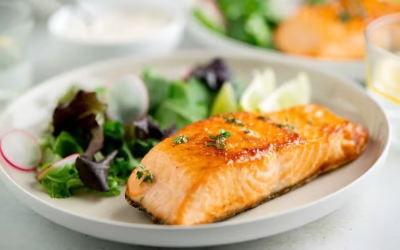
Morey’s Salmon Air Fryer: Perfectly Cooked Frozen Salmon
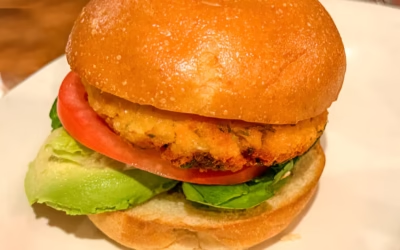
Trader Joe’s Salmon Burger Air Fryer: Quick and Easy Guide
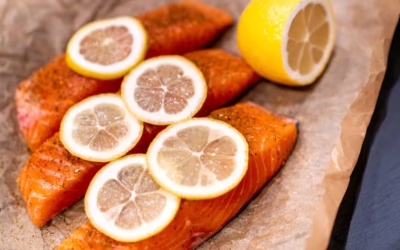
Air Fryer Lemon Pepper Salmon: Quick & Easy Weeknight Dinner
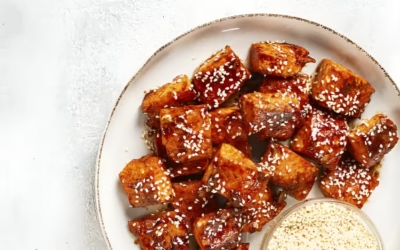
Easy Air Fryer Bang Bang Salmon Bites Recipe
Air Fry Sockeye Salmon: Perfect Wild Alaskan Salmon
Ninja Air Fryer Salmon: Perfect Results in 10 Minutes