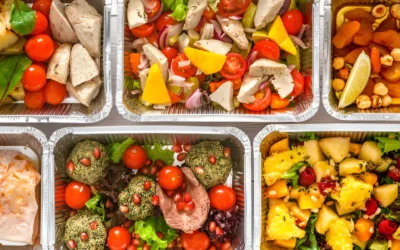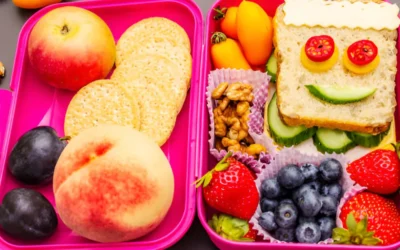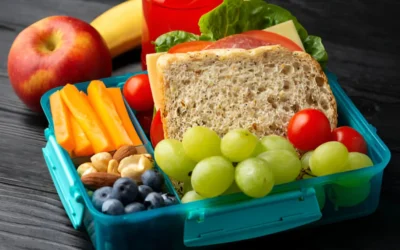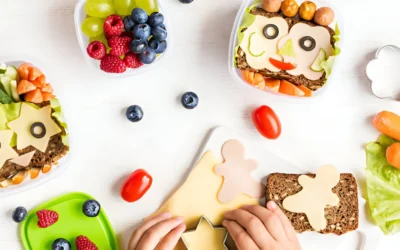

Packing a nutritious, appealing toddler daycare lunch ideas can feel overwhelming—especially when you’re navigating picky eating, daycare restrictions, and the daily rush of getting out the door.
This comprehensive guide combines practical wisdom from registered dietitians, experienced parents, and childcare experts to give you over 50 toddler daycare lunch ideas that are nutritious, easy to pack, and—most importantly—toddler-approved.
Whether your little one attends daycare, preschool, or spends time with a caregiver, you’ll find solutions that work for your family.
Understanding Your Toddler’s Changing Appetite
Before diving into specific lunch ideas, it’s essential to understand what’s happening with your toddler’s nutrition needs during this stage.
The Growth Slowdown Is Normal
Between ages 1 and 3, your child’s growth rate drops significantly compared to their first year of life. This naturally leads to a decrease in food intake, which can be alarming for parents but is completely normal.
If your toddler is growing, following their unique growth curve, and seems happy and energetic, they’re eating the right amount—even if it seems less than you expect.
Conversely, some toddlers may seem hungrier than before. Remember: every child is different. Trust their appetite cues rather than comparing them to recommendations or other children.
Think Weekly, Not Daily
Toddlers are notorious for erratic appetites. One day they’ll devour everything; the next, they’ll barely touch their food. Instead of stressing about what they eat in a single day, look at their intake over the course of a week. You’re more likely to see nutritional balance this way, making mealtimes far less stressful.
Eating at Daycare vs. Home
It’s common for toddlers to eat differently at daycare than at home. The change in environment, allergy restrictions, peer influence, and different routines all play a role. Don’t stress if daycare eating seems “worse” than home—what happens at daycare isn’t their only eating experience.
Essential Guidelines for Packing Daycare Lunches
What Makes a Balanced Toddler Lunch?
Ideally, each lunch should include:
- Protein or healthy fat (keeps them full longer)
- Fruits and/or vegetables (aim for colorful variety)
- Complex carbohydrates (whole grains when possible)
- Water or milk as a beverage
In reality, focus on what your child will actually eat. A lunch they consume is better than a perfectly balanced one that comes home untouched.
Key Principles for Success
1. Stick to Familiar Foods Never pack foods your child has never tried before. Daycare is not the time for food experiments. Save new foods for trying at home where you can offer support and encouragement. Pack familiar favorites to ensure your child has enough to eat.
2. Choose Finger Foods Toddlers are still developing fine motor skills. Foods they can pick up with their fingers minimize mess, allow independence, and make eating more enjoyable. Think bite-sized pieces, strips, cubes, and anything that doesn’t require utensils.
3. Consider Nutrition Goals Look for snacks and foods with at least 2 grams of protein OR 2 grams of fiber—ideally both. This combination keeps toddlers full and satisfied between meals. Avoid relying too heavily on fruit-only snacks like applesauce pouches or fruit bars, as they lack protein, fat, and variety.
4. Check Allergy Guidelines Always verify your daycare’s allergy policies. Many facilities are nut-free, requiring alternatives like sunflower seed butter instead of peanut butter. Communicate with teachers about any restrictions to keep all children safe.
5. Invest in Quality Lunch Containers Bento box-style containers work exceptionally well for toddlers, who often melt down if foods touch each other. Choose durable options that can withstand daily drops. Keep lunches cold with thin ice packs on either side of the container, or freeze items like applesauce pouches, yogurt tubes, or milk containers to act as additional cooling.
6. Get Your Child Involved When possible, let your toddler help pack their lunch or at least watch and comment on what you’re doing. Children who participate in the process are more likely to eat the meal later.
How Much Should You Pack?
This depends entirely on your child’s appetite. Pay attention to patterns:
- If food returns home uneaten, pack less next time
- If everything disappears, add a bit more
- Some children prefer abundance, while others feel overwhelmed by too many choices
- Match home portions: If they eat half a sandwich at home, don’t pack a whole one for daycare
Special Considerations for No-Reheat/No-Refrigeration Daycares
Some daycares cannot reheat or refrigerate lunches. Here’s how to manage:
Keeping Foods Safe
For Cold Foods:
- Use at least 2 thin ice packs on either side of the lunch
- Freeze items like applesauce pouches, yogurt tubes, or shelf-stable milk boxes (they’ll thaw by lunch)
- Some parents freeze cheese sticks—they thaw in time and help keep other foods cold
- Invest in a quality insulated lunch bag
For Hot Foods:
- Use a high-quality kids’ thermos
- Preheat the thermos with hot water before adding food
- Pack foods like pasta, soup, or leftover casseroles hot in the morning
Cold Lunch Ideas That Don’t Need Reheating
Many foods taste great at room temperature or cold:
- Sandwiches and wraps
- Pasta salads
- Muffins (savory or sweet)
- Frittatas and egg muffins
- Quesadillas
- Pizza (many toddlers love cold pizza!)
- Pancakes or waffles
- Crackers with cheese and meat
- Hummus with veggies or crackers
50+ Toddler Daycare Lunch Ideas That Actually Work
Category 1: Sandwiches & Wraps (Easy Classics)
1. Hummus Sandwiches Spread hummus between soft bread slices and cut into small squares or cubes. Try carrot hummus or creamy nut-free versions. Serve with cucumber slices, steamed carrots, and fruit.
2. Pinwheel Sandwiches Flatten bread with a rolling pin, spread with filling (cream cheese, hummus, turkey, etc.), roll tightly, and slice into spirals. These fun bite-sized pieces are perfect for little hands.
3. Tic-Tac-Toe Sandwiches Cut sandwiches into nine small squares arranged in a grid pattern. Add cheese, meat, or veggie squares to create a playful game they can eat.
4. Sandwich Roll-Ups Use soft tortillas spread with sunflower butter (or peanut butter if allowed) and top with banana. Roll up and slice for “banana sushi.” Alternative: cream cheese with turkey.
5. Grilled Peanut Butter & Jelly A warm twist on the classic—grills in minutes and travels well at room temperature.
6. Ham and Cheese Boxes Diced ham, shredded cheese, and whole grain bread or a muffin served separately as a deconstructed sandwich. Add cucumber slices and clementines.
7. Turkey Spinach Pinwheels Tortilla with cream cheese, turkey, and spinach rolled and sliced. Swap ingredients based on your child’s preferences.
Category 2: Protein-Packed Muffins & Bites
8. Egg and Cheese Mini Muffins These portable bites contain veggies, eggs, and cheese. Make a big batch and freeze for easy grab-and-go options.
9. Spinach Egg Muffins Savory muffins loaded with spinach and cheese. Pair with fruit and crackers for a complete meal.
10. Pizza Muffins These taste like pizza in muffin form—a toddler favorite! Serve with veggies and fruit.
11. Veggie Muffins Options include spinach muffins, carrot cake muffins, or savory veggie muffins. These work as a meal on their own with added protein like yogurt or cheese.
12. Sweet Potato, Bacon, and Broccoli Egg Muffins High-protein, filling, and perfect for making ahead. Freeze extras for future lunches or breakfasts.
13. Broccoli Bites Made with just 5 ingredients, these are tasty, satisfying, and easy for toddlers to hold. Pair with hummus and crackers.
14. Chicken Parmesan Bites Cheesy, crispy, bite-sized, and dippable. Ready in 30 minutes and loved by adults and kids alike.
Category 3: Pasta & Grain Bowls
15. Pesto Pasta Salad Toss pasta with store-bought or homemade pesto, halved cherry tomatoes, and diced cheese or chicken. This works great cold.
16. Broccoli Pesto Pasta Sneak broccoli into pesto for hidden veggies. Add grilled chicken or blend tofu into the sauce for extra protein.
17. Hummus Pasta A simple twist—toss cooked pasta with hummus. Add vegetables and protein like beans, chicken, or tofu.
18. BLT Pasta Salad Bacon helps kids eat romaine! Mix pasta with lettuce, tomatoes, and a creamy dressing.
19. Avocado and Black Bean Pasta Salad Plant-based protein and healthy fats in a Tex-Mex inspired dish. Add meat if desired.
20. Sesame Noodles Slightly sweet sauce with slurpable noodles. Pack extra sesame sauce for dipping.
21. Homemade SpaghettiOs Better than the canned version with a crispy Manchego cheese topping.
22. Easy Parmesan Buttered Noodles Ready in 15 minutes and more flavorful than plain noodles. Add proteins and veggies as tolerated.
Category 4: Quesadillas & Mexican-Inspired
23. Sheet Pan Quesadillas Make one giant quesadilla and cut into squares. Save time and reduce mess.
24. Mini Quesadillas Bean and cheese stuffed into wonton wrappers—finger food perfection.
25. Pizza Quesadillas Spread pizza sauce and broccoli-spinach-white bean filling on tortillas. Cut into bite-sized pieces with kitchen shears.
26. Ham, Egg, and Cheese Breakfast Quesadillas Breakfast for lunch with a little hidden broccoli.
27. Taco Salad for Toddlers Brown rice, black or pinto beans, diced veggies, cubed cheese, and mild salsa. Serve with yogurt mixed with salsa as a dip.
28. Easy Enchilada Cups Shredded chicken, cheese, and mild enchilada sauce in portable cups.
29. Taco Pinwheels Cream cheese spread on tortillas with taco-seasoned filling, rolled and sliced.
Category 5: Nuggets, Tots & Fritters
30. Baked Quinoa Chicken Nuggets Crispy quinoa breading makes these healthier than store-bought. Perfect for dipping.
31. Homemade Fish Sticks Crispy and delicious—air fryer or oven-baked. Serve with tartar sauce, ranch, or ketchup.
32. Healthy Chicken Nuggets Homemade nuggets with your choice of healthy dipping sauces.
33. Sweet Potato Tots Made with just 4 ingredients and full of flavor.
34. Crispy Cauliflower Nuggets Vegetarian option that looks like chicken nuggets.
35. Zucchini Corn Fritters Pack straight from the fridge without reheating for a softer texture toddlers may prefer.
36. Sweet Potato Fritters Quick to make and loved by little ones. Serve with applesauce for dipping.
37. Corn Fritters Can be served with mild elote dip or ketchup based on spice tolerance.
Category 6: Pizza-Inspired Favorites
38. Pizza Rolls Soft on the inside, not too chewy even when cold. Include fruit and extra protein on the side.
39. Soft and Cheesy Pepperoni Pizza Puffs Made with whole wheat flour for added nutrition. Freeze extras for up to a month.
40. Mini Deep Dish Pizzas Use flour tortillas for the crust—genius hack! Ready in 25 minutes.
41. Puff Pastry Pizza Bundles Crowd-pleaser ready in 25 minutes. Make your own sauce to sneak in veggies.
42. Pizza Eggs Eggs with pizza flavor—eat alone or add to sandwiches.
Category 7: Creative Options & Snack Lunches
43. Veggie Sushi Kid-friendly sushi with vegetables instead of raw fish. Bite-sized and fun.
44. Banana Sushi Sunflower or peanut butter spread on tortilla with banana, rolled and sliced. Serve with edamame and fruit.
45. Snack Tray Lunch Use a muffin tin or freezer tray to create a fun variety of finger foods and dips. This is a game-changer for picky eaters who prefer grazing.
46. Peanut Butter and Banana Roll-Ups Snack Box Bento-style box with various compartments prevents food from touching.
47. Chickpea Salad Lunch Box Chickpea salad with matchstick carrots, grapes, and naan. Makes 4 lunches at once.
48. Sandwich on a Stick Sandwiches become more fun when served on skewers.
49. Greek Yogurt Chicken Salad Stuffed Peppers Creamy chicken salad with hidden veggies. Kids may not eat the pepper boat but will love the filling.
50. Chickpea Cookie Dough Sweet potato and chickpea dip with no added sugar. Fun alternative to regular dips.
Category 8: Breakfast for Lunch
51. Banana Pancakes (4 Ingredients) No added sugar, high in protein and fiber. Add chocolate chips for bonus points.
52. Leftover Pancakes or Waffles Spread with sunflower butter or cream cheese and jam for simple sandwiches.
53. Vegetable French Toast Savory version using leftover vegetables. Ready in 5 minutes.
54. Banana French Toast Sweet version that’s super easy. Try spreading jam and cream cheese between slices.
55. Yogurt with Granola Layer granola (remove big clumps) over yogurt. It softens as it sits, making it easy to chew.
56. Overnight Oats with Yogurt Can be blended smooth and spooned into a reusable pouch for easier eating.
Category 9: Dinner Leftovers (Yes, Really!)
Don’t underestimate the power of serving dinner leftovers cold or at room temperature:
- Pasta dishes
- Rice bowls
- Mild casseroles
- Roasted vegetables
- Grilled chicken
- Meatloaf muffins
With repeated exposure at home to these foods served cold, your child won’t have trouble eating them at school.
Building the Perfect Snack Tray Lunch
When you’re short on time or your child seems particularly picky, a snack tray lunch can be a lifesaver. Here’s how to build one:
Choose Items from Each Category:
Protein:
- Cubed cheese
- String cheese
- Hard-boiled eggs (quartered)
- Diced deli meat
- Cooked shredded chicken
- Tofu cubes
- Beans
- Greek yogurt
Vegetables:
- Cherry tomatoes (halved for safety)
- Cucumber slices
- Carrot sticks or coins
- Bell pepper strips (use cookie cutters for fun shapes)
- Steamed broccoli florets
- Snap peas
- Thawed frozen peas or corn
Fruits:
- Berries
- Melon cubes
- Apple slices
- Grapes (halved for children under 4)
- Clementine segments
- Peach slices
- Kiwi slices
Grains/Carbs:
- Whole grain crackers
- Mini rice cakes
- Dry cereal
- Mini muffins
- Bread cubes
Fun Foods (Optional):
- Freeze-dried fruits
- Fruit leather
- Small cookie or treat
- Pretzels
- Veggie straws
Assembly Tips:
- Use a muffin tin, bento box, or freezer tray with a lid
- Keep portions small—toddlers can be overwhelmed by too much food
- Include 1-2 favorites and 1 “learning” food (something they’re being exposed to)
- Make it visually appealing with different colors
Nutritional Tips from Dietitians
Protein and Fiber Goals
Look for foods with at least 2 grams of protein OR 2 grams of fiber per serving. This combination provides lasting energy and prevents the “I’m hungry again” complaints shortly after eating.
Limit Juice and Sweets
- Water is the best beverage
- Whole milk can provide extra calories if needed
- Limit juice to about 1 serving per day (100% juice only)
- While all foods fit in a healthy diet, sweets don’t need to be daily staples
Avoid Relying on Fruit-Only Snacks
Applesauce pouches, raisins, and fruit bars lack protein, fat, and variety. They’re fine occasionally but shouldn’t be the main source of nutrition.
Choking Hazard Awareness
For children under 4:
- Cut grapes lengthwise into quarters
- Slice hot dogs lengthwise, then into small pieces
- Avoid whole nuts, popcorn, and hard candies
- Cut cherry tomatoes into quarters
- Ensure raw carrots are very thinly sliced or steamed until slightly soft
Making Lunch Packing Easier
Meal Prep Strategies
Weekend Batch Cooking:
- Make a big batch of muffins (egg muffins, regular muffins, pizza muffins)
- Prepare pasta salad for the week
- Cook proteins (chicken, hard-boiled eggs, beans)
- Wash and cut vegetables and fruits
Freezer-Friendly Options:
- Muffins (all varieties)
- Pancakes and waffles
- Quesadillas
- Pizza rolls
- Nuggets and fritters
- Sandwiches (avoid lettuce and tomato)
Night-Before Prep:
- Assemble dry ingredients in lunch box
- Prep fruits and veggies in containers
- Have ice packs ready in freezer
- Pack non-perishables
Shopping Shortcuts
Keep these pantry and fridge staples on hand:
- Whole grain bread and tortillas
- Hummus
- Sunflower or peanut butter
- String cheese and block cheese
- Greek yogurt
- Eggs
- Deli meat (low sodium)
- Pasta
- Crackers
- Canned beans
- Applesauce pouches
- Shelf-stable milk boxes
Addressing Common Challenges
“My Toddler Only Eats Beige Foods”
Start where they are. If chicken nuggets and crackers are safe foods, include them. Then:
- Add one colorful food alongside favorites (no pressure to eat it)
- Keep exposing them to new foods without expectations
- Model eating a variety of foods yourself
- Don’t make it a battle—it takes time
“Everything Comes Home Uneaten”
Possible solutions:
- Pack smaller portions
- Stick to tried-and-true favorites for a while
- Ask teachers about the eating environment (rushed? distracted?)
- Consider whether your child is filling up on milk or snacks
- Remember that some kids eat less at school—it’s normal
“They Love It at Home But Won’t Eat It at School”
This is incredibly common. The environment is different, there are distractions, and they may feel less comfortable. Keep offering it—familiarity over time helps.
“I’m Out of Ideas”
When you feel stuck:
- Repeat favorites—it’s okay!
- Ask your child what they want
- Look at what other parents pack (without comparing)
- Remember that simple is perfectly fine
- Take a break from trying to be creative
Sample Weekly Lunch Plan
Monday:
- Hummus sandwich cut into cubes
- Cucumber slices
- Blueberries
- String cheese
Tuesday:
- Leftover pancakes with sunflower butter
- Carrot sticks
- Apple slices
- Yogurt pouch
Wednesday:
- Mini quesadilla pieces
- Cherry tomatoes (quartered)
- Grapes (halved)
- Cheese cubes
Thursday:
- Egg muffins (2)
- Crackers
- Bell pepper strips
- Peach slices
Friday:
- Snack tray: cheese, turkey, crackers, snap peas, strawberries, dry cereal
Final Thoughts
Packing toddler lunches doesn’t have to be perfect or Instagram-worthy. The goal is simple: send nutritious foods your child will actually eat, presented in a way that works for your family’s routine.
Some days you’ll have energy to make homemade muffins and arrange beautiful bento boxes. Other days, a simple sandwich with apple slices is all you can manage—and that’s completely okay. Your child won’t remember whether their lunch was gourmet; they’ll remember that you cared enough to feed them.
Be patient with yourself and your toddler daycare lunch ideas. Eating habits develop over time through consistent, low-pressure exposure to a variety of foods. What matters most is that mealtimes remain positive, food stays available, and your child feels supported in their eating journey.
You’ve got this, and your toddler is lucky to have you advocating for their nutrition every single day.