Easy Air Fryer Bang Bang Salmon Bites Recipe

Easy Air Fryer Bang Bang Salmon Bites Recipe

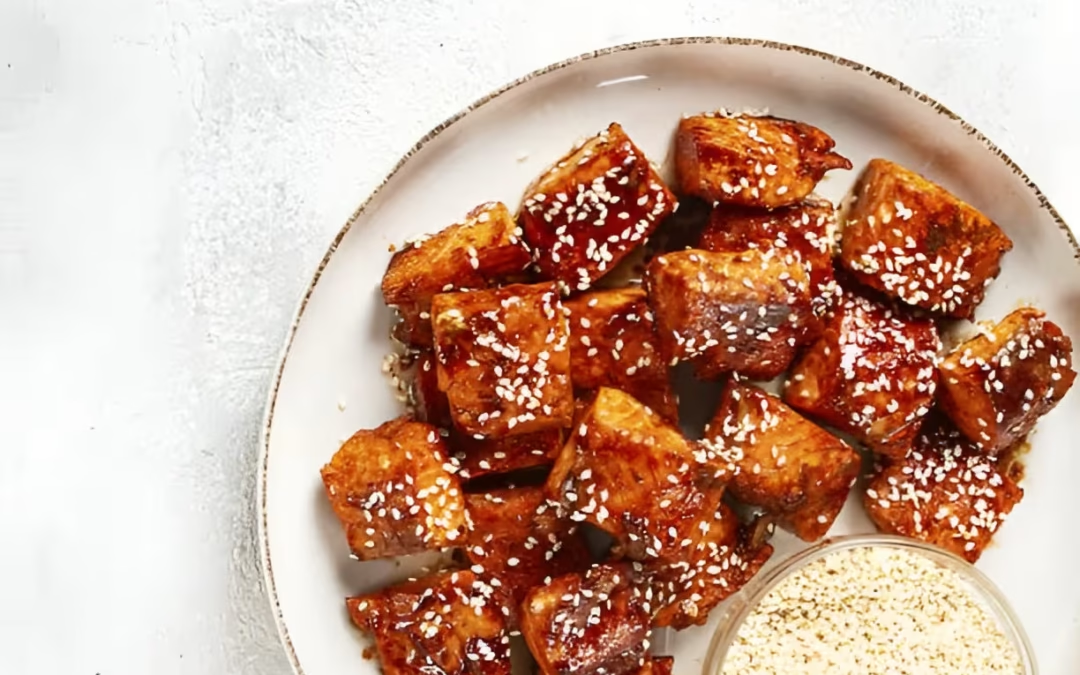
If you’re searching for a quick and delicious salmon recipe that delivers restaurant-quality flavor in under 20 minutes, these Air Fryer Bang Bang Salmon Bites are about to become your new weeknight dinner favorite. This crispy air fryer salmon recipe combines tender, juicy salmon cubes with a creamy, sweet, and spicy bang bang sauce that’s absolutely irresistible.

Why You’ll Love These Bang Bang Salmon Bites

These bite-sized salmon pieces are more than just another air fryer recipe. They’re a game-changer for busy families and anyone looking for healthy meal prep ideas. Here’s what makes this easy salmon recipe so special:

Quick Cooking Time: Ready in just 15-20 minutes from start to finish, making it perfect for those hectic weeknights when you need dinner on the table fast.

Restaurant-Quality Results: The air fryer creates perfectly crispy edges while keeping the center moist and flaky, delivering that premium salmon texture you’d pay top dollar for at your favorite seafood restaurant.

Incredibly Versatile: Serve these salmon bites over rice bowls, in tacos, on salads, or as a crowd-pleasing appetizer. The possibilities are endless.

Packed with Nutrition: Salmon is a superfood rich in omega-3 fatty acids, high-quality protein, and essential vitamins, making this a healthy dinner option your whole family will actually enjoy.

No Breading Required: Unlike traditional fried fish, this recipe keeps things lighter by skipping the breadcrumbs while still achieving that coveted crispy texture.

What is Bang Bang Sauce?

Bang Bang sauce is a creamy, sweet, and spicy condiment that originated with the famous Bang Bang Shrimp from Bonefish Grill. The sauce typically combines mayonnaise, Thai sweet chili sauce, and sriracha to create a flavor explosion that perfectly complements seafood. For this air fryer salmon recipe, we’re using this iconic sauce to coat tender salmon cubes for an addictive sweet and spicy combination.

Ingredients for Air Fryer Bang Bang Salmon Bites

For the Salmon Bites:

  • 1.5 pounds fresh salmon fillets (skinless, preferably wild-caught)
  • 2 tablespoons olive oil
  • 1 teaspoon garlic powder
  • 1 teaspoon paprika (smoked paprika works great too)
  • 1/2 teaspoon onion powder
  • 1/2 teaspoon kosher salt
  • 1/4 teaspoon black pepper
  • 1/4 teaspoon cayenne pepper (optional, for extra heat)

For the Bang Bang Sauce:

  • 1/2 cup mayonnaise
  • 1/4 cup Thai sweet chili sauce
  • 1-2 tablespoons sriracha (adjust to taste)
  • 1 tablespoon honey
  • 1 teaspoon lime juice or lemon juice
  • Optional: 1/4 cup Greek yogurt (for a lighter version)

For Garnish:

  • Chopped green onions
  • Sesame seeds
  • Fresh cilantro

How to Make Air Fryer Bang Bang Salmon Bites

Step 1: Prepare the Bang Bang Sauce

In a small bowl, whisk together the mayonnaise, sweet chili sauce, sriracha, honey, and lime juice until well combined. Divide the sauce in half—you’ll use half for coating before cooking and reserve the other half for drizzling after the salmon is cooked. This prevents any food safety concerns with raw fish. Place the reserved sauce in the refrigerator until serving time.

Step 2: Cut and Season the Salmon

Pat your salmon fillets dry with paper towels to remove excess moisture. Using a sharp knife, cut the salmon into uniform 1-inch cubes. Keeping the pieces roughly the same size ensures even cooking in the air fryer.

Place the salmon cubes in a large bowl and drizzle with olive oil. In a small bowl, combine the garlic powder, paprika, onion powder, salt, black pepper, and cayenne pepper. Sprinkle this seasoning mixture over the salmon and gently toss to coat all pieces evenly.

Step 3: Preheat Your Air Fryer

Preheat your air fryer to 400°F (200°C) for about 3-5 minutes. While some air fryer models don’t require preheating, doing so helps achieve those perfectly crispy edges that make this recipe so delicious.

Step 4: Air Fry the Salmon

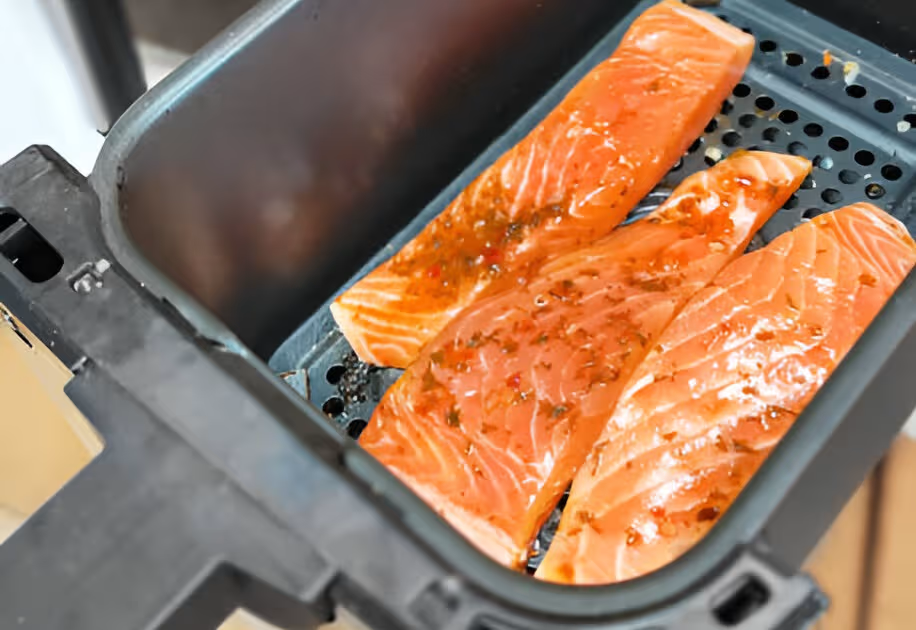
Arrange the seasoned salmon bites in a single layer in your air fryer basket, making sure they’re not touching or overlapping. Don’t overcrowd the basket—air needs to circulate around each piece for proper cooking. You may need to work in batches depending on your air fryer size.

Cook the salmon bites at 400°F for 7-10 minutes, shaking the basket halfway through for even cooking. The salmon is done when it reaches an internal temperature of 145°F and easily flakes with a fork. The outside should be golden brown and slightly crispy while the inside remains tender and moist.

Step 5: Sauce and Serve

Transfer the cooked salmon bites to a serving platter. Drizzle generously with the reserved bang bang sauce and garnish with chopped green onions and sesame seeds. Serve immediately while hot and crispy for the best flavor and texture.

Pro Tips for Perfect Air Fryer Salmon

Use Fresh, Quality Salmon: Choose fresh, high-quality salmon fillets for the best flavor. Wild-caught Alaskan salmon or Atlantic salmon work beautifully in this recipe.

Don’t Skip the Preheat: Preheating your air fryer helps create that restaurant-quality sear on the outside while keeping the inside perfectly cooked.

Uniform Sizes Matter: Cut your salmon into evenly-sized pieces so they cook at the same rate. This prevents some pieces from being overcooked while others are underdone.

Give Them Space: Resist the temptation to overcrowd your air fryer basket. Proper air circulation is key to achieving crispy edges on all sides.

Watch the Cook Time: Cooking time can vary based on your air fryer model and the thickness of your salmon pieces. Start checking at 7 minutes to prevent overcooking.

Pat It Dry: Removing excess moisture from the salmon before seasoning helps achieve better browning and crispiness.

Delicious Serving Ideas

These versatile air fryer salmon bites work beautifully in multiple dishes:

Salmon Rice Bowls: Serve over jasmine rice or brown rice with steamed vegetables, edamame, and a drizzle of extra bang bang sauce. Add pickled cucumbers or avocado for extra flavor.

Salmon Tacos: Wrap the bites in warm tortillas with shredded cabbage, cilantro, lime wedges, and a dollop of the creamy sauce.

Healthy Salad Topper: Add these protein-packed bites to your favorite salad greens with cherry tomatoes, cucumber, and a light vinaigrette.

Appetizer Platter: Serve with toothpicks alongside the bang bang sauce for dipping at your next gathering or game day spread.

Meal Prep Bowls: These salmon bites are perfect for weekly meal prep. Pair with roasted vegetables, quinoa, and your favorite healthy sides.

Variations and Substitutions

Lighter Bang Bang Sauce: Substitute half the mayonnaise with plain Greek yogurt for a protein boost and fewer calories while maintaining that creamy texture.

Spice Level Adjustments: Control the heat by adjusting the amount of sriracha. Start with less and add more to taste. For a milder version, reduce or omit the cayenne pepper.

Different Proteins: This cooking method and sauce work beautifully with other proteins too. Try air fryer chicken bites, shrimp, or even tofu for a vegetarian option.

Alternative Seasonings: Switch up the flavor profile with lemon pepper seasoning, Cajun seasoning, or an Asian-inspired blend with ginger and sesame oil.

Gluten-Free Option: This recipe is naturally gluten-free if you use gluten-free soy sauce or tamari in place of regular soy sauce if adding any to your sauce variation.

Storage and Reheating Instructions

Refrigerator Storage: Store leftover salmon bites in an airtight container in the refrigerator for up to 3-4 days. Keep the bang bang sauce separate for best results.

Freezer Storage: Freeze cooked salmon bites (without sauce) on a baking sheet until solid, then transfer to a freezer-safe container or bag for up to 2-3 months.

Reheating: The air fryer is the best method for reheating these bites. Reheat at 350°F for 3-4 minutes to restore that crispy exterior. You can also reheat in a preheated oven at 400°F for 5-7 minutes.

Make-Ahead Tips: Prepare the bang bang sauce up to a week in advance and store it in an airtight container in the refrigerator. Cut and season the salmon up to a few hours before cooking, but don’t marinate it longer than 30 minutes as the acid can make the fish mushy.

Oven Baking Alternative

Don’t have an air fryer? No problem! You can bake these bang bang salmon bites in your conventional oven with great results.

Preheat your oven to 400°F (200°C). Line a baking sheet with parchment paper and arrange the seasoned salmon bites in a single layer. Bake for 12-15 minutes, flipping halfway through, until the salmon reaches an internal temperature of 145°F and is golden brown. Toss with bang bang sauce and serve immediately.

Nutritional Benefits of Salmon

This healthy dinner recipe isn’t just delicious—it’s incredibly nutritious too. Salmon is considered one of the healthiest proteins you can eat:

  • Rich in Omega-3 Fatty Acids: Essential for heart health, brain function, and reducing inflammation
  • High-Quality Protein: About 35 grams of protein per 6-ounce serving supports muscle growth and repair
  • Loaded with B Vitamins: Especially B12, which supports energy production and nervous system health
  • Excellent Source of Selenium: Important for thyroid function and immune health
  • Contains Vitamin D: Supports bone health and immune function

By choosing to air fry instead of deep fry, you’re also keeping the calorie count reasonable while maximizing the nutritional benefits of this superfood.

Frequently Asked Questions

Can I use frozen salmon for this recipe? Yes! You can use frozen salmon, but it’s best to thaw it completely first. Place sealed salmon in cold water for about 15 minutes or thaw overnight in the refrigerator. Pat very dry before cutting and seasoning.

What’s the white stuff that comes out of my salmon? That’s albumin, a protein that’s completely harmless and normal. It appears when salmon is cooked at high heat. Patting the salmon dry before cooking can help minimize this.

Can I make this without an air fryer? Absolutely! Use the oven method described above, or pan-sear the salmon bites in a large skillet over medium-high heat for 3-4 minutes per side.

How do I know when the salmon is fully cooked? The internal temperature should reach 145°F on an instant-read thermometer. The salmon should also flake easily with a fork and be opaque throughout.

Can I use skin-on salmon? While you can, it’s easier to cut the salmon into cubes if you remove the skin first. Ask your seafood counter to remove it, or use a thin, sharp knife to carefully separate the skin from the flesh.

Why This Recipe Works for Busy Families

These Air Fryer Bang Bang Salmon Bites check all the boxes for a weeknight dinner win. They’re faster than ordering takeout, healthier than fast food, and impressive enough to serve to guests. The combination of the quick cooking method, minimal ingredients, and maximum flavor makes this recipe a keeper you’ll return to again and again.

The air fryer does the heavy lifting, creating that coveted crispy texture without the mess and calories of deep frying. Meanwhile, the bold bang bang sauce transforms simple salmon into something special that even picky eaters will love.

Whether you’re meal prepping for the week, need a last-minute dinner solution, or want to impress at your next gathering, these salmon bites deliver every single time.

Final Thoughts

Air Fryer Bang Bang Salmon Bites prove that healthy eating doesn’t have to be boring or time-consuming. This easy recipe transforms quality salmon into crispy, flavor-packed bites that satisfy both your taste buds and your nutritional needs. The combination of the perfectly seasoned salmon with that creamy, sweet, and spicy bang bang sauce creates a restaurant-quality dish you can make any night of the week.

Give this recipe a try tonight and discover why it’s become a viral favorite in kitchens everywhere. Your family will be asking for these delicious salmon bites on repeat—and you’ll be happy to oblige because they’re just that easy to make!

Recipe Summary

Prep Time: 10 minutes
Cook Time: 8-10 minutes
Total Time: 20 minutes
Servings: 4
Calories: Approximately 350 per serving

You May Also Like

Air Fry Sockeye Salmon: Perfect Wild Alaskan Salmon

Air Fry Sockeye Salmon: Perfect Wild Alaskan Salmon

Master the art of cooking air fry sockeye salmon with this complete guide! Learn how to transform wild-caught Alaskan sockeye into restaurant-quality perfection with crispy skin, tender flesh, and bold flavor—all in under 15 minutes using your air fryer.

Why Sockeye Salmon is Perfect for Air Frying

Sockeye salmon, also known as red salmon, is a premium wild-caught variety from Alaska and the Pacific Northwest that’s perfectly suited for air fryer cooking. Its lean, firm texture and deep red color make it one of the most visually stunning and nutritionally superior salmon varieties available.

Unlike fattier salmon varieties like Atlantic or King salmon, wild sockeye salmon has a unique composition that requires slightly different cooking techniques. With lower fat content and denser flesh, sockeye needs careful attention to prevent drying out—and that’s exactly where the air fryer excels.

The air fryer’s rapid hot air circulation creates an ideal cooking environment for wild caught sockeye salmon. The high heat quickly sears the exterior while the circulating air gently cooks the interior, ensuring the lean flesh stays moist and tender while developing a beautiful crispy crust.

Key Advantages of Air Frying Sockeye:

  • Preserves moisture: Critical for lean sockeye salmon
  • Quick cooking time: 7-10 minutes prevents overcooking
  • Crispy skin: Hot air crisps skin perfectly
  • Even cooking: No hot spots or uneven temperatures
  • Healthy method: Minimal oil needed
  • No fishy smell: Contained cooking prevents kitchen odors
  • Easy cleanup: Non-stick basket cleans in seconds
  • Foolproof results: Consistent outcomes every time

Understanding Wild Sockeye Salmon

What Makes Sockeye Salmon Special?

Wild Alaskan sockeye salmon stands apart from other salmon varieties in several distinctive ways:

Appearance: The most visually striking salmon, sockeye features deep red-orange flesh that comes from a diet rich in carotenoids, particularly astaxanthin. This vibrant color is a sign of superior nutrition and quality. The flesh is darker and richer than pink or Atlantic salmon.

Flavor Profile: Sockeye has the boldest, most pronounced salmon flavor of all varieties. Often described as nutty, rich, and robust, it’s the salmon for people who truly love the taste of fish. The flavor intensifies when grilled or air fried, taking on a slightly sweet, almost caramelized quality.

Texture: Firmer and meatier than Atlantic salmon, sockeye has a satisfying bite. The lean flesh flakes beautifully when cooked properly but can become dry if overcooked due to its lower fat content (about 4-7% compared to Atlantic’s 10-15%).

Nutritional Superiority: Wild sockeye salmon contains:

  • Highest vitamin D content of any salmon (over 100% RDA per serving)
  • Exceptional omega-3 levels (2.7g per 100g serving)
  • Rich in astaxanthin, a powerful antioxidant
  • Lower mercury levels than most fish
  • No artificial additives (always wild-caught, never farmed)
  • High-quality protein (30.5g per 5 oz fillet)

Sockeye vs. Other Salmon Varieties

Understanding these differences helps you adjust cooking techniques:

Sockeye Salmon:

  • Always wild-caught from Alaska and Pacific Northwest
  • 4-7% fat content (lean)
  • Deep red flesh
  • Bold, pronounced flavor
  • Firm, meaty texture
  • Requires shorter cooking times
  • Higher in astaxanthin and vitamin D
  • Best for: Grilling, air frying, roasting, smoking

King Salmon (Chinook):

  • 15-20% fat content (very fatty)
  • Lighter orange flesh
  • Buttery, mild flavor
  • Soft, delicate texture
  • More forgiving to cook (hard to overcook)
  • Premium price point
  • Best for: Any method, especially when served raw

Coho Salmon (Silver):

  • 6-9% fat content (moderate)
  • Medium orange flesh
  • Mild to moderate flavor
  • Medium texture
  • Similar cooking to sockeye but slightly more fat
  • Mid-range price
  • Best for: All cooking methods

Atlantic Salmon:

  • 10-15% fat content (fatty)
  • Light orange/pink flesh
  • Mild, buttery flavor
  • Soft texture
  • Mostly farm-raised
  • Very forgiving to cook
  • Budget-friendly
  • Best for: All cooking methods, especially baking

Pink and Chum Salmon:

  • 3-5% fat content (very lean)
  • Light pink flesh
  • Mild flavor
  • Delicate texture
  • Often canned
  • Budget-friendly
  • Best for: Canning, smoking, salmon cakes

Key Takeaway for Air Frying: Sockeye’s lean composition means it cooks faster than fattier varieties and requires more attention to prevent drying out. Using proper technique and temperature is essential for perfect results.

Essential Ingredients for Air Fry Sockeye Salmon

For the Salmon:

  • Wild sockeye salmon fillets (4 pieces, 6-8 oz each, ¾-1 inch thick) – Skin-on strongly recommended
  • Avocado oil or olive oil (1-2 tablespoons) – Critical for moisture
  • Kosher salt (1 teaspoon) – Essential seasoning
  • Black pepper (½ teaspoon) – Freshly ground
  • Lemon wedges – For serving

Classic Sockeye Seasoning Blend:

This blend complements sockeye’s bold flavor without overpowering it:

  • Garlic powder (1 tablespoon) – Savory backbone
  • Smoked paprika (1 tablespoon) – Smoky depth and color
  • Onion powder (1 teaspoon) – Sweet aromatics
  • Dried dill (1 teaspoon) – Classic salmon herb
  • Lemon zest (1 teaspoon) – Brightness
  • Sea salt (to taste) – Enhances flavors

Ingredient Selection for Best Results:

Choosing Quality Sockeye: Always buy wild Alaskan sockeye salmon when possible. Look for:

  • Deep red-orange color (not pale pink)
  • Firm flesh that springs back when touched
  • Fresh ocean smell (never fishy or ammonia-like)
  • Clear labeling: “Wild,” “Alaska,” or “Pacific”
  • Avoid any with brown spots or discoloration

Fresh vs. Frozen Sockeye: Both work excellently for air frying:

Fresh sockeye (May-September peak season):

  • Available during summer salmon runs
  • Premium quality and flavor
  • Higher price point
  • Use within 1-2 days of purchase
  • Best for special occasions

Frozen sockeye (year-round availability):

  • Flash-frozen on boats within hours of catch
  • Preserves nutrients and quality
  • More affordable
  • Thaw overnight in refrigerator
  • Pat very dry before cooking

Thickness Matters for Sockeye: Choose fillets that are ¾-1 inch thick. Sockeye fillets are naturally thinner than Atlantic salmon:

  • Under ¾ inch: Cooks too quickly, higher risk of drying out
  • ¾-1 inch: Perfect thickness for air frying
  • Over 1 inch: Rare for sockeye, reduce temperature to 375°F

Skin-On is Essential: Never remove sockeye skin before cooking! The skin:

  • Protects lean flesh from overcooking
  • Becomes incredibly crispy in the air fryer
  • Adds flavor and moisture
  • Prevents sticking to basket
  • Can be easily removed after cooking if preferred
  • Contains omega-3s and nutrients

Oil Selection: For lean sockeye, oil choice matters:

Avocado oil (Recommended):

  • 520°F smoke point
  • Neutral flavor
  • High in monounsaturated fats
  • Perfect for high-heat air frying

Olive oil (Good):

  • 375-420°F smoke point (extra virgin lower)
  • Adds Mediterranean flavor
  • Works well at 390°F or below

Coconut oil (Alternative):

  • 350°F smoke point
  • Adds subtle sweetness
  • Complements Asian-inspired seasonings

Step-by-Step Air Fry Sockeye Salmon Instructions

Preparation (10 minutes):

  1. Thaw if frozen: If using frozen Alaska sockeye salmon, thaw overnight in refrigerator. Never thaw at room temperature or in hot water. For quick thawing, place sealed fillets in cold water for 30-45 minutes.
  2. Bring to room temperature: Remove fillets from refrigerator 15-20 minutes before cooking. This crucial step ensures even cooking throughout. Cold sockeye straight from the fridge will have a cold center when the exterior is done.
  3. Check for pin bones: Run fingers along the fillet to feel for small bones. Remove with tweezers or needle-nose pliers. Sockeye typically has fewer pin bones than other varieties.
  4. Pat completely dry: Use multiple paper towels to thoroughly dry both flesh and skin. This is absolutely critical—even a few drops of moisture will steam the fish instead of creating a crispy sear. Pay special attention to the skin side.
  5. Score the skin (optional): For very thick skin, make 2-3 shallow diagonal cuts. This helps fat render and prevents curling during cooking.
  6. Season the salmon: Brush or spray both sides generously with oil, ensuring complete coverage of the skin. Combine all dry seasonings in a small bowl. Sprinkle liberally over the flesh side, pressing gently to adhere. Lightly season the skin with just salt.

Cooking Process (7-10 minutes):

  1. Preheat the air fryer: Set temperature to 380-390°F (slightly lower than fattier salmon). Preheat for 3-5 minutes. Preheating ensures immediate searing.
  2. Prepare the basket: Lightly spray with avocado oil or olive oil. For insurance against sticking, line with perforated parchment paper designed for air fryers.
  3. Arrange the sockeye: Place fillets skin-side down in a single layer, leaving ½ inch space between each. Never overcrowd—cook in batches if necessary for proper air circulation.
  4. Spray the tops: Give the seasoned flesh a light spray of oil. This promotes browning and helps prevent drying.
  5. Air fry: Cook at 380-390°F for 7-10 minutes without flipping:

    • ¾ inch thick: 7-8 minutes
    • 1 inch thick: 8-10 minutes
    • If starting from frozen: 13-17 minutes (flip halfway and season after flip)
  6. Check for doneness: At 7 minutes, insert an instant-read thermometer into the thickest part:

    • Medium-rare (recommended for sockeye): 120-125°F
    • Medium: 130-135°F
    • Medium-well: 140-145°F
  7. Rest before serving: Let salmon rest on the basket or a plate for 2-3 minutes. The internal temperature will rise 5-10°F during resting, and juices will redistribute throughout the flesh.
  8. Serve immediately: Garnish with fresh lemon wedges, fresh dill or parsley, and enjoy immediately for best texture.

Visual Doneness Cues for Sockeye:

Beyond temperature, look for these signs:

  • Flesh changes from translucent deep red to opaque salmon-pink
  • Flakes easily when tested gently with a fork
  • Natural white protein (albumin) may appear—this is normal
  • Skin is crispy and golden
  • Edges are lightly caramelized
  • Center should still be slightly darker (for medium-rare)

Important Note: Because sockeye is leaner than Atlantic salmon, it’s better to slightly undercook rather than overcook. The fish continues cooking from residual heat after removal from the air fryer.

Achieving Perfect Results with Lean Sockeye

The Moisture Challenge

Wild caught sockeye salmon presents a unique challenge due to its lean composition. Follow these techniques for consistently moist results:

Pre-Cooking Moisture Retention:

Brining (Highly Recommended): A 15-minute brine dramatically improves moisture retention:

  • Dissolve ¼ cup kosher salt in 4 cups cold water
  • Submerge sockeye fillets for 15 minutes (no longer)
  • Rinse thoroughly and pat very dry
  • Proceed with normal seasoning

Benefits: Seasons throughout, reduces albumin, and creates a moisture buffer.

Marinating: For sockeye, use oil-based marinades that add fat:

  • Marinate 20-30 minutes (4 hours maximum)
  • Must contain oil or fat (olive oil, sesame oil, mayo)
  • Pat excess marinade off before cooking
  • Helps compensate for lean flesh

Oil Application: Use more oil on sockeye than you would on Atlantic salmon:

  • Brush oil generously on both sides
  • Don’t just spray—actually coat the surface
  • The oil helps conduct heat evenly and adds richness

Temperature Control for Sockeye

Lower Temperature Range: Cook sockeye at 380-390°F rather than 400°F used for fattier varieties. The lower temperature:

  • Prevents exterior from drying before interior cooks
  • Allows more even cooking throughout
  • Gives you a wider window to check doneness
  • Still creates beautiful browning

Pull Earlier: Remove sockeye at 120-130°F rather than 135-145°F:

  • Carryover cooking brings it to perfect doneness
  • Sockeye dried out at 145°F loses its magic
  • Medium-rare (125-130°F) is ideal for sockeye
  • The center should still be slightly translucent

Check Early and Often: Start checking at 6 minutes for ¾-inch fillets:

  • Insert thermometer horizontally into thickest part
  • Check multiple spots—sockeye can cook unevenly
  • Better to check frequently than overcook

Creating Crispy Skin on Sockeye

Despite being lean, sockeye can achieve incredibly crispy skin:

Dry Thoroughly: This cannot be overstated. Use 3-4 paper towels if needed to remove every bit of moisture from the skin.

Salt the Skin: Sprinkle kosher salt directly on skin 10 minutes before cooking:

  • Salt draws out moisture
  • Creates a drier surface for crisping
  • Seasons the skin itself

Oil Generously: Brush or spray the skin with extra oil:

  • Oil conducts heat efficiently
  • Promotes the Maillard reaction
  • Helps skin crisp rather than toughen

High Heat Finish (Optional): For ultra-crispy skin, increase temperature:

  • Cook at 380°F for 6 minutes
  • Increase to 400°F for final 2 minutes
  • Monitor closely to prevent burning

Don’t Flip: Keep skin-side down the entire time:

  • Flipping disturbs the crisping process
  • The air circulation cooks the top perfectly
  • Sockeye’s firmness means it won’t fall apart

Flavor Variations and Marinades for Sockeye

Asian-Inspired Soy Ginger

Perfect for air fryer wild salmon:

Marinade Ingredients:

  • ¼ cup soy sauce or tamari
  • 2 tablespoons toasted sesame oil
  • 2 tablespoons rice vinegar
  • 2 tablespoons honey
  • 4 cloves garlic, grated
  • 2 tablespoons fresh ginger, grated
  • 1 teaspoon sriracha

Method: Combine ingredients, marinate sockeye 20-30 minutes. Pat dry before cooking. Cook at 380°F for 7-9 minutes. Garnish with sesame seeds and scallions.

Maple Dijon Glaze

Sweet and tangy combination:

Glaze Ingredients:

  • 3 tablespoons pure maple syrup
  • 2 tablespoons Dijon mustard
  • 1 tablespoon soy sauce
  • 1 tablespoon apple cider vinegar
  • 2 cloves garlic, minced
  • ½ teaspoon black pepper

Method: Brush half the glaze on sockeye before cooking. Cook at 380°F for 6 minutes, brush with remaining glaze, cook 2-3 more minutes until caramelized.

Mediterranean Herb Crust

Light and aromatic:

Ingredients:

  • 3 tablespoons olive oil
  • 2 tablespoons lemon juice
  • 2 teaspoons dried oregano
  • 2 teaspoons dried basil
  • 1 teaspoon lemon zest
  • 4 cloves garlic, minced
  • ½ teaspoon red pepper flakes
  • ¼ cup panko breadcrumbs (optional)

Method: Combine herbs with oil and lemon. Coat sockeye, let rest 15 minutes. For extra crust, press panko into seasoned fish. Cook at 390°F for 8-10 minutes.

Cajun Blackened Sockeye

Bold and spicy:

Cajun Rub:

  • 2 tablespoons smoked paprika
  • 1 tablespoon sweet paprika
  • 1 tablespoon garlic powder
  • 1 tablespoon onion powder
  • 1 teaspoon cayenne pepper
  • 1 teaspoon dried oregano
  • 1 teaspoon dried thyme
  • 1 teaspoon black pepper
  • ½ teaspoon salt

Method: Coat oiled sockeye generously with rub. Press firmly to adhere. Cook at 390°F for 7-9 minutes for authentic blackened crust.

Honey Garlic Butter

Sweet and savory richness:

Glaze Ingredients:

  • 3 tablespoons butter, melted
  • 3 tablespoons honey
  • 4 cloves garlic, minced
  • 1 tablespoon lemon juice
  • 1 teaspoon soy sauce
  • ½ teaspoon red pepper flakes

Method: Mix ingredients. Brush on sockeye before cooking. Cook at 380°F for 6 minutes, brush again, cook 2-3 more minutes.

Lemon Herb Butter

Classic elegance for sockeye:

Compound Butter:

  • 4 tablespoons butter, softened
  • 2 tablespoons fresh dill, chopped
  • 2 tablespoons fresh parsley, chopped
  • 2 cloves garlic, minced
  • 1 tablespoon lemon zest
  • 1 tablespoon lemon juice
  • Salt and pepper to taste

Method: Mix all ingredients. Place a generous pat on hot sockeye immediately after cooking. Let melt over the fish.

Teriyaki Glazed Sockeye

Sweet Japanese-inspired flavor:

Teriyaki Sauce:

  • ¼ cup soy sauce
  • 3 tablespoons mirin
  • 2 tablespoons brown sugar
  • 1 tablespoon rice vinegar
  • 2 cloves garlic, minced
  • 1 teaspoon ginger, grated
  • 1 teaspoon cornstarch mixed with 1 tablespoon water

Method: Simmer sauce ingredients until thickened. Brush on sockeye during last 3 minutes of cooking. Serve with extra sauce.

Serving Suggestions for Sockeye Salmon

Complete Meal Ideas:

Alaskan-Inspired Plate:

  • Air fried sockeye salmon as the star
  • Wild rice pilaf with mushrooms
  • Roasted asparagus with lemon
  • Cucumber dill salad
  • Tartar sauce or dill aioli

Asian Fusion Bowl:

  • Teriyaki-glazed sockeye
  • Jasmine rice or forbidden rice
  • Edamame and snap peas
  • Pickled ginger and wasabi
  • Sesame seeds and scallions
  • Spicy mayo drizzle

Mediterranean Feast:

  • Herb-crusted sockeye
  • Quinoa tabbouleh
  • Roasted cherry tomatoes
  • Kalamata olives and feta
  • Tzatziki sauce
  • Grilled lemon halves

Power Bowl:

  • Simply seasoned sockeye
  • Quinoa or farro base
  • Roasted sweet potato cubes
  • Massaged kale
  • Avocado slices
  • Tahini dressing

Southern Comfort:

  • Cajun blackened sockeye
  • Creamy grits or dirty rice
  • Collard greens
  • Black-eyed peas
  • Cornbread
  • Remoulade sauce

Perfect Side Dishes:

Vegetables (can cook simultaneously in air fryer):

  • Brussels sprouts (12 minutes at 400°F)
  • Green beans with almonds (8 minutes at 400°F)
  • Broccoli florets (8 minutes at 400°F)
  • Asparagus (7 minutes at 400°F)
  • Zucchini and squash (10 minutes at 380°F)

Starches:

  • Wild rice blend
  • Roasted fingerling potatoes
  • Sweet potato wedges
  • Garlic mashed cauliflower
  • Quinoa pilaf

Salads:

  • Mixed greens with lemon vinaigrette
  • Cucumber and dill salad
  • Asian cabbage slaw
  • Arugula with shaved parmesan
  • Kale Caesar

Sauce Pairings for Sockeye:

Creamy Sauces:

  • Dill sauce (Greek yogurt, fresh dill, lemon, garlic)
  • Lemon caper aioli
  • Horseradish cream
  • Tzatziki
  • Avocado crema

Bright Sauces:

  • Chimichurri
  • Salsa verde
  • Mango salsa
  • Pineapple relish
  • Fresh pico de gallo

Asian Sauces:

  • Ponzu sauce
  • Sweet chili sauce
  • Ginger scallion sauce
  • Miso butter
  • Teriyaki glaze

Nutritional Benefits of Wild Sockeye Salmon

Outstanding Nutritional Profile

Per 5 oz (140g) serving of wild Alaska sockeye salmon:

  • Calories: 214 kcal
  • Protein: 30.5g
  • Fat: 10g

    • Omega-3 fatty acids: 1,580mg (EPA + DHA)
    • Omega-6 fatty acids: 110mg
    • Saturated fat: 2g
  • Carbohydrates: 0g
  • Vitamin D: 140% DV (highest of all salmon)
  • Vitamin B12: 120% DV
  • Niacin (B3): 50% DV
  • Vitamin B6: 40% DV
  • Selenium: 60% DV
  • Potassium: 24% DV
  • Phosphorus: 25% DV

Health Benefits of Wild Sockeye:

1. Exceptional Heart Health Support

Sockeye salmon has the highest omega-3 content of any commonly available fish (2.7g per 100g). These omega-3 fatty acids (EPA and DHA):

  • Lower triglycerides by up to 30%
  • Reduce blood pressure
  • Prevent dangerous heart arrhythmias
  • Improve blood vessel function
  • Reduce inflammation throughout cardiovascular system
  • Lower risk of heart attack and stroke

2. Brain Health and Cognitive Function

The high DHA content in sockeye:

  • Supports brain structure and function
  • May reduce risk of Alzheimer’s and dementia
  • Improves memory and learning
  • Supports mood and mental health
  • May help reduce depression symptoms
  • Protects against cognitive decline

3. Powerful Antioxidant Protection

Wild sockeye’s deep red color comes from astaxanthin, a potent antioxidant that:

  • Has 6,000 times the antioxidant power of vitamin C
  • Protects cells from oxidative damage
  • Supports skin health and reduces UV damage
  • Reduces inflammation
  • May lower cancer risk
  • Supports eye health

4. Vitamin D Superstar

With over 100% DV per serving, sockeye provides:

  • Bone health support
  • Immune system function
  • Reduced inflammation
  • Cancer prevention properties
  • Mood support
  • Better calcium absorption

5. Superior Protein Quality

Complete protein with all essential amino acids:

  • Supports muscle growth and repair
  • High in leucine for muscle synthesis
  • Helps prevent age-related muscle loss (sarcopenia)
  • Promotes satiety and weight management
  • Supports immune function

6. Low Mercury, High Safety

Wild Alaskan sockeye is one of the lowest-mercury fish options:

  • Safe for pregnant women (in moderation)
  • Safe for children
  • Can be eaten 2-3 times per week safely
  • No artificial additives or antibiotics
  • No growth hormones

7. Anti-Inflammatory Properties

The combination of omega-3s and astaxanthin:

  • Reduces chronic inflammation
  • May help with arthritis symptoms
  • Supports recovery from exercise
  • Reduces disease risk
  • Improves overall cellular health

8. Eye Health Support

DHA and astaxanthin together:

  • Protect retinal health
  • May reduce macular degeneration risk
  • Support vision quality
  • Protect against eye strain
  • May reduce glaucoma risk

Wild Sockeye vs. Farmed Atlantic Salmon:

Sockeye (Wild):

  • Lower fat (10g vs. 13-15g)
  • Lower calories (214 vs. 240)
  • Higher omega-3 ratio
  • Higher astaxanthin (natural)
  • Higher vitamin D
  • No antibiotics or hormones
  • Lower contaminants
  • More sustainable

Atlantic (Farmed):

  • Higher total omega-3 (but lower quality)
  • Softer texture
  • Milder flavor
  • Year-round availability
  • Lower cost
  • May contain antibiotics
  • Higher PCB levels
  • Environmental concerns

Air Frying Frozen Sockeye Salmon

Cooking from Frozen

Frozen wild sockeye salmon cooks beautifully in the air fryer when you follow these guidelines:

Direct from Frozen Method:

  1. Don’t thaw: Remove frozen fillets from packaging. Rinse briefly under cold water to remove ice crystals. Pat dry as much as possible.
  2. Season the skin: Lightly spray or brush frozen fillets with oil. Season skin side with salt.
  3. Initial cook: Place skin-side down in air fryer basket. Cook at 380°F for 7 minutes.
  4. Season and continue: After 7 minutes, the top will be thawed. Brush with oil, add seasonings, and spray lightly.
  5. Finish cooking: Continue cooking for 6-10 more minutes (13-17 minutes total) depending on thickness:

    • ¾ inch: 13-14 minutes total
    • 1 inch: 15-17 minutes total
  6. Check temperature: Insert thermometer into thickest part. Target 125-130°F for medium-rare.

Partial Thaw Method (Recommended):

For more even cooking:

  1. Run sealed frozen fillets under cold water for 5-10 minutes
  2. Pat thoroughly dry
  3. Season as normal
  4. Add 2-3 minutes to fresh cooking time
  5. Results in better texture than completely frozen

Tips for Frozen Sockeye Success:

  • Individual fillets work best: Fillets frozen separately cook more evenly than those frozen in a block
  • Don’t skip the mid-cook seasoning: Seasoning frozen fish before cooking is less effective
  • Check multiple spots: Frozen fish can have cold spots—check temperature in several places
  • Expect slightly different texture: While delicious, frozen-then-cooked won’t be quite as perfect as fresh
  • Flash-frozen is excellent: Sockeye frozen on boats within hours of catch is often better than “fresh” fish that’s days old

Storage and Meal Prep

Storing Raw Sockeye:

Refrigeration:

  • Store in coldest part of refrigerator (32-35°F)
  • Use within 1-2 days of purchase
  • Keep in original packaging or wrap tightly
  • Place on ice in a shallow dish for extended freshness

Freezing:

  • Wrap individual fillets tightly in plastic wrap
  • Place in freezer bags with all air removed
  • Label with date
  • Freeze for up to 3 months
  • Flash-frozen sockeye can last 6 months

Storing Cooked Sockeye:

Refrigeration:

  • Cool completely before storing (15-20 minutes)
  • Store in airtight containers
  • Separate layers with parchment
  • Keeps for 3-4 days
  • Don’t stack wet fillets

Freezing:

  • Cool completely first
  • Wrap tightly in plastic, then foil
  • Store in freezer bags
  • Freeze for up to 2 months
  • Note: Texture softens slightly when reheated
  • Best used in salmon cakes, pasta, or salads

Reheating Air Fried Sockeye:

Air Fryer Method (Best):

  • Preheat to 325°F
  • Place sockeye skin-side down
  • Heat for 3-4 minutes (less time than fattier salmon)
  • Spray lightly with oil
  • Don’t overheat or sockeye will dry out

Oven Method:

  • Preheat to 275°F
  • Place on baking sheet, loosely covered with foil
  • Add 1 tablespoon water to pan
  • Heat for 10-12 minutes

Microwave (Not Recommended for Sockeye):

  • Lean sockeye dries out easily in microwave
  • If necessary, use 50% power
  • Cover with damp paper towel
  • Heat in 20-second intervals
  • Better to serve cold

Cold Serving (Excellent for Sockeye):

  • Sockeye’s firm texture makes it perfect cold
  • Flake over salads
  • Use in grain bowls
  • Make salmon salad sandwiches
  • Top avocado toast

Meal Prep Strategies:

Sunday Batch Cooking:

  • Cook 6-8 fillets at once (in batches)
  • Store with different seasonings for variety
  • Portion into individual containers
  • Pair with pre-prepped grains and vegetables
  • Ready-to-go meals all week

Marinade Prep:

  • Prepare 3-4 different marinades
  • Place raw sockeye in individual bags with marinades
  • Refrigerate up to 24 hours
  • Cook fresh each night for optimal texture

Component Prep:

  • Cook sockeye and store separately
  • Prep grains, vegetables, and sauces in advance
  • Mix and match throughout the week
  • Keeps sockeye texture perfect

Troubleshooting Common Issues

Problem: Sockeye is Dry and Tough

Solutions:

  • Reduce cooking time by 1-2 minutes
  • Check temperature at 6 minutes instead of 8
  • Pull at 120-125°F (medium-rare is ideal for sockeye)
  • Use a 15-minute brine before cooking
  • Increase oil coating on fish
  • Lower temperature to 375°F
  • Don’t cook past 135°F internal
  • Remember: Sockeye is leaner than Atlantic—it needs different treatment

Problem: White Protein (Albumin) Oozing Out

Solutions:

  • This is harmless but unsightly
  • Reduce cooking temperature to 375°F
  • Pull at lower internal temp (125°F)
  • Brine sockeye for 15 minutes before cooking
  • Don’t overcook
  • Can gently scrape off after cooking

Problem: Fish Tastes Too “Fishy”

Solutions:

  • Use the freshest sockeye possible
  • Wild sockeye should smell like the ocean, not “fishy”
  • Soak in milk for 15-20 minutes before cooking
  • Add more lemon juice to seasoning
  • Ensure proper storage (32-35°F)
  • Use within 1-2 days of purchase
  • Thaw frozen sockeye in refrigerator only

Problem: Skin Won’t Crisp

Solutions:

  • Pat skin even drier (use multiple paper towels)
  • Salt skin 10 minutes before cooking
  • Use more oil on the skin
  • Increase final temperature to 400°F for last 2 minutes
  • Score thick skin in crosshatch pattern
  • Ensure basket isn’t overcrowded
  • Make sure sockeye is skin-side down

Problem: Uneven Cooking

Solutions:

  • Bring sockeye to room temperature before cooking
  • Choose fillets of uniform thickness
  • Don’t overcrowd basket (leave ½ inch between)
  • Fully preheat air fryer
  • Check temperature in multiple spots
  • For tapered fillets, fold thin tail under
  • Ensure even oil coating

Problem: Sticking to Basket

Solutions:

  • Use more oil on basket and on skin
  • Ensure skin is completely dry before cooking
  • Use perforated parchment paper
  • Always cook skin-side down
  • Don’t use vegetable oil spray (damages coating)
  • Let sockeye cook 2 minutes before attempting to move

Problem: Sockeye Cooks Too Fast

Solutions:

  • Lower temperature to 370-375°F
  • Choose thicker fillets (1 inch if possible)
  • Start checking at 5 minutes
  • Sockeye’s lean composition means faster cooking
  • Reduce time compared to Atlantic salmon recipes
  • Watch carefully during final minutes

Frequently Asked Questions

What temperature should I air fry sockeye salmon?

The optimal temperature for air fry sockeye salmon is 380-390°F, slightly lower than the 400°F used for fattier salmon like Atlantic. Sockeye’s lean composition requires lower heat to prevent the exterior from drying out before the interior cooks through.

How long does sockeye salmon take in the air fryer?

For fresh sockeye, cook ¾-inch fillets for 7-8 minutes and 1-inch fillets for 8-10 minutes at 380°F. For frozen sockeye, cook for 13-17 minutes total. Always use a thermometer—target 125-130°F for perfect medium-rare sockeye.

Do I need to flip sockeye salmon in the air fryer?

No! Never flip sockeye salmon. The air fryer’s circulating hot air cooks both sides evenly. Flipping disrupts the seasoning, can break the fish, and disturbs the crisping skin. Always cook skin-side down from start to finish.

Why does sockeye salmon dry out more easily than other salmon?

Wild sockeye salmon has significantly less fat (4-7%) compared to Atlantic salmon (10-15%) or King salmon (15-20%). This lean composition means it has less natural moisture and fat to keep it tender during cooking, making it more susceptible to drying out if overcooked.

Should I brine sockeye salmon before air frying?

Highly recommended! A 15-minute brine (¼ cup salt per quart of water) dramatically improves moisture retention in lean sockeye. It seasons throughout, reduces albumin, and creates a buffer against drying. Rinse thoroughly and pat very dry before cooking.

Can I cook frozen sockeye salmon in the air fryer?

Yes! Cook frozen sockeye directly at 380°F for 13-17 minutes, seasoning after the first 7 minutes when the top has thawed. For better results, run under cold water for 5-10 minutes to partially thaw, pat dry, and add only 2-3 minutes to fresh cooking time.

What’s the best doneness for sockeye salmon?

Medium-rare (125-130°F internal temperature) is ideal for sockeye salmon. At this temperature, the center is slightly translucent, the fish is moist and tender, and the bold flavor shines. Well-done sockeye (145°F+) becomes dry and tough due to its lean nature.

How is sockeye different from Atlantic salmon for air frying?

Sockeye is leaner (half the fat), has firmer texture, bolder flavor, and cooks faster. It requires lower temperature (380°F vs. 400°F), shorter cooking time (7-10 min vs. 10-12 min), and should be pulled at lower internal temp (125°F vs. 135°F) to prevent drying out.

Why is my sockeye salmon’s skin sticking to the basket?

Ensure the skin is completely dry before cooking, oil it generously, and always cook skin-side down. Using perforated parchment paper provides extra insurance. Sockeye’s lean composition means less natural fat to prevent sticking, so adequate oil is essential.

Can I remove sockeye salmon skin before cooking?

Not recommended! The skin protects lean sockeye flesh from overcooking, prevents sticking, becomes deliciously crispy, and adds flavor and omega-3s. You can easily remove it after cooking if you prefer not to eat it, but keeping it on during cooking is essential for best results.

Is wild sockeye salmon healthier than farmed Atlantic salmon?

Yes, in several ways. Wild sockeye has higher vitamin D content (140% vs. 100% DV), more astaxanthin (natural vs. synthetic), lower contaminants, no antibiotics or hormones, better omega-3 ratio, and is more sustainable. However, farmed Atlantic has slightly higher total omega-3s due to higher fat content.

How do I know when sockeye salmon is done?

Use an instant-read thermometer—target 125-130°F for medium-rare perfection. Visually, the flesh should be opaque salmon-pink with a slightly darker center, flake easily with a fork, and the skin should be crispy and golden. White protein (albumin) may appear, which is normal.

Can I meal prep sockeye salmon for the week?

Absolutely! Cook 6-8 fillets in batches, cool completely, and store in individual containers for 3-4 days. Sockeye’s firm texture holds up well for meal prep. It’s excellent served cold in salads and grain bowls, or gently reheated at 325°F for 3-4 minutes in the air fryer.

Why is sockeye salmon so red?

Wild sockeye’s deep red-orange color comes from astaxanthin, a powerful antioxidant carotenoid found in the krill and plankton they eat in the wild. This natural pigment indicates high nutritional quality and is one of the features that distinguishes wild sockeye from farmed salmon.

What’s the best way to season sockeye salmon?

Sockeye’s bold flavor can handle strong seasonings. Classic options include lemon-herb, garlic-paprika, Cajun blackening, or Asian glazes. Always use adequate oil (especially important for lean sockeye), generous seasoning, and fresh lemon. The robust flavor of sockeye won’t be overwhelmed by bold spices.

Expert Tips for Perfect Air Fry Sockeye Salmon

  1. Embrace medium-rare: Don’t cook sockeye to the same doneness as Atlantic salmon. Pull it at 125-130°F for the best texture and moisture.
  2. Invest in a reliable thermometer: With lean sockeye, the difference between perfect and overcooked is just a few degrees. An instant-read thermometer is essential.
  3. Brine for insurance: Even experienced cooks benefit from brining sockeye. That 15-minute soak provides a crucial moisture buffer.
  4. Oil generously: Lean sockeye needs more oil than fattier varieties. Don’t be shy—brush it on, don’t just spray.
  5. Lower your temperature: Recipes for Atlantic salmon often call for 400°F. Drop it to 380-390°F for sockeye to prevent drying.
  6. Buy wild, buy Alaskan: All sockeye is wild-caught, but Alaskan sockeye (especially Bristol Bay and Copper River) is the gold standard for quality and sustainability.
  7. Respect the season: Fresh sockeye runs from May-September. During peak season (June-July), splurge on fresh. Off-season, high-quality frozen is excellent.
  8. Score thick skin: If your sockeye has particularly thick skin, make shallow diagonal cuts to help it crisp and prevent curling.
  9. Don’t skip the rest: Those 2-3 minutes of resting are even more critical for lean sockeye. The carryover cooking and juice redistribution make a huge difference.
  10. Clean immediately: Sockeye’s oils can become sticky. Clean your air fryer basket while still warm for easiest cleanup.
  11. Serve immediately when hot: Lean sockeye shows quality loss faster than fatty salmon if it sits after cooking. Serve hot right away, or plan to serve cold.
  12. Save leftovers for cold applications: Leftover sockeye is outstanding in salads, grain bowls, and salmon salad due to its firm texture.
  13. Trust your senses: Fresh sockeye should smell like clean ocean water. Any “fishy” smell means it’s past its prime.
  14. Support sustainable fisheries: Choose sockeye from well-managed Alaskan fisheries. It’s one of the most sustainable seafood choices available.

Why Wild Sockeye Salmon Deserves a Spot in Your Rotation

Air fry sockeye salmon represents the perfect intersection of nutrition, sustainability, and exceptional flavor. This premium wild-caught variety delivers more omega-3s, vitamin D, and antioxidants than any other commonly available salmon, all while being one of the most sustainable seafood choices on the planet.

The air fryer method makes this nutritional powerhouse accessible for busy weeknights. No special skills required, no mess to clean up, no standing over a hot stove. Just season, cook for 8 minutes, and serve restaurant-quality wild Alaska sockeye salmon that tastes like you spent hours preparing it.

While sockeye’s lean composition requires slightly more attention than fattier varieties, the techniques in this guide make success virtually guaranteed. The brining, proper oil application, lower temperature, and precise timing ensure consistently moist, flavorful results that showcase sockeye’s bold, distinctive character.

From a health perspective, few foods rival the nutritional profile of wild sockeye salmon. With exceptional omega-3 content, sky-high vitamin D levels, powerful antioxidants, and complete protein, it’s a true superfood that supports heart health, brain function, and overall wellness. The air fryer method preserves these nutrients while using minimal added fat.

The sustainability factor cannot be overstated. Wild Alaskan sockeye salmon is one of the best-managed fisheries in the world, with strict protections written into Alaska’s constitution. By choosing sockeye, you’re supporting sustainable practices and healthy ecosystems while enjoying one of nature’s finest foods.

Whether you’re a health enthusiast seeking optimal nutrition, a seafood lover who appreciates bold flavor, or a busy parent needing quick healthy meals, air fryer wild sockeye salmon delivers on all fronts. Master these techniques, and you’ll have a go-to recipe that impresses every time.

Final Thoughts

Mastering the art of cooking air fry sockeye salmon opens up a world of quick, nutritious, absolutely delicious meals that celebrate one of the ocean’s finest offerings. The combination of wild Alaskan sockeye’s exceptional nutrition and bold flavor with the air fryer’s convenience creates a winning recipe for healthy eating success.

With proper technique—adequate oil, lower temperature, brining, and precise timing—you can consistently achieve moist, tender sockeye with crispy skin and rich flavor. While it requires slightly different treatment than fattier salmon varieties, the effort is minimal and the rewards are exceptional.

The deep red color, robust flavor, and firm texture of sockeye make it stand out both visually and culinarily. When you serve perfectly air-fried sockeye to family or guests, you’re offering not just a meal, but a premium seafood experience that rivals upscale restaurants.

From simple weeknight dinners to elegant entertaining, from meal prep bowls to special occasion centerpieces, wild caught sockeye salmon in the air fryer adapts beautifully. The versatility, combined with the health benefits and sustainability, makes it a protein worth featuring regularly in your meal rotation.

So seek out quality wild Alaskan sockeye, preheat your air fryer, and prepare to enjoy perfectly cooked salmon that honors this magnificent fish’s natural flavors while delivering restaurant-quality results in the comfort of your home. Your taste buds, your health, and the planet will all thank you.

Recipe Summary

Prep Time: 10 minutes (includes 15-minute optional brine)
Cook Time: 7-10 minutes
Total Time: 20-25 minutes
Servings: 4 sockeye salmon fillets
Cuisine: Alaskan, American, International
Diet: Keto-Friendly, Paleo, Gluten-Free, Whole30, Low-Carb, High-Protein, Heart-Healthy

You May Also Like

Ninja Air Fryer Salmon: Perfect Results in 10 Minutes

Ninja Air Fryer Salmon: Perfect Results in 10 Minutes

Master the art of cooking ninja air fryer salmon with this comprehensive guide! Whether you own a Ninja Foodi, Ninja Dual Zone, or any Ninja air fryer model, you’ll discover foolproof techniques for achieving restaurant-quality salmon with crispy skin and tender, flaky interiors—all in under 15 minutes.

Why Ninja Air Fryers Are Perfect for Cooking Salmon

Ninja air fryers have revolutionized home cooking, and salmon is one of the proteins where these appliances truly shine. The combination of Ninja’s powerful heating elements, precise temperature control, and optimal air circulation creates the perfect environment for cooking delicate fish.

Unlike traditional methods that require constant monitoring and temperature adjustments, Ninja Foodi salmon recipes deliver consistent, predictable results every single time. The air crisp function creates a beautifully seared exterior while the circulating hot air gently cooks the interior to perfection—no more dry, overcooked fish or undercooked centers.

Key Advantages of Ninja Air Fryers for Salmon:

  • Even heat distribution: Consistent results from edge to edge
  • Precise temperature control: Digital settings prevent overcooking
  • DualZone technology: Cook salmon and sides simultaneously (on dual-basket models)
  • Crisper basket design: Promotes airflow for crispy skin
  • Compact cooking: Less kitchen heat than oven or stovetop methods
  • Quick preheating: Ready to cook in 3-5 minutes
  • Easy cleanup: Non-stick baskets are dishwasher-safe
  • Minimal oil needed: Healthier than pan-frying with exceptional results

Understanding Your Ninja Air Fryer Model

Ninja offers a wide range of air fryer models, each with unique features. Understanding your specific model helps you achieve optimal results with salmon.

Ninja Foodi Multi-Cookers (6-in-1, 7-in-1, 9-in-1, 11-in-1)

These versatile appliances combine pressure cooking, slow cooking, and air crisping in one pot. For salmon, you’ll use the Air Crisp function.

Key Features:

  • 6.5 to 8-quart capacity
  • Crisping lid for air frying
  • Reversible rack for different heights
  • Temperature range: 300-400°F
  • Built-in timer

Salmon Cooking Tips: Use the reversible rack in the high position for maximum air circulation. The enclosed design retains moisture better than open-basket models, making it nearly impossible to overcook salmon.

Ninja Dual Zone Air Fryers (DZ201, DZ401, AF300UK, AF400UK)

These popular models feature two independent cooking zones, perfect for preparing complete meals.

Key Features:

  • Two 4-5 quart baskets
  • Independent temperature controls
  • Match Cook and Smart Finish functions
  • Temperature range: 105-400°F (or 450°F on newer models)
  • Sync capability for simultaneous finishing

Salmon Cooking Tips: Cook salmon in one basket while preparing vegetables or rice in the other. Use the Smart Finish function to have both items ready simultaneously—the air fryer automatically adjusts timing.

Ninja Air Fryer Max XL (AF161)

A compact, single-basket model ideal for smaller households or couples.

Key Features:

  • 5.5-quart capacity
  • Max Crisp technology reaches 450°F
  • Seven cooking functions
  • Compact footprint
  • Ceramic-coated basket

Salmon Cooking Tips: The Max Crisp function works beautifully for salmon, creating an ultra-crispy skin. Perfect for 2-3 fillets at a time.

Ninja Double Stack (SL400UK, DZ550)

Innovative vertical design with two stacked drawers for space-saving convenience.

Key Features:

  • Two 4.75-quart drawers stacked vertically
  • Space-saving footprint
  • Extra cooking racks included
  • DualZone technology
  • Sync and Match functions

Salmon Cooking Tips: The stacked design allows you to cook multiple batches or different proteins simultaneously. Great for meal prep—cook salmon in both drawers at once.

Ninja FlexDrawer (AF500UK)

Features a removable divider for flexible cooking capacity.

Key Features:

  • 10.4-liter capacity
  • Removable divider creates two zones or one large zone
  • Seven cooking functions
  • Extra-large capacity for whole sides of salmon

Salmon Cooking Tips: Remove the divider to cook an entire side of salmon (up to 2 pounds). Perfect for entertaining or meal prep.

Ninja Crispi

The newest compact glass-bowl design that lets you watch food cook.

Key Features:

  • 4-quart glass cooking container
  • Visible cooking progress
  • Air Fry, Roast, Bake, and Reheat functions
  • Compact, storable design

Salmon Cooking Tips: The glass bowl allows you to monitor salmon color and doneness visually. Excellent for beginners learning to gauge cooking times.

Ninja Speedi

Combines rapid cooking with air frying for complete meals in 15 minutes.

Key Features:

  • 6-quart capacity
  • 12-in-1 functionality
  • Steam and air fry combination
  • One-pot meal capability

Salmon Cooking Tips: Use the Speedi Meals function to cook salmon with rice and vegetables simultaneously in one pot using steam and air fry technology.

Essential Ingredients for Perfect Ninja Foodi Salmon

For the Salmon:

  • Fresh salmon fillets (4 pieces, 6-8 oz each, 1-inch thick) – Skin-on recommended
  • Olive oil or avocado oil (1-2 tablespoons) – For coating
  • Kosher salt (1 teaspoon) – Essential seasoning
  • Black pepper (½ teaspoon) – Freshly ground preferred
  • Lemon wedges – For serving

Classic Ninja Air Fryer Seasoning Blend:

This simple blend works perfectly with the Ninja’s air crisping technology:

  • Garlic powder (1 tablespoon) – Savory depth
  • Smoked paprika (1 tablespoon) – Color and mild smokiness
  • Onion powder (1 teaspoon) – Sweet aromatics
  • Dried dill (1 teaspoon) – Classic salmon pairing
  • Lemon pepper (½ teaspoon) – Bright citrus notes
  • Sea salt (to taste) – Enhances all flavors

Ingredient Selection for Best Results:

Salmon Quality: Fresh, wild-caught salmon offers the best flavor, though high-quality farm-raised Atlantic salmon works excellently. Look for bright, firm flesh with no fishy odor. For frozen salmon in ninja air fryer, ensure it’s fully thawed in the refrigerator overnight.

Thickness Matters: Choose fillets that are uniformly 1-1.5 inches thick. Thinner fillets (under ¾ inch) cook too quickly and risk drying out. Thicker fillets (over 1.5 inches) may need temperature adjustments.

Skin-On vs. Skinless: Always choose skin-on salmon for the Ninja air fryer. The skin protects delicate flesh, prevents sticking to the basket, and becomes delightfully crispy. You can easily remove it after cooking if preferred.

Oil Selection: Avocado oil has a 520°F smoke point, ideal for the Ninja’s high heat. Olive oil works perfectly fine, though extra virgin has a lower smoke point. Avoid butter for initial cooking (save for finishing).

Step-by-Step Ninja Air Fryer Salmon Instructions

Preparation (5 minutes):

  1. Remove salmon from refrigerator: Let fillets sit at room temperature for 15-20 minutes. This crucial step ensures even cooking throughout.
  2. Preheat your Ninja air fryer: Most Ninja models don’t require preheating, but preheating for 3-5 minutes at 390°F ensures immediate searing. For Ninja Foodi multi-cookers, preheat using the Air Crisp function.
  3. Pat salmon completely dry: Use paper towels to remove all surface moisture. This is critical for achieving crispy skin. Moisture creates steam, which prevents browning.
  4. Check for pin bones: Run your fingers along the fillet to feel for any small bones. Remove with tweezers or needle-nose pliers.
  5. Season the salmon: Brush or spray both sides with oil, ensuring the skin is well-coated. Combine all dry seasonings and sprinkle generously over the flesh side, pressing gently to adhere. Season the skin lightly with salt.

Cooking in Different Ninja Models:

For Ninja Foodi Multi-Cookers:

  1. Prepare the crisping basket: Spray with cooking oil or brush with olive oil. Place the reversible rack in the high position for maximum air circulation.
  2. Arrange salmon: Place fillets skin-side down on the rack. Don’t overcrowd—leave space between each piece.
  3. Close the crisping lid: Ensure it’s properly sealed.
  4. Air crisp at 390°F: Cook for 8-10 minutes for 1-inch thick fillets. Do not open the lid during cooking.
  5. Check for doneness: At 8 minutes, check internal temperature with an instant-read thermometer. Target 135-140°F.

For Ninja Dual Zone Air Fryers:

  1. Prepare the basket(s): Lightly spray with cooking oil. Decide whether to use one or both baskets.
  2. Arrange salmon: Place fillets skin-side down in basket(s). If cooking sides simultaneously, place vegetables or rice in the second basket.
  3. Set cooking parameters:
    • Temperature: 390-400°F
    • Time: 8-10 minutes
    • If using Smart Finish: Set salmon for 8 minutes, set sides for their required time
  4. Spray the tops: Give seasoned salmon a light spray of oil.
  5. Start cooking: If using both baskets with Smart Finish, the Ninja automatically staggers start times so everything finishes together.
  6. Check for doneness: At 8 minutes, check the thickest fillet with an instant-read thermometer.

For Ninja Air Fryer Max XL:

  1. Prepare the basket: Spray with cooking spray.
  2. Arrange salmon: Place fillets skin-side down, leaving ½ inch between each.
  3. Spray tops with oil: Light coating promotes browning.
  4. Air fry at 390-400°F: Cook for 8-10 minutes. For extra crispy skin, use Max Crisp function at 400°F for the last 2 minutes.
  5. Check doneness: Salmon should reach 135-145°F internal temperature.

For All Models:

  1. Rest before serving: Let salmon rest on the basket or a plate for 2-3 minutes. This allows juices to redistribute.
  2. Serve immediately: Garnish with fresh lemon wedges and herbs if desired.

Ninja Air Fryer Salmon Cooking Times

Cooking times vary based on thickness and model. Use these as guidelines:

By Thickness:

  • ½ inch thick: 5-6 minutes at 400°F
  • ¾ inch thick: 6-7 minutes at 390-400°F
  • 1 inch thick: 8-10 minutes at 390°F
  • 1¼ inch thick: 10-12 minutes at 390°F
  • 1½ inch thick: 12-14 minutes at 380°F

By Doneness Preference:

  • Rare (120°F): Not recommended for salmon
  • Medium-Rare (125-130°F): 6-8 minutes, let rest to 135°F
  • Medium (135-140°F): 8-10 minutes
  • Medium-Well (145°F): 10-12 minutes
  • Well-Done (150°F+): Not recommended—salmon will be dry

By Ninja Model:

  • Ninja Foodi 6.5qt: 8-10 minutes at 390°F
  • Ninja Dual Zone: 8-10 minutes at 390-400°F
  • Ninja Air Fryer Max XL: 7-9 minutes at 400°F (shorter due to Max Crisp)
  • Ninja Double Stack: 8-10 minutes at 390°F
  • Ninja FlexDrawer: 8-10 minutes at 390°F
  • Ninja Crispi: 9-11 minutes at 390°F (glass bowl cooks slightly slower)
  • Ninja Speedi: 8-10 minutes using Air Fry function

Pro Tip: Always use an instant-read thermometer. Every Ninja model and every piece of salmon is slightly different. Temperature is the most reliable indicator of doneness.

Achieving the Perfect Crispy Skin

One of the biggest advantages of cooking salmon in ninja air fryer is the impossibly crispy skin. Here’s how to nail it:

Pre-Cooking Preparation:

Dry, Dry, Dry: Use multiple paper towels to pat the skin completely dry. Even a few drops of moisture will create steam instead of crisp.

Score the Skin (Optional): For extra-thick skin, make shallow diagonal cuts in a crosshatch pattern. This helps fat render and prevents curling.

Salt the Skin: A light sprinkle of salt on the skin draws out moisture and seasons the fat layer underneath.

Oil Application: Brush or spray oil directly onto the skin. The oil conducts heat and promotes the Maillard reaction that creates crispiness.

During Cooking:

High Heat is Essential: 390-400°F is the sweet spot. Lower temperatures won’t crisp the skin properly. The Ninja Air Fryer Max XL’s Max Crisp function at 450°F creates exceptional results.

Don’t Flip: Unlike pan-searing, Ninja air fryers cook salmon perfectly without flipping. The circulating air crisps the skin while cooking the top simultaneously.

Mid-Cook Oil Spray: At the 5-minute mark, open the basket and give the tops a light spray of oil. This promotes browning on both the seasoning and any exposed skin edges.

Post-Cooking:

Rest Skin-Side Up: After cooking, if you plan to rest the salmon, place it flesh-side down briefly so the skin doesn’t steam and soften.

Broil Finish (Optional): For ultra-crispy skin on Ninja Foodi models, use the Broil function for 1-2 additional minutes after air crisping.

Flavor Variations for Ninja Air Fryer Salmon

Honey Garlic Glazed Salmon

Perfect for Ninja Foodi air fryer salmon:

Glaze Ingredients:

  • 3 tablespoons honey
  • 2 tablespoons soy sauce
  • 4 cloves garlic, minced
  • 1 tablespoon rice vinegar
  • 1 teaspoon sesame oil
  • ½ teaspoon ginger, grated

Method: Mix glaze ingredients. Brush salmon with half the glaze before cooking. Cook at 390°F for 6 minutes, brush with remaining glaze, then cook 2-3 more minutes until caramelized.

Cajun Blackened Salmon

Bold and spicy for the Ninja:

Cajun Rub:

  • 2 tablespoons smoked paprika
  • 1 tablespoon garlic powder
  • 1 tablespoon onion powder
  • 1 teaspoon cayenne pepper
  • 1 teaspoon dried oregano
  • 1 teaspoon dried thyme
  • 1 teaspoon black pepper
  • ½ teaspoon salt

Method: Coat salmon generously with rub. Cook at 400°F for 8-10 minutes for authentic blackened crust.

Mediterranean Herb Salmon

Light and aromatic:

Ingredients:

  • 2 tablespoons olive oil
  • 2 tablespoons lemon juice
  • 2 teaspoons dried oregano
  • 2 teaspoons dried basil
  • 4 cloves garlic, minced
  • 1 teaspoon lemon zest
  • ½ teaspoon red pepper flakes

Method: Combine ingredients and coat salmon. Marinate 15-30 minutes before cooking at 390°F for 8-10 minutes.

Asian-Inspired Teriyaki

Sweet and savory perfection:

Marinade:

  • ¼ cup soy sauce
  • 3 tablespoons mirin
  • 2 tablespoons brown sugar
  • 1 tablespoon rice vinegar
  • 2 cloves garlic, minced
  • 1 teaspoon ginger, grated
  • 1 teaspoon sesame oil

Method: Marinate salmon 20-30 minutes. Pat dry before cooking. Cook at 390°F for 7 minutes, brush with reserved marinade, cook 2-3 more minutes.

Lemon Pepper Butter

Classic and elegant:

Ingredients:

  • 3 tablespoons butter, melted
  • 2 tablespoons lemon juice
  • 1 tablespoon lemon zest
  • 2 teaspoons lemon pepper seasoning
  • 1 teaspoon garlic powder
  • Fresh parsley for garnish

Method: Brush salmon with half the butter mixture. Cook at 390°F for 8-10 minutes. Drizzle remaining butter over cooked salmon.

Maple Dijon

Sweet and tangy combination:

Glaze:

  • 3 tablespoons pure maple syrup
  • 2 tablespoons Dijon mustard
  • 1 tablespoon soy sauce
  • 1 tablespoon apple cider vinegar
  • 2 cloves garlic, minced

Method: Brush half the glaze on salmon before cooking. Cook at 390°F for 6 minutes, brush with remaining glaze, cook 3-4 more minutes.

Complete Meal Ideas Using Ninja DualZone

The Ninja dual zone air fryer salmon capability transforms dinner into a synchronized culinary experience:

Salmon with Roasted Vegetables

Basket 1 (Salmon):

  • 4 salmon fillets, seasoned
  • Temperature: 390°F
  • Time: 8 minutes

Basket 2 (Vegetables):

  • Brussels sprouts, asparagus, or broccoli tossed in olive oil
  • Temperature: 400°F
  • Time: 12 minutes

Method: Use Smart Finish. The Ninja starts vegetables first, then adds salmon automatically so both finish together.

Salmon with Sweet Potato Wedges

Basket 1 (Salmon):

  • Herb-crusted salmon fillets
  • Temperature: 390°F
  • Time: 9 minutes

Basket 2 (Sweet Potatoes):

  • Sweet potato wedges, seasoned
  • Temperature: 400°F
  • Time: 18 minutes

Method: Smart Finish ensures both are ready simultaneously.

Asian Salmon Bowl Components

Basket 1 (Salmon):

  • Teriyaki-glazed salmon
  • Temperature: 390°F
  • Time: 8 minutes

Basket 2 (Vegetables):

  • Snap peas, carrots, and edamame
  • Temperature: 380°F
  • Time: 8 minutes

Method: Use Match Cook to sync both baskets. Serve over rice with sauces.

Mediterranean Feast

Basket 1 (Salmon):

  • Lemon-herb salmon
  • Temperature: 390°F
  • Time: 9 minutes

Basket 2 (Vegetables):

  • Zucchini, cherry tomatoes, and red onion
  • Temperature: 400°F
  • Time: 10 minutes

Method: Smart Finish for perfect timing. Serve with quinoa and tzatziki.

Serving Suggestions and Side Dishes

Quick Sides for Weeknight Dinners:

Vegetables:

  • Air fryer asparagus (8 minutes at 400°F)
  • Roasted Brussels sprouts (12 minutes at 380°F)
  • Green beans with almonds (10 minutes at 380°F)
  • Broccoli florets (8 minutes at 400°F)

Starches:

  • Air fryer baby potatoes (18 minutes at 400°F)
  • Sweet potato fries (15 minutes at 400°F)
  • Garlic bread (5 minutes at 350°F)

Grains:

  • Instant Pot jasmine rice
  • Quinoa pilaf
  • Couscous with herbs
  • Wild rice blend

Restaurant-Style Presentations:

Salmon Nicoise Bowl: Serve salmon over mixed greens with cherry tomatoes, hard-boiled eggs, green beans, olives, and lemon vinaigrette.

Asian Salmon Rice Bowl: Place salmon on jasmine rice with edamame, cucumber, avocado, and drizzle with spicy mayo and teriyaki.

Mediterranean Plate: Serve salmon with hummus, Greek salad, pita bread, and tzatziki sauce.

Power Bowl: Layer quinoa, roasted sweet potato, kale, salmon, and tahini dressing.

Ninja Air Fryer Frozen Salmon

Cooking frozen salmon in ninja foodi is entirely possible and convenient:

Direct from Frozen Method:

  1. Don’t thaw: Place frozen salmon directly in the basket, skin-side down.
  2. Light oil spray: Spray frozen salmon with cooking oil.
  3. Extended cooking time: Add 4-5 minutes to normal cooking time.
    • Frozen 1-inch fillet: 12-14 minutes at 390°F
  4. Season mid-cook: At 5-6 minutes, open basket and season the now-thawed top. Spray with oil.
  5. Check temperature: Frozen salmon requires checking temperature in multiple spots to ensure even cooking to 145°F.

Best Practices:

Partial Thaw Method (Recommended):

  • Run frozen fillets under cold water for 5 minutes
  • Pat dry thoroughly
  • Season and cook, adding 2-3 minutes to normal time
  • Results in more even cooking than completely frozen

Individually Frozen is Best: Fillets frozen individually are easier to cook than those frozen together in a block.

Thickness Consistency: Frozen fillets of uniform thickness cook most evenly. Tapered pieces may overcook on thin ends.

Storage and Meal Prep with Ninja Air Fryer

Refrigerating Cooked Salmon:

Proper Storage:

  • Cool salmon completely (15-20 minutes at room temperature)
  • Place in airtight containers
  • Separate layers with parchment to prevent sticking
  • Store for 3-4 days maximum
  • Keep skin on for better moisture retention

Meal Prep Strategy: Cook 4-6 fillets at once using the Ninja Dual Zone. Store in individual containers with different seasonings for variety throughout the week.

Reheating in Ninja Air Fryer:

Best Method for Maintaining Quality:

  1. Preheat Ninja to 325-350°F
  2. Place salmon in basket, skin-side down
  3. Heat for 3-5 minutes until warmed through
  4. Spray lightly with oil for crispy skin
  5. Check internal temperature reaches 145°F

From Refrigerator:

  • 4-5 minutes at 350°F for refrigerated salmon
  • Spray with oil before reheating
  • Don’t overheat or salmon will dry out

Quick Reheat (for salads or cold dishes):

  • Use Reheat function if your Ninja model has one
  • 2-3 minutes at 300°F
  • Perfect for salmon that will be flaked cold

Freezing Salmon:

Before Cooking:

  • Season fillets as desired
  • Wrap individually in plastic wrap
  • Place in freezer bags with air removed
  • Label with date and seasonings
  • Freeze for up to 3 months
  • Cook from frozen using method above

After Cooking:

  • Cool completely
  • Wrap tightly in plastic, then foil
  • Store in freezer bags
  • Freeze for up to 2 months
  • Note: Texture will be slightly softer
  • Best used in salmon cakes, pasta, or salads

Troubleshooting Common Issues

Problem: Salmon is Dry and Overcooked

Solutions:

  • Reduce cooking time by 1-2 minutes
  • Check temperature at 7 minutes instead of 8
  • Don’t cook past 140°F internal (135°F is ideal)
  • Ensure salmon is at least 1 inch thick
  • Use more oil coating
  • Choose fattier salmon (Atlantic, King)
  • Don’t skip the resting period
  • For Ninja Foodi, use the lower rack position

Problem: Skin Sticks to Basket

Solutions:

  • Use more cooking spray on basket
  • Ensure skin is completely dry before cooking
  • Oil the skin generously, not just the flesh
  • Use perforated parchment designed for air fryers
  • For Ninja Foodi, ensure rack is well-oiled
  • Never use vegetable oil spray (damages coating)
  • Let salmon cook 2-3 minutes before attempting to move

Problem: Uneven Cooking

Solutions:

  • Choose fillets of uniform thickness
  • Bring salmon to room temperature before cooking
  • Don’t overcrowd the basket (leave ½ inch between fillets)
  • Ensure Ninja air fryer is fully preheated
  • For tapered fillets, fold thin tail under to create uniform thickness
  • Check multiple spots with thermometer
  • Rotate basket position halfway through (Ninja Foodi only)

Problem: Not Enough Crispy Skin

Solutions:

  • Pat skin even drier before cooking
  • Use more oil on the skin
  • Increase temperature to 400°F
  • Use Max Crisp function if available
  • Score the skin in crosshatch pattern
  • Add 1-2 minutes to cooking time
  • Ensure basket isn’t overcrowded
  • Try Broil function for 1 minute after air crisping (Ninja Foodi)

Problem: Smoke Coming from Ninja Air Fryer

Solutions:

  • Reduce oil amount (excess drips and smokes)
  • Clean basket and heating element thoroughly
  • Wipe excess marinade from salmon
  • Don’t use high-sugar glazes until last 2 minutes
  • Ensure proper ventilation
  • Some smoking is normal with fatty fish
  • Add ¼ cup water to bottom drawer (Ninja Foodi only)

Problem: White Stuff (Albumin) on Salmon

Solutions:

  • This is harmless protein, completely safe to eat
  • Lower temperature to 380°F
  • Don’t overcook (pull at 135°F)
  • Brine salmon for 15 minutes before cooking
  • Pat salmon very dry before cooking
  • Reduce cooking time slightly
  • Can be gently scraped off after cooking

Problem: Salmon Smells Too Fishy

Solutions:

  • Always use fresh, high-quality salmon
  • Cook salmon within 1-2 days of purchase
  • Thaw frozen salmon in refrigerator only
  • Soak in milk for 20 minutes to neutralize odors
  • Add lemon juice to seasonings
  • Clean Ninja basket thoroughly between uses
  • Ensure adequate kitchen ventilation
  • Wipe down Ninja exterior and heating element

Nutritional Information

Per serving (6 oz salmon fillet with basic seasoning):

  • Calories: 310-340 kcal
  • Protein: 34-36g
  • Fat: 16-18g
    • Saturated Fat: 3g
    • Omega-3 Fatty Acids: 2,500mg+
  • Carbohydrates: 2g
    • Fiber: 0g
    • Sugar: 0g
  • Sodium: 350-450mg
  • Cholesterol: 95mg
  • Vitamin D: 140% DV
  • Vitamin B12: 180% DV
  • Selenium: 85% DV

Health Benefits:

  • Rich in heart-healthy omega-3 fatty acids
  • Complete protein source
  • Excellent source of vitamin D and B12
  • Anti-inflammatory properties
  • Supports brain and cognitive function
  • Promotes heart health
  • Low mercury seafood option

Ninja Air Fryer Advantage:

  • 50-70% less oil than pan-frying (saves 80-120 calories)
  • Better nutrient retention from shorter cooking time
  • No acrylamide formation from oil degradation
  • Same protein and omega-3 content as other methods

Frequently Asked Questions

What temperature should I cook salmon in my Ninja air fryer?

The optimal temperature for ninja foodi salmon recipe is 390°F for most models. This creates crispy skin while cooking salmon through in 8-10 minutes. The Ninja Air Fryer Max XL’s Max Crisp function at 400-450°F works excellently for extra-crispy results.

How long does salmon take in a Ninja air fryer?

For 1-inch thick fillets, cook for 8-10 minutes at 390°F. Thicker fillets (1.5 inches) need 12-14 minutes. Always check internal temperature—target 135-145°F. The Ninja’s precise temperature control makes timing very consistent.

Do I need to flip salmon in my Ninja air fryer?

No! The Ninja’s circulating hot air cooks both sides simultaneously. Flipping disturbs the seasoning, can break delicate fish, and is unnecessary. Always cook skin-side down from start to finish.

Can I cook frozen salmon in my Ninja Foodi?

Yes! Cook frozen salmon directly in your Ninja air fryer by adding 4-5 minutes to the normal cooking time. For best results, run under cold water for 5 minutes first, pat dry, and add 2-3 minutes. Season after the first 5 minutes when the top has thawed.

Should I use the air crisp or bake function on my Ninja Foodi?

Always use the Air Crisp function for salmon. The Bake function uses lower heat and less air circulation, resulting in less crispy skin. Air Crisp is specifically designed for foods where you want a seared, crispy exterior.

Can I cook salmon and vegetables together in my Ninja Dual Zone?

Absolutely! The Ninja dual zone technology is perfect for complete meals. Cook salmon in one basket and vegetables in the other. Use the Smart Finish function to have both items ready simultaneously—the Ninja automatically staggers start times.

How do I prevent salmon from sticking to my Ninja basket?

Generously spray the basket with cooking oil, ensure the salmon skin is completely dry, oil the skin well, and always cook skin-side down. Using perforated parchment paper designed for air fryers provides extra insurance against sticking.

What’s the best way to season salmon for the Ninja air fryer?

A simple combination of olive oil, salt, pepper, garlic powder, and smoked paprika works beautifully. The Ninja’s intense heat caramelizes seasonings perfectly. Apply generous seasoning—the thick fillets and high heat can handle bold flavors.

Can I use marinades in my Ninja air fryer with salmon?

Yes, but pat excess marinade off before cooking to prevent smoking and ensure proper browning. Marinate for 20-30 minutes (max 4 hours). High-sugar marinades should be applied during the last 2-3 minutes of cooking to prevent burning.

Why does my Ninja air fryer smoke when cooking salmon?

Light smoking is normal with fatty fish. Excessive smoking usually means too much oil, dirty heating elements, or high-sugar marinades burning. Reduce oil, clean your Ninja thoroughly between uses, and apply sweet glazes during the last few minutes only.

How do I know when salmon is done in my Ninja?

Use an instant-read thermometer inserted into the thickest part—target 135-145°F. Visually, salmon should be opaque throughout and flake easily with a fork. White protein (albumin) may appear on the surface, which is normal.

Can I cook a whole side of salmon in my Ninja FlexDrawer?

Yes! The Ninja FlexDrawer with the divider removed can accommodate up to a 2-pound side of salmon. Cook at 390°F for 12-15 minutes, checking temperature in multiple spots. Perfect for entertaining or meal prep.

What’s better for salmon—Ninja Foodi or Ninja Dual Zone?

Both excel at salmon! The Ninja Foodi retains more moisture due to its enclosed design and is perfect for single-batch cooking. The Ninja Dual Zone offers more flexibility for complete meals and cooking multiple proteins simultaneously. Choose based on your household size and needs.

Do Ninja air fryers cook salmon faster than other brands?

Ninja air fryers cook salmon in comparable times to other quality air fryers (8-10 minutes for 1-inch fillets). However, Ninja’s superior heat distribution and Max Crisp technology often produce better results—crispier skin and more even cooking with less trial and error.

How many salmon fillets fit in a Ninja air fryer?

This depends on your model:

  • Ninja Foodi 6.5qt: 3-4 fillets
  • Ninja Dual Zone (per basket): 2-3 fillets
  • Ninja Air Fryer Max XL: 2-3 fillets
  • Ninja Double Stack (per drawer): 2 fillets
  • Ninja FlexDrawer (divider removed): Entire 2-lb side
  • Ninja Crispi: 2 fillets

Always leave space between fillets for air circulation.

Expert Tips for Perfect Ninja Air Fryer Salmon

  1. Preheat when possible: While Ninjas don’t require preheating, 3-5 minutes at 390°F ensures immediate searing for crispier skin.
  2. Room temperature matters: Let salmon sit out 15-20 minutes before cooking. Cold salmon cooks unevenly in the Ninja.
  3. Invest in parchment rounds: Air fryer parchment with holes prevents sticking while maintaining airflow. Essential for delicate fish.
  4. Use the right oil spray: Never use PAM or other aerosol sprays—they damage Ninja’s non-stick coating. Use a refillable oil mister with olive or avocado oil.
  5. Master the Smart Finish: For Ninja Dual Zone owners, Smart Finish is a game-changer. Set salmon and sides to different times, and both finish perfectly together.
  6. Check early, add time as needed: Start checking at 7 minutes. You can always add more time, but you can’t undo overcooked salmon.
  7. Score thick skin: For salmon with very thick skin, make shallow crosshatch cuts before cooking. This helps fat render and prevents curling.
  8. Flip the basket, not the fish: For Ninja Foodi multi-cooker, rotate the entire basket 180° halfway through for even cooking. Never flip the salmon itself.
  9. Rest is mandatory: Those 2-3 minutes of resting redistribute juices throughout the fillet. Skipping this step results in noticeably drier salmon.
  10. Clean immediately: Salmon oils can become sticky and hard to remove. Clean your Ninja basket while it’s still warm (but safe to touch) for easiest cleanup.
  11. Batch cooking efficiency: When meal prepping, the second batch in an already-hot Ninja cooks 1-2 minutes faster. Monitor carefully.
  12. Use the probe (if available): Newer Ninja models with cooking probes take the guesswork out entirely. Insert the probe and set target temperature to 135°F for perfect results every time.
  13. Embrace the Max Crisp: On compatible models, Max Crisp technology at 450°F for the last 1-2 minutes creates restaurant-quality crispy skin.
  14. Try the Speedi function: Ninja Speedi owners can cook complete salmon meals—protein, starch, and vegetables—in one pot in 15 minutes using the Speedi Meals function.

Why Ninja Air Fryers Are the Best Choice for Salmon

Ninja air fryer salmon recipes have become internet favorites for excellent reasons. These appliances combine innovative technology with user-friendly design to make gourmet salmon accessible to home cooks of all skill levels.

The Ninja’s precise temperature control prevents the most common salmon mistakes—overcooking and drying out. Unlike conventional ovens where temperatures fluctuate or stovetops where hot spots exist, Ninja air fryers maintain consistent heat throughout the cooking chamber. This reliability means you can walk away confident that your salmon will emerge perfectly cooked.

The various Ninja models accommodate different household needs. Singles and couples love the compact Air Fryer Max XL. Families appreciate the Dual Zone’s ability to prepare complete meals simultaneously. Meal preppers adore the Double Stack’s vertical efficiency. Entertainers swear by the FlexDrawer’s capacity for whole sides of salmon. There’s truly a Ninja for everyone.

From a health perspective, Ninja air fryers make nutritious eating effortless. Salmon is already one of the healthiest proteins available, packed with omega-3s, vitamin D, and complete protein. The Ninja method uses minimal oil while still delivering exceptional taste and texture, making healthy eating feel indulgent rather than restrictive.

The ease of cleanup cannot be overstated. Ninja’s dishwasher-safe, non-stick baskets clean in seconds, removing one of the biggest barriers to cooking fish at home. No more scrubbing pans or dealing with lingering fish smells in your kitchen.

Whether you’re a seasoned home cook or a complete beginner, a college student or a busy parent, ninja foodi air fryer recipes for salmon deliver consistent, impressive results that make you look like a culinary expert.

Final Thoughts

Mastering ninja air fryer salmon opens up a world of quick, healthy, delicious meals that rival upscale seafood restaurants. The combination of Ninja’s superior technology and salmon’s exceptional nutrition creates a winning recipe for success in any kitchen.

With just a few simple seasonings, quality salmon, and your Ninja air fryer, you can create restaurant-quality dinners in 10 minutes flat. No complicated techniques, no expensive equipment beyond your Ninja, no culinary expertise required—just straightforward, reliable, mouthwatering results every single time.

The beauty of this method lies in its versatility. Use basic salt and pepper for weeknight simplicity, try Asian-inspired teriyaki for something exciting, experiment with Cajun blackening for bold flavor, or create Mediterranean herb-crusted salmon for elegant dinner parties. The Ninja handles all variations with equal excellence.

Whether you own a Ninja Foodi, Ninja Dual Zone, Ninja Air Fryer Max XL, or any other Ninja model, you have the perfect tool for cooking salmon to perfection. The specific features of each model—DualZone technology, Max Crisp function, Smart Finish capability—all enhance the salmon cooking experience in unique ways.

So preheat your Ninja air fryer, select some beautiful salmon fillets, and prepare to enjoy crispy-skinned, tender, flaky, perfectly cooked fish that will make you wonder why you ever cooked salmon any other way.

Recipe Summary

Prep Time: 5 minutes
Cook Time: 8-10 minutes
Total Time: 13-15 minutes
Servings: 4 salmon fillets
Equipment: Ninja Foodi, Ninja Dual Zone, or any Ninja Air Fryer model
Cuisine: American, International
Diet: Keto-Friendly, Paleo, Gluten-Free, Whole30, Low-Carb, High-Protein

You May Also Like

Air Fryer Salmon Steak: Perfectly Cooked, Bone-In Salmon

Air Fryer Salmon Steak: Perfectly Cooked, Bone-In Salmon

Know how to cook air fryer salmon steak to perfection in just 12 minutes! This comprehensive guide shows you how to achieve restaurant-quality results with juicy, flavorful bone-in salmon steaks that rival any upscale seafood restaurant—all with minimal cleanup and maximum convenience.

Why Air Fryer Salmon Steak is a Game-Changer

Salmon steaks represent one of the most underrated cuts of this magnificent fish. Unlike the more common salmon fillet, salmon steaks are cut crosswise through the bone, creating a horseshoe-shaped piece that includes the backbone, skin, and belly sections. When cooked in an air fryer, these hearty cuts deliver an exceptional eating experience with crispy skin, moist flesh, and rich flavor that comes from cooking on the bone.

This air fryer salmon steak recipe transforms a premium cut into an effortless weeknight meal. The air fryer’s circulating hot air creates an evenly cooked steak with a beautifully seared exterior and tender, flaky interior—all without heating up your kitchen or dealing with pan splatter.

Key Benefits:

  • Bone-in flavor: The bone and skin enhance moisture and add rich, savory depth
  • Uniform thickness: Cooks more evenly than tapered fillets
  • Quick cooking: Ready in 10-14 minutes from start to finish
  • Healthier method: Uses 70% less oil than traditional pan-searing
  • No mess: No oil splatters, no fishy-smelling stovetop
  • Foolproof results: Consistent outcomes even for beginners
  • Budget-friendly: Often less expensive than premium fillets

Understanding Salmon Steaks: What Makes Them Special

What is a Salmon Steak?

A salmon steak is a cross-sectional cut taken perpendicular to the fish’s spine. This cutting method creates a distinct horseshoe or C-shape that includes the central backbone, rib bones, skin, and both the fatty belly section and the lean back portion in a single piece.

Salmon Steak vs Fillet: Key Differences

Understanding the distinction between these two popular cuts helps you make informed cooking decisions:

Salmon Steak:

  • Cut crosswise through the bone
  • Includes central backbone and rib bones
  • Horseshoe or round shape
  • Uniform 1-1.5 inch thickness throughout
  • Includes skin on all edges
  • Richer, more robust flavor
  • Higher fat content
  • More forgiving to cook (less likely to dry out)
  • Ideal for grilling, pan-searing, and air frying

Salmon Fillet:

  • Cut lengthwise parallel to the spine
  • Boneless or minimal pin bones
  • Long, rectangular shape
  • Tapered thickness (thicker at one end)
  • Skin typically on one side only
  • Milder, more delicate flavor
  • Leaner meat
  • Can overcook more easily
  • Versatile for all cooking methods

Why Choose Salmon Steaks: The bone acts as an insulator, conducting heat slowly and preventing overcooking while adding minerals and gelatin that create a silkier texture. The included belly section provides natural marbling that bastes the fish from within, resulting in exceptionally moist, flavorful meat that’s nearly impossible to dry out.

Best Types of Salmon for Steaks

While salmon steaks can be cut from any salmon variety, certain types work particularly well:

King Salmon (Chinook):

  • Highest fat content (20-25%)
  • Richest, most buttery flavor
  • Premium price point
  • Ideal for special occasions

Sockeye Salmon:

  • Deep red-orange color
  • Robust, pronounced salmon flavor
  • Medium fat content
  • Excellent for air frying

Coho Salmon (Silver):

  • Moderate fat content
  • Milder, delicate flavor
  • Great texture for steaks
  • Good mid-range option

Atlantic Salmon:

  • Most commonly available
  • Consistent fat content
  • Mild, buttery flavor
  • Typically farm-raised and affordable

Essential Ingredients for Perfect Air Fryer Salmon Steaks

For the Salmon Steaks:

  • Salmon steaks (2-4 pieces, 6-8 oz each, 1-1.5 inches thick) – Fresh or thawed
  • Olive oil or avocado oil (2 tablespoons) – For moisture and browning
  • Kosher salt (1 teaspoon) – Enhances natural flavor
  • Black pepper (½ teaspoon) – Fresh ground recommended
  • Lemon wedges – For serving

Classic Seasoning Blend:

This simple blend enhances the salmon without overpowering its natural flavor:

  • Garlic powder (1 teaspoon) – Savory depth
  • Onion powder (1 teaspoon) – Sweet aromatics
  • Smoked paprika (1 teaspoon) – Subtle smokiness and color
  • Dried dill (½ teaspoon) – Classic salmon pairing
  • Cayenne pepper (pinch, optional) – Gentle heat

Ingredient Selection Tips:

Fresh vs. Frozen Salmon Steaks: Fresh is always preferred for texture and flavor, but high-quality frozen salmon steaks work beautifully. Look for individually wrapped, flash-frozen steaks with no ice crystals or freezer burn. Thaw overnight in the refrigerator before cooking for best results.

Wild-Caught vs. Farm-Raised: Wild-caught salmon offers superior flavor and firmer texture but costs more. Farm-raised Atlantic salmon is fattier, more affordable, and widely available year-round. Both work excellently in the air fryer.

Bone-In vs. Boneless Steaks: Traditional salmon steaks include the backbone and rib bones. Some markets offer “boneless steaks” which are essentially thick fillet portions. While boneless is easier to eat, bone-in provides superior moisture, flavor, and is more forgiving during cooking.

Oil Selection: Avocado oil has a 520°F smoke point, making it ideal for high-heat air frying. Olive oil works perfectly fine, though extra virgin olive oil has a lower smoke point. Avoid butter for the initial cooking (save it for finishing).

Step-by-Step Instructions for Flawless Salmon Steaks

Preparation (5-10 minutes):

  1. Bring to room temperature: Remove salmon steaks from refrigerator 15-20 minutes before cooking. Room temperature fish cooks more evenly and prevents the exterior from overcooking while the center remains cold.
  2. Pat completely dry: Use paper towels to thoroughly dry both sides of each steak. This crucial step removes surface moisture that would steam the fish rather than create a crispy sear. Pay special attention to the crevices around the bone.
  3. Preheat the air fryer: Set temperature to 400°F and preheat for 5 minutes. A fully preheated air fryer ensures immediate searing and proper browning.
  4. Season generously: Brush or drizzle olive oil over both sides of each steak, ensuring the oil reaches into the curves around the bone. Combine all dry seasonings in a small bowl, then sprinkle liberally over both sides, pressing gently to adhere. Don’t be shy—the thick steaks can handle bold seasoning.
  5. Let seasoning set: Allow seasoned steaks to rest at room temperature for 5 minutes. This helps the seasonings penetrate the surface and the oil to soak in slightly.

Cooking Process (10-14 minutes):

  1. Prepare the air fryer basket: Lightly spray with cooking spray or brush with oil. If your air fryer tends to stick, line with perforated parchment paper designed for air fryers.
  2. Arrange the steaks: Place salmon steaks in a single layer with skin side down, ensuring they don’t touch each other. Leave at least ½ inch space between steaks for optimal air circulation. Cook in batches if necessary.
  3. Spray the tops: Give the seasoned surface a light spray with cooking oil. This promotes browning and creates that restaurant-quality crust.
  4. Air fry at 400°F: Cook for 10-14 minutes without flipping, following this timing guide:

    • 1 inch thick steaks: 10-11 minutes
    • 1.25 inch thick steaks: 12-13 minutes
    • 1.5 inch thick steaks: 13-14 minutes
  5. Check for doneness: At the 10-minute mark, check internal temperature with an instant-read thermometer inserted into the thickest part (avoiding the bone). Target temperatures:

    • Medium-rare: 120-125°F (will rise to 130°F while resting)
    • Medium: 130-135°F (will rise to 140°F while resting)
    • Well-done: 140-145°F
  6. Optional finish: For extra richness, remove steaks from air fryer and immediately top with a pat of herb butter or drizzle with lemon butter sauce.
  7. Rest before serving: Let salmon rest on a plate for 3-4 minutes. This allows the juices to redistribute throughout the meat, ensuring moist, flavorful results.

Visual Doneness Cues:

Beyond temperature, look for these signs:

  • Flesh turns from translucent to opaque
  • Meat flakes easily when tested with a fork
  • Natural white protein (albumin) appears on the surface
  • Skin is crispy and golden brown
  • Edges are lightly caramelized

Achieving Restaurant-Quality Results

The Perfect Crust

Creating that coveted crispy exterior requires attention to detail:

Dry Surface is Essential: Moisture is the enemy of browning. Pat steaks so dry that they feel slightly tacky to the touch. This ensures maximum Maillard reaction—the chemical process that creates flavor and color.

Oil Application Technique: Brush or spray oil in a thin, even layer. Too much oil causes smoking and prevents crisping. Too little results in dry, pale fish. You want just enough to coat the surface and help seasonings adhere.

High Heat is Key: The 400°F temperature is non-negotiable for crispy salmon steaks. Lower temperatures steam the fish rather than sear it. If your air fryer runs hot, reduce to 380-390°F but expect slightly longer cooking times.

Don’t Flip: Unlike pan-searing, air fryer salmon steaks should not be flipped. The circulating air cooks both sides simultaneously. Flipping disturbs the crust, can break the delicate fish, and is simply unnecessary.

Moisture Retention Secrets

The Bone Advantage: The central bone acts as a heat conductor while also insulating the surrounding flesh. This creates a buffer zone that prevents overcooking. The bone also adds gelatin and minerals that enhance both flavor and texture.

The Skin Shield: Salmon skin contains collagen and fat that render during cooking, essentially basting the fish from the outside while creating a protective barrier. Never remove the skin before cooking—you can easily peel it off after if desired.

Don’t Overcook: Salmon continues cooking from residual heat after removal from the air fryer. Pull it out when the thermometer reads 5-10°F below your target temperature. The carryover cooking will bring it to perfection during the resting period.

Marinating for Extra Moisture: While not required, a 15-30 minute marinade can add both flavor and insurance against dryness. Oil-based marinades work particularly well, as they create a moisture barrier.

Delicious Marinades and Flavor Variations

Asian-Inspired Marinade:

Perfect for Asian salmon steaks:

  • ¼ cup soy sauce or tamari
  • 2 tablespoons rice vinegar
  • 2 tablespoons sesame oil
  • 2 tablespoons honey
  • 3 cloves garlic, minced
  • 1 tablespoon fresh ginger, grated
  • 1 teaspoon sriracha (optional)

Method: Combine ingredients, marinate salmon steaks for 20-30 minutes. Pat dry before air frying to ensure proper browning.

Honey Mustard Glaze:

Sweet and tangy perfection:

  • 3 tablespoons Dijon mustard
  • 2 tablespoons honey
  • 1 tablespoon olive oil
  • 1 tablespoon lemon juice
  • 2 cloves garlic, minced
  • ½ teaspoon dried thyme

Method: Brush glaze over salmon before air frying. Reserve some to drizzle over cooked steaks.

Mediterranean Herb Blend:

Bright and aromatic:

  • 2 tablespoons olive oil
  • 2 tablespoons fresh lemon juice
  • 2 teaspoons dried oregano
  • 2 teaspoons dried basil
  • 4 cloves garlic, minced
  • 1 teaspoon lemon zest
  • ½ teaspoon red pepper flakes

Method: Combine all ingredients and coat salmon steaks. Let rest 15 minutes before cooking.

Cajun Spice Rub:

For spicy salmon steaks:

  • 1 tablespoon smoked paprika
  • 1 tablespoon sweet paprika
  • 1 teaspoon garlic powder
  • 1 teaspoon onion powder
  • 1 teaspoon dried oregano
  • 1 teaspoon dried thyme
  • ½ teaspoon cayenne pepper
  • ½ teaspoon black pepper
  • ½ teaspoon salt

Method: Generously coat oiled salmon steaks with spice blend. Press firmly to adhere.

Maple-Soy Glaze:

Sweet and savory harmony:

  • 3 tablespoons pure maple syrup
  • 2 tablespoons soy sauce
  • 1 tablespoon apple cider vinegar
  • 2 cloves garlic, minced
  • 1 teaspoon Dijon mustard
  • ½ teaspoon ground ginger

Method: Brush over salmon during last 2 minutes of cooking for a sticky, caramelized finish.

Lemon Herb Butter:

Classic elegance:

  • 4 tablespoons butter, softened
  • 2 tablespoons fresh parsley, chopped
  • 1 tablespoon fresh dill, chopped
  • 2 cloves garlic, minced
  • 1 tablespoon lemon zest
  • 1 tablespoon lemon juice
  • Salt and pepper to taste

Method: Combine all ingredients. Place a pat on hot salmon steaks immediately after cooking.

Serving Suggestions and Side Dishes

Transform your air fryer salmon steaks into complete, restaurant-worthy meals:

Classic Pairings:

Steakhouse Style:

  • Garlic mashed potatoes or roasted fingerlings
  • Steamed asparagus with hollandaise
  • Caesar salad
  • Creamy horseradish sauce

Mediterranean Feast:

  • Lemon herb quinoa or couscous
  • Roasted cherry tomatoes with olive oil
  • Grilled zucchini and eggplant
  • Tzatziki sauce
  • Greek salad with feta

Asian Fusion:

  • Coconut jasmine rice or fried rice
  • Stir-fried bok choy or Chinese broccoli
  • Cucumber salad with rice vinegar
  • Sesame ginger sauce
  • Edamame

Southern Comfort:

  • Creamy grits or dirty rice
  • Collard greens with bacon
  • Cornbread
  • Cajun remoulade
  • Coleslaw

Perfect Side Dishes:

Vegetables:

  • Roasted Brussels sprouts with balsamic
  • Air fryer green beans with almonds
  • Honey-glazed carrots
  • Roasted sweet potato wedges
  • Grilled or roasted asparagus
  • Sautéed spinach with garlic
  • Roasted cauliflower with parmesan

Starches:

  • Wild rice pilaf
  • Garlic herb roasted potatoes
  • Cilantro lime rice
  • Creamy polenta
  • Farro or barley salad
  • Sweet potato mash

Salads:

  • Mixed greens with lemon vinaigrette
  • Arugula salad with shaved parmesan
  • Cucumber and dill salad
  • Caprese salad
  • Asian cabbage slaw

Sauce Pairings:

Creamy Sauces:

  • Dill sauce (sour cream, fresh dill, lemon)
  • Tartar sauce
  • Aioli variations (lemon, garlic, chipotle)
  • Hollandaise sauce
  • Creamy caper sauce

Butter Sauces:

  • Lemon butter with capers
  • Brown butter with sage
  • Garlic herb butter
  • Miso butter

Light Sauces:

  • Chimichurri
  • Salsa verde
  • Mango salsa
  • Pineapple relish
  • Cucumber yogurt sauce

Bold Sauces:

  • Teriyaki glaze
  • Sweet chili sauce
  • Ponzu sauce
  • Cajun remoulade

Creative Ways to Use Leftover Salmon Steaks

Salmon Salad:

Flake cooled salmon steak and toss with mixed greens, cherry tomatoes, cucumber, avocado, and your favorite vinaigrette for a protein-packed lunch.

Salmon Tacos:

Remove bones, flake the meat, and serve in warm tortillas with cabbage slaw, avocado crema, and fresh cilantro.

Salmon Pasta:

Toss flaked salmon with pasta, cream, lemon zest, capers, and fresh dill for an elegant 15-minute meal.

Salmon Fried Rice:

Break salmon into chunks and fold into fried rice during the last minute of cooking for added protein and omega-3s.

Salmon Breakfast Hash:

Combine flaked salmon with crispy potatoes, peppers, and onions. Top with poached eggs for a hearty breakfast.

Salmon Grain Bowl:

Layer quinoa or rice, roasted vegetables, flaked salmon, and a drizzle of tahini or miso dressing.

Salmon Cakes:

Mix flaked salmon with breadcrumbs, egg, and seasonings. Form into patties and air fry for 8 minutes for quick salmon cakes.

Storage and Meal Prep Guidelines

Refrigeration:

Cooked Salmon Steaks:

  • Cool completely before storing
  • Place in airtight containers
  • Separate layers with parchment to prevent sticking
  • Store for 3-4 days maximum
  • Keep bones intact for better moisture retention

Uncooked Marinated Steaks:

  • Can marinate up to 4 hours before cooking
  • Don’t exceed 4 hours or acid will “cook” the fish
  • Pat dry before air frying for proper browning

Seasoned Uncooked Steaks:

  • Season up to 24 hours ahead
  • Store covered in refrigerator
  • Bring to room temperature before cooking

Freezing:

Before Cooking:

  • Wrap individual steaks tightly in plastic wrap
  • Place in freezer bags with all air removed
  • Label with date
  • Freeze for up to 3 months
  • Thaw overnight in refrigerator before cooking
  • Can cook from frozen (add 4-5 minutes to cooking time)

After Cooking:

  • Cool completely before freezing
  • Wrap tightly in plastic, then foil
  • Store in freezer bags
  • Freeze for up to 2 months
  • Note: texture will be softer when reheated
  • Best used in recipes like salmon cakes or pasta

Reheating Methods:

Air Fryer (Best for Maintaining Texture):

  • Preheat to 325°F
  • Heat for 4-6 minutes until warmed through
  • Spray lightly with oil for crispy skin
  • Check internal temperature reaches 145°F

Oven:

  • Preheat to 275°F
  • Place on baking sheet, loosely covered with foil
  • Heat for 12-15 minutes
  • Add a tablespoon of water to prevent drying

Microwave (Quickest, Least Ideal):

  • Place on microwave-safe plate
  • Cover with damp paper towel
  • Heat in 30-second intervals
  • Will soften crust significantly

Stovetop:

  • Heat non-stick pan over medium-low
  • Add splash of oil or butter
  • Warm 2-3 minutes per side
  • Cover with lid to trap moisture

Meal Prep Strategies:

Sunday Prep for Week: Cook 4-6 salmon steaks at once. Store in individual containers with different seasonings or sauces for variety throughout the week. Pair with pre-prepped vegetables and grains for grab-and-go meals.

Marinated and Ready: Prepare 2-3 different marinades. Place raw salmon steaks in separate bags with marinades on Sunday. Cook fresh each night for minimal effort, maximum flavor.

Component Prep: Cook salmon steaks and store alongside prepared grains, roasted vegetables, and sauces in separate containers. Mix and match components for different meals throughout the week.

Troubleshooting Common Issues

Problem: Salmon Steak is Dry and Overcooked

Solutions:

  • Reduce cooking time by 2 minutes
  • Check temperature at 8-minute mark
  • Don’t cook past 135°F internal temperature
  • Ensure steaks are at least 1 inch thick
  • Use fattier salmon varieties (King, Atlantic)
  • Don’t skip the oil coating
  • Consider marinating for extra moisture insurance
  • Let steaks come to room temperature before cooking

Problem: Skin Sticks to Air Fryer Basket

Solutions:

  • Use more cooking spray on basket
  • Use perforated parchment paper designed for air fryers
  • Never use vegetable oil cooking spray (damages non-stick coating)
  • Ensure skin side is completely dry before cooking
  • Always cook skin-side down
  • Let salmon cook 1-2 minutes before attempting to move

Problem: Uneven Cooking (Edges Overcooked, Center Undercooked)

Solutions:

  • Choose steaks of uniform thickness (1-1.5 inches ideal)
  • Don’t overcrowd the basket
  • Ensure at least ½ inch between steaks
  • Fully preheat air fryer before adding fish
  • Consider lowering temperature to 380°F and extending time
  • Let steaks come to room temperature before cooking
  • Check air fryer heating element for even heat distribution

Problem: Not Enough Browning or Crust

Solutions:

  • Ensure salmon is completely dry before oiling
  • Use more oil (but don’t pool it)
  • Increase temperature to 410°F
  • Extend cooking time by 1-2 minutes
  • Spray tops with oil during last 2 minutes
  • Don’t overcrowd basket
  • Fully preheat air fryer
  • Pat away excess marinade before cooking

Problem: Too Much Smoke from Air Fryer

Solutions:

  • Reduce oil amount (excess drips and smokes)
  • Clean air fryer thoroughly between uses
  • Don’t use fatty marinades with high sugar content
  • Lower temperature to 380-390°F
  • Wipe out any oil pooling in bottom of basket mid-cook
  • Some smoke is normal with high-heat cooking
  • Ensure proper ventilation in kitchen

Problem: White Stuff (Albumin) Oozing Out

Solutions:

  • This is normal—it’s harmless protein
  • Reduce cooking temperature slightly (to 380°F)
  • Don’t overcook (pull at 135°F internal)
  • Brine salmon for 15 minutes before cooking (dissolves albumin)
  • Pat very dry before cooking
  • Can gently scrape off after cooking if desired

Problem: Fish Smells Too “Fishy”

Solutions:

  • Always use fresh, high-quality salmon
  • Fresh salmon should smell like the ocean, not “fishy”
  • Cook salmon within 1-2 days of purchase
  • Thaw frozen salmon in refrigerator, never at room temperature
  • Soak in milk for 20 minutes before cooking to neutralize odors
  • Add lemon juice to marinade to brighten flavor
  • Ensure proper air fryer ventilation

Nutritional Information and Health Benefits

Per serving (6-8 oz salmon steak):

  • Calories: 350-400 kcal
  • Protein: 38-42g
  • Fat: 20-24g

    • Saturated Fat: 4-5g
    • Omega-3 Fatty Acids: 2,800-3,500mg
    • Omega-6 Fatty Acids: 800mg
  • Carbohydrates: 2-3g (from seasonings)

    • Fiber: 0g
    • Sugar: 0-1g
  • Sodium: 400-600mg (varies with seasoning)
  • Cholesterol: 95-110mg
  • Vitamin D: 140% DV
  • Vitamin B12: 180% DV
  • Selenium: 85% DV

Exceptional Health Benefits:

1. Omega-3 Powerhouse: Salmon steaks provide exceptional amounts of EPA and DHA omega-3 fatty acids, which support heart health, reduce inflammation, improve brain function, and may lower risk of chronic diseases.

2. Complete Protein Source: With all nine essential amino acids, salmon provides high-quality protein for muscle building, repair, and maintenance.

3. Bone Health Support: When you eat bone-in salmon steaks and consume the edible bones, you gain calcium, phosphorus, and vitamin D—a powerful trio for strong bones.

4. Brain and Cognitive Function: The combination of omega-3s, vitamin B12, and selenium supports cognitive function, memory, and may reduce risk of age-related mental decline.

5. Heart Health Champion: Regular salmon consumption is associated with lower blood pressure, reduced triglycerides, and decreased risk of heart disease.

6. Anti-Inflammatory Properties: The omega-3s and antioxidants in salmon help combat chronic inflammation linked to various diseases.

7. Thyroid Function: High selenium content supports healthy thyroid function and hormone production.

8. Skin and Hair Health: Omega-3 fatty acids, vitamin D, and protein contribute to healthy, glowing skin and strong hair.

9. Eye Health: Omega-3s DHA and EPA support retinal health and may reduce risk of macular degeneration.

10. Mood Support: Studies suggest regular omega-3 intake may help reduce symptoms of depression and anxiety.

Comparison to Pan-Fried Salmon Steaks:

  • 50% less oil: Air frying uses 1-2 tablespoons vs. 4+ tablespoons for pan-frying
  • Approximately 120 fewer calories: From reduced oil absorption
  • Same protein and omega-3 content: Nutrition of the fish itself unchanged
  • Better nutrient retention: Shorter cooking time preserves heat-sensitive vitamins
  • No harmful compounds: No acrylamide or other compounds from oil degradation

Frequently Asked Questions

What temperature do you cook salmon steaks in the air fryer?

The optimal temperature for air fryer salmon steaks is 400°F. This high heat creates a beautifully seared exterior while cooking the thick steaks through in 10-14 minutes. Lower temperatures (350-375°F) will result in longer cooking times and less browning, while higher temperatures (425°F+) risk burning the exterior before the center cooks.

How long does it take to cook salmon steaks in an air fryer?

Cooking time depends on thickness: 1-inch steaks need 10-11 minutes, 1.25-inch steaks need 12-13 minutes, and 1.5-inch steaks need 13-14 minutes at 400°F. Always use an instant-read thermometer to confirm doneness—target 135-140°F internal temperature.

Do you flip salmon steaks in the air fryer?

No! One of the advantages of air fryer cooking is that you don’t need to flip the salmon steaks. The circulating hot air cooks both sides evenly. Flipping can disturb the seasoning, break the delicate fish, and is completely unnecessary.

Should I remove the skin from salmon steaks before air frying?

Absolutely not! The skin protects the delicate flesh from overcooking, becomes deliciously crispy in the air fryer, and helps the steak hold together. You can easily remove it after cooking if you prefer not to eat it, though crispy salmon skin is considered a delicacy.

Can I cook frozen salmon steaks in the air fryer?

While fresh or thawed salmon produces the best results, you can cook frozen salmon steaks. Add 4-5 minutes to the cooking time and check internal temperature carefully. For optimal results, thaw overnight in the refrigerator, which allows for better seasoning penetration and more even cooking.

What’s the difference between salmon steak and salmon fillet?

Salmon steaks are cut crosswise through the bone, creating a horseshoe shape that includes the backbone, skin, and both belly and back portions. Salmon fillets are cut lengthwise parallel to the bone, are typically boneless, and have a tapered rectangular shape. Steaks are thicker, include more fat, have richer flavor, and are more forgiving to cook.

How do you know when salmon steaks are done?

Use an instant-read thermometer—salmon is done at 145°F for FDA standards, though many prefer 130-140°F for medium. The flesh should turn from translucent to opaque, flake easily with a fork, and white protein (albumin) may appear on the surface. The skin should be crispy and golden.

Can I marinate salmon steaks before air frying?

Yes! Marinating adds flavor and can increase moisture. Marinate for 20-30 minutes (up to 4 hours maximum). Pat the steaks dry before air frying to ensure proper browning—excess moisture will steam rather than sear the fish.

Why do my salmon steaks come out dry?

The most common cause is overcooking. Salmon continues cooking from residual heat, so remove it at 135°F and let it rest. Other causes include cooking from cold (let steaks reach room temperature), insufficient oil coating, steaks too thin (aim for 1+ inch), or using lean salmon varieties. Choose fattier salmon like King or Atlantic for more forgiving results.

What are the white beads on my cooked salmon?

This is albumin, a harmless protein that coagulates and rises to the surface during cooking. While completely safe to eat, you can minimize it by cooking at slightly lower temperature (380°F), not overcooking (pull at 135°F), or brining the salmon for 15 minutes before cooking.

Can I cook multiple salmon steaks at once?

Yes, as long as they fit in a single layer without touching. Leave at least ½ inch space between steaks for proper air circulation. Depending on your air fryer size, you may need to cook in batches. The second batch may cook 1-2 minutes faster since the air fryer is already hot.

Should salmon steaks be at room temperature before cooking?

Yes! Let salmon steaks sit at room temperature for 15-20 minutes before cooking. This ensures even cooking throughout—cold centers can remain undercooked while exteriors overcook. Never leave raw fish at room temperature longer than 30 minutes.

How do you remove bones from salmon steaks?

The central backbone and rib bones can be easily removed after cooking. Use a fork to gently lift the backbone away from the flesh—it should come out cleanly in one piece. Pick out any remaining small bones with your fingers or tweezers. Alternatively, enjoy the fish around the bones as you would with any bone-in fish.

What’s the best way to season salmon steaks?

A simple combination of salt, pepper, garlic powder, and lemon works beautifully. The thick, fatty nature of salmon steaks can handle bold seasonings—try Cajun spice blends, Asian marinades, or Mediterranean herbs. The key is generous seasoning since the thick cut needs more flavor than thin fillets.

Expert Tips for Perfect Salmon Steaks Every Time

  1. Invest in quality fish: Fresh, wild-caught salmon offers superior flavor and texture. Look for bright color, firm flesh, and a clean ocean smell—never fishy or ammonia-like.
  2. Thickness matters: Choose steaks that are 1-1.5 inches thick for optimal results. Thinner steaks cook too quickly and risk drying out. Thicker steaks may require temperature reduction to cook evenly.
  3. Pat religiously dry: This cannot be overstated. Every droplet of surface moisture prevents browning and creates steam instead of sear. Use multiple paper towels if needed.
  4. Room temperature is crucial: Cold fish straight from the refrigerator won’t cook evenly. The 15-20 minute rest at room temperature makes a significant difference.
  5. Don’t fear the thermometer: Guessing doneness leads to overcooked, dry fish. An instant-read thermometer takes the guesswork out and ensures perfect results every time.
  6. Embrace the skin: Never remove it before cooking. The skin protects, moistens, crisps beautifully, and prevents sticking. Remove after cooking if you must, but give crispy skin a try!
  7. Consider brining: A 15-minute brine (¼ cup salt per quart of water) seasons the fish throughout and reduces albumin. Rinse and pat very dry before cooking.
  8. Rest is mandatory: Those 3-4 minutes of resting allow juices to redistribute, resulting in noticeably moister fish. Skipping this step wastes all your careful cooking.
  9. Batch cooking strategy: If cooking multiple steaks, the first batch may take 12 minutes while the second (in an already-hot air fryer) needs only 10 minutes. Monitor carefully.
  10. Clean between uses: Built-up oil and fish residue in your air fryer creates smoke and off-flavors. Clean thoroughly after every use for best results.
  11. Parchment insurance: If your air fryer has issues with sticking, invest in pre-cut perforated parchment circles. They prevent sticking while maintaining air flow.
  12. Finish with fat: A pat of compound butter, drizzle of quality olive oil, or brush of brown butter on hot salmon elevates it from good to spectacular.

Why Air Fryer Salmon Steak Deserves a Regular Spot in Your Rotation

Air fryer salmon steaks represent the perfect intersection of convenience, nutrition, and exceptional flavor. Unlike their fillet cousins, salmon steaks offer uniform thickness that cooks evenly, bone-in richness that prevents drying, and a fatty, robust flavor profile that satisfies even the pickiest eaters.

The air fryer method transforms this premium cut into an accessible weeknight meal. No special skills required, no mess to clean up, no standing over a hot stove. Just season, cook for 12 minutes, and serve restaurant-quality salmon that tastes like you spent hours preparing it.

The versatility cannot be overstated. Season simply with salt and pepper for weeknight ease, or marinate in Asian flavors for something special. Serve alongside roasted vegetables for a healthy dinner, flake into tacos for a casual meal, or present whole with elegant sides for company. The thick, forgiving nature of salmon steaks means they’re nearly impossible to ruin—even beginners achieve impressive results.

From a health perspective, few foods rival salmon’s nutritional profile. Packed with protein, omega-3 fatty acids, vitamins D and B12, and essential minerals, salmon steaks deliver exceptional nutrition in a delicious package. The air fryer method preserves these nutrients while using minimal oil, creating a meal that’s as good for your body as it is for your taste buds.

Whether you’re a salmon enthusiast looking for a new preparation method or someone intimidated by cooking fish, air fryer salmon steaks deliver consistent, impressive results that will make this recipe a regular fixture in your weekly meal plan.

Final Thoughts

Mastering air fryer salmon steak opens up a world of quick, healthy, delicious meals that rival anything from high-end seafood restaurants. The combination of the air fryer’s convenience with salmon steak’s forgiving, flavorful nature creates a foolproof recipe that delivers every single time.

The beauty lies in its simplicity. With just a few pantry spices, quality salmon steaks, and 12 minutes of cooking time, you can create an impressive main course that’s packed with nutrition and bursting with flavor. No complicated techniques, no expensive equipment, no culinary degree required—just straightforward, reliable results.

Whether you’re cooking for a health-conscious family dinner, prepping meals for the week, or creating an elegant date night at home, this recipe adapts beautifully. The thick, bone-in steaks forgive timing mistakes, welcome bold seasonings, and transform simple ingredients into something truly special.

Recipe Summary

Prep Time: 5-10 minutes
Cook Time: 10-14 minutes
Total Time: 18-27 minutes
Servings: 2-4 salmon steaks
Cuisine: American, International
Diet: Keto-Friendly, Paleo, Gluten-Free, Whole30, Low-Carb, High-Protein

You May Also Like

Air Fryer Miso Salmon: Japanese-Inspired Recipe

Air Fryer Miso Salmon: Japanese-Inspired Recipe

Air fryer miso salmon brings the sophisticated flavors of high-end Japanese restaurants to your home kitchen with minimal effort and maximum impact. This elegant dish features tender salmon fillets coated in a sweet-savory miso marinade that caramelizes beautifully in the air fryer, creating a glossy, umami-rich glaze with incredible depth of flavor.

The combination of sweet mirin, fermented miso paste, and a touch of sake creates the perfect balance that makes this dish absolutely unforgettable.

What makes miso salmon particularly special is the unique flavor profile that miso paste brings to the dish. Miso—a traditional Japanese fermented soybean paste—provides layers of savory, slightly sweet, and deeply complex umami flavors that enhance rather than overpower the natural richness of salmon.

The fermentation process creates beneficial probiotics while developing flavors you simply can’t replicate with other ingredients. When caramelized in the air fryer’s high heat, the miso glaze develops a beautiful golden-brown color and concentrated sweetness that’s nothing short of restaurant-worthy.

The air fryer method elevates traditional miso salmon in several ways. The circulating hot air creates even caramelization on the glaze without the risk of burning that comes with broiling. You get perfect results every time without constant monitoring or the mess of stovetop cooking.

The salmon stays incredibly moist and tender inside while developing that coveted golden-brown, slightly crispy glazed exterior. From prep to plate in just 12 minutes of cooking time makes this an accessible weeknight dinner that tastes like you spent hours preparing it.

Understanding Miso: The Star Ingredient

To make exceptional miso salmon, it helps to understand the different types of miso paste and how they affect your dish:

Types of Miso Paste

White Miso (Shiro Miso)

The mildest and sweetest variety, white miso is fermented for the shortest time (a few months). It has a pale yellow to beige color despite the name “white,” and offers a delicate, slightly sweet flavor with subtle saltiness. White miso is perfect for beginners or those who prefer gentler flavors. It’s the most commonly used miso for fish dishes and creates a more delicate glaze that won’t overpower the salmon. This is the recommended choice for most miso salmon recipes.

Yellow Miso (Shinshu Miso)

A middle-ground option, yellow miso is fermented longer than white miso (several months to a year). It has a golden yellow color and offers balanced flavor—more pronounced than white miso but not as intense as red. Yellow miso provides good depth without being too strong, making it another excellent choice for salmon. It creates a slightly more robust glaze with deeper umami notes.

Red Miso (Aka Miso)

The strongest and saltiest variety, red miso is fermented for the longest time (1-3 years or more). It has a deep reddish-brown color and delivers intense, salty, deeply savory flavors. Red miso can overwhelm delicate fish if used in the same quantities as white miso, but when used carefully (in smaller amounts or mixed with white miso), it adds incredible complexity and depth. Some people love the bold flavor it brings to salmon.

Health Benefits of Miso

Miso isn’t just delicious—it’s incredibly nutritious:

  • Probiotic Power: Fermented miso contains beneficial bacteria that support gut health and digestion
  • Protein Source: Provides complete plant-based protein from soybeans
  • Rich in Minerals: Contains manganese, zinc, phosphorus, and copper
  • Vitamin B12: One of the few plant-based sources of this essential vitamin
  • Antioxidants: Contains beneficial compounds that may reduce inflammation
  • Lower Sodium Option: While miso contains sodium, a little goes a long way for flavoring

Where to Buy Miso Paste

Miso paste is increasingly available at mainstream grocery stores:

  • Asian grocery stores (widest selection and best prices)
  • Regular supermarkets (refrigerated section near tofu or Asian ingredients)
  • Whole Foods and natural food stores
  • Online retailers (Amazon, Thrive Market, specialty Japanese stores)
  • Look for brands like Hikari, Marukome, or Miso Master
  • Choose organic, non-GMO options when possible

How to Store Miso Paste

Properly stored miso paste lasts for months or even years:

  • Refrigerate in an airtight container after opening
  • Press plastic wrap directly on the surface to prevent drying
  • Store in original packaging or transfer to airtight container
  • White miso: 6-12 months refrigerated
  • Yellow miso: 12-18 months refrigerated
  • Red miso: 18+ months refrigerated (some say indefinitely)
  • Color darkening over time is normal and doesn’t affect quality

Essential Ingredients for Air Fryer Miso Salmon

For the Salmon

  • Salmon fillets: 4 fillets (5-6 oz each), about 1-1.5 inches thick. Skin-on or skinless both work. Choose center-cut portions for even thickness and cooking. Wild-caught Alaskan (firmer, richer flavor) or farm-raised Atlantic (milder, more affordable) both work excellently.
  • Salt and pepper: Light seasoning under the glaze (optional, as miso provides plenty of flavor)

For the Classic Miso Glaze

  • White miso paste: 3-4 tablespoons (the foundation of the glaze)
  • Mirin: 2-3 tablespoons (sweet Japanese rice wine that adds subtle sweetness and helps caramelize)
  • Sake: 1-2 tablespoons (Japanese rice wine that adds depth and helps tenderize). Can substitute dry white wine or water.
  • Sugar: 1-2 tablespoons (honey, brown sugar, or white sugar—enhances caramelization and balances saltiness)
  • Soy sauce: 1 teaspoon (optional, adds extra umami and color)
  • Sesame oil: 1 teaspoon (optional, adds nutty aroma)

Optional Flavor Enhancements

  • Fresh ginger (1 teaspoon grated) for zingy brightness
  • Garlic (1-2 cloves minced) for aromatic depth
  • Rice vinegar (1 teaspoon) for tangy balance
  • Yuzu juice or lemon juice for citrus brightness
  • Chili paste or sriracha for heat
  • Maple syrup instead of sugar for deeper sweetness

Garnishes

  • Toasted sesame seeds (white or black)
  • Thinly sliced green onions (scallions)
  • Fresh cilantro or microgreens
  • Pickled ginger for serving
  • Lemon or lime wedges

Essential Equipment

  • Air fryer: Any size works; 5.8-quart or larger ideal for multiple fillets
  • Whisk or fork: For mixing the miso glaze until smooth
  • Basting brush: For applying glaze evenly
  • Parchment paper or air fryer liner: Prevents sticking (highly recommended with sweet glazes)
  • Instant-read thermometer: For checking perfect doneness

How to Make Air Fryer Miso Salmon

Step-by-Step Instructions

Step 1: Prepare the Miso Glaze (5 minutes)

  1. In a small bowl, combine 3-4 tablespoons white miso paste, 2-3 tablespoons mirin, 1-2 tablespoons sake (or substitute), and 1-2 tablespoons sugar.
  2. Whisk vigorously until the miso paste is completely smooth with no lumps. The mixture should be thick but pourable, like pancake batter.
  3. If too thick, add a splash more mirin or sake. If too thin, add a bit more miso paste.
  4. Taste and adjust: add more sugar for sweetness, more miso for saltiness, or more mirin for balance.
  5. Optional: Add minced garlic, grated ginger, or sesame oil at this stage for extra flavor.
  6. Set aside half the glaze for serving (don’t use marinade that touched raw fish).

Step 2: Prepare the Salmon (5 minutes)

  1. Pat salmon fillets completely dry with paper towels. Moisture prevents the glaze from adhering and caramelizing properly.
  2. If using skin-on salmon, leave the skin on—it protects the flesh during cooking and can be removed easily after.
  3. Remove any pin bones by running your fingers along the fillet and pulling them out with tweezers.
  4. Optional: Lightly season salmon with a pinch of salt and pepper (though miso provides plenty of seasoning).
  5. Let salmon sit at room temperature for 10 minutes while preparing other components (ensures even cooking).

Step 3: Marinate the Salmon (15-30 minutes, optional but recommended)

For maximum flavor penetration, you can marinate the salmon before cooking:

  1. Place salmon fillets in a shallow dish or resealable bag.
  2. Brush or spoon about half the miso glaze over the salmon, coating all surfaces.
  3. If using skin-on salmon, place skin-side up during marinating so the flesh absorbs the marinade.
  4. Cover and refrigerate for 15-30 minutes (up to 2 hours maximum).
  5. Don’t marinate longer than 2 hours—the miso can start to “cure” the fish and affect texture.
  6. Reserve the other half of the glaze (that didn’t touch raw fish) for basting during cooking.

Quick Method (No Marinating): If short on time, you can skip marinating and simply brush the glaze on before and during air frying. Results are still excellent.

Step 4: Preheat the Air Fryer (3-5 minutes)

  1. Set air fryer to 375-380°F and preheat for 3-5 minutes.
  2. Preheating is especially important for miso salmon to ensure proper glaze caramelization.
  3. A properly preheated air fryer creates immediate searing that locks in moisture.

Step 5: Prepare the Air Fryer Basket

  1. Line the basket with parchment paper or an air fryer liner. This is highly recommended for miso salmon—the sugary glaze can stick.
  2. Cut slits in the parchment to allow air circulation.
  3. Lightly spray parchment with cooking oil.

Step 6: Air Fry the Miso Salmon (10-12 minutes)

  1. Initial placement: Remove salmon from marinade, letting excess drip off. Place salmon skin-side down (if skin-on) or presentation side up in the air fryer basket. Leave space between fillets—they should not touch.
  2. First cooking stage (6-7 minutes): Air fry at 375°F for 6-7 minutes without opening the air fryer. The glaze will begin to set and caramelize. The salmon should be about 60-70% cooked.
  3. Glaze application (1 minute): Carefully open the air fryer. Brush the salmon with additional fresh miso glaze (from the reserved portion that didn’t touch raw fish). This creates layers of flavor and a beautiful glossy finish. Be generous with the glaze.
  4. Final cooking (3-5 minutes): Close the air fryer and continue cooking for 3-5 more minutes until the glaze is deeply caramelized and golden brown. Total cooking time: 10-12 minutes for standard fillets.
  5. Watch closely during final minutes: Miso glaze contains sugar and can burn quickly. Check at 10 minutes for thin fillets, 12 minutes for standard fillets, 14 minutes for thick fillets.
  6. Check for doneness: The salmon should be opaque throughout with slight translucency in the center (for medium), or fully opaque (for well-done). Internal temperature should be:
    • Medium-rare: 125-130°F
    • Medium: 135-140°F (recommended for miso salmon)
    • Well-done: 145°F (USDA recommendation)
  7. The glaze should be glossy, golden brown, and slightly caramelized—not burnt.

Step 7: Rest and Serve (2-3 minutes)

  1. Transfer salmon carefully to serving plates (the glaze makes it delicate).
  2. Let rest for 2-3 minutes—allows juices to redistribute and glaze to set.
  3. Brush with any remaining fresh glaze for extra shine and flavor.
  4. Garnish with sesame seeds, sliced green onions, and fresh herbs.
  5. Serve with lemon or lime wedges for squeezing.

Miso Salmon Glaze Variations

1. Classic White Miso Glaze (Mild & Sweet)

Ingredients:

  • 3 tablespoons white miso paste
  • 2 tablespoons mirin
  • 1 tablespoon sake
  • 1 tablespoon brown sugar

The traditional, beginner-friendly version with balanced sweet and savory flavors. Perfect for those new to miso.

2. Honey Miso Glaze (Extra Sweet)

Ingredients:

  • 3 tablespoons white miso paste
  • 3 tablespoons honey
  • 1 tablespoon mirin
  • 1 tablespoon soy sauce
  • 1 teaspoon sesame oil

Sweeter and stickier with beautiful caramelization. Kids love this version.

3. Ginger Miso Glaze (Bright & Zingy)

Ingredients:

  • 3 tablespoons white miso paste
  • 2 tablespoons mirin
  • 1 tablespoon sake
  • 2 tablespoons fresh ginger, grated
  • 1 tablespoon brown sugar
  • 2 cloves garlic, minced

Fresh ginger adds bright, spicy notes that cut through the richness perfectly.

4. Spicy Miso Glaze (Heat Lovers)

Ingredients:

  • 3 tablespoons white miso paste
  • 2 tablespoons mirin
  • 1 tablespoon sriracha or gochujang
  • 1 tablespoon honey
  • 1 teaspoon sesame oil
  • ½ teaspoon red pepper flakes

Adds a spicy kick while maintaining the signature miso flavor.

5. Maple Miso Glaze (Deep Sweetness)

Ingredients:

  • 3 tablespoons white miso paste
  • 3 tablespoons pure maple syrup
  • 1 tablespoon Dijon mustard
  • 1 tablespoon rice vinegar
  • 1 teaspoon soy sauce

Maple syrup adds complex sweetness with earthy undertones. Sophisticated and delicious.

6. Yuzu Miso Glaze (Citrus Bright)

Ingredients:

  • 3 tablespoons white miso paste
  • 2 tablespoons mirin
  • 1 tablespoon yuzu juice (or substitute lime/lemon)
  • 1 tablespoon honey
  • 1 teaspoon yuzu zest or lemon zest

Bright citrus notes balance the richness perfectly. Restaurant-quality flavor.

7. Red Miso Glaze (Bold & Intense)

Ingredients:

  • 2 tablespoons red miso paste (use less—it’s stronger)
  • 1 tablespoon white miso paste (balances intensity)
  • 3 tablespoons mirin
  • 2 tablespoons brown sugar
  • 1 tablespoon sake

Deep, intense umami flavor for those who love bold taste. Incredibly savory.

8. Sesame Miso Glaze (Nutty & Rich)

Ingredients:

  • 3 tablespoons white miso paste
  • 2 tablespoons mirin
  • 1 tablespoon tahini or sesame paste
  • 1 tablespoon honey
  • 2 teaspoons sesame oil
  • 2 tablespoons sesame seeds

Nutty, rich flavor with textural interest from sesame seeds. Unique and delicious.

Expert Tips for Perfect Miso Salmon

Achieving Perfect Glaze Caramelization

  • Pat salmon completely dry: Moisture prevents glaze adhesion and proper caramelization
  • Use fresh glaze for basting: Don’t use marinade that touched raw fish—set aside clean glaze for brushing
  • Apply glaze in layers: Initial coat + mid-cooking application = deeper flavor and better glaze
  • Watch the final minutes: Miso glaze can go from perfectly caramelized to burnt in 1-2 minutes
  • Lower temperature for thick fillets: Reduce to 370°F for fillets over 1.5 inches to prevent burning
  • Don’t skip parchment paper: The sugary glaze will stick without it

Balancing Miso Flavors

  • Taste and adjust the glaze: Every miso brand varies in saltiness—taste before using
  • Add sugar gradually: You can always add more, but you can’t remove it
  • Balance with acid: A touch of rice vinegar or citrus brightens heavy miso flavor
  • Start with white miso: It’s the most forgiving for beginners
  • Mix miso types: Combining white and red creates complex flavor
  • Fresh aromatics matter: Fresh ginger and garlic are far superior to dried

Marinating Guidelines

  • Minimum time: 15 minutes: Allows surface flavor penetration
  • Ideal time: 30 minutes to 1 hour: Develops deep flavor without over-curing
  • Maximum time: 2 hours: Beyond this, the miso can start curing the fish
  • Room temp vs. refrigerated: Quick marinades can be done at room temp; longer ones should be refrigerated
  • Skin-side up during marinating: Allows the flesh to absorb the marinade

Temperature and Timing Precision

  • 375-380°F is ideal: Hot enough to caramelize, not so hot it burns
  • Thin fillets (1 inch): 9-10 minutes
  • Standard fillets (1.25-1.5 inches): 10-12 minutes
  • Thick fillets (2 inches): 13-15 minutes at 370°F
  • Check early, add time as needed: Every air fryer varies
  • Target 135-140°F internal temp: Perfect for miso salmon

Preventing Common Issues

  • Glaze burning: Apply final coat during last 3-4 minutes only, reduce temperature, watch closely
  • Glaze not sticking: Pat salmon completely dry, use thicker glaze consistency, let it set before cooking
  • Salmon sticking: Always use parchment paper with miso salmon—the glaze makes sticking worse
  • Uneven caramelization: Ensure fillets are similar thickness, don’t overcrowd basket
  • Too salty: Use less miso, add more mirin/sugar, choose milder white miso
  • Too sweet: Reduce sugar, add splash of rice vinegar for balance

Serving Suggestions for Miso Salmon

Traditional Japanese Presentation

Serve miso salmon as it would be presented in Japan:

  • Place salmon over steamed white rice (short-grain Japanese rice)
  • Add miso soup as a starter or side
  • Include pickled vegetables (tsukemono) for contrast
  • Serve with simple sautéed or steamed vegetables
  • Garnish with sesame seeds, green onions, and pickled ginger
  • Provide soy sauce and wasabi on the side

Rice Bowl Creations

Build beautiful miso salmon bowls with layers of flavor and texture:

  • Base: Steamed rice, brown rice, sushi rice, or cauliflower rice
  • Vegetables: Edamame, cucumber, avocado, shredded carrots, seaweed salad, sautéed bok choy
  • Protein: Miso-glazed salmon (whole fillet or flaked)
  • Sauce: Extra miso glaze, sesame dressing, or soy ginger dressing
  • Toppings: Sesame seeds, nori strips, pickled ginger, crispy onions, microgreens

Elegant Dinner Party Plating

Impress guests with restaurant-style presentations:

  • Serve over creamy miso risotto with sautéed shiitake mushrooms
  • Present on a bed of coconut rice with grilled bok choy
  • Plate with roasted asparagus, baby potatoes, and lemon wedges
  • Arrange over soba noodles in miso broth
  • Serve alongside Japanese eggplant and snap peas

Lunch and Light Meals

  • Flake miso salmon over fresh salad greens with sesame dressing
  • Use in sushi bowls (deconstructed sushi)
  • Serve cold over noodle salads (soba, udon, or rice noodles)
  • Make onigiri (rice balls) with flaked miso salmon inside
  • Create Japanese-style salmon sandwiches on milk bread

Bento Box Style

Pack miso salmon in traditional bento boxes for lunch:

  • Miso salmon as the main protein
  • Steamed rice shaped into triangles or balls
  • Pickled vegetables in a separate compartment
  • Edamame or steamed broccoli
  • Fresh fruit for dessert
  • Small container of soy sauce for dipping

Perfect Side Dishes for Miso Salmon

Japanese-Inspired Sides

  • Steamed Rice: Short-grain white rice, the classic accompaniment
  • Miso Soup: Traditional pairing with tofu, seaweed, and green onions
  • Edamame: Lightly salted steamed soybeans
  • Sunomono: Cucumber salad with rice vinegar dressing
  • Seaweed Salad: Light and mineral-rich
  • Pickled Vegetables: Daikon, cucumber, or mixed tsukemono
  • Sesame Spinach (Goma-ae): Blanched spinach with sesame dressing

Vegetable Sides

  • Sautéed Bok Choy: With garlic and soy sauce
  • Grilled Asparagus: With sesame oil and salt
  • Roasted Brussels Sprouts: With miso butter glaze
  • Broccolini: Steamed or sautéed with garlic
  • Green Beans: Blanched and tossed with sesame seeds
  • Shiitake Mushrooms: Sautéed in butter and soy sauce
  • Japanese Eggplant: Grilled with miso glaze

Grain and Noodle Sides

  • Soba Noodles: Cold with dipping sauce or in hot broth
  • Udon Noodles: In miso broth or stir-fried
  • Fried Rice: Japanese-style with egg and vegetables
  • Coconut Rice: Creamy and slightly sweet
  • Quinoa: Healthier alternative to white rice
  • Brown Rice: Nutty and nutritious

Salads

  • Asian Cucumber Salad: With rice vinegar and sesame
  • Cabbage Slaw: With ginger sesame dressing
  • Wakame Salad: Seaweed with cucumber
  • Mixed Greens: With carrot ginger dressing

Storage, Freezing, and Reheating

Storing Leftover Miso Salmon

Properly stored miso salmon stays delicious for days:

  • Cool completely before refrigerating (within 2 hours of cooking)
  • Store in airtight containers
  • Refrigerate for up to 3-4 days
  • Store glaze separately if you have extra
  • Can be enjoyed cold (great in salads or rice bowls)

Freezing Miso Salmon

Freezing Cooked Miso Salmon

  1. Cool completely after cooking
  2. Wrap individual portions in plastic wrap, then foil
  3. Place in freezer bags, removing excess air
  4. Label with date and flavor
  5. Freeze for up to 2 months
  6. Thaw overnight in refrigerator before reheating
  7. Note: Texture may be slightly affected but flavor remains good

Freezing Marinated Raw Salmon

  1. Place salmon and marinade in freezer bags
  2. Remove excess air and seal
  3. Freeze flat for easy storage
  4. Freeze for up to 3 months
  5. Thaw overnight in refrigerator
  6. Cook as directed, adding 1-2 minutes to cooking time

Reheating Miso Salmon

Air Fryer Method (Best)

  1. Preheat air fryer to 325°F (lower temp prevents burning glaze)
  2. Place salmon in basket
  3. Heat for 3-4 minutes until warmed through
  4. Brush with fresh miso glaze if desired
  5. Best method for maintaining glaze and texture

Oven Method

  1. Preheat oven to 300°F
  2. Place salmon on baking sheet
  3. Cover loosely with foil to prevent drying
  4. Heat for 8-10 minutes
  5. Remove foil for last 2 minutes to re-crisp glaze

Microwave Method (Quick but Less Ideal)

  1. Place salmon on microwave-safe plate
  2. Cover with damp paper towel
  3. Heat on 50% power for 1-2 minutes
  4. Check and add 30-second intervals as needed
  5. Fastest method but may make glaze soggy

Enjoying Cold

Miso salmon is delicious served cold:

  • Break into chunks over salads
  • Use in cold noodle dishes
  • Serve in sushi bowls
  • Make cold rice balls (onigiri)
  • Perfect for meal prep lunches

Nutritional Information

Per Serving (5-6 oz salmon with miso glaze)

  • Calories: 320-360
  • Protein: 34-36g
  • Total Fat: 12-15g
    • Saturated Fat: 2-3g
    • Omega-3 Fatty Acids: 1,500-2,000mg
  • Carbohydrates: 15-20g (from miso glaze)
    • Fiber: 1-2g
    • Sugar: 12-16g (from mirin and added sugar)
  • Cholesterol: 90-95mg
  • Sodium: 800-1,000mg (varies by miso brand and amount used)

Key Nutrients from Salmon

  • Vitamin B12: 110-120% Daily Value
  • Vitamin D: 85-95% Daily Value
  • Selenium: 70-80% Daily Value
  • Niacin (B3): 55-65% Daily Value
  • Vitamin B6: 45-50% Daily Value
  • Phosphorus: 30-35% Daily Value
  • Potassium: 20-25% Daily Value

Additional Benefits from Miso

  • Probiotics: Beneficial bacteria for gut health
  • Manganese: Supports metabolism and bone health
  • Vitamin K: Important for blood clotting and bone health
  • Copper: Supports iron absorption and immune function
  • Zinc: Immune system support

Lower Sodium Options

To reduce sodium while maintaining flavor:

  • Use low-sodium miso paste (if available)
  • Reduce miso amount by ⅓, increase mirin for sweetness
  • Skip additional soy sauce in the glaze
  • Don’t add salt to the salmon before glazing
  • Serve with plenty of plain rice to balance saltiness
  • Most sodium comes from miso—controlling portion is key

Note: Nutritional values vary based on salmon type (wild vs. farmed), specific miso brand, and amount of glaze used. Miso salmon is higher in sodium than plain salmon but provides beneficial probiotics.

Frequently Asked Questions

What type of miso is best for salmon?

White miso (shiro miso) is the best choice for salmon, especially for beginners. It has a mild, slightly sweet flavor that complements fish beautifully without overwhelming it. White miso creates a delicate, caramelized glaze that’s universally appealing. Yellow miso is also excellent, offering slightly more depth. Red miso can be used but is much stronger and saltier—use less or mix it with white miso for complex flavor.

How long should I marinate salmon in miso?

The ideal marinating time is 30 minutes to 1 hour for maximum flavor without affecting texture. You can marinate as little as 15 minutes for decent results, or up to 2 hours maximum. Don’t marinate longer than 2 hours—the miso can start to “cure” the fish and change its texture. If you’re short on time, you can skip marinating entirely and simply brush the glaze on before and during cooking.

Can I use frozen salmon for miso salmon?

Yes! You can cook frozen salmon with miso glaze. For best results, thaw the salmon first so the marinade can penetrate and adhere properly. However, if cooking from frozen, lightly season the frozen fillet with oil and salt, air fry at 390°F for 10 minutes, then brush with miso glaze and continue cooking for 4-6 more minutes until done. The glaze won’t penetrate as deeply but will still taste delicious.

What temperature should I cook miso salmon in the air fryer?

The optimal temperature for miso salmon is 375-380°F. This is hot enough to caramelize the sugary glaze beautifully while cooking the fish through, but not so hot that the glaze burns before the salmon is done. For very thick fillets (over 1.5 inches), reduce to 370°F to prevent burning. For thin fillets, you can use 380°F.

Why is my miso glaze burning?

Miso glaze burns when the temperature is too high, too much glaze is applied initially, or cooking time is too long. To prevent burning: (1) Cook at 375°F instead of 400°F, (2) Apply a lighter initial coat and add more glaze during the final 3-4 minutes, (3) Watch closely during the last few minutes, (4) Use parchment paper to prevent sticking and burning, and (5) Reduce sugar in the glaze recipe slightly. Remember that caramelization and burning are close neighbors—check frequently.

Can I make miso salmon without mirin or sake?

Yes! While mirin and sake add authentic flavor, you can substitute: Mirin can be replaced with 1 tablespoon rice vinegar + 1 tablespoon sugar, or use 2 tablespoons honey instead. Sake can be replaced with dry white wine, dry sherry, or simply water. The flavor will be slightly different but still delicious. Some recipes use just miso, honey, and soy sauce with excellent results.

How do I know when miso salmon is done?

Miso salmon is done when it reaches an internal temperature of 135-140°F (medium) or 145°F (well-done, USDA recommendation) when tested with an instant-read thermometer in the thickest part. Visually, the salmon should be opaque throughout with slight translucency in the center for medium doneness, or completely opaque for well-done. It should flake easily with a fork. The glaze should be glossy and golden brown, not burnt.

Can I use skin-on salmon for miso salmon?

Yes! Skin-on salmon works great for miso salmon. Leave the skin on during cooking—it protects the delicate flesh and helps the fillet hold together. Place the salmon skin-side down in the air fryer, and the skin will act as a barrier. After cooking, you can easily remove the skin if desired (it will peel right off), or serve it skin-side down so diners can choose whether to eat it.

How do I prevent miso salmon from sticking to the air fryer?

Prevent sticking by: (1) Always using parchment paper or air fryer liners (essential with miso salmon due to the sugary glaze), (2) Spraying the parchment with cooking oil, (3) Not overcrowding the basket, and (4) Ensuring the air fryer is properly preheated. The sweet miso glaze makes sticking more likely than with plain salmon, so parchment paper is highly recommended.

Is miso salmon healthy?

Yes! Miso salmon is very healthy despite being higher in sodium than plain salmon. You get all the benefits of salmon (omega-3s, protein, vitamins B12 and D) plus the probiotic benefits of fermented miso. The main consideration is sodium content (800-1,000mg per serving), which is manageable when balanced with low-sodium foods throughout the day. Use low-sodium miso or reduce the amount to lower sodium further. The nutritional benefits far outweigh concerns for most people.

Can I make miso glaze in advance?

Absolutely! Miso glaze stores beautifully. Make it up to 1 week in advance and refrigerate in an airtight container. Whisk before using as ingredients may separate. You can also freeze miso glaze for up to 3 months—thaw in refrigerator overnight. Making large batches saves time and ensures you always have glaze ready for quick weeknight dinners. The flavors actually improve as they meld together.

What’s the difference between miso salmon and teriyaki salmon?

Both are sweet-savory Japanese-inspired glazes, but they’re distinct: Miso salmon uses fermented miso paste as the base, providing deep umami and probiotic benefits with a more complex, earthy-sweet flavor. Teriyaki uses soy sauce, mirin, and sugar as the base, creating a sweeter, simpler glaze with more straightforward flavor. Miso salmon has a thicker, more velvety texture, while teriyaki is thinner and more syrupy. Both are delicious but offer different flavor experiences.

Troubleshooting Common Issues

Problem: Glaze Is Too Thick/Paste-Like

Solutions:

  • Add more mirin or sake, 1 teaspoon at a time
  • Whisk in a splash of water to thin
  • Warm the glaze slightly to make it more pourable
  • Consistency should be like pancake batter

Problem: Glaze Is Too Thin/Runny

Solutions:

  • Add more miso paste gradually
  • Simmer glaze on stovetop for 2-3 minutes to thicken
  • Add ½ teaspoon cornstarch mixed with 1 teaspoon water
  • Reduce liquid ingredients in future batches

Problem: Glaze Won’t Stick to Salmon

Solutions:

  • Pat salmon completely dry before applying glaze
  • Let salmon sit at room temperature 10 minutes
  • Thicken the glaze consistency
  • Let initial glaze coat set for 5 minutes before air frying
  • Score the salmon lightly to create texture for glaze to grip

Problem: Salmon Is Dry and Overcooked

Solutions:

  • Reduce cooking time by 2 minutes
  • Target 135°F internal temp instead of 145°F
  • Use fattier Atlantic salmon instead of lean wild
  • Lower temperature to 370°F
  • Add more mirin to glaze for moisture
  • Don’t over-marinate (max 2 hours)

Problem: Glaze Tastes Too Salty

Solutions:

  • Use less miso paste (reduce by ⅓)
  • Increase sweet components (mirin, sugar, honey)
  • Add rice vinegar or citrus juice to balance
  • Choose white miso instead of red (less salty)
  • Don’t add additional soy sauce or salt
  • Serve with plenty of plain rice to balance saltiness

Problem: Glaze Tastes Bland

Solutions:

  • Use more miso paste
  • Add fresh ginger and garlic
  • Include sesame oil for aroma
  • Add a splash of soy sauce
  • Marinate longer (up to 2 hours)
  • Apply multiple coats of glaze during cooking

Problem: Uneven Caramelization

Solutions:

  • Ensure all fillets are similar thickness
  • Don’t overcrowd the air fryer basket
  • Brush glaze evenly over entire surface
  • Rotate basket position if your air fryer has hot spots
  • Ensure proper preheating before adding salmon

Weekly Meal Planning with Miso Salmon

Monday: Classic Japanese Dinner

White miso salmon with steamed rice, miso soup, edamame, and cucumber salad. Traditional and comforting. Total time: 25 minutes.

Tuesday: Rice Bowl Night

Honey miso salmon bowl with brown rice, avocado, edamame, cucumber, and sesame dressing. Healthy and filling. Total time: 20 minutes.

Wednesday: Light Salad Evening

Flaked miso salmon over mixed greens with mandarin oranges, sliced almonds, and ginger dressing. Light and fresh. Total time: 18 minutes.

Thursday: Comfort Food

Maple miso salmon with coconut rice, sautéed bok choy, and shiitake mushrooms. Warming and satisfying. Total time: 25 minutes.

Friday: Quick Noodles

Ginger miso salmon with soba noodles, steamed broccoli, and sesame seeds. Simple and delicious. Total time: 20 minutes.

Saturday: Elegant Entertaining

Yuzu miso salmon with miso risotto, grilled asparagus, and sake. Impressive dinner party meal. Total time: 35 minutes.

Sunday: Meal Prep Day

Make 6 portions of miso salmon in different glaze variations. Store with rice and vegetables for easy lunches all week.

Budget-Friendly Tips

  • Buy salmon when on sale and freeze in portions
  • Miso paste lasts months—one container goes a long way
  • Farm-raised Atlantic salmon is more affordable than wild
  • Make glaze in bulk and freeze in portions
  • Use frozen vegetables to reduce cost and waste
  • Shop at Asian markets for best prices on miso and mirin

Final Thoughts on Air Fryer Miso Salmon

Air fryer miso salmon represents the perfect fusion of traditional Japanese flavors and modern cooking convenience. This elegant dish delivers restaurant-quality results that taste like you spent hours perfecting them, yet it’s ready in just 12 minutes of cooking time. The combination of tender, flaky salmon with a beautifully caramelized, umami-rich miso glaze creates a flavor experience that’s sophisticated, balanced, and absolutely delicious.

What makes miso salmon particularly special is how the fermented miso paste brings complex, layered flavors that you can’t achieve with other ingredients. The sweet-savory balance, the depth of umami, the subtle earthiness, and the probiotic benefits make this more than just a delicious meal—it’s nourishing on multiple levels. The air fryer’s high heat caramelizes the glaze perfectly, creating that glossy, golden-brown exterior that rivals the best Japanese restaurants.

From a health perspective, miso salmon is a nutritional powerhouse. You get all the benefits of salmon—34-36g of protein, 1,500-2,000mg of omega-3s, exceptional amounts of vitamins B12 and D—plus the added probiotic and mineral benefits of fermented miso. While higher in sodium than plain salmon, the nutritional benefits and incredible flavor make it worth including regularly in a balanced diet.

The versatility of miso salmon cannot be overstated. Serve it as traditional Japanese dinners with rice and miso soup, build beautiful rice bowls with vegetables and avocado, create elegant dinner party presentations, pack in bento boxes for lunch, or flake over salads. Eight different glaze variations—from classic white miso to spicy, honey-sweetened, ginger-bright, or maple-enhanced—ensure you’ll never get bored.

The practical benefits make miso salmon a weeknight staple. The glaze can be made in advance and refrigerated for a week or frozen for months. Marinate the salmon in the morning for dinner that night, or skip marinating entirely when you’re short on time. The recipe scales easily for meal prep or feeding a crowd. And cleanup is minimal—just the mixing bowl and air fryer basket.

Success with miso salmon comes down to a few key principles: use white miso for the most approachable flavor, balance sweet and salty components, pat salmon completely dry before glazing, cook at 375°F to prevent burning, watch closely during final minutes, and target 135-140°F internal temperature for perfectly moist results. Master these basics and you’ll make restaurant-quality miso salmon every single time.

Whether you’re a Japanese cuisine enthusiast, a busy home cook seeking impressive weeknight dinners, a health-conscious eater wanting more fish in your diet, or someone who simply loves bold, umami-rich flavors—air fryer miso salmon will become one of your most-requested recipes. The combination of ease, elegance, health benefits, and incredible flavor makes this a true winner.

You May Also Like