Air Fryer Blackened Salmon: Bold Cajun Flavor in 15 Minutes

Air Fryer Blackened Salmon: Bold Cajun Flavor in 15 Minutes

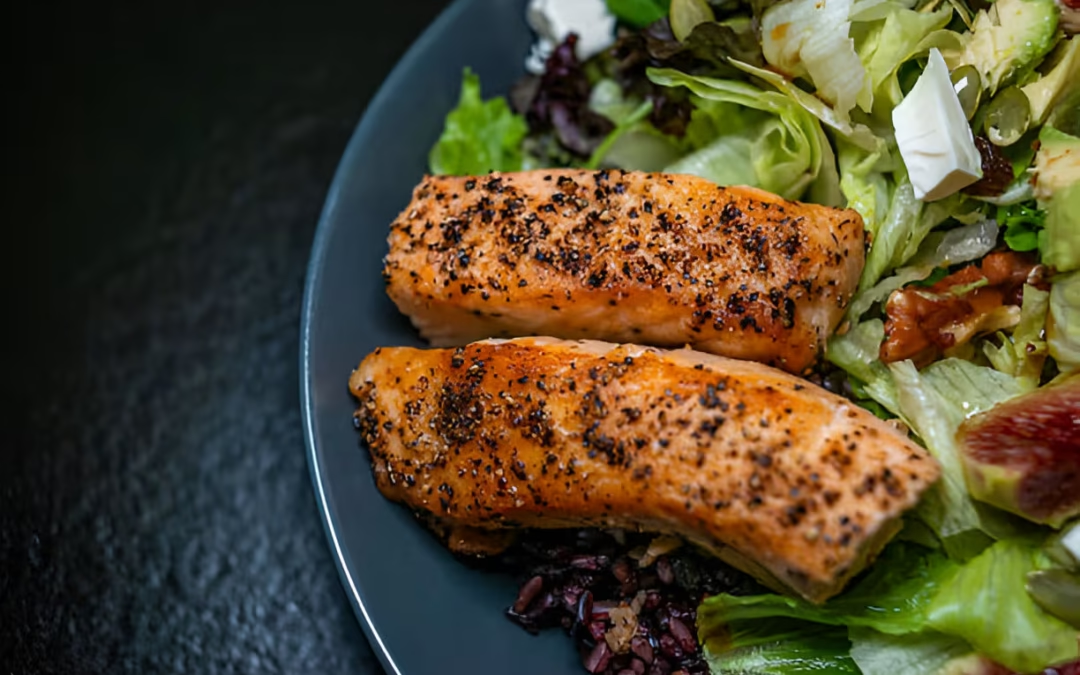
Your weeknight dinner with this air fryer blackened salmon recipe that delivers restaurant-quality results in just 15 minutes! This Cajun-inspired dish features a perfectly spiced crust with a tender, flaky interior—all without the mess of traditional pan-searing.

Why Air Fryer Blackened Salmon is a Game Changer

Blackened salmon has long been a staple of Cajun and Creole cuisine, traditionally prepared in a screaming-hot cast iron skillet that fills your kitchen with smoke. The air fryer revolutionizes this classic technique, delivering that signature charred, spicy crust without setting off smoke alarms or splattering oil across your stovetop.

This easy blackened salmon recipe combines the bold flavors of Louisiana with the convenience of modern cooking technology. The result? Perfectly cooked fish with a crispy, flavorful exterior and a moist, tender center every single time.

Key Benefits:

  • No smoke or mess: Air fryer eliminates the typical kitchen chaos
  • Perfectly even cooking: Hot air circulation cooks salmon uniformly
  • Healthier preparation: Minimal oil needed compared to pan-searing
  • Quick meal solution: From prep to plate in under 15 minutes
  • Foolproof method: Consistent results even for beginners
  • Bold Cajun flavor: Authentic Louisiana taste without the hassle

Understanding Blackening: A Cajun Cooking Technique

Blackening is a cooking method popularized by Chef Paul Prudhomme in New Orleans during the 1980s. The technique involves coating protein in a mixture of aromatic spices and cooking it over high heat to create a darkened, flavorful crust.

The “blackened” appearance isn’t burnt food—it’s the caramelization of spices creating deep, complex flavors with just the right amount of heat. Traditional Cajun blackened salmon gets its distinctive taste from a blend of smoked paprika, cayenne pepper, garlic, and herbs that create layers of smoky, spicy, and savory notes.

When you use an air fryer for this blackened fish recipe, the circulating hot air mimics the intense heat of a cast iron skillet while maintaining better temperature control. This prevents actual burning while still achieving that coveted dark crust.

Essential Ingredients for Air Fryer Blackened Salmon

For the Salmon:

  • Fresh salmon fillets (4 pieces, 6-8 oz each) – Skin-on recommended
  • Olive oil or avocado oil (1-2 tablespoons) – For coating
  • Lemon wedges – For serving
  • Fresh parsley (optional) – For garnish

For the Blackened Seasoning:

This homemade blackening seasoning is the secret to authentic Cajun flavor:

  • Smoked paprika (1 ½ tablespoons) – Provides smoky depth and deep color
  • Sweet paprika (1 tablespoon) – Adds sweetness and earthiness
  • Garlic powder (1 tablespoon) – Essential savory component
  • Onion powder (1 tablespoon) – Complements the garlic beautifully
  • Cayenne pepper (1 teaspoon) – Brings the characteristic heat
  • Dried oregano (1 teaspoon) – Herbal notes
  • Dried thyme (1 teaspoon) – Classic Cajun herb
  • Black pepper (1 teaspoon) – Additional peppery bite
  • Kosher salt (½ teaspoon) – Enhances all flavors
  • Ground cumin (optional, ½ teaspoon) – Adds earthy warmth

Pro Tip: Make a double or triple batch of homemade blackening seasoning and store it in an airtight container for up to 6 months. This way, you’ll always have it ready for quick weeknight meals.

Ingredient Notes:

Salmon Selection: Fresh, wild-caught salmon offers the best flavor, but farm-raised works perfectly fine. Look for bright, firm flesh without any fishy odor. Atlantic salmon, Coho, or Sockeye all work beautifully.

Skin-On vs. Skinless: Keeping the skin on protects the delicate flesh from overcooking and helps the fillet hold together during cooking. The skin becomes delightfully crispy in the air fryer and can be easily removed before serving if preferred.

Oil Choice: Avocado oil has a higher smoke point (520°F) than olive oil, making it ideal for high-heat cooking. However, regular olive oil works perfectly fine in the air fryer.

Spice Adjustments: For a milder version, reduce cayenne to ½ teaspoon or omit entirely. For extra heat, increase to 1 ½ teaspoons or add a pinch of white pepper.

Step-by-Step Instructions for Perfect Blackened Salmon

Preparation (5 minutes):

  1. Preheat your air fryer: Set temperature to 390-400°F and preheat for 3-5 minutes. Preheating is crucial for achieving that signature charred exterior.
  2. Prepare the salmon: Remove salmon from refrigerator 10-15 minutes before cooking to bring to room temperature. Pat fillets completely dry with paper towels—this is essential for getting a crispy crust.
  3. Make the blackening spice: In a small bowl, combine smoked paprika, sweet paprika, garlic powder, onion powder, cayenne pepper, oregano, thyme, black pepper, cumin (if using), and salt. Mix thoroughly to ensure even distribution.
  4. Oil the salmon: Brush or drizzle olive oil over both sides of each salmon fillet. The oil helps the seasoning adhere and promotes browning.
  5. Apply the seasoning: Generously coat each fillet with the Cajun blackening seasoning, pressing gently to help it stick. Don’t be shy—you want a thick coating for maximum flavor. Make sure to season the sides as well.

Cooking (8-10 minutes):

  1. Prepare the air fryer basket: Lightly spray the basket with cooking spray or brush with oil to prevent sticking.
  2. Arrange the salmon: Place fillets skin-side down in a single layer, ensuring they don’t touch. This allows proper air circulation.
  3. Spray the tops: Give the seasoned tops a light spray with cooking oil. This helps achieve that crispy, blackened crust.
  4. Air fry: Cook at 390-400°F for 8-10 minutes, depending on thickness. Do not flip. The hot air will cook the salmon evenly.
  5. Check for doneness: Salmon is done when it flakes easily with a fork and reaches an internal temperature of 145°F (or 135°F for medium, then let rest). The exterior should be deeply charred and crispy.
  6. Rest and serve: Let salmon rest for 2-3 minutes before serving. This allows juices to redistribute throughout the fish.

Cooking Time Guide by Thickness

Blackened salmon in air fryer cooking times vary based on fillet thickness:

  • ½ inch thick: 6-7 minutes at 400°F
  • 1 inch thick: 8-9 minutes at 390-400°F
  • 1 ½ inches thick: 10-12 minutes at 390°F
  • Frozen salmon: Add 3-4 minutes to cooking time (thaw recommended for best results)

Important: Always use a meat thermometer to ensure accuracy. Insert into the thickest part of the fillet.

Achieving the Perfect Blackened Crust

The signature feature of air fryer Cajun salmon is that deeply flavored, almost charred crust. Here’s how to nail it every time:

Temperature Matters

Cooking at 390-400°F is the sweet spot for blackened salmon. Higher temperatures (above 400°F) may char the spices too quickly before the fish cooks through. Lower temperatures won’t achieve that characteristic crust.

Pat Dry Thoroughly

Moisture is the enemy of a crispy crust. Use paper towels to remove all surface moisture from the salmon before seasoning.

Generous Seasoning

Don’t hold back on the blackening spices. You want a thick, visible coating that will create flavor as it caramelizes.

Oil is Essential

A light coating of oil helps the spices adhere and promotes the Maillard reaction, which creates that delicious crust and complex flavor.

Don’t Flip

Unlike pan-searing, air fryer salmon cooks beautifully without flipping. The circulating air cooks both sides simultaneously while keeping the seasoned crust intact.

Use Skin-On Fillets

The skin acts as a barrier between the delicate flesh and the intense heat, preventing overcooking while allowing the top to develop that perfect crust.

Delicious Serving Suggestions

Transform your blackened air fryer salmon into a complete meal with these serving ideas:

Complete Meal Combinations:

Classic Cajun Dinner:

  • Serve over dirty rice or red beans and rice
  • Side of sautéed collard greens or okra
  • Cornbread on the side
  • Remoulade sauce for drizzling

Fresh and Healthy Bowl:

  • Base of quinoa or brown rice
  • Roasted sweet potatoes and Brussels sprouts
  • Avocado slices and cherry tomatoes
  • Creamy dill sauce or lemon herb dressing

Blackened Salmon Salad:

  • Mixed greens with cucumber and red onion
  • Flaked blackened salmon on top
  • Creamy Cajun dressing
  • Toasted pecans for crunch

Taco Tuesday:

  • Warm corn or flour tortillas
  • Flaked blackened salmon
  • Cabbage slaw with lime
  • Chipotle aioli or spicy yogurt sauce
  • Fresh cilantro and lime wedges

Perfect Side Dishes:

  • Vegetables: Roasted asparagus, air fryer green beans, garlic butter mushrooms, or grilled zucchini
  • Starches: Garlic mashed potatoes, roasted sweet potato wedges, or cilantro lime rice
  • Grains: Quinoa, farro, or couscous with herbs
  • Salads: Caesar salad, Greek salad, or simple mixed greens

Sauce Pairings:

Creamy Options:

  • Remoulade sauce (mayo, mustard, capers, hot sauce)
  • Spicy aioli (mayo, garlic, sriracha, lemon)
  • Dill sauce (sour cream, dill, lemon, garlic)
  • Cajun cream sauce (heavy cream, Cajun seasoning, garlic)

Light Options:

  • Lemon herb butter
  • Mango salsa
  • Avocado crema
  • Chimichurri sauce
  • Fresh pico de gallo

Spicy Options:

  • Chipotle lime crema
  • Sriracha mayo
  • Cajun butter sauce
  • Horseradish cream

Customizations and Variations

Dietary Modifications:

Keto and Low Carb Blackened Salmon: This recipe is naturally keto-friendly! Serve with:

  • Cauliflower rice
  • Roasted low-carb vegetables
  • Avocado and leafy greens
  • Macros per serving: 2g carbs, 34g protein, 11g fat

Whole30 Compliant:

  • Use compliant cooking spray
  • Skip any sweetener in the rub
  • Pair with compliant side dishes
  • Use ghee instead of oil for extra richness

Paleo-Friendly: Already compliant as written! The spice blend contains no grains or dairy.

Gluten-Free: This recipe is naturally gluten-free when using pure spices without additives.

Flavor Variations:

Lemon Pepper Blackened Salmon:

  • Add 1 tablespoon lemon zest to the spice blend
  • Increase black pepper to 2 teaspoons
  • Reduce cayenne for a milder version

Sweet and Spicy:

  • Add 1 tablespoon brown sugar to the seasoning
  • Creates a sweet caramelized crust
  • Balance heat with sweetness

Extra Smoky:

  • Use all smoked paprika (2 ½ tablespoons total)
  • Add ¼ teaspoon liquid smoke to the oil
  • Creates an intense smoky flavor profile

Herb-Forward:

  • Double the oregano and thyme
  • Add 1 teaspoon dried basil
  • Reduce cayenne to ½ teaspoon for milder heat

Mediterranean Twist:

  • Add 1 teaspoon ground coriander
  • Include ½ teaspoon dried dill
  • Serve with tzatziki sauce

Protein Substitutions:

This blackening seasoning works beautifully on other proteins:

  • White fish: Mahi-mahi, cod, tilapia, or catfish (reduce cooking time by 2 minutes)
  • Chicken breasts or thighs: Cook at 375°F for 12-15 minutes
  • Shrimp: Cook at 400°F for 5-6 minutes for blackened shrimp
  • Scallops: Cook at 400°F for 6-8 minutes
  • Tofu: Extra-firm tofu, pressed and cut into steaks (10 minutes at 380°F)

Storage and Meal Prep Strategies

Refrigeration:

Cooked Salmon:

  • Store in airtight containers for 3-4 days
  • Keep seasoned crust intact by not stacking fillets
  • Separate layers with parchment paper if needed
  • Let cool completely before refrigerating

Uncooked Seasoned Salmon:

  • Can be prepared up to 24 hours in advance
  • Apply oil and seasoning, then refrigerate
  • Bring to room temperature before air frying
  • Perfect for meal prep Sunday

Blackening Seasoning:

  • Store in airtight container for 6 months
  • Keep in cool, dark place away from heat
  • Shake well before each use
  • Make large batches for convenience

Freezing:

Before Cooking:

  • Season salmon as directed
  • Flash freeze on a baking sheet for 2 hours
  • Transfer to freezer bags with date
  • Keeps for up to 3 months
  • Cook from frozen, adding 3-4 minutes

After Cooking:

  • Cool completely before freezing
  • Wrap tightly in plastic wrap, then foil
  • Store in freezer bags for up to 2 months
  • Note: Texture will be softer when reheated

Reheating Methods:

Air Fryer (Best Method):

  • Preheat to 350°F
  • Heat for 3-5 minutes until warmed through
  • Spray lightly with oil for crispy crust
  • Maintains texture better than other methods

Oven:

  • Preheat to 275°F
  • Place salmon on baking sheet
  • Cover loosely with foil
  • Heat for 10-12 minutes

Stovetop:

  • Heat skillet over medium-low
  • Add a splash of oil or butter
  • Warm for 2-3 minutes per side
  • Best for maintaining crust

Microwave (Least Recommended):

  • Use as last resort
  • Cover with damp paper towel
  • Heat in 30-second intervals
  • Will soften the crust significantly

Meal Prep Ideas:

Power Bowls: Prep containers with rice, roasted vegetables, and blackened salmon for grab-and-go lunches throughout the week.

Salmon Salads: Keep greens and toppings separate, add cold blackened salmon just before eating.

Taco Kits: Flake salmon and store with pre-cut toppings for quick assembly.

Breakfast Hash: Reheat and serve with sweet potato hash and poached eggs.

Troubleshooting Common Issues

Problem: Salmon is Dry or Overcooked

Solutions:

  • Reduce cooking time by 1-2 minutes
  • Check internal temperature at 7 minutes
  • Don’t cook past 145°F (135°F for medium)
  • Ensure fillets aren’t too thin (aim for 1-inch thickness)
  • Pat dry but don’t over-dry before seasoning
  • Consider using fattier salmon varieties

Problem: Seasoning Burns Before Salmon Cooks

Solutions:

  • Lower temperature to 380°F
  • Spray seasoned salmon with extra oil
  • Check salmon earlier (at 6 minutes)
  • Use less cayenne in the mix
  • Ensure air fryer isn’t overcrowded

Problem: Not Enough “Blackened” Crust

Solutions:

  • Increase temperature to 400°F
  • Use more seasoning blend
  • Spray more oil on top
  • Ensure salmon is completely dry before seasoning
  • Let air fryer fully preheat
  • Add 1-2 minutes to cooking time

Problem: Salmon Sticks to Basket

Solutions:

  • Use more cooking spray on basket
  • Don’t use olive oil spray (damages coating)
  • Line basket with perforated parchment
  • Ensure skin side is down
  • Let salmon rest 1 minute before removing

Problem: Uneven Cooking

Solutions:

  • Choose fillets of uniform thickness
  • Don’t overcrowd the basket
  • Ensure proper air circulation
  • Preheat air fryer fully
  • Consider cooking in batches

Problem: Smoke Coming from Air Fryer

Solutions:

  • Reduce oil slightly (you may have used too much)
  • Lower temperature to 380-390°F
  • Clean air fryer thoroughly between uses
  • Don’t let excess oil pool in bottom of basket
  • Some smoking is normal with high-heat cooking

Nutritional Information

Per serving (6 oz salmon fillet with blackening seasoning):

  • Calories: 310-340 kcal
  • Protein: 34-36g
  • Fat: 16-18g
    • Saturated Fat: 3g
    • Omega-3 Fatty Acids: 2,500mg
  • Carbohydrates: 3-4g
    • Fiber: 1g
    • Sugar: 1g
  • Sodium: 400-500mg
  • Cholesterol: 95mg

Outstanding Health Benefits:

  1. Rich in Omega-3s: Essential fatty acids that support heart and brain health
  2. High-Quality Protein: Complete protein with all essential amino acids
  3. Vitamin D Powerhouse: One serving provides over 100% daily value
  4. B Vitamins: Excellent source of B12, B6, and niacin
  5. Selenium: Powerful antioxidant supporting thyroid function
  6. Low Mercury: Salmon is a lower-mercury fish option
  7. Anti-Inflammatory: The spices contain antioxidants and anti-inflammatory compounds

Compared to Pan-Fried:

  • 40% less oil needed (100 fewer calories)
  • Same protein and omega-3 content
  • Better nutrient retention due to shorter cook time

Frequently Asked Questions

What temperature should I cook blackened salmon in the air fryer?

The ideal temperature range is 390-400°F. This high heat creates the characteristic blackened crust while cooking the salmon through in 8-10 minutes. Lower temperatures won’t achieve proper blackening, while higher temperatures may burn the spices.

Do I need to flip the salmon while air frying?

No! One of the best features of air fryer salmon is that you don’t need to flip it. The circulating hot air cooks both sides evenly. Flipping can disturb the seasoning crust and break the delicate fish.

Can I use frozen salmon for this recipe?

While fresh or thawed salmon produces the best results, you can cook frozen salmon in the air fryer. Add 3-4 minutes to the cooking time and check internal temperature carefully. For best blackening results, thaw overnight in the refrigerator first.

How do I know when the salmon is done?

Use a meat thermometer inserted into the thickest part—it should read 145°F for fully cooked, or 135°F if you prefer medium (let it rest to reach 145°F). The salmon should flake easily with a fork and appear opaque throughout.

Should I remove the skin before cooking?

Keep the skin on during cooking! It protects the delicate flesh from overcooking and becomes delightfully crispy. You can easily remove it after cooking if you prefer not to eat it. The skin also helps the fillet hold together.

Can I make my own blackening seasoning?

Absolutely! Homemade Cajun seasoning is easy and tastes fresher than store-bought. Mix smoked paprika, garlic powder, onion powder, cayenne, oregano, thyme, black pepper, and salt. Store in an airtight container for up to 6 months.

What’s the difference between blackened and Cajun salmon?

The terms are often used interchangeably. “Blackened” refers specifically to the high-heat cooking technique that creates a dark crust, while “Cajun” refers to the style of seasoning from Louisiana cuisine. Blackened Cajun salmon uses both the technique and seasoning style.

Can I use store-bought blackening seasoning?

Yes! Store-bought blackened seasoning saves time and works perfectly. Look for brands like Emeril’s, Tony Chachere’s, or Slap Ya Mama Cajun seasoning. Check the ingredients to ensure quality spices without fillers.

Why is my salmon dry?

Overcooking is the main culprit. Salmon continues cooking after removal from heat, so take it out at 135-140°F and let it rest. Also ensure you’re using enough oil and not cooking past the recommended time for your fillet thickness.

Can I cook other fish with this method?

Definitely! This blackening technique works beautifully on cod, mahi-mahi, tilapia, catfish, and other firm white fish. Adjust cooking time based on thickness—delicate fish may need 1-2 minutes less.

Is blackened salmon spicy?

It has a pleasant kick but isn’t overwhelmingly spicy. The cayenne provides warmth balanced by the other spices. For less heat, reduce cayenne to ½ teaspoon. For more heat, increase to 1 ½ teaspoons.

What sides go best with blackened salmon?

Blackened salmon pairs beautifully with rice dishes (dirty rice, cilantro lime rice), roasted vegetables (asparagus, Brussels sprouts), fresh salads, quinoa, or roasted potatoes. The bold flavors complement both light and hearty sides.

Can I cook multiple fillets at once?

Yes, as long as they fit in a single layer without touching. This ensures proper air circulation. If your air fryer is small, cook in batches—the second batch may cook 1 minute faster since the air fryer is already hot.

How do I prevent the seasoning from falling off?

Pat the salmon completely dry, coat with oil to help the seasoning stick, and press the spices firmly onto the fish. Don’t shake off excess—you want a generous coating. Avoid flipping, which can dislodge the crust.

Expert Tips for Restaurant-Quality Results

  1. Invest in quality salmon: Fresh, wild-caught salmon has superior flavor and texture. Look for bright color and firm flesh.
  2. Room temperature matters: Let salmon sit out 10-15 minutes before cooking. Cold salmon won’t cook as evenly.
  3. Double-check your thermometer: An instant-read thermometer is your best friend. Don’t rely on timing alone.
  4. Make extra seasoning: Having homemade blackening spice on hand means you’re always 15 minutes from an incredible dinner.
  5. Toast your spices: For even deeper flavor, toast whole spices before grinding. This amplifies their aromatic qualities.
  6. Use parchment rounds: Air fryer parchment paper with holes prevents sticking while maintaining air flow.
  7. Batch consistency: If cooking multiple fillets, try to use ones of similar thickness for even cooking.
  8. Fresh herbs as garnish: A sprinkle of fresh parsley or cilantro adds brightness and freshness to the bold, spicy fish.
  9. Lemon is essential: A squeeze of fresh lemon juice right before serving balances the heat and enhances the flavors.
  10. Rest your salmon: Those 2-3 minutes of resting allow juices to redistribute, resulting in moister fish.
  11. Clean your air fryer regularly: Buildup of oil and spices can cause smoking and affect flavor. Clean after every use.
  12. Experiment with woods: If you have a smoking tray for your air fryer, try adding wood chips for additional smoky flavor.

Why Air Fryer Blackened Salmon Should Be in Your Regular Rotation

This easy air fryer salmon recipe checks every box for a perfect weeknight dinner. It’s healthy, packed with protein and omega-3s, ready in 15 minutes, and delivers bold, restaurant-quality flavor without the typical mess of traditional blackening.

The air fryer method makes this Louisiana classic accessible to home cooks of all skill levels. No cast iron skillet expertise required, no smoke-filled kitchen, no oil splatters to clean up. Just perfectly cooked Cajun salmon with a crispy, flavorful crust and tender, flaky interior.

The versatility is another major win. Serve it over rice for a complete meal, flake it into tacos for Taco Tuesday, top a salad for a healthy lunch, or enjoy it simply with lemon and your favorite vegetables. The bold blackened seasoning elevates salmon from ordinary to extraordinary.

Whether you’re cooking for one on a busy Tuesday or preparing a special weekend dinner for guests, this air fryer blackened salmon delivers consistent, impressive results. The combination of convenience, nutrition, and outstanding flavor makes it a recipe you’ll return to again and again.

Final Thoughts

Air fryer blackened salmon proves that restaurant-quality doesn’t have to mean restaurant-difficult. With just a handful of pantry spices, fresh salmon, and 15 minutes, you can create a dish that’s bursting with bold Cajun flavor and packed with nutrition.

The beauty of this recipe lies in its perfect balance—it’s simple enough for weeknight cooking yet impressive enough for entertaining. The blackening seasoning creates layers of complex flavor that make every bite exciting, while the air fryer ensures perfectly cooked fish without any guesswork or mess.

Whether you’re a seasoned home cook or just starting your culinary journey, this recipe will quickly become a go-to favorite. The confidence of knowing you can pull together a healthy, delicious dinner in 15 minutes is invaluable in today’s busy world.

Recipe Summary

Prep Time: 5 minutes
Cook Time: 8-10 minutes
Total Time: 13-15 minutes
Servings: 4 fillets
Cuisine: Cajun, Creole, American
Diet: Keto-Friendly, Paleo, Gluten-Free, Whole30, Low-Carb

You May Also Like

Air Fryer Frozen Salmon Recipes: The Ultimate No-Thaw Guide

Air Fryer Frozen Salmon Recipes: The Ultimate No-Thaw Guide

Air fryer frozen salmon recipes solve one of the biggest challenges in home cooking: what to make when you forgot to thaw dinner. These revolutionary techniques let you cook salmon directly from frozen to perfectly flaky and delicious in about 15 minutes—no thawing, no planning ahead, no stress.

The air fryer’s circulating hot air cooks frozen salmon evenly, creating a beautifully caramelized exterior while the gentle heat ensures the inside stays moist and tender. Cooking frozen salmon in the air fryer isn’t just convenient—it’s actually advantageous in many ways.

Frozen salmon is flash-frozen at peak freshness, often within hours of being caught, locking in nutrients and flavor. It’s more affordable than fresh salmon, has a longer shelf life (up to 6 months in the freezer), eliminates food waste, and is always available for last-minute meals. No more panic when dinner plans change or you realize you forgot to defrost something.

The air fryer method produces results that rival—and sometimes exceed—traditionally cooked salmon. The high heat creates excellent browning and caramelization on seasonings and glazes. The circulating air cooks the fish evenly from all sides without flipping. There’s no fishy smell permeating your kitchen, no splattered stovetop to clean, and minimal dishes. From freezer to table in 15 minutes makes this the ultimate weeknight dinner solution.

The Science Behind Cooking Frozen Salmon

Understanding why frozen salmon works so well in the air fryer helps you achieve perfect results every time:

Flash-Freezing Preserves Quality

Commercial frozen salmon is flash-frozen at extremely low temperatures (-40°F or below) within hours of being caught. This rapid freezing creates tiny ice crystals that don’t damage the fish’s cellular structure, preserving texture, moisture, and nutrients. By comparison, slowly freezing fish at home creates larger ice crystals that can rupture cells and affect quality. This is why commercially frozen salmon often tastes fresher than “fresh” fish that’s been sitting in a seafood case for days.

How Air Frying Handles Frozen Fish

Air fryers excel at cooking frozen foods because of their unique heating mechanism. The rapid circulation of superheated air (up to 400°F) creates an immediate sear on the surface while gradually warming the frozen interior. This prevents the common problem of overcooked exteriors and raw centers. The constant air movement also evaporates surface moisture quickly, preventing sogginess and promoting browning—something traditional ovens struggle to achieve with frozen foods.

Temperature Gradient Management

When cooking frozen salmon, you’re working with a significant temperature difference—the fish starts at 0°F and needs to reach 145°F (USDA safe temperature) or 130-135°F (preferred doneness). The air fryer’s consistent heat application creates a controlled temperature gradient, warming the fish from outside to inside at a rate that prevents overcooking while ensuring food safety. This is why frozen salmon in the air fryer comes out so reliably perfect.

Essential Information for Frozen Salmon Success

Choosing the Right Frozen Salmon

Types of Frozen Salmon

  • Wild-Caught Alaskan: Sockeye, Coho, King (Chinook), Pink, and Chum. Firmer texture, richer flavor, higher in omega-3s, more expensive but superior taste. Look for “wild-caught” and “product of USA” labels.
  • Farm-Raised Atlantic: Most common and affordable option. Milder flavor, softer texture, fattier (which keeps it moist), widely available year-round. Choose responsibly farmed options when possible.
  • Individually Quick Frozen (IQF): Best choice for air frying! Fillets are frozen separately, not in a block, allowing you to cook exactly the amount you need without thawing the entire package.

What to Look for When Buying

  • Vacuum-sealed packaging (prevents freezer burn)
  • No visible ice crystals inside the package (indicates proper freezing)
  • Firm, not mushy texture visible through packaging
  • Clear labeling of origin and catch/harvest date
  • Skin-on or skinless (both work, skin-on provides protection)
  • Even thickness for uniform cooking (center-cut portions)
  • Look for “MSC Certified” (Marine Stewardship Council) for sustainable options

Fillet Sizes and Cooking Times

Frozen salmon fillets come in various sizes. Here’s how cooking time adjusts:

  • Thin fillets (3-4 oz, ¾ inch thick): 12-14 minutes at 390°F
  • Standard fillets (5-6 oz, 1 inch thick): 14-16 minutes at 390°F
  • Thick fillets (7-8 oz, 1.5 inches thick): 16-18 minutes at 390°F
  • Extra-thick portions (2+ inches): 18-20 minutes at 380°F (lower temp to prevent burning)

Essential Equipment

  • Air fryer: Any size works; 5.8-quart or larger ideal for multiple fillets
  • Instant-read thermometer: Essential for checking doneness (target 130-145°F)
  • Parchment paper or air fryer liners: Makes cleanup easier (optional but recommended)
  • Cooking spray or oil mister: For promoting browning and preventing sticking
  • Basting brush: For applying glazes and marinades
  • Kitchen timer: To track cooking stages accurately

How to Cook Frozen Salmon in the Air Fryer

The Basic Method (Master This First)

Step 1: Remove from Packaging (2 minutes)

Remove frozen salmon fillets from packaging. Do NOT rinse with water—this creates excess moisture that prevents browning. If there’s ice buildup on the surface, gently scrape it off with a knife or let the fillets sit at room temperature for 2-3 minutes, then pat dry with paper towels. Remove any plastic wrapping, but leave skin on if present (it protects the flesh).

Step 2: Season the Frozen Salmon (3 minutes)

This is where frozen salmon gets tricky—how do you season ice-cold fish? Here are three proven methods:

Method 1: Oil + Dry Seasonings (Easiest)

  1. Brush or spray frozen salmon generously with olive oil or avocado oil
  2. Sprinkle seasonings directly on the oiled surface (they’ll stick to the oil)
  3. Press seasonings gently into the oil to help them adhere
  4. Season generously—some will fall off during cooking, that’s normal

Method 2: Partial Thaw + Marinade (Better Flavor)

  1. Let frozen salmon sit at room temperature for 5-7 minutes
  2. The surface will begin to soften slightly
  3. Brush with liquid marinade (it will pool on the surface)
  4. This method allows some marinade absorption

Method 3: Cook Then Glaze (Best for Sweet Sauces)

  1. Lightly season frozen salmon with just salt, pepper, and oil
  2. Air fry until mostly cooked
  3. Brush with glaze during final 3-4 minutes
  4. Prevents burning of sugary glazes on frozen surface

Step 3: Preheat Air Fryer (3-5 minutes)

Set air fryer to 390°F and preheat for 3-5 minutes. Preheating is even more important for frozen salmon than fresh—it creates immediate searing that helps lock in moisture and promote browning. A properly preheated air fryer makes the difference between soggy and perfectly crispy salmon.

Step 4: Prepare the Basket

  1. Line basket with parchment paper (optional but recommended for easy cleanup)
  2. Cut slits in parchment to allow air circulation
  3. Spray basket and parchment with cooking spray
  4. This prevents sticking, especially important with frozen fish

Step 5: Air Fry the Frozen Salmon (14-16 minutes)

  1. Initial cook (10 minutes): Place frozen salmon skin-side down (if skin-on) or presentation side up in the basket. Leave space between fillets—don’t let them touch. Cook at 390°F for 10 minutes without opening the air fryer. The fish will begin to thaw and cook from the outside in.
  2. Check and season (1 minute): Open the air fryer. The salmon should be about 60-70% thawed now with the exterior cooking. If using a glaze or additional seasoning, apply it now. The slightly thawed surface will accept seasonings better. Spray lightly with oil if the surface looks dry.
  3. Final cook (4-6 minutes): Close the air fryer and continue cooking for 4-6 more minutes, depending on thickness. Total time will be 14-16 minutes for standard fillets. Don’t flip the salmon—the circulating air cooks it evenly.
  4. Check for doneness: Insert instant-read thermometer into the thickest part. Target temperatures:
    • Medium-rare: 125-130°F (slightly translucent center)
    • Medium: 135-140°F (mostly opaque, slight pink center)
    • Well-done: 145°F (USDA recommendation, fully opaque)
  5. The salmon should flake easily with a fork and be opaque throughout (or have slight translucency for medium-rare).

Step 6: Rest and Serve (2-3 minutes)

Transfer salmon to a plate and let rest for 2-3 minutes. This allows juices to redistribute and makes the fish easier to handle. The salmon will continue cooking slightly during this time (carryover cooking), so remove it from the air fryer when it’s about 5°F below your target temperature.

Pro Tips for Perfect Results

  • Don’t thaw: Seriously, the whole point is cooking from frozen. Thawing creates excess moisture that makes the fish soggy.
  • Use oil generously: Frozen salmon needs more oil than fresh to promote browning and prevent sticking.
  • Season in stages: Initial light seasoning + additional seasoning halfway through yields best flavor.
  • Watch the clock: Frozen salmon goes from perfect to overcooked quickly in the final minutes—set a timer.
  • Avoid very thick glazes initially: They’ll burn on frozen fish. Apply during final minutes instead.
  • Don’t overcrowd: Air needs to circulate freely. Cook in batches if necessary.

10 Delicious Air Fryer Frozen Salmon Recipes

1. Classic Lemon Garlic Frozen Salmon

Ingredients:

  • 4 frozen salmon fillets (5-6 oz each)
  • 3 tablespoons olive oil
  • 4 cloves garlic, minced
  • Juice and zest of 2 lemons
  • 1 teaspoon salt
  • ½ teaspoon black pepper
  • 1 teaspoon dried parsley (or 2 tablespoons fresh)

Instructions: Brush frozen salmon with olive oil. Mix remaining ingredients and brush over oiled salmon (or reserve half for basting). Air fry at 390°F for 10 minutes, baste with reserved mixture, continue cooking 4-6 minutes until done. Garnish with fresh lemon wedges and parsley.

2. Honey Garlic Glazed Frozen Salmon

Ingredients:

  • 4 frozen salmon fillets
  • 3 tablespoons honey
  • 3 tablespoons soy sauce
  • 4 cloves garlic, minced
  • 1 tablespoon fresh ginger, grated
  • 1 teaspoon sesame oil
  • 2 tablespoons olive oil (for brushing)

Instructions: Brush frozen salmon with olive oil. Season lightly with salt and pepper. Air fry at 390°F for 10 minutes. Meanwhile, whisk honey, soy sauce, garlic, ginger, and sesame oil. Brush glaze on salmon, continue cooking 4-6 minutes. Brush with more glaze before serving. Garnish with sesame seeds and green onions.

3. Cajun Blackened Frozen Salmon

Ingredients:

  • 4 frozen salmon fillets
  • 3 tablespoons olive oil
  • 2 tablespoons Cajun seasoning (or make your own)
  • 1 teaspoon smoked paprika
  • ½ teaspoon cayenne pepper
  • ½ teaspoon garlic powder
  • ½ teaspoon salt

Instructions: Brush frozen salmon generously with oil. Mix all seasonings and press firmly onto oiled surface. Air fry at 400°F for 12 minutes. Check and add more seasoning if needed, continue for 2-4 minutes. Serve with cooling ranch or blue cheese dressing.

4. Teriyaki Frozen Salmon

Homemade Teriyaki Sauce:

  • ½ cup soy sauce
  • ½ cup mirin
  • ¼ cup brown sugar
  • 2 cloves garlic, minced
  • 1 teaspoon ginger, grated

For the salmon:

  • 4 frozen salmon fillets
  • 2 tablespoons olive oil
  • Sesame seeds and green onions for garnish

Instructions: Simmer teriyaki ingredients for 10 minutes until thickened. Cool slightly. Brush frozen salmon with oil, season lightly with salt and pepper. Air fry at 390°F for 10 minutes. Brush with teriyaki sauce, continue cooking 4-6 minutes, brushing once more. Garnish with sesame seeds and green onions.

5. Mediterranean Herb Frozen Salmon

Ingredients:

  • 4 frozen salmon fillets
  • ¼ cup olive oil
  • 2 tablespoons fresh dill (or 1 tablespoon dried)
  • 2 tablespoons fresh parsley (or 1 tablespoon dried)
  • 1 tablespoon fresh basil (or 1 teaspoon dried)
  • 3 cloves garlic, minced
  • Zest of 1 lemon
  • 1 teaspoon salt
  • ½ teaspoon black pepper

Instructions: Mix olive oil with all herbs and seasonings. Brush generously on frozen salmon. Air fry at 390°F for 14-16 minutes, checking at 12 minutes. Serve with tzatziki sauce, Greek salad, and pita bread.

6. Asian Sesame Ginger Frozen Salmon

Ingredients:

  • 4 frozen salmon fillets
  • ¼ cup soy sauce
  • 2 tablespoons rice vinegar
  • 2 tablespoons honey
  • 2 tablespoons fresh ginger, grated
  • 2 tablespoons sesame oil
  • 3 cloves garlic, minced
  • 2 tablespoons sesame seeds

Instructions: Mix all ingredients except sesame seeds. Let frozen salmon sit 5 minutes to partially soften surface. Brush marinade generously. Air fry at 390°F for 10 minutes, baste again, continue 4-6 minutes. Sprinkle with sesame seeds before serving.

7. Maple Dijon Frozen Salmon

Ingredients:

  • 4 frozen salmon fillets
  • 3 tablespoons pure maple syrup
  • 2 tablespoons Dijon mustard
  • 1 tablespoon olive oil
  • 2 cloves garlic, minced
  • ½ teaspoon salt
  • ¼ teaspoon black pepper
  • Fresh thyme for garnish

Instructions: Whisk maple syrup, Dijon, olive oil, garlic, salt, and pepper. Brush frozen salmon with plain oil first, air fry at 390°F for 10 minutes. Brush with maple Dijon mixture, continue cooking 4-6 minutes. The glaze will caramelize beautifully.

8. Buffalo-Style Frozen Salmon

Ingredients:

  • 4 frozen salmon fillets
  • ¼ cup buffalo sauce (Frank’s RedHot)
  • 3 tablespoons melted butter
  • 1 teaspoon garlic powder
  • ½ teaspoon smoked paprika
  • Ranch or blue cheese dressing for serving

Instructions: Mix buffalo sauce and melted butter. Brush frozen salmon with mixture. Air fry at 400°F for 12 minutes, baste again, continue 2-4 minutes. Serve with cooling ranch or blue cheese, celery sticks, and carrot sticks.

9. Lemon Pepper Frozen Salmon

Ingredients:

  • 4 frozen salmon fillets
  • 3 tablespoons olive oil
  • Zest of 3 lemons
  • 3 tablespoons fresh lemon juice
  • 2 tablespoons black pepper (freshly ground)
  • 1 teaspoon garlic powder
  • 1 teaspoon salt

Instructions: Mix all ingredients. Brush generously on frozen salmon. Air fry at 400°F for 14-16 minutes. The lemon and pepper create a bright, fresh flavor perfect for lighter meals.

10. Everything Bagel Frozen Salmon

Ingredients:

  • 4 frozen salmon fillets
  • 3 tablespoons olive oil
  • 4 tablespoons everything bagel seasoning
  • Cream cheese for serving
  • Capers and red onion for garnish

Instructions: Brush frozen salmon very generously with oil. Press everything bagel seasoning firmly onto the oiled surface. Air fry at 390°F for 14-16 minutes. Serve with cream cheese, capers, and thinly sliced red onion for a brunch-worthy meal.

Expert Tips for Frozen Salmon Success

Temperature and Timing Mastery

  • 390°F is the sweet spot: Hot enough to cook frozen salmon through, not so hot it burns before the center thaws
  • Add 4-6 minutes to fresh salmon recipes: Frozen salmon needs about 50% more time than thawed
  • Thicker = lower temperature: For fillets over 1.5 inches thick, reduce to 380°F to prevent burning
  • Check early, add time as needed: Every air fryer varies slightly—check at minimum time and add minutes if needed
  • Use a thermometer: This is not optional with frozen salmon—guessing doneness by look alone is unreliable

Preventing Common Issues

  • Prevent sticking: Use plenty of oil spray, parchment paper, and preheat the air fryer
  • Avoid sogginess: Don’t rinse frozen salmon, scrape off excess ice, pat dry any condensation
  • Stop glaze burning: Apply sweet glazes during final 4-6 minutes only
  • Fix uneven cooking: Choose similar-sized fillets, don’t overcrowd, ensure proper preheating
  • Combat dryness: Don’t overcook (use thermometer!), choose fattier salmon, brush with oil/butter

Maximizing Flavor

  • Season generously: Frozen salmon absorbs less seasoning initially—be liberal
  • Season in stages: Light initial seasoning + more halfway through + finishing glaze = layered flavor
  • Use oil as a carrier: Oil helps dry seasonings stick to frozen surfaces
  • Fresh is best: Fresh garlic, herbs, and citrus provide brighter flavors than dried
  • Add acid: Lemon juice, vinegar, or citrus brightens and balances salmon’s richness

Choosing Quality Frozen Salmon

  • Look for vacuum-sealed packaging: Prevents freezer burn and maintains quality
  • Avoid visible ice crystals: Indicates improper storage or temperature fluctuations
  • Check dates: Use within 6 months of freeze date for best quality
  • Choose IQF when possible: Individually Quick Frozen fillets offer flexibility
  • Wild vs. farmed: Both work great—wild has firmer texture and stronger flavor, farmed is milder and fattier

Serving Suggestions for Frozen Salmon

Quick Weeknight Dinners

Air fryer frozen salmon is perfect for those busy nights when you need dinner fast:

  • 15-Minute Meal: While salmon cooks, microwave frozen vegetables and instant rice. Dinner in 15 minutes flat.
  • Sheet Pan Style: Add frozen vegetables to the air fryer basket around the salmon during the last 8 minutes of cooking.
  • Pasta Night: Toss cooked salmon with pasta, olive oil, garlic, lemon, and parmesan.
  • Taco Tuesday: Break cooked salmon into chunks for fish tacos with slaw and avocado.

Healthy Bowl Creations

Create nutritious salmon bowls with these components:

  • Grain base: Rice (white, brown, wild), quinoa, farro, or cauliflower rice
  • Vegetables: Roasted, steamed, or fresh (broccoli, asparagus, brussels sprouts, edamame, cucumber)
  • Frozen salmon: Any flavor variation, flaked or left whole
  • Sauce: Teriyaki, soy ginger, lemon dill aioli, or sesame dressing
  • Toppings: Avocado, sesame seeds, green onions, pickled ginger, nori

Elegant Dinner Party Presentations

Frozen salmon can absolutely be elegant enough for company:

  • Serve teriyaki salmon over creamy miso risotto with sautéed bok choy
  • Present lemon herb salmon with roasted asparagus and garlic mashed potatoes
  • Plate Mediterranean salmon with Greek salad, tzatziki, and warm pita
  • Arrange maple Dijon salmon over arugula salad with candied pecans

Meal Prep Power

Cook multiple frozen salmon fillets for the week:

  1. Air fry 4-6 frozen fillets in different flavors on Sunday
  2. Store in individual containers with your choice of sides
  3. Refrigerate for up to 4 days
  4. Reheat in air fryer at 350°F for 3-4 minutes or enjoy cold
  5. Mix and match with different vegetables and grains throughout the week

Side Dishes That Complement Frozen Salmon

Quick Air Fryer Sides (Cook Together)

  • Frozen broccoli: Add to basket at 8-minute mark, 400°F for 6-8 minutes
  • Frozen asparagus: Add at 8-minute mark, 400°F for 6-7 minutes
  • Frozen Brussels sprouts: Add at beginning, 400°F for 15 minutes
  • Frozen green beans: Add at 8-minute mark, 400°F for 6-8 minutes
  • Baby potatoes: Halved, add at beginning, 400°F for 15-18 minutes

Microwave-Ready Sides (While Salmon Cooks)

  • Instant rice (white, brown, or flavored varieties)
  • Quinoa cups or pouches
  • Frozen vegetable medleys
  • Steam-in-bag vegetables
  • Instant mashed potatoes (elevated with butter and herbs)

No-Cook Accompaniments

  • Fresh garden salad with vinaigrette
  • Cucumber tomato salad
  • Coleslaw (store-bought or homemade)
  • Seaweed salad
  • Pickled vegetables
  • Fresh fruit

Make-Ahead Sides

  • Roasted vegetables (reheat while salmon cooks)
  • Grain salads (quinoa, farro, wild rice)
  • Potato salad
  • Couscous with herbs and lemon

Storage and Reheating

Storing Cooked Salmon

After cooking frozen salmon in the air fryer:

  • Cool to room temperature within 2 hours
  • Store in airtight containers
  • Refrigerate for up to 4 days
  • Can be enjoyed cold or reheated
  • Great for meal prep and leftovers

Reheating Previously Cooked Salmon

Air Fryer Method (Best)

  1. Preheat air fryer to 350°F
  2. Place salmon in basket
  3. Spray lightly with oil
  4. Heat for 3-4 minutes until warmed through
  5. Maintains texture better than microwave

Microwave Method (Quick)

  1. Place salmon on microwave-safe plate
  2. Cover with damp paper towel
  3. Heat on 50% power for 1-2 minutes
  4. Check and add 30-second intervals as needed

Oven Method

  1. Preheat oven to 275°F
  2. Place salmon in baking dish
  3. Cover with foil to prevent drying
  4. Heat for 10-12 minutes

Freezing Cooked Salmon

You can freeze cooked salmon, though texture may be affected:

  1. Cool completely after cooking
  2. Wrap tightly in plastic wrap, then foil
  3. Label with date and flavor
  4. Freeze for up to 2 months
  5. Thaw in refrigerator overnight before reheating
  6. Best used in soups, chowders, pasta, or salads where texture matters less

Nutritional Information

Per Serving (5-6 oz frozen salmon fillet, basic preparation)

  • Calories: 280-320 (varies by marinade)
  • Protein: 34-38g
  • Total Fat: 14-18g
    • Saturated Fat: 2.5-3.5g
    • Omega-3 Fatty Acids: 1,500-2,200mg
  • Carbohydrates: 0-15g (0g for plain, more with sweet glazes)
    • Fiber: 0g
    • Sugar: 0-12g (from marinades)
  • Cholesterol: 90-100mg
  • Sodium: 100-800mg (depends on seasonings)

Key Nutrients Preserved in Frozen Salmon

  • Vitamin B12: 110-125% Daily Value
  • Vitamin D: 85-95% Daily Value
  • Selenium: 75-80% Daily Value
  • Niacin (B3): 55-65% Daily Value
  • Vitamin B6: 45-50% Daily Value
  • Phosphorus: 30-35% Daily Value
  • Potassium: 20-25% Daily Value

Frozen vs. Fresh: Nutritional Comparison

Surprise—frozen salmon is nutritionally equal to or better than “fresh”:

  • Flash-freezing locks in nutrients immediately after catch
  • Omega-3 content is preserved through freezing
  • Protein quality remains unchanged
  • Vitamins and minerals are stable during frozen storage
  • “Fresh” fish at the counter may be days old and losing nutrients
  • Frozen salmon tested at 6 months shows minimal nutrient loss

Note: Nutritional values vary based on salmon type (wild vs. farmed), specific marinades and glazes used, and cooking methods. Plain, lightly seasoned frozen salmon is lowest in sodium and added sugars.

Frequently Asked Questions

Can you cook frozen salmon in an air fryer without thawing?

Absolutely yes! In fact, that’s the whole point of these recipes. Frozen salmon cooks beautifully in the air fryer straight from the freezer. The circulating hot air thaws and cooks the fish simultaneously, creating tender, flaky results in 14-16 minutes. No thawing required, no planning ahead necessary—just remove from packaging, season, and cook.

How long does it take to cook frozen salmon in the air fryer?

Standard frozen salmon fillets (5-6 oz, about 1 inch thick) take 14-16 minutes at 390°F. Thin fillets (3-4 oz) need 12-14 minutes, while thick fillets (7-8 oz or 1.5+ inches) need 16-18 minutes. The exact time depends on fillet thickness, your specific air fryer model, and desired doneness. Always check with an instant-read thermometer for accuracy.

What temperature should I cook frozen salmon at in the air fryer?

The optimal temperature for frozen salmon is 390°F. This temperature is hot enough to create good browning and cook the fish through from frozen, but not so hot that the exterior burns before the interior thaws and cooks. For very thick fillets (2+ inches), reduce to 380°F to prevent burning. For thin fillets, you can increase to 400°F.

Do you have to thaw salmon before air frying?

No! That’s what makes these recipes so convenient. Air frying frozen salmon without thawing actually works better than you’d expect. The high heat and air circulation thaw and cook the fish evenly. In fact, thawing creates excess moisture that can make the salmon soggy. Cooking from frozen produces better texture and saves time.

How do you know when frozen salmon is done in the air fryer?

Check doneness with an instant-read thermometer inserted into the thickest part: 125-130°F for medium-rare (slightly translucent center), 135-140°F for medium (mostly opaque), or 145°F for well-done (USDA recommendation). Visually, the salmon should be opaque throughout and flake easily with a fork. If you don’t have a thermometer, cut into the thickest part to check—it should be opaque with no raw-looking translucency.

Should I remove the skin from frozen salmon before air frying?

It’s easier to leave the skin on during cooking—it protects the delicate flesh and helps the fillet hold together. The skin acts as a barrier between the fish and the hot basket, preventing sticking and overcooking. You can easily remove it after cooking if desired. If your frozen salmon is already skinless, that’s fine too—just use parchment paper and extra oil spray.

Can I season frozen salmon before cooking?

Yes, though it’s trickier than seasoning thawed fish. The best method is to brush frozen salmon generously with oil first, then sprinkle seasonings which will stick to the oil. Alternatively, let the frozen fish sit at room temperature for 5-7 minutes to partially soften the surface, then apply marinades. For sweet glazes, it’s best to lightly season the frozen fish and apply glaze during the final 4-6 minutes of cooking.

Why is my frozen salmon coming out dry?

The most common cause is overcooking. Frozen salmon continues to cook after you remove it from the air fryer (carryover cooking), so remove it when it reaches about 5°F below your target temperature. Other causes: choosing very lean wild salmon instead of fattier farmed, cooking at too high temperature, not using enough oil, or cooking too long. Use a thermometer and target 130-135°F instead of 145°F for moister results.

Can I cook frozen salmon with vegetables in the air fryer?

Yes! Add frozen or fresh vegetables to the basket around the salmon. Timing depends on the vegetable: frozen broccoli, asparagus, or green beans can be added at the 8-minute mark and will finish with the salmon. Hardier vegetables like Brussels sprouts or potato chunks should be added at the beginning. Arrange vegetables around the salmon, not on top, to ensure air circulation.

Is frozen salmon as healthy as fresh salmon?

Yes! Frozen salmon is just as nutritious as fresh, sometimes more so. Fish is flash-frozen within hours of being caught, locking in omega-3s, protein, vitamins, and minerals at peak freshness. “Fresh” salmon at the counter may be days old and losing nutrients. Studies show frozen salmon maintains its nutritional value for up to 6 months. The omega-3 content, protein quality, and vitamin levels are virtually identical.

Can I use marinade on frozen salmon?

You can apply marinade to frozen salmon, but it won’t penetrate deeply since the fish is frozen solid. For best results: (1) Let frozen salmon sit 5-7 minutes to partially soften, then brush with marinade, or (2) Lightly season frozen fish and apply marinade during the last half of cooking when the surface has thawed. Marinades with lots of sugar should be applied during the final 4-6 minutes only to prevent burning.

How do I prevent frozen salmon from sticking to the air fryer basket?

Prevent sticking by: (1) Using parchment paper or air fryer liners, (2) Spraying the basket generously with cooking oil, (3) Brushing frozen salmon with oil before cooking, (4) Preheating the air fryer properly, and (5) Not trying to move the salmon too early—let it cook undisturbed for the first 10 minutes. These steps combined virtually eliminate sticking issues.

Troubleshooting Common Issues

Problem: Salmon Is Dry and Overcooked

Solutions:

  • Reduce cooking time by 2 minutes
  • Remove salmon at 130-135°F instead of 145°F
  • Choose fattier Atlantic farm-raised salmon instead of lean wild
  • Lower temperature to 380°F
  • Brush with butter or oil during cooking
  • Remember carryover cooking—remove 5°F before target temp

Problem: Center Is Still Frozen/Raw

Solutions:

  • Cook for additional 2-4 minutes
  • Reduce temperature to 380°F and cook longer
  • Check that fillets aren’t too thick (over 2 inches needs special handling)
  • Ensure air fryer was properly preheated
  • Don’t overcrowd basket—cook in batches if needed
  • Use instant-read thermometer to verify internal temperature

Problem: Exterior Is Burning Before Inside Cooks

Solutions:

  • Reduce temperature to 375-380°F
  • Don’t apply sweet glazes until final 4-6 minutes
  • Use less marinade or shake off excess before cooking
  • Cover salmon loosely with foil if exterior browns too quickly
  • Check that fillets are uniformly thick

Problem: Salmon Sticks to Basket

Solutions:

  • Use parchment paper or air fryer liners
  • Spray basket and salmon generously with oil
  • Preheat air fryer completely before adding fish
  • Don’t try to flip or move salmon during first 10 minutes
  • Leave skin on if possible—it protects flesh

Problem: Salmon Is Soggy, Not Crispy

Solutions:

  • Scrape off any ice buildup before cooking
  • Don’t rinse frozen salmon—adds moisture
  • Use more oil spray for browning
  • Increase temperature to 400°F
  • Don’t use too much marinade—excess liquid creates steam
  • Ensure air fryer basket isn’t overcrowded

Problem: Seasonings Fall Off During Cooking

Solutions:

  • Brush with oil first, then seasonings stick to oil
  • Press seasonings firmly into the oil coating
  • Let frozen fish sit 5 minutes to partially soften before seasoning
  • Add more seasoning halfway through cooking
  • Use marinades instead of dry rubs for better adhesion

Meal Planning with Frozen Salmon

Weekly Dinner Plan

Monday: Asian Night

Teriyaki frozen salmon over jasmine rice with steamed edamame and cucumber salad. Cook frozen broccoli in air fryer alongside salmon. Total time: 20 minutes.

Tuesday: Taco Tuesday

Cajun blackened frozen salmon broken into chunks for fish tacos. Serve with coleslaw, avocado, lime, and chipotle crema in corn tortillas. Total time: 18 minutes.

Wednesday: Mediterranean Evening

Lemon herb frozen salmon with Greek salad, tzatziki, warm pita, and hummus. Light and fresh midweek meal. Total time: 20 minutes.

Thursday: Comfort Food

Honey garlic frozen salmon with mashed potatoes (instant!) and roasted asparagus. Warming and satisfying. Total time: 20 minutes.

Friday: Bowl Night

Asian sesame ginger frozen salmon bowl with quinoa, edamame, cucumber, avocado, and sesame dressing. Healthy and delicious. Total time: 20 minutes.

Saturday: Fancy Dinner

Maple Dijon frozen salmon with roasted Brussels sprouts and wild rice. Elegant enough for company. Total time: 25 minutes.

Sunday: Meal Prep Day

Cook 6 frozen salmon fillets in various flavors. Portion into containers with different sides for easy lunches throughout the week.

Budget-Friendly Tips

  • Buy frozen salmon in bulk when on sale (stores 6 months)
  • Individually frozen fillets offer portion control and less waste
  • Farm-raised Atlantic is more affordable than wild-caught
  • Use frozen vegetables instead of fresh (cheaper, no waste)
  • Make your own marinades instead of buying bottled
  • Store-brand frozen salmon is often identical quality to name brands

Time-Saving Strategies

  • Keep 2-3 pounds of frozen salmon always on hand
  • Pre-mix dry seasoning blends in bulk
  • Make marinades on weekends, store in fridge for the week
  • Cook rice and grains in bulk, reheat as needed
  • Use frozen vegetables that cook alongside salmon
  • Prep dipping sauces in advance (last 1 week refrigerated)

Final Thoughts on Air Fryer Frozen Salmon

Air fryer frozen salmon recipes represent a true revolution in home cooking. The ability to transform frozen fish into restaurant-quality meals in 15 minutes—without any thawing, without complicated techniques, without mess—is nothing short of miraculous for busy home cooks. This method eliminates the biggest barrier to eating more fish: the planning required to remember to thaw it.

What makes frozen salmon in the air fryer so special is how it solves multiple problems simultaneously. It’s faster than ordering takeout, healthier than most restaurant meals, more affordable than buying fresh fish, requires less skill than stovetop cooking, and produces consistently excellent results. The air fryer’s unique heating mechanism—rapid circulation of superheated air—is perfectly suited to handling the challenge of cooking frozen fish, creating even thawing and cooking that traditional ovens simply can’t match.

From a nutritional standpoint, frozen salmon equals or exceeds the quality of “fresh” fish at the seafood counter. Flash-frozen within hours of being caught, frozen salmon locks in omega-3 fatty acids, high-quality protein, vitamins D and B12, and important minerals at peak freshness. With 34-38g of protein, 1,500-2,200mg of omega-3s, and impressive amounts of key nutrients per serving—all for just 280-320 calories—frozen salmon is one of the healthiest proteins you can eat.

The versatility of these recipes cannot be overstated. The same basic technique adapts to countless flavor profiles—from classic lemon garlic to bold Cajun blackened, sweet teriyaki to herbaceous Mediterranean, spicy buffalo to elegant maple Dijon. Serve it with rice bowls, over salads, in tacos, with roasted vegetables, or as elegant dinner party mains. The possibilities are truly endless, and you can customize to any taste preference or dietary need.

The practical benefits make frozen salmon a kitchen staple. Keep several pounds in your freezer and you always have a healthy dinner option available. No more panic when you forget to plan meals, no more emergency takeout orders, no more unhealthy last-minute choices. Just grab a fillet, season it, and cook for 15 minutes. It’s meal planning insurance that actually tastes amazing.

Success with frozen salmon comes down to a few key principles: don’t rinse or thaw the fish, use plenty of oil for browning and sticking prevention, cook at 390°F for standard fillets, check doneness with a thermometer (target 130-135°F), and apply sweet glazes during the final minutes only. Master these basics and you’ll make perfect frozen salmon every single time.

Whether you’re a busy parent juggling work and family, a health-conscious individual trying to eat more fish, a budget-minded cook stretching your grocery dollars, or simply someone who values convenience without sacrificing quality—air fryer frozen salmon recipes will transform your cooking routine. The combination of speed, ease, health benefits, affordability, and incredible flavor makes this one of the most valuable techniques you can add to your kitchen repertoire.

So stock your freezer with quality frozen salmon, bookmark your favorite recipes, and embrace the freedom of always having a delicious, healthy dinner just 15 minutes away. Your taste buds, your schedule, your wallet, and your body will all thank you!

You May Also Like

Air Fryer Salmon Patties Recipe: Crispy, Healthy & Ready in 15 Minutes

Air Fryer Salmon Patties Recipe: Crispy, Healthy & Ready in 15 Minutes

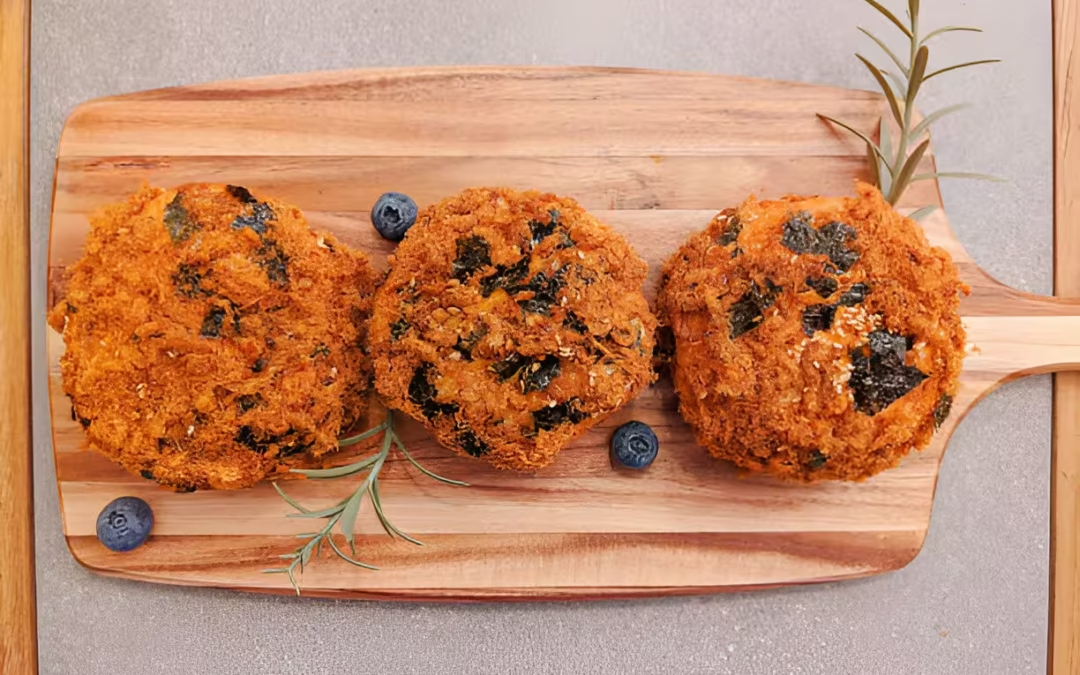
Easiest way to make golden, crispy air fryer salmon patties that are packed with flavor and ready in just 15 minutes! This healthier version of traditional fried salmon cakes delivers restaurant-quality results with minimal oil and maximum taste.

Why You’ll Love This Air Fryer Salmon Patties Recipe

Air fryer salmon patties have become a weeknight dinner favorite for good reason. These crispy salmon cakes combine convenience with nutrition, creating a meal that’s both budget-friendly and delicious. Unlike traditional pan-fried salmon croquettes that leave your kitchen smelling fishy and your stovetop splattered with oil, the air fryer method delivers perfectly golden patties with a fraction of the mess.

Key Benefits:

  • Quick cooking time: Ready in under 15 minutes from start to finish
  • Healthier option: Uses 75% less oil than traditional frying methods
  • Budget-friendly: Made with affordable canned salmon or leftover fresh salmon
  • Crispy exterior, tender interior: The air fryer creates the perfect texture every time
  • Meal prep friendly: Make ahead and reheat without losing quality

Essential Ingredients for Perfect Salmon Patties

This easy salmon patties recipe uses simple pantry staples you likely already have on hand:

Main Ingredients:

  • Canned salmon (14.75 oz can) – Pink salmon works best for budget-friendly patties
  • Panko breadcrumbs (1/2 cup) – Creates the signature crispy coating
  • Large egg (1) – Acts as the perfect binder
  • Mayonnaise (3 tablespoons) – Adds moisture and richness
  • Fresh lemon juice (1 tablespoon) – Brightens the flavor profile

Seasonings:

  • Dried dill (1/2 teaspoon) – Classic salmon pairing
  • Onion powder (1/4 teaspoon) – Savory depth
  • Garlic powder (1/4 teaspoon) – Aromatic flavor
  • Old Bay seasoning (optional) – For authentic seafood flavor
  • Kosher salt and black pepper – To taste

Pro Tip: You can substitute fresh salmon for canned. Simply cook and flake 1 pound of fresh salmon fillets before mixing with other ingredients.

Step-by-Step Instructions for Air Fryer Salmon Cakes

Preparation (5 minutes):

  1. Prepare the salmon: Drain the canned salmon thoroughly. Remove any bones and skin if you prefer (though they’re edible and add calcium). Flake the salmon with a fork in a large bowl.
  2. Mix the ingredients: Add the egg, mayonnaise, panko breadcrumbs, lemon juice, dill, onion powder, garlic powder, salt, and pepper to the salmon. Mix gently until well combined, being careful not to overmix.
  3. Chill the mixture: Place the bowl in the freezer for 10 minutes. This crucial step helps the mixture firm up, making it easier to form patties that hold their shape during cooking.
  4. Form the patties: Divide the mixture into 4-6 equal portions. Form each portion into a patty about 1 inch thick and 3-4 inches in diameter. Keep the thickness uniform for even cooking.

Air Frying (8-10 minutes):

  1. Preheat the air fryer: Set your air fryer to 390-400°F and let it preheat for 3-5 minutes.
  2. Prepare the basket: Spray the air fryer basket with olive oil cooking spray to prevent sticking. Never use vegetable oil spray as it can damage the air fryer coating.
  3. Add the patties: Place salmon patties in a single layer in the basket, ensuring they don’t touch. This allows proper air circulation for maximum crispiness.
  4. Spray the tops: Lightly spray the tops of the patties with cooking oil.
  5. Cook: Air fry at 390-400°F for 8-10 minutes, flipping halfway through. The patties are done when they’re golden brown and have reached an internal temperature of 165°F.
  6. Serve: Remove from the basket and serve immediately with lemon wedges and your favorite dipping sauce.

Achieving the Perfect Crispy Texture

The secret to golden brown air fryer salmon patties lies in these expert techniques:

Temperature Control

Most recipes recommend cooking at 390-400°F. This high heat creates a crispy exterior while keeping the inside moist and tender. Lower temperatures result in dry, less crispy patties.

Don’t Overcrowd

Space is crucial for air circulation. Cook in batches if necessary to ensure each patty has room to crisp up properly.

Double Oil Spray

Spray the patties with oil at the start of cooking and again during the last 1-2 minutes. This extra boost helps achieve that restaurant-quality golden crust.

Uniform Thickness

Form patties that are the same thickness throughout (about 1 inch). This ensures even cooking and prevents some areas from being overcooked while others are undercooked.

Delicious Serving Suggestions

Transform your air fryer salmon croquettes into a complete meal with these serving ideas:

As a Main Dish:

  • Salmon burgers: Serve on potato buns with lettuce, tomato, and remoulade sauce
  • Over greens: Place on a bed of mixed greens with cherry tomatoes and avocado
  • Rice bowls: Serve over rice with roasted or steamed vegetables
  • With sides: Pair with roasted asparagus, quinoa salad, or garlic butter mushrooms

Popular Sauces:

  • Tartar sauce: Classic pairing for any seafood
  • Remoulade sauce: Mix mayo, lemon juice, and capers
  • Caper-dill sauce: Whisk together mayo, mustard, lemon juice, and capers
  • Spicy aioli: Combine mayo, garlic, lemon juice, and hot sauce

Variations and Customizations

Dietary Modifications:

Low Carb / Keto Salmon Patties:

  • Replace panko with almond flour or crushed pork rinds
  • Use full-fat mayonnaise
  • Estimated: 2g net carbs per patty

Gluten-Free Option:

  • Use gluten-free breadcrumbs or almond flour
  • Verify all seasonings are certified gluten-free

Whole30 Compliant:

  • Replace mayo with compliant mayonnaise
  • Use almond flour instead of breadcrumbs

Flavor Variations:

Asian-Inspired:

  • Add grated ginger and sesame oil
  • Serve with soy sauce and wasabi mayo

Mediterranean Style:

  • Mix in sun-dried tomatoes and fresh basil
  • Serve with tzatziki sauce

Southern Salmon Croquettes:

  • Add diced bell peppers and celery
  • Use cornmeal coating for extra crunch
  • Season with Creole seasoning

Fresh Salmon Patties:

  • Use 1 pound cooked fresh salmon instead of canned
  • Add fresh herbs like parsley and chives

Storage and Meal Prep Tips

Refrigeration:

Store cooked salmon patties in an airtight container for up to 4 days. The container prevents the salmon scent from permeating your entire refrigerator.

Freezing:

Before Cooking:

  • Freeze formed patties on a parchment-lined baking sheet for 2 hours
  • Transfer to freezer bags for up to 3 months
  • Cook from frozen, adding 2-3 minutes to cooking time

After Cooking:

  • Cool completely before freezing
  • Store in freezer-safe containers for up to 2 months
  • Note: Texture may be slightly softer when reheated

Reheating:

Air Fryer Method (Best for maintaining crispiness):

  • Heat to 350°F
  • Cook for 4-5 minutes until heated through
  • Spray with oil for extra crispiness

Oven Method:

  • Preheat to 350°F
  • Bake for 10 minutes, loosely covered with foil

Microwave (Quickest, but less crispy):

  • Heat in 1-minute intervals
  • Add 30-second increments as needed

Make-Ahead Strategy:

Prepare the salmon mixture up to 24 hours ahead and store in the refrigerator. Form into patties and cook when ready to serve for the freshest taste.

Troubleshooting Common Issues

Problem: Patties Falling Apart

Solutions:

  • Ensure the mixture is properly chilled before forming
  • Add an extra tablespoon of breadcrumbs if too wet
  • Don’t skip the egg—it’s the crucial binding agent
  • Let the mixture rest for 15 minutes before forming patties

Problem: Dry Patties

Solutions:

  • Don’t overcook—watch carefully during the last minute
  • Ensure you’re using enough mayo (3 tablespoons per can)
  • Don’t overmix the salmon mixture
  • Spray with oil during the last 1-2 minutes of cooking

Problem: Not Crispy Enough

Solutions:

  • Increase temperature to 400°F
  • Don’t overcrowd the basket
  • Spray tops generously with oil
  • Cook 1-2 minutes longer

Problem: Uneven Cooking

Solutions:

  • Form patties of uniform thickness
  • Flip at the halfway point
  • Don’t stack or overlap patties in the basket

Nutritional Information

Per serving (2 patties):

  • Calories: 310-320 kcal
  • Protein: 32-34g
  • Fat: 14-16g
  • Carbohydrates: 9-10g
  • Fiber: 0.5g
  • Sodium: 800-850mg

Health Benefits:

  • High in omega-3 fatty acids
  • Excellent source of protein
  • Rich in vitamin D and B vitamins
  • Contains calcium (if bones are included)
  • Lower in calories than traditional fried versions

Frequently Asked Questions

Can I use fresh salmon instead of canned?

Absolutely! Cook 1 pound of fresh salmon (baked, pan-seared, or leftover), flake it, and use it in place of canned salmon. Fresh salmon creates a more delicate texture.

Do I need to remove the bones from canned salmon?

This is personal preference. The bones are soft and edible, providing extra calcium. If you prefer, you can easily remove them by flaking the salmon and picking them out.

What type of air fryer works best?

Both basket-style and oven-style air fryers work well. Cook times may vary slightly by 1-2 minutes depending on your model. Basket-style fryers like Ninja Foodi tend to create slightly crispier results.

Can I bake these in the oven instead?

Yes! Bake at 400°F for 18-20 minutes, flipping halfway through. While delicious, they won’t be quite as crispy as the air fryer version.

How do I know when the patties are done?

Look for a golden brown exterior and an internal temperature of 165°F. The patties should be firm to the touch and hold their shape when moved.

Can I make mini salmon patties?

Absolutely! Form smaller patties (about 2 inches in diameter) and reduce cooking time to 5-7 minutes. These are perfect as appetizers or for kids.

What’s the difference between salmon patties and salmon croquettes?

The terms are often used interchangeably, though croquettes are typically coated in breadcrumbs for extra crispiness and have a Southern culinary tradition. Both use the same basic mixture.

Expert Tips for Restaurant-Quality Results

  1. Use panko over regular breadcrumbs: Panko creates a lighter, crispier texture that holds up better in the air fryer.
  2. Don’t skip the chill time: 10 minutes in the freezer firms up the mixture and makes forming patties much easier.
  3. Pat the mixture firmly: When forming patties, pack the mixture tightly to prevent crumbling during cooking.
  4. Invest in an oil spray bottle: Avoid aerosol sprays which contain additives that can damage air fryer baskets. Use a refillable oil mister instead.
  5. Test one first: If you’re nervous about the mixture holding together, cook one patty first as a test before making the rest.
  6. Use quality salmon: Brands like Wild Planet and Pillar Rock offer better flavor and texture than budget options.
  7. Add moisture boosters: A tablespoon of Greek yogurt or sour cream adds richness while keeping the patties tender.
  8. Rest before serving: Let patties rest for 2-3 minutes after cooking. They continue to firm up and are easier to transfer to plates.

Why Air Fryer Salmon Patties Are a Weeknight Winner

In today’s busy world, this quick salmon cakes recipe checks all the boxes for a perfect weeknight meal. The air fryer eliminates the mess and odor of pan-frying while creating a texture that rivals traditional cooking methods. With only 10 minutes of hands-on prep and less than 10 minutes of cooking time, you can have a nutritious, protein-packed dinner on the table in under 20 minutes total.

The versatility of this recipe means it works for any occasion—from casual weeknight dinners to meal prep Sunday to entertaining guests. The combination of affordability (canned salmon costs just a few dollars), nutrition (packed with omega-3s and protein), and convenience (minimal cleanup) makes this recipe an absolute keeper.

Whether you call them salmon patties, salmon cakes, or salmon croquettes, this air fryer version delivers crispy, golden perfection every single time. The secret lies in the perfect balance of ingredients, proper technique, and the magic of air fryer technology that circulates hot air for even cooking and maximum crispiness.

Final Thoughts

This air fryer salmon patties recipe has earned its place as a regular rotation meal in thousands of kitchens—and for good reason. The combination of crispy exterior, tender flaky interior, and incredible flavor makes these patties irresistible to both kids and adults alike.

The beauty of this recipe is its flexibility. You can dress it up with gourmet sauces and serve it at a dinner party, or keep it simple with a squeeze of lemon for a quick Tuesday night meal. Either way, you’re getting a healthy, delicious dish that satisfies.

Ready to make the best air fryer salmon cakes you’ve ever tasted? Gather your ingredients, preheat that air fryer, and get ready for golden, crispy perfection in just 15 minutes.

Recipe Summary

Prep Time: 5 minutes
Chill Time: 10 minutes
Cook Time: 8-10 minutes
Total Time: 23-25 minutes
Servings: 4 patties
Cuisine: American, Southern
Diet: High Protein, Low Carb Option Available

You May Also Like

Air Fryer Salmon Bites Recipe: Crispy Perfection

Air Fryer Salmon Bites Recipe: Crispy Perfection

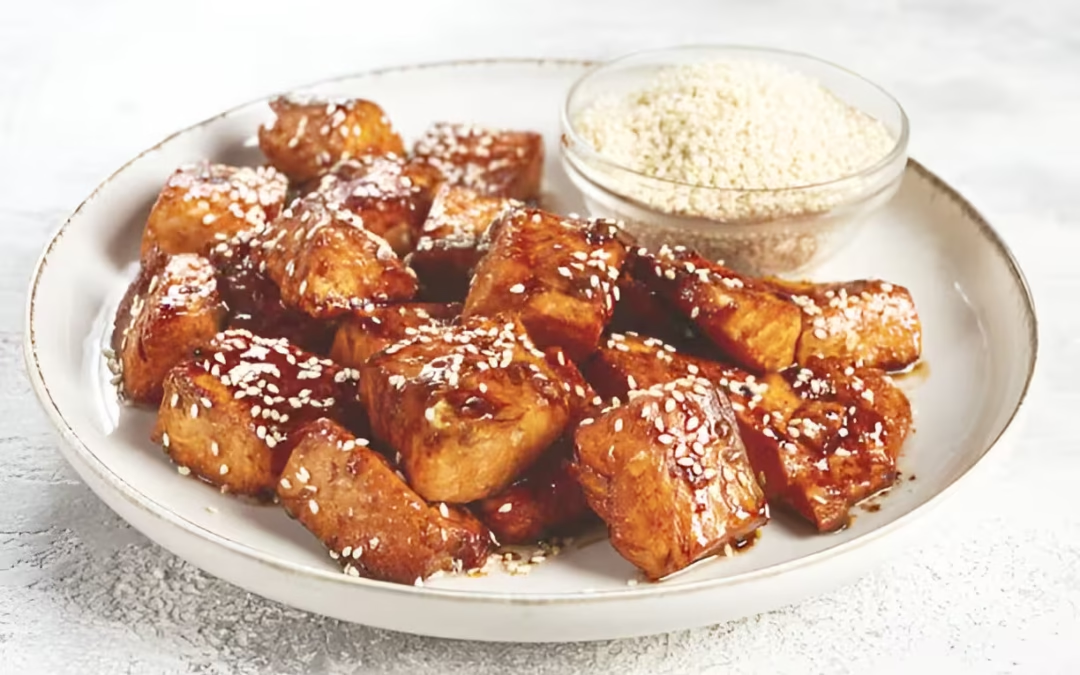
Air fryer salmon bites are the perfect answer to quick, healthy, delicious meals that work for everything from weeknight dinners to meal prep to party appetizers. These bite-sized pieces of salmon cook in just 6-8 minutes, developing a beautiful golden-brown exterior while staying tender and moist inside.

The small size means more surface area for marinades and seasonings to flavor the fish, plus they’re incredibly versatile—perfect for rice bowls, salads, tacos, or popping straight into your mouth as a protein-packed snack.

What makes salmon bites superior to full fillets for many situations is their convenience and adaptability. Kids love the bite-sized portions that are easy to eat. Meal preppers appreciate how quickly they cook and how well they reheat. Party hosts adore serving them as elegant appetizers with dipping sauces.

And busy weeknight cooks celebrate the fact that dinner can be on the table in under 15 minutes from start to finish. The air fryer method creates restaurant-quality results without the mess, smell, and calories of deep frying.

The circulating hot air crisps all sides of the salmon bites evenly, caramelizes glazes beautifully, and requires only a light spray of oil. You get all the crispy, golden exterior you crave with a fraction of the fat and none of the stovetop splatter or lingering fish odor in your kitchen.

The Health Benefits of Salmon Bites

Air fryer salmon bites pack all the nutritional benefits of salmon into convenient, portion-controlled servings that make healthy eating effortless:

Outstanding Nutritional Profile

  • Omega-3 Powerhouse: Each serving provides 1,200-1,500mg of omega-3 fatty acids (EPA and DHA), essential for heart health, brain function, reducing inflammation, and supporting mental wellness. These anti-inflammatory fats are linked to reduced risk of heart disease, improved brain function, and better mood regulation.
  • High-Quality Protein: With 25-30 grams of protein per serving, salmon bites provide all essential amino acids needed for muscle maintenance, repair, satiety, and overall body function. This makes them excellent for weight management and muscle building.
  • Vitamin D Rich: Salmon is one of the few natural food sources of vitamin D, providing 80-90% of daily needs per serving. Critical for bone health, immune system support, and mood regulation—especially important during winter months.
  • B Vitamin Complex: Exceptionally high in B12 (over 100% daily value), B6, niacin, and other B vitamins that support energy metabolism, nervous system function, and red blood cell formation.
  • Mineral Content: Rich in selenium (powerful antioxidant protection), phosphorus (bone and teeth health), and potassium (blood pressure regulation and heart health).
  • Lower in Calories: Air frying uses 70-80% less oil than deep frying, significantly reducing calories while maintaining incredible taste and crispy texture. Most salmon bite recipes come in at 200-250 calories per serving.

Weight Management Benefits

At approximately 200-250 calories per serving with 25-30g of protein, air fryer salmon bites are remarkably filling while being calorie-conscious. The high protein content promotes satiety and helps reduce overall calorie intake throughout the day. Unlike carb-heavy snacks or meals, salmon bites provide sustained energy without blood sugar spikes, making them perfect for weight loss or maintenance goals.

Diet-Friendly and Adaptable

These versatile salmon bites fit numerous dietary approaches: naturally gluten-free (when using appropriate seasonings and marinades), dairy-free with simple substitutions, paleo-friendly with compliant ingredients, keto-adaptable by reducing or eliminating sugar, perfect for pescatarian diets, whole30 compliant with proper ingredients, and suitable for Mediterranean eating patterns. They’re also an excellent choice for anyone trying to eat more fish—the American Heart Association recommends at least two servings of fish per week.

Essential Ingredients for Perfect Salmon Bites

The Salmon Foundation

The quality of your salmon bites starts with choosing the right fish:

Fresh Salmon (Best Option)

Use about 1.5 pounds of fresh salmon fillets for 4 servings. Wild-caught Alaskan salmon (sockeye, coho, or king) offers superior flavor, firmer texture, and higher omega-3 content. Farm-raised Atlantic salmon is more budget-friendly, milder in flavor, and more widely available. Both work excellently for salmon bites. Choose center-cut portions with even thickness for uniform cooking. Remove skin and pin bones before cutting into cubes.

Frozen Salmon

Frozen salmon works perfectly for salmon bites and is often more economical. Thaw completely in the refrigerator overnight or use the cold water method (submerge sealed salmon in cold water for 30-60 minutes, changing water every 30 minutes). Pat thawed salmon very dry with paper towels before cutting and seasoning—excess moisture prevents proper browning and crisping.

How to Cut Salmon into Bites

Cut salmon into uniform 1-inch cubes for even cooking. Too small (under ¾ inch) and they’ll overcook and dry out. Too large (over 1.5 inches) and the outside burns before the inside cooks through. Use a sharp knife and cut against the grain when possible for the most tender bites. Don’t worry about perfect cubes—slightly irregular shapes add rustic charm and create more crispy edges.

Seasonings and Marinades

The beauty of salmon bites is their incredible versatility with flavors:

Dry Seasoning Method (Quick & Easy)

  • Olive oil or avocado oil: 1-2 tablespoons to help seasonings adhere and promote browning
  • Salt and black pepper: Essential base seasoning
  • Garlic powder: 1 teaspoon for savory depth
  • Smoked paprika: ½-1 teaspoon for color and mild smoky flavor
  • Optional additions: Onion powder, cayenne pepper, dried herbs (dill, parsley, thyme)

Wet Marinade Method (Maximum Flavor)

  • Soy-based marinades: Soy sauce, honey, ginger, garlic (Asian-inspired)
  • Teriyaki glaze: Soy sauce, mirin, sake, brown sugar (Japanese-style)
  • Honey garlic: Honey, minced garlic, soy sauce, butter
  • Lemon herb: Lemon juice, olive oil, garlic, fresh herbs
  • Cajun blackened: Cajun spice blend, olive oil, lemon juice

Essential Equipment

  • Air fryer: Any size works, but 5.8-quart or larger is ideal for cooking multiple servings
  • Parchment paper or air fryer liners: Prevents sticking and makes cleanup easy
  • Instant-read thermometer: For checking doneness (optional but helpful)
  • Mixing bowl: For tossing salmon bites with seasonings or marinade
  • Sharp knife and cutting board: For cutting salmon into uniform cubes

How to Make Air Fryer Salmon Bites

Step-by-Step Instructions

Preparation (10 minutes)

  1. Prepare the salmon: If using frozen salmon, ensure it’s completely thawed and patted dry. Remove skin if present by sliding a sharp knife between the skin and flesh. Check for pin bones by running your fingers along the fillet and remove any you find with tweezers or needle-nose pliers.
  2. Cut into uniform cubes: Place salmon on a cutting board and cut into 1-inch cubes. Try to make them as uniform as possible for even cooking. Don’t worry about perfect shapes—variety adds character and creates different textures.
  3. Season or marinate: For dry seasoning: Place salmon cubes in a bowl, drizzle with 1-2 tablespoons oil, add your chosen seasonings, and toss gently to coat evenly. For marinades: Prepare your marinade, add salmon cubes, and marinate for 10-30 minutes at room temperature or up to 2 hours refrigerated. Don’t marinate longer than 2 hours as acid can start “cooking” the fish.
  4. Bring to room temperature: If salmon has been refrigerated, let it sit at room temperature for 10 minutes before air frying. This ensures even cooking from edge to center.

Air Frying (6-8 minutes)

  1. Preheat the air fryer: Set to 390-400°F and preheat for 3-5 minutes. Proper preheating is crucial for achieving crispy exteriors and even cooking.
  2. Prepare the basket: Line the air fryer basket with parchment paper or an air fryer liner. Cut slits in parchment to allow air circulation. Spray lightly with cooking oil to prevent sticking.
  3. Arrange salmon bites: Place salmon cubes in a single layer in the basket with space between each piece. They should not touch—air needs to circulate freely. Cook in batches if necessary rather than overcrowding. If using marinade, shake off excess before placing in basket.
  4. Spray with oil: Lightly spray the tops of salmon bites with cooking spray. This promotes browning and helps achieve that crispy exterior.
  5. Air fry first stage: Cook at 390-400°F for 4-5 minutes without opening the air fryer. The salmon should be about 60-70% cooked through and starting to brown.
  6. Shake or flip: Open the air fryer, shake the basket to turn the salmon bites, or use tongs to flip individual pieces. This ensures even browning on all sides. If using a glaze, this is the time to brush it on.
  7. Complete cooking: Air fry for another 2-4 minutes until salmon bites are golden brown, slightly crispy on the edges, and cooked through. Total cooking time will be 6-8 minutes depending on:
    • Small bites (¾ inch): 5-6 minutes total
    • Medium bites (1 inch): 6-7 minutes total
    • Large bites (1.25 inches): 7-8 minutes total
  8. Check for doneness: Salmon bites are done when they’re opaque throughout with a slight translucency in the very center (for medium), or completely opaque (for well-done). Internal temperature should reach 125-130°F for medium-rare, 135-140°F for medium, or 145°F for well-done (USDA recommendation).
  9. Rest briefly: Let salmon bites rest for 1-2 minutes after cooking. This allows juices to redistribute and makes them easier to handle.

Flavor Variations: 8 Delicious Ways to Season Salmon Bites

1. Cajun Blackened Salmon Bites

Seasoning blend:

  • 2 teaspoons paprika
  • 1 teaspoon cayenne pepper (adjust to heat preference)
  • 1 teaspoon garlic powder
  • 1 teaspoon onion powder
  • ½ teaspoon dried thyme
  • ½ teaspoon dried oregano
  • ½ teaspoon salt
  • ¼ teaspoon black pepper
  • 2 tablespoons olive oil

Mix all seasonings together, toss with salmon cubes and olive oil. Air fry at 400°F for 6-7 minutes. These have a bold, spicy kick perfect for those who love heat.

2. Honey Garlic Salmon Bites

Marinade:

  • 3 tablespoons honey
  • 2 tablespoons soy sauce
  • 4 cloves garlic, minced
  • 1 tablespoon olive oil
  • 1 teaspoon fresh ginger, grated
  • ½ teaspoon sesame oil

Whisk marinade ingredients together. Marinate salmon cubes for 15-30 minutes. Air fry at 390°F for 6-7 minutes, shaking basket halfway. Brush with extra honey during final 2 minutes for sticky glaze.

3. Lemon Pepper Salmon Bites

Seasoning:

  • Zest of 2 lemons
  • 2 tablespoons lemon juice
  • 2 tablespoons olive oil
  • 1 tablespoon black pepper (freshly ground)
  • 1 teaspoon garlic powder
  • ½ teaspoon salt
  • ½ teaspoon smoked paprika

Mix all ingredients and toss with salmon. Air fry at 400°F for 6-7 minutes. Bright, fresh, and perfect for those who prefer citrus flavors.

4. Teriyaki Glazed Salmon Bites

Homemade teriyaki sauce:

  • ½ cup soy sauce
  • ½ cup mirin
  • ¼ cup brown sugar
  • 2 cloves garlic, minced
  • 1 teaspoon fresh ginger, grated

Simmer sauce ingredients for 10 minutes until slightly thickened. Cool to room temperature. Marinate salmon for 20-30 minutes. Air fry at 390°F for 6-8 minutes. Brush with thickened sauce after cooking. Garnish with sesame seeds and green onions.

5. Mediterranean Herb Salmon Bites

Herb mixture:

  • 3 tablespoons olive oil
  • 2 tablespoons fresh parsley, chopped
  • 1 tablespoon fresh dill, chopped
  • 1 tablespoon fresh basil, chopped
  • 3 cloves garlic, minced
  • Zest of 1 lemon
  • ½ teaspoon salt
  • ¼ teaspoon black pepper

Combine all ingredients and gently toss with salmon. Air fry at 400°F for 6-7 minutes. Fresh, herbaceous, and sophisticated.

6. Asian Soy Ginger Salmon Bites

Marinade:

  • ¼ cup soy sauce
  • 2 tablespoons rice vinegar
  • 1 tablespoon honey
  • 1 tablespoon sesame oil
  • 2 tablespoons fresh ginger, grated
  • 3 cloves garlic, minced
  • 1 teaspoon sriracha (optional)

Mix marinade and marinate salmon 15-30 minutes. Air fry at 390°F for 6-7 minutes. Sweet, savory, with pronounced ginger flavor.

7. Buffalo-Style Salmon Bites

Buffalo coating:

  • 3 tablespoons buffalo sauce (Frank’s RedHot)
  • 2 tablespoons melted butter
  • 1 teaspoon garlic powder
  • ½ teaspoon smoked paprika

Mix buffalo sauce and butter. Toss salmon cubes to coat. Air fry at 400°F for 6-7 minutes. Serve with blue cheese or ranch dressing. Perfect game-day appetizer.

8. Everything Bagel Salmon Bites

Everything bagel coating:

  • 3 tablespoons everything bagel seasoning
  • 2 tablespoons olive oil
  • 1 tablespoon cream cheese (optional, for serving)

Toss salmon with olive oil, then coat generously with everything bagel seasoning. Air fry at 400°F for 6-7 minutes. Serve with cream cheese for dipping. Brunch-worthy and unique.

Expert Tips for Perfect Salmon Bites

Achieving Maximum Crispiness

  • Pat salmon completely dry: Moisture is the enemy of crispiness—dry salmon thoroughly with paper towels
  • Don’t skip the oil spray: Even a light coating helps achieve golden-brown, crispy exteriors
  • Preheat consistently: A hot air fryer creates immediate searing for better texture
  • Single layer only: Overcrowding creates steam rather than crisp coating—cook in batches if needed
  • Shake the basket: Turning salmon bites halfway ensures even crisping on all sides
  • Higher heat works better: 390-400°F is the sweet spot for crispy exteriors and tender interiors

Preventing Dry, Overcooked Salmon

  • Don’t overcook: Salmon bites cook quickly—check at 6 minutes and add time as needed
  • Use a thermometer: Target 130-135°F internal temp for perfectly moist salmon
  • Choose fattier salmon: King or Atlantic farm-raised stays moister than leaner varieties
  • Don’t over-marinate: More than 2 hours can affect texture negatively
  • Let rest briefly: 1-2 minutes after cooking allows juices to redistribute
  • Start with room temp salmon: Cold salmon from the fridge takes longer and cooks unevenly

Flavor Maximization

  • Season generously: Salmon can handle bold flavors—don’t be shy with seasonings
  • Fresh vs. dried: Fresh garlic and herbs provide brighter, more complex flavors
  • Marinate strategically: 15-30 minutes is ideal for balanced flavor penetration
  • Layer flavors: Use both marinade and final glaze for depth
  • Add acid: Lemon juice, vinegar, or citrus brightens and balances richness
  • Toast spices: Briefly toasting spices before using intensifies their flavor

Size and Cutting Tips

  • Uniform size matters: Cut all pieces to similar size for even cooking
  • 1-inch cubes are ideal: Perfect balance of crispy exterior and tender interior
  • Don’t cut too small: Pieces under ¾ inch overcook easily and dry out
  • Slightly irregular is good: Varying shapes create different textures and crispy bits
  • Use a sharp knife: Clean cuts prevent tearing and maintain structure

Serving Suggestions for Salmon Bites

As an Appetizer

Air fryer salmon bites make spectacular appetizers for parties, game days, or holiday gatherings. Serve on a platter with toothpicks and various dipping sauces: tartar sauce, lemon dill aioli, sriracha mayo, honey mustard, ranch dressing, or cocktail sauce. Arrange attractively with fresh herbs, lemon wedges, and garnishes. For extra elegance, serve on individual appetizer spoons or small plates.

In Rice Bowls

Create delicious salmon bite bowls with these components:

  • Base: White rice, brown rice, cauliflower rice, or quinoa
  • Vegetables: Edamame, cucumber, avocado, shredded carrots, pickled ginger, seaweed salad
  • Protein: Air fryer salmon bites (warm or cold)
  • Sauce: Soy ginger dressing, sriracha mayo, teriyaki glaze, or sesame dressing
  • Garnish: Sesame seeds, green onions, nori strips, crispy onions

Over Salads

Top fresh salads with warm salmon bites for protein-packed, nutritious meals:

  • Mixed greens with balsamic vinaigrette and honey garlic salmon bites
  • Caesar salad topped with lemon pepper salmon bites
  • Asian-inspired salad with soy ginger salmon bites and sesame dressing
  • Mediterranean salad with herb salmon bites, feta, and olives
  • Kale salad with Cajun salmon bites and avocado

In Tacos

Make creative salmon bite tacos by filling corn or flour tortillas with:

  • Cajun salmon bites with coleslaw and chipotle mayo
  • Teriyaki salmon bites with Asian slaw and sriracha
  • Buffalo salmon bites with ranch and shredded lettuce
  • Lemon herb salmon bites with tzatziki and cucumber

Meal Prep Power Bowls

Prepare multiple servings for the week:

  1. Cook 2-3 pounds of salmon bites in different flavors
  2. Portion into containers with rice, quinoa, or vegetables
  3. Store sauces separately to prevent sogginess
  4. Refrigerate for up to 4 days
  5. Reheat salmon bites in air fryer at 350°F for 3-4 minutes

As a Snack or Light Lunch

Enjoy salmon bites on their own as a high-protein snack or light meal. Pair with vegetable sticks, crackers, pita chips, or fresh fruit for a balanced mini-meal that’s perfect for busy days.

Dipping Sauces for Salmon Bites

Lemon Dill Aioli

Ingredients:

  • ½ cup mayonnaise
  • 3 tablespoons fresh dill, chopped
  • 2 cloves garlic, minced
  • Juice and zest of 1 lemon
  • Salt and pepper to taste

Mix all ingredients and refrigerate 30 minutes. Perfect with lemon pepper or herb salmon bites.

Sriracha Mayo

Ingredients:

  • ½ cup mayonnaise
  • 2 tablespoons sriracha (adjust to heat preference)
  • 1 teaspoon lime juice
  • ½ teaspoon sesame oil
  • Pinch of salt

Whisk together for spicy, creamy dipping sauce. Great with Asian-style or Cajun salmon bites.

Honey Mustard Sauce

Ingredients:

  • ¼ cup Dijon mustard
  • ¼ cup honey
  • 2 tablespoons mayonnaise
  • 1 tablespoon lemon juice
  • Pinch of cayenne pepper

Mix until smooth. Sweet and tangy, perfect for everything bagel salmon bites.

Tzatziki Sauce

Ingredients:

  • 1 cup Greek yogurt
  • ½ cucumber, grated and squeezed dry
  • 2 cloves garlic, minced
  • 1 tablespoon fresh dill
  • 1 tablespoon lemon juice
  • Salt and pepper

Combine all ingredients and chill. Healthy, refreshing option for Mediterranean salmon bites.

Classic Tartar Sauce

Ingredients:

  • ½ cup mayonnaise
  • 2 tablespoons pickle relish
  • 1 tablespoon capers, chopped
  • 1 tablespoon lemon juice
  • 1 teaspoon Dijon mustard
  • Fresh parsley, chopped

Mix well and refrigerate. Traditional pairing that never disappoints.

Bang Bang Sauce

Ingredients:

  • ½ cup mayonnaise
  • 3 tablespoons sweet chili sauce
  • 1 tablespoon sriracha
  • 1 teaspoon rice vinegar

Whisk together for sweet, spicy, creamy sauce. Incredible with any salmon bite variation.

Storage, Freezing, and Reheating

Refrigerating Cooked Salmon Bites

Store cooked air fryer salmon bites in an airtight container in the refrigerator for up to 4 days. Let them cool completely before refrigerating to avoid condensation. Layer parchment paper between salmon bites if stacking to prevent sticking. Store sauces separately to maintain crispiness. Salmon bites taste great cold and can be enjoyed straight from the fridge in salads or bowls.

Freezing for Long-Term Storage

Freezing Uncooked Salmon Bites

  1. Cut salmon into cubes and toss with dry seasonings (don’t marinate)
  2. Arrange on parchment-lined baking sheet, not touching
  3. Freeze until solid (2-3 hours)
  4. Transfer to freezer bags, removing excess air
  5. Label with flavor and date
  6. Freeze for up to 3 months
  7. Cook from frozen, adding 2-3 minutes to cooking time

Freezing Cooked Salmon Bites

  1. Cool completely after cooking
  2. Arrange on parchment-lined sheet, not touching
  3. Freeze until solid
  4. Transfer to freezer bags
  5. Label and date
  6. Freeze for up to 2 months
  7. Thaw in refrigerator before reheating

Reheating Methods

Air Fryer Method (Best for Crispiness)

  1. Preheat air fryer to 350°F
  2. Place salmon bites in basket in single layer
  3. Spray lightly with cooking oil
  4. Heat for 3-4 minutes until warmed through
  5. Shake basket halfway through

Oven Method

  1. Preheat oven to 350°F
  2. Arrange salmon bites on baking sheet
  3. Cover loosely with foil
  4. Heat for 8-10 minutes
  5. Remove foil for last 2 minutes to re-crisp

Microwave (Quick but Less Ideal)

Heat on 50% power for 1-2 minutes, checking at 30-second intervals. Place on paper towel to absorb moisture. This method is fastest but results in softer, less crispy salmon bites.

Meal Prep Strategies

Weekly Batch Cooking

  • Cook 2-3 pounds of salmon bites on Sunday
  • Make 2-3 different flavor variations for variety
  • Portion into containers with rice and vegetables
  • Store sauces separately
  • Reheat as needed throughout the week

Freezer-Ready Prep

  • Prep and season multiple batches of raw salmon bites
  • Freeze in portion-sized bags
  • Cook from frozen when needed (add 2-3 minutes)
  • Perfect for busy weeknights

Nutritional Information

Per Serving (approximately 6 oz or 8-10 salmon bites)

  • Calories: 220-280 (varies by marinade/seasoning)
  • Protein: 28-32g
  • Total Fat: 10-14g
    • Saturated Fat: 2-3g
    • Omega-3 Fatty Acids: 1,200-1,500mg
  • Carbohydrates: 2-15g (depends on marinade sweetness)
    • Fiber: 0-1g
    • Sugar: 1-12g (from honey/teriyaki marinades)
  • Cholesterol: 85-95mg
  • Sodium: 300-600mg (adjust seasonings to preference)

Key Vitamins and Minerals

  • Vitamin B12: 100-120% Daily Value
  • Vitamin D: 80-90% Daily Value
  • Selenium: 70-75% Daily Value
  • Niacin (B3): 50-60% Daily Value
  • Vitamin B6: 40-45% Daily Value
  • Phosphorus: 30-35% Daily Value
  • Potassium: 18-22% Daily Value

Comparing Cooking Methods

Air fried vs. deep fried salmon bites:

  • Calories saved: 80-120 per serving
  • Fat reduction: 60-70% less total fat
  • Saturated fat: 75-80% less
  • Same great taste and texture
  • No trans fats from degraded oil

Note: Nutritional values vary based on salmon type (wild vs. farmed), specific marinades used, portion size, and added oils. Plain seasoned salmon bites are lowest in calories and carbs.

Frequently Asked Questions

How long do you cook salmon bites in the air fryer?

Cook salmon bites at 390-400°F for 6-8 minutes total, shaking the basket or flipping halfway through. Small bites (¾ inch) need about 5-6 minutes, medium bites (1 inch) need 6-7 minutes, and larger bites (1.25 inches) need 7-8 minutes. The salmon is done when it’s opaque throughout and reaches an internal temperature of 130-145°F depending on your desired doneness.

Do I need to flip salmon bites in the air fryer?

Yes, for best results, shake the basket or flip salmon bites halfway through cooking (around the 3-4 minute mark). This ensures even browning and crisping on all sides. If you don’t flip them, the bottoms will be more browned than the tops, though they’ll still be delicious.

Can I use frozen salmon for salmon bites?

Yes! You can cook frozen salmon bites directly from frozen by adding 2-3 minutes to the cooking time. However, for best results with marinades, thaw the salmon completely first. Thaw overnight in the refrigerator or use the cold water method. Pat thawed salmon very dry before cutting and seasoning.

What’s the best temperature for air fryer salmon bites?

The optimal temperature is 390-400°F. This range creates a crispy, golden exterior while keeping the interior moist and tender. Lower temperatures (below 375°F) won’t crisp properly, while higher temperatures (above 400°F) risk burning the exterior before the inside cooks through, especially with sweet marinades.

How do I prevent salmon bites from sticking to the air fryer?

To prevent sticking: (1) Line the basket with parchment paper or an air fryer liner, (2) Spray the basket and salmon bites with cooking oil, (3) Don’t overcrowd—leave space between pieces, (4) Preheat the air fryer before adding salmon, and (5) Pat salmon completely dry before seasoning. These steps combined virtually eliminate sticking.

Can I make salmon bites without oil?

While you can technically make salmon bites without oil, using at least a light spray dramatically improves results. Oil promotes browning, prevents sticking, and helps achieve that desirable crispy exterior. If avoiding oil, use parchment paper and expect a softer texture. The salmon’s natural oils will still provide some crisping.

How do I know when salmon bites are done?

Salmon bites are done when they’re opaque throughout with a slight translucency in the very center (for medium doneness). You can check by cutting into a piece or using an instant-read thermometer: 125-130°F for medium-rare, 135-140°F for medium, or 145°F for well-done (USDA recommendation). The exterior should be golden brown and slightly crispy.

What size should I cut salmon bites?

Cut salmon into uniform 1-inch cubes for best results. This size cooks evenly in 6-8 minutes and provides a good balance of crispy exterior and tender interior. Pieces smaller than ¾ inch tend to overcook and dry out, while pieces larger than 1.5 inches may burn on the outside before cooking through.

Can I use skin-on salmon for salmon bites?

It’s best to remove the skin before cutting salmon into bites. The skin doesn’t crisp well in small pieces and can have an unpleasant texture when cut. Simply slide a sharp knife between the skin and flesh before cubing. However, if your salmon comes skinless, that’s even easier!

How long should I marinate salmon bites?

Marinate salmon bites for 15-30 minutes for ideal flavor penetration. You can marinate up to 2 hours refrigerated, but don’t exceed this as the acid in marinades can start “cooking” the fish and affect texture. For quick meals, even 10 minutes of marinating makes a noticeable difference. Dry seasonings can be applied just before cooking.

Are salmon bites healthy?

Yes! Air fryer salmon bites are very healthy. They’re high in protein (28-32g per serving), rich in omega-3 fatty acids (1,200-1,500mg), and packed with vitamins B12 and D. Air frying uses 70-80% less oil than deep frying, making them a nutritious option at just 220-280 calories per serving. They fit well into most healthy eating plans including keto, paleo, Mediterranean, and Whole30 diets.

Can I meal prep salmon bites?

Absolutely! Salmon bites are perfect for meal prep. Cook 2-3 pounds in various flavors on Sunday, portion into containers with rice and vegetables, and refrigerate for up to 4 days. You can also freeze seasoned raw salmon bites for up to 3 months and cook from frozen when needed. Reheat cooked salmon bites in the air fryer at 350°F for 3-4 minutes.

Troubleshooting Common Issues

Problem: Salmon Bites Are Dry

Solutions:

  • Reduce cooking time by 1-2 minutes
  • Check for doneness at 6 minutes instead of 8
  • Use fattier salmon (King or Atlantic farm-raised)
  • Lower temperature to 380°F
  • Don’t marinate longer than 2 hours
  • Target 130-135°F internal temperature instead of 145°F

Problem: Not Crispy Enough

Solutions:

  • Pat salmon completely dry before seasoning
  • Use more cooking spray on salmon and basket
  • Increase temperature to 400°F
  • Don’t overcrowd the basket—cook in batches
  • Shake basket or flip pieces halfway through
  • Add 1-2 minutes to cooking time

Problem: Sticking to Air Fryer Basket

Solutions:

  • Always use parchment paper or air fryer liner
  • Spray basket generously with cooking oil
  • Spray salmon bites with oil before cooking
  • Ensure air fryer is properly preheated
  • Don’t try to move salmon too early—let it release naturally

Problem: Uneven Cooking

Solutions:

  • Cut all salmon pieces to uniform 1-inch size
  • Don’t overcrowd—leave space between pieces
  • Shake basket or flip pieces halfway through
  • Let salmon come to room temperature before cooking
  • Ensure air fryer is fully preheated

Problem: Marinade Is Burning

Solutions:

  • Shake off excess marinade before air frying
  • Reduce temperature to 375-380°F
  • Apply sweet glazes during final 2 minutes only
  • Use less sugar or honey in marinade
  • Watch closely during final minutes

Problem: Bland Flavor

Solutions:

  • Season more generously—salmon can handle bold flavors
  • Marinate for 30 minutes instead of 10
  • Use fresh garlic and herbs instead of dried
  • Add acid (lemon juice, vinegar) to brighten flavors
  • Layer flavors with marinade + finishing sauce
  • Don’t be afraid to use more salt

Weekly Meal Planning with Salmon Bites

Monday: Asian-Inspired Bowl

Teriyaki salmon bites over jasmine rice with edamame, cucumber, avocado, and sesame seeds. Drizzle with sriracha mayo. Quick, satisfying, and packed with flavor.

Tuesday: Taco Tuesday

Cajun blackened salmon bites in corn tortillas with coleslaw, avocado, lime, and chipotle crema. Fun, fresh, and family-friendly.

Wednesday: Salad Night

Lemon pepper salmon bites over mixed greens with cherry tomatoes, cucumber, red onion, and balsamic vinaigrette. Light and healthy midweek meal.

Thursday: Mediterranean Plate

Herb salmon bites with tzatziki, Greek salad, pita bread, and hummus. Vibrant flavors and nutritious.

Friday: Appetizer Spread

Make multiple salmon bite flavors and serve with various dipping sauces, crackers, and vegetables. Perfect for casual entertaining or family movie night.

Meal Prep Sunday

Prepare 2-3 pounds of salmon bites in different flavors. Portion into containers with rice and vegetables for grab-and-go lunches all week. Store sauces separately to keep everything fresh.

Final Thoughts on Air Fryer Salmon Bites

Air fryer salmon bites represent the ultimate combination of convenience, health, and incredible flavor. These versatile, protein-packed morsels cook in just 6-8 minutes, making them perfect for busy weeknights, meal prep, appetizers, or any time you’re craving delicious salmon without the fuss. The bite-sized format means every piece gets maximum exposure to seasonings and marinades, resulting in flavor-packed salmon that’s crispy on the outside and tender on the inside.

What makes salmon bites particularly special is their incredible adaptability. The same basic recipe transforms into countless variations—from bold Cajun blackened to sweet teriyaki, herbaceous Mediterranean to spicy buffalo. You can customize them to match any cuisine, dietary preference, or flavor craving. Serve them as elegant appetizers, toss them into rice bowls, top fresh salads, or stuff them into tacos. The possibilities are truly endless.

From a health perspective, salmon bites are nutritional superstars. Each serving delivers 28-32g of high-quality protein, 1,200-1,500mg of omega-3 fatty acids, exceptional amounts of vitamins B12 and D, and important minerals—all in a convenient, portion-controlled format. Air frying uses minimal oil compared to traditional methods, significantly reducing calories while maintaining incredible crispy texture. At just 220-280 calories per serving, they fit easily into any healthy eating plan.

The practical benefits cannot be overstated. Salmon bites cook faster than full fillets, making weeknight dinners effortless. They’re perfect for meal prep—cook once on Sunday and enjoy all week. Kids love the fun, bite-sized portions. Party hosts appreciate their crowd-pleasing appeal and easy serving. And health-conscious eaters celebrate getting premium nutrition in minutes without complicated techniques or specialty equipment.

Success with air fryer salmon bites comes down to a few key principles: cut uniform 1-inch cubes for even cooking, pat salmon completely dry before seasoning, don’t overcrowd the air fryer basket, shake or flip halfway through for all-around crispiness, and check for doneness at 6 minutes to prevent overcooking. Master these basics and you’ll make perfect salmon bites every single time.

Whether you’re a salmon enthusiast looking for new ways to enjoy your favorite fish, a busy parent seeking quick healthy dinners, a meal prepper wanting efficient protein options, or someone just discovering the joys of air frying—salmon bites will become a staple in your cooking repertoire. The combination of speed, versatility, health benefits, and incredible flavor makes them an absolute winner.

So grab some fresh salmon, choose your favorite seasonings or marinade, and fire up that air fryer. In less than 15 minutes from start to finish, you’ll have restaurant-quality salmon bites that taste like you spent hours in the kitchen. Your taste buds, your schedule, and your body will all thank you!

You May Also Like

Air Fryer Asian Salmon Bites with Sauce

Air Fryer Asian Salmon Bites with Sauce

If you’re craving a restaurant-quality Asian-inspired meal but don’t want to spend hours in the kitchen, these air fryer Asian salmon bites with sauce are your answer. Ready in just 15 minutes, these tender, buttery salmon cubes are coated in a savory-sweet glaze and served with an irresistible spicy mayo dipping sauce.

This easy salmon bites recipe combines the convenience of air frying with bold Asian flavors, creating a healthy dinner that’s perfect for busy weeknights or meal prep. The best part? We have a secret ingredient that makes these the most delicious air fryer salmon bites you’ll ever taste.

Why You’ll Love This Air Fryer Salmon Bites Recipe

Quick Cooking: These Asian salmon bites air fryer style cook in just 4-6 minutes—faster than ordering takeout!

Healthy and Protein-Rich: Salmon is packed with omega-3 fatty acids, making this a nutritious choice for healthy salmon bites.

Minimal Cleanup: No splattering oil or dirty stovetop—just one air fryer basket to wash.

Versatile Serving Options: Serve as an appetizer, over rice bowls, in tacos, or as a protein-packed snack.

Kid-Friendly: The bite-sized pieces and sweet-savory flavor make this a hit with picky eaters.

Meal Prep Friendly: Make a batch for easy lunches throughout the week.

The Secret Ingredient: Why Mayonnaise Makes the Best Salmon Bites

Here’s the game-changer: instead of coating the salmon with oil, we use mayonnaise. Yes, you read that right!

Mayonnaise might sound unconventional, but it’s the secret to achieving perfectly golden, tender air fryer salmon cubes. Here’s why it works:

Creates a Non-Stick Barrier: The mayo prevents the salmon from sticking to the air fryer basket.

Acts as a Marinade: The oil and egg emulsion in mayo helps flavors penetrate the fish.

Perfect Binder: Seasonings stick to the mayo-coated salmon better than they would to oil alone.

Locks in Moisture: Mayo helps the salmon retain its natural juices, preventing dry, overcooked fish.

Develops a Golden Crust: The fat content in mayo promotes beautiful browning without deep frying.

For the best results, use Japanese-style Kewpie mayonnaise, which is richer and thicker than American mayo. However, regular mayonnaise works perfectly fine—use whatever you have in your fridge. If you absolutely don’t want to use mayo, substitute with 1-2 teaspoons of neutral vegetable oil, though the results won’t be quite as impressive.

Ingredients for Air Fryer Asian Salmon Bites

For the Salmon Bites

1 pound salmon fillet (skinless or skin removed) 2 teaspoons mayonnaise (Kewpie preferred) 1 tablespoon soy sauce (or tamari for gluten-free) 2 teaspoons honey (or maple syrup) 1/2 teaspoon garlic powder 1-2 teaspoons gochugaru (Korean chili flakes) 1 teaspoon cornstarch (helps create a crispy exterior)

For the Spicy Mayo Sauce

1/3 cup mayonnaise (Kewpie recommended) 1.5 tablespoons rice vinegar (unseasoned) 1-2 tablespoons chili garlic paste (adjust to taste) 1/2 teaspoon sugar 1 teaspoon toasted sesame oil

Ingredient Notes and Substitutions

Salmon: Choose fresh, high-quality salmon. Wild-caught has more flavor, but farmed salmon works great too. Make sure to remove the skin before cutting into cubes.

Soy Sauce: Regular soy sauce, low-sodium, or tamari all work. Coconut aminos work for a soy-free option.

Honey: Adds sweetness and helps the salmon caramelize. Maple syrup or agave work as substitutes.

Gochugaru: Korean red chili flakes have a sweet, smoky, slightly spicy flavor. Substitute with Aleppo pepper for a milder option, or red pepper flakes for more heat.

Chili Garlic Paste: Found in the Asian section of most grocery stores. Sambal oelek, sriracha, or even gochujang work as substitutes for the dipping sauce.

Cornstarch: Helps the seasonings adhere and creates a light crust. You can omit it, but the coating won’t be quite as crispy.

Step-by-Step: How to Make Asian Salmon Bites in Air Fryer

Prepare the Spicy Mayo Sauce (Can be made up to 3 days ahead)

  1. In a small bowl, whisk together mayonnaise, rice vinegar, chili garlic paste, sugar, and toasted sesame oil.
  2. Taste and adjust spice level by adding more chili paste if desired.
  3. Cover and refrigerate until ready to serve. The flavors will meld and improve as it sits.

Prepare the Salmon

  1. Cut the salmon into uniform cubes: Remove any skin from the salmon fillet. Cut into strips about 1.5 inches wide, then cut crosswise into cubes. Consistency in size is crucial for even cooking.
  2. Dry the salmon thoroughly: Use paper towels to pat the salmon completely dry. This step is essential for achieving a golden crust.
  3. Coat with mayonnaise: Place salmon cubes in a medium bowl and add 2 teaspoons of mayonnaise. Toss gently to coat each piece.
  4. Add the seasonings: Sprinkle in cornstarch, soy sauce, honey, garlic powder, and gochugaru. Toss until every piece is evenly coated with the sweet-savory-spicy mixture.

Air Fry the Salmon Bites

  1. Preheat the air fryer to 375°F (190°C) for 3-5 minutes.
  2. Arrange in a single layer: Place seasoned salmon cubes in the air fryer basket with a little space between each piece. Don’t overcrowd—cook in batches if necessary.
  3. Cook for 4-6 minutes: Air fry without flipping. The exact time depends on the size of your cubes and how well-done you like your salmon. For medium-rare (our preference), aim for an internal temperature of 130°F. For medium, cook to 135-140°F.
  4. Check for doneness: The salmon should be golden brown on the outside and tender inside. It should flake easily with a fork but still be slightly translucent in the very center for medium-rare.
  5. Rest briefly: Let the salmon bites air fryer rest for 1-2 minutes before serving. This allows the juices to redistribute.

Alternative Cooking Methods

Don’t have an air fryer? No problem! These Asian glazed salmon bites work beautifully with other cooking methods.

Oven Method

Preheat your oven to 425°F (220°C). Place salmon cubes on a parchment-lined baking sheet with space between each piece. Bake for 7-8 minutes, flipping halfway through cooking time. The salmon should be golden and cooked to your desired doneness.

Skillet Method

Heat 1-2 teaspoons of vegetable oil in a large nonstick skillet over medium-high heat. When hot, add salmon cubes in a single layer. Cook for 2-3 minutes per side, turning once, until golden brown and cooked through. This method gives you the most control over browning.

How to Build the Perfect Asian Salmon Rice Bowl

Transform your air fryer salmon bites into a complete, Instagram-worthy meal by assembling a rice bowl. This is one of our favorite ways to serve these flavorful bites.

The Base

Start with 1 cup of cooked rice per person. White rice, brown rice, jasmine rice, or even cauliflower rice all work beautifully. For extra flavor, try:

  • Garlic butter rice
  • Coconut rice
  • Sesame rice
  • Quinoa or other grains

Add the Salmon

Top your rice with 4-6 salmon bites per bowl. Sprinkle with toasted sesame seeds and extra gochugaru or chili flakes if you want more heat.

Fresh Vegetables and Garnishes

This is where you can get creative. Our favorite additions include:

Crunchy Elements:

  • Sliced Persian cucumbers
  • Shredded carrots
  • Thinly sliced radishes
  • Edamame
  • Sugar snap peas

Pickled Components:

  • Quick pickled red onions
  • Pickled ginger
  • Pickled daikon
  • Kimchi

Fresh Herbs and Aromatics:

  • Sliced scallions (green onions)
  • Fresh cilantro
  • Shiso leaves
  • Thai basil

Additional Toppings:

  • Toasted nori sheets (cut into strips)
  • Crispy fried shallots or onions
  • Avocado slices
  • Soft-boiled or fried egg
  • Microgreens

Finish with Sauce and Citrus

Drizzle the spicy mayo sauce generously over everything. Add lime or lemon wedges on the side for a bright, acidic finish that cuts through the richness.

Flavor Variations for Salmon Bites

While the Asian-inspired version is our favorite, these air fryer salmon cubes are endlessly versatile. Try these flavor combinations:

Teriyaki Salmon Bites

Replace the soy-honey mixture with teriyaki sauce. Add a sprinkle of sesame seeds before air frying. Serve with a teriyaki glaze drizzled on top.

Honey Garlic Salmon Bites

Increase honey to 1 tablespoon and add 2 minced garlic cloves (or 1 teaspoon garlic powder). Omit the gochugaru for a milder, sweeter version.

Bang Bang Salmon Bites

Use the same base recipe but serve with a bang bang sauce made from mayo, sweet chili sauce, and sriracha.

Lemon Pepper Salmon Bites

Skip the Asian seasonings and coat with lemon zest, black pepper, garlic powder, and a touch of olive oil. Serve with lemon aioli.

Cajun Salmon Bites

Coat with Cajun seasoning blend instead of the Asian spices. Serve with remoulade or ranch dressing.

Pro Tips for the Best Salmon Bites

Size Matters: Cut all salmon cubes to the same size—about 1.5 inches. This ensures even cooking. Inconsistent pieces mean some will be overcooked while others are underdone.

Don’t Skip the Cornstarch: That teaspoon of cornstarch creates a light, crispy exterior. It also helps the seasonings stick better to the fish.

Pat Salmon Dry: Moisture is the enemy of crispiness. Dry your salmon cubes thoroughly before coating with mayo.

Don’t Overcrowd: Leave space between each piece in the air fryer basket. Crowding creates steam, which prevents browning. Cook in batches if necessary.

Avoid Overcooking: Salmon continues cooking after you remove it from the air fryer. Pull it out when it’s just slightly underdone in the center—around 125-130°F for medium-rare.

No Flipping Required: Unlike other proteins, salmon bites don’t need to be flipped. The convection heat cooks them evenly from all sides.

Prep Ahead: You can coat the salmon with mayo and seasonings up to 24 hours in advance. Store covered in the refrigerator, then air fry when ready to eat.

Storage and Meal Prep Tips

These healthy salmon bites are perfect for meal prepping your weekly lunches.

Refrigerator Storage

Let the cooked salmon bites cool completely, then transfer to an airtight container. Store in the refrigerator for up to 3 days. Keep the spicy mayo sauce in a separate container.

Freezer Storage

While we prefer fresh, cooked salmon bites can be frozen for up to 2 months. Place in a single layer on a baking sheet and freeze until solid, then transfer to a freezer bag. This prevents them from sticking together.

Reheating

Air Fryer: The best method for maintaining texture. Reheat at 350°F for 3-4 minutes until warmed through.

Microwave: Quick but won’t maintain the crispy exterior. Heat on 50% power in 30-second intervals.

Oven: Preheat to 350°F and bake for 5-7 minutes on a baking sheet.

Cold: Leftover salmon bites are delicious served cold in salads or grain bowls.

Meal Prep Strategy

Prepare 2-3 batches of salmon bites on Sunday. Store in individual containers with rice and vegetables. Keep the spicy mayo sauce separate and add just before eating. You’ll have delicious, healthy lunches ready all week.

Nutritional Benefits of Salmon

Choosing salmon bites air fryer style isn’t just about convenience—it’s also a nutritious choice.

Omega-3 Fatty Acids: Salmon is one of the best sources of EPA and DHA omega-3s, which support heart and brain health.

High-Quality Protein: One serving provides about 25-30 grams of protein, keeping you satisfied for hours.

B Vitamins: Particularly rich in B12, which supports energy production and nervous system function.

Selenium: Important for thyroid function and immune health.

Vitamin D: One of the few food sources of this crucial vitamin.

Low Carb: Perfect for keto, paleo, or low-carb diets when served without rice.

By air frying instead of deep frying, you’re getting all these benefits without excess oil and calories.

Frequently Asked Questions

How long do you cook salmon bites in an air fryer?

Air fryer salmon bites cook in just 4-6 minutes at 375°F. The exact time depends on the size of your cubes and your preferred doneness. For medium-rare, cook to an internal temperature of 130°F. For medium, aim for 135-140°F.

Do I need to flip salmon bites in the air fryer?

No! The beauty of salmon cubes air fryer cooking is that you don’t need to flip them. The circulating hot air cooks them evenly from all sides.

Can I use frozen salmon for this recipe?

Yes, but fresh salmon works best. If using frozen, thaw completely first, then pat very dry before proceeding with the recipe. Excess moisture from frozen fish can prevent proper browning.

What can I substitute for mayonnaise?

If you don’t want to use mayo, substitute with 1-2 teaspoons of neutral oil like vegetable, canola, or avocado oil. The results won’t be quite as tender and golden, but it will still work.

Can I make these salmon bites ahead of time?

You can prep the seasoned salmon up to 24 hours in advance and store covered in the refrigerator. The spicy mayo sauce can be made up to 3 days ahead. Air fry the salmon just before serving for the best texture.

What’s the best way to cut salmon into cubes?

Remove any skin from the fillet first. Cut the salmon lengthwise into strips about 1.5 inches wide, then cut crosswise into cubes. Use a sharp knife and try to keep all pieces the same size for even cooking.

Are these salmon bites keto-friendly?

Yes! The Asian salmon bites air fryer recipe is naturally low-carb and keto-friendly. Just skip the honey (or use a sugar-free substitute) and serve without rice. The spicy mayo sauce is also keto-approved.

Can I use a different type of fish?

While salmon works best due to its fat content and texture, you can try this recipe with other firm fish like cod, halibut, or mahi-mahi. Adjust cooking time as needed since leaner fish may cook faster.

How do I know when the salmon is done?

The most reliable method is using an instant-read thermometer. For medium-rare (our preference), aim for 130°F. The salmon should flake easily with a fork and be opaque on the outside with a slightly translucent center.

What makes the sauce spicy?

The heat comes from chili garlic paste (or your chosen substitute). Start with 1 tablespoon and add more to taste. You can also use sriracha, sambal oelek, or gochujang.

Serving Suggestions Beyond Rice Bowls

While rice bowls are fantastic, these versatile Asian glazed salmon bites work in many other dishes:

Salmon Tacos: Serve in corn or flour tortillas with shredded cabbage, avocado, and spicy mayo.

Lettuce Wraps: Use butter lettuce leaves as wraps for a low-carb option.

Salad Topper: Add to mixed greens with Asian-style dressing for a protein-packed salad.

Poke-Style Bowl: Serve raw-style (cook to rare) with sushi rice, edamame, and seaweed salad.

Appetizer Skewers: Thread onto small skewers with vegetables for party appetizers.

Noodle Bowls: Toss with soba, udon, or rice noodles and vegetables.

Bento Boxes: Perfect protein component for Japanese-style lunch boxes.

Spring Rolls: Wrap in rice paper with vegetables and herbs.

Why This Recipe Works

This air fryer Asian salmon bites with sauce recipe succeeds because it combines several winning elements:

The mayonnaise coating is the secret weapon that keeps the salmon incredibly moist while developing a beautiful golden crust. Unlike traditional oil coating, mayo creates a rich, protective barrier that prevents the fish from drying out during the high-heat cooking process.

The Asian-inspired seasoning blend of soy sauce, honey, garlic, and chili flakes creates layers of flavor—savory, sweet, spicy, and umami—that transform simple salmon into something special. The honey isn’t just for sweetness; as an invert sugar, it promotes rapid browning and caramelization.

The air fryer’s convection heat circulates around each salmon cube, cooking it evenly without the need for flipping. This hands-off approach means you can prep your rice and vegetables while the salmon cooks itself to perfection.

The spicy mayo sauce ties everything together with creamy, tangy, spicy notes that complement the rich salmon beautifully. It’s similar to the popular yum yum sauce served at Japanese steakhouses, but with a spicy kick.

Final Thoughts

Whether you’re looking for a quick weeknight dinner, meal prep inspiration, or an impressive appetizer, these air fryer Asian salmon bites with sauce deliver on every level. In just 15 minutes, you’ll have restaurant-quality salmon that’s tender, flavorful, and absolutely addictive.

The combination of crispy exterior, buttery interior, bold Asian flavors, and that irresistible spicy mayo sauce creates a dish that satisfies on every level. Plus, with the convenience of air frying and the health benefits of salmon, you can feel good about serving this meal to your family regularly.

Don’t be intimidated by the idea of cooking fish at home—this easy salmon bites recipe is truly foolproof. The mayo coating and quick cooking time make it nearly impossible to mess up. Even if you’ve never cooked salmon before, you’ll achieve professional results.

So grab your air fryer, pick up some fresh salmon, and get ready to make these incredible healthy salmon bites. We guarantee they’ll become a regular rotation in your dinner lineup. The hardest part will be not eating them all straight from the air fryer basket!

You May Also Like